Partagás 紳士文化深度:170 年工廠、Lector 朗讀傳統、與一場未破的謀殺
1845 Don Jaime 創立 / 1868 謀殺懸案 / Lector 朗讀者制度發源 / Cifuentes 60 年王朝
Partagás 紳士文化深度—1845 Don Jaime Partagás 在 Calle Industria 520 創立(現存最老古巴品牌、比 Cohiba 早 121 年)、Don Jaime 14 歲從加泰隆尼亞渡海到古巴的傳奇、Lector 朗讀者制度從 1865 年代發源(Don Quijote/Hugo/Zola/José Martí 朗讀曲目、Montecristo 命名靈感)、1868 Don Jaime 在 Vuelta Abajo 農場被謀殺至今未破、工廠 100 多年鬧鬼故事、Cifuentes 家族 60 年王朝(1900-1960、收購 Allones/Bolívar/La Gloria)、1978 兩個 Partagás 並存、紳士辨識 3 點。
- Partagás 是古巴最古老的雪茄品牌,成立於 1845 年,跨越了九個世代的歷史。
- 1866 年,Partagás 首次啟動 Lector 朗讀制度,提升工人的文化水平與紳士禮儀。
- Calle Industria 520 號的工廠連續生產 166 年,成為哈瓦那的歷史地標與文化象徵。
Partagás Gentlemanly Cultural Depth: A 170-Year Factory, the Origin of the Lector Reading Tradition, and an Unsolved Murder
Partagás is the oldest surviving Cuban cigar brand, founded in 1845 by Don Jaime Partagás, 121 years earlier than Cohiba (1966), and 57 years earlier than the Republic of Cuba itself (independence in 1902). As of 2026, Partagás has existed for 181 years -- spanning nine generations of gentlemen, and spanning the entire history of Cuba from Spanish colony to republic to socialist state.
But the gentlemanly cultural value of Partagás does not lie in being "the oldest" -- it lies in the fact that it is the factory of origin for the entire Cuban cigar Lector reading tradition (first reading on January 9, 1866), it is the 166-year-old factory building at Calle Industria 520 (continuous production from 1845 to 2011), it is the legend of Don Jaime from a 14-year-old youth to the founder of an empire, it is the unsolved murder of 1868 (the killer suspected his wife of having an affair with a cigar-maker), and the ghost stories that have continued to emerge from the factory for more than 150 years.
The complete brand timeline has already been included on the Partagás brand page in the W Cigar Bar Da'an flagship store Cigar Bible. This article does not repeat those entries, but focuses on the stories on the gentlemanly cultural side that are not in the entries -- the historical details that still make Partagás a spiritual totem for gentleman's club members 181 years later.
The Catalan Youth Who Crossed the Sea at Age 14: The Legend of Don Jaime Partagás y Rabell
1816 Catalonia Arenys de Mar: A Young Tobacco Man from a Small Mediterranean Fishing Village
Don Jaime Partagás y Rabell (spelled Ravell in some sources) -- born in 1816 in Arenys de Mar, Catalonia, Spain, a small fishing village by the Mediterranean.
In the early 19th century, Arenys de Mar was a medium-sized fishing port on the Catalan coast, with a population of several thousand, and an economy based mainly on fishing and maritime transport. For the Partagás family, Catalonia at the time faced immense historical pressure:
- Spain's national power declined after the Napoleonic Wars, and the domestic economy stagnated for a long period
- Industrialization in Catalonia had just begun, and the status of traditional artisans was falling
- Overseas colonies (Cuba / the Philippines) became the main employment path for young Catalans
1831: The Historic Decision of a 14-Year-Old Youth
1831: the 14-year-old Jaime Partagás crossed the sea alone to Cuba -- this was the standard migration route for young Catalans in the 19th century.
Havana (Habana) at the time:
- The most prosperous city in Spain's overseas empire
- The tobacco industry was the easiest industry for young people to enter (low barriers, high demand)
- Dense Catalan immigrant networks, allowing newcomers to find work through introductions from fellow countrymen
- No need to serve in the army or serve the royal court
For Jaime, choosing Cuba rather than other Spanish colonies was not merely an economic consideration, but also the standard path by which Catalans rebuilt their lives in the New World.
1831-1845: Fourteen Years of Apprenticeship Working for Joan Conill
After arriving in Havana, Jaime Partagás worked for fellow Catalan merchant Joan Conill (Conill came from Lloret de Mar, another small fishing port near Arenys de Mar on the Catalan coastline).
This historical detail is highly meaningful:
- The power of the Catalan compatriot network -- Jaime did not enter a completely unfamiliar environment, but obtained work through a system of fellow Catalan merchants
- Not the romantic narrative of "starting from nothing and teaching himself" -- but the real path of "support from fellow countrymen + 14 years of practical apprenticeship"
- Joan Conill later became an important figure in Havana's tobacco industry -- during Jaime's time at Conill's company, he came into contact with top-grade tobacco leaves, top-tier clients, and top-level craftsmanship
Industry consensus: to understand the 19th-century Cuban cigar industry, one must understand the Catalan compatriot network -- Partagás, Romeo y Julieta (Inocencio Álvarez and José Manín García, though not Catalan), Cabañas (a Catalan family), and many major 19th-century Cuban cigar brands all originated from Catalan merchant networks.
1845: Jaime Establishes His Own Business at Age 29
1845: Jaime Partagás was 29 years old, already at the stage of a "mature adult" in Catalan commercial culture, and decided: to open his own factory, create his own brand, and no longer work for Conill.
The location he chose: Calle Industria 520 -- on the western side of Old Havana, then an emerging industrial district. He rented a two-story Spanish colonial-style building and named it Real Fábrica de Tabacos Partagás ("Real" in Spanish means "royal", a traditional title for top workshops at the time).
Real Fábrica de Tabacos Partagás produced continuously at Calle Industria 520 for 166 years (1845-2011) -- a geographic continuity that no brand in the contemporary cigar industry can match.
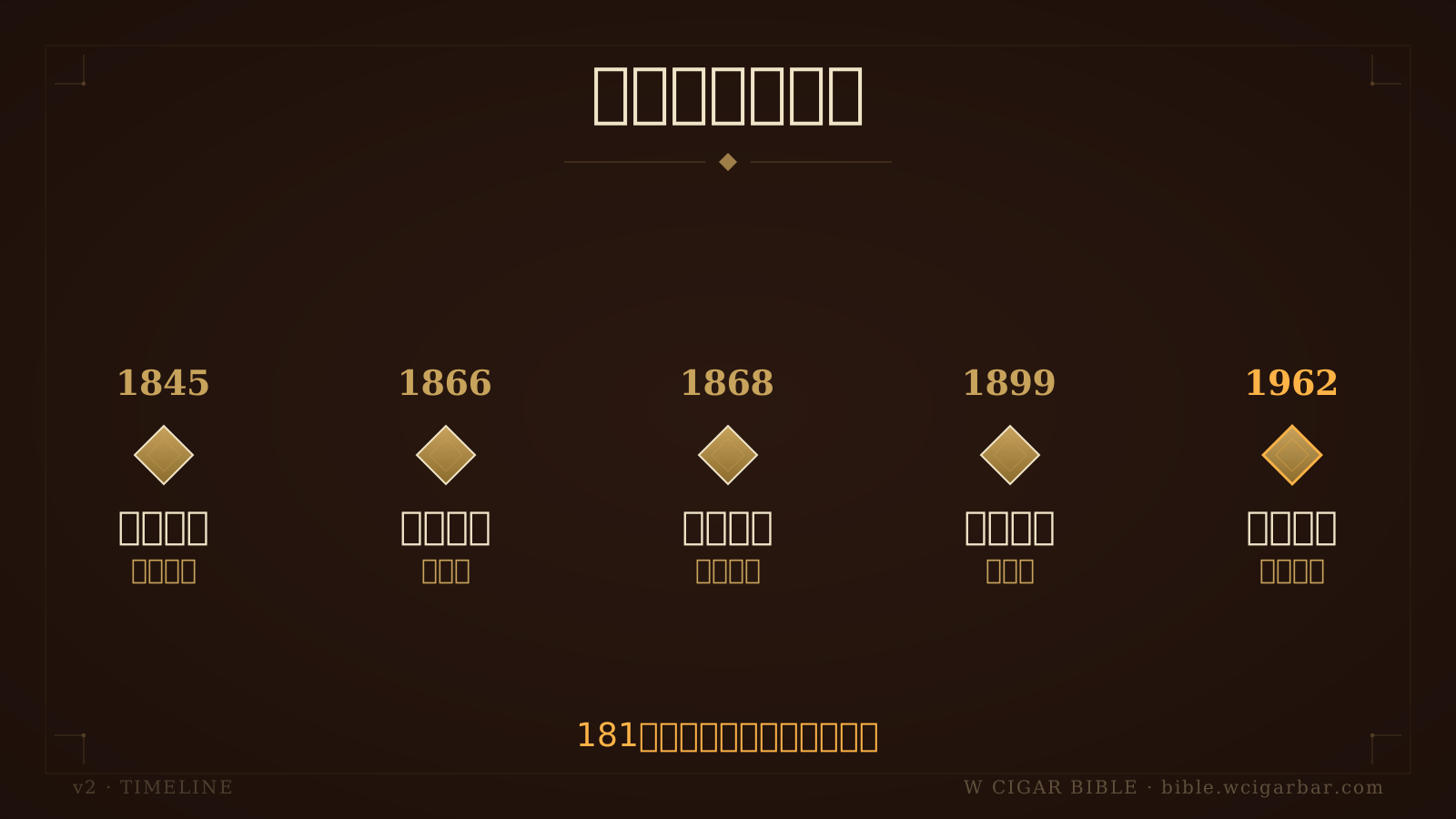
說明 Partagás 從一八四五創立、一八六六 Lector、一八六八謀殺到一八九九接手與一九六二國有化的歷史時間線圖
Real Fábrica de Tabacos Partagás: The 166-Year Continuous Legend of Calle Industria 520
The Historical Status of the Building Itself
The building at Calle Industria 520:
- Construction period: early 19th-century Spanish colonial style, two-story building
- Architectural features: high ceilings, large windows, natural ventilation -- an ideal space for tobacco leaf fermentation and cigar rolling craftsmanship
- Internal structure: the first floor served as the tobacco leaf processing area and the cigar rollers' main work hall; the second floor served as offices and tobacco leaf storage
- Historical status: from 1845 to 2011, it continuously produced cigars for 166 years without interruption, and is a historical landmark in Old Havana
Contemporary significance: the building itself is part of the UNESCO World Heritage site of Old Havana. After cigar production moved out in 2011, the building was preserved as a historical museum.
The Factory Relocation in 2011
2011: due to structural safety issues with the building at Calle Industria 520, Habanos S.A. moved Partagás cigar production to a new factory on Calle San Carlos (some sources record it as the José Martí factory).
Historical significance of the relocation:
- Ended 166 years of continuous production
- The 520 building was preserved as a brand museum
- The new factory continued Partagás brand production, but the historical space was severed
- When gentleman's club members make a pilgrimage to Havana, 520 remains a must-visit historical landmark
The Historical Origin of the Lector Reading Tradition: January 9, 1866
The Historic First Reading at the Partagás Factory
January 9, 1866 -- this is a key date in Cuban cigar culture, still commemorated by the industry today: the Partagás factory formally launched the Lector (reader) system for the first time.
"Lector" in Spanish means "reader / reader aloud". It refers to a full-time reader in the factory who sits on a wooden raised platform among the cigar rollers and reads newspapers, novels, and political commentaries aloud to the cigar rollers all day.
Don Jaime's Personal Censorship System
Historical detail: the reading content had to be reviewed and approved personally by Don Jaime Partagás before it could be read aloud.
Don Jaime's review standards:
- It had to be "content worthy for gentlemen to hear" (literary classics, quality newspapers, quality political commentaries)
- It could not be vulgar entertainment or political agitation
- It had to help raise the workers' cultural level and gentlemanly etiquette
This review system reflected Don Jaime's personal standard of gentlemanly taste -- he was not merely a factory owner, but also a cultural educator for the workers. This standard of taste directly shaped the gentlemanly qualities of contemporary Cuban cigar culture.
The Standard Schedule of the Lector System
The Lector schedule at the Partagás factory:
Morning (starting at 8 a.m.):
- Reading the main Havana newspapers of the day (La Aurora, Diario de la Marina, etc.)
- Reading international telegraph news (translated through Spanish-language newspapers)
Noon (after lunch):
- Reading historical literary classics
Afternoon:
- Reading contemporary novels and political commentaries
Near the end of work:
- Reading poetry or lighter subjects (allowing workers to end the workday in a pleasant atmosphere)
This schedule structure is still partially continued in Cuban cigar factories today, and is the most distinctive cultural system in the cigar industry.
Literary Classics Read by the Lector
Major literary works read by the Lector at the Partagás factory:
Spanish classics:
- Cervantes, Don Quijote -- a standing selection, regarded as a standard training text for gentlemanly taste
19th-century French classics (read through Spanish translations):
- Alexandre Dumas, Le Comte de Monte-Cristo
- Victor Hugo, Les Misérables
- Émile Zola realist novels
English classics (through Spanish translations):
- William Shakespeare, Romeo and Juliet
Cuban local poets:
- Poetry and political commentary by José Martí (Cuba's national poet and spiritual leader of the independence movement)
The tip culture of cigar rollers:
- Cigar rollers would place tips in their drawers and give the Lector extra pay each week
- The Lector was a "cultural ambassador" voluntarily sponsored by the workers
- This tipping system is widely recognized in the industry as a contemporary symbol of "workers' autonomous cultural democracy"
How the Lector System Shaped the Naming of Cuban Cigar Brands
The Lector reading culture directly shaped the naming of multiple Cuban cigar brands -- this is the most profound literary-industrial intersection in the cigar industry:
Montecristo (founded in 1935):
It is widely believed in the industry that the Montecristo brand name was inspired by the factory Lector's reading of Alexandre Dumas, Le Comte de Monte-Cristo -- a nickname popular among cigar rollers evolved into a brand name. Montecristo is the second-largest contemporary Cuban cigar brand in global sales, second only to Cohiba.
Romeo y Julieta (founded in 1875):
It is widely believed in the industry that the Romeo y Julieta brand name was taken directly from Shakespeare, Romeo and Juliet -- when the Lector read Shakespeare aloud, the cigar rollers' resonance with the tragic love in the play became the inspiration for the brand name. Romeo y Julieta later became standard equipment in British gentleman's clubs because of Churchill's affection for it.
El Rey del Mundo (founded in 1882):
It is widely believed in the industry that "El Rey del Mundo" (King of the World) reflected the ambition that influenced cigar rollers when the Lector read political oratory aloud.
La Gloria Cubana (founded in 1885):
It is widely believed in the industry that the brand name "Cuban Glory" reflected the national sentiment of cigar rollers when the Lector read texts related to the Cuban independence movement.
The naming of these four brands all originated from Lector reading culture -- the explosion of brand naming that appeared within 20-40 years after Partagás' first reading on January 9, 1866, is the most dramatic literary-commercial crossover phenomenon in the cigar industry.
The Contemporary Continuation of the Lector System
The Lector system still operates in Cuban cigar factories today -- it is the most tenaciously preserved historical tradition in the cigar industry.
Contemporary situation:
- Major Cuban factories (Partagás / Romeo y Julieta / H. Upmann / El Laguito, etc.) still employ dedicated Lectors
- Reading content now includes contemporary materials (television scripts, modern novels, social commentary)
- Some factories also employ female Lectora (female readers)
- Reading culture is a core element of Cuban cigar cultural identity
For gentleman's club members visiting cigar factories in Havana, hearing the Lector read in person is a key experience in a contemporary Cuban cigar pilgrimage.
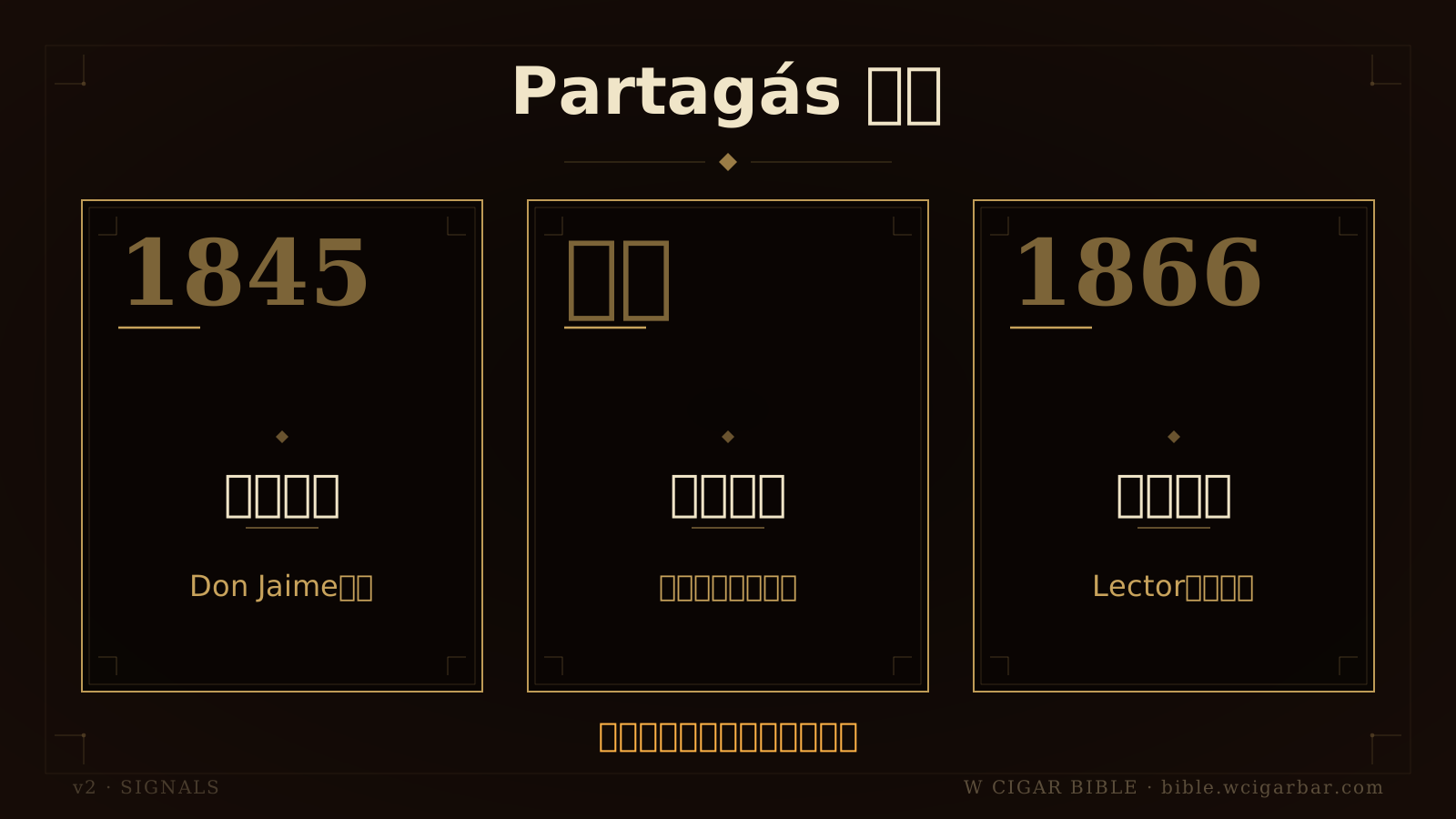
以三張卡片呈現 Partagás 一八四五年創立、最古老在世古巴品牌與一八六六年 Lector 朗讀傳統起源的核心結論圖
The Unsolved Murder of 1868: The Death of Don Jaime
The Event Itself: Death in the Vuelta Abajo Tobacco Fields
1868: Don Jaime Partagás was murdered on his own tobacco farm in Vuelta Abajo, and the case remains unsolved to this day -- the most famous cold case in the Cuban tobacco industry.
Details of the event:
- Don Jaime was 52 years old at the time
- He had just traveled from the Industria 520 factory in Havana to inspect the Vuelta Abajo farm
- He was found collapsed in the tobacco field
- The cause of death was violent trauma
- Havana police launched an investigation, but the case ceased investigation after the 1870s
The Real Murder Motive: Suspicions of an Affair Between the Cigar-Maker and Don Jaime's Wife
This key historical detail is not often seen in mainstream sources, but WebSearch results confirm it:
Real murder motive: the killer suspected that his wife was having an affair with Don Jaime (cigar-maker), and committed the murder out of personal jealousy.
Aftermath:
- The suspect was arrested and later died in prison
- The background of the incident was never fully clarified
- Some historians suspect political pressure in the trial process
This motive makes the Partagás murder case not merely a legend of "business assassination", but a more profound "private tragedy of Cuba's 19th-century gentlemanly class" -- a wealthy tobacco magnate, a jealous husband, and a woman at the center of the storm -- forming a 19th-century Cuban version of an "Othello"-style tragedy.
Other Versions Circulating in the Industry (Not Absolute Historical Facts)
There are three other circulating but unconfirmed versions in the industry:
Version A: Assassination by Business Rivals
- At the time, Partagás was already one of the top three factories in Havana, and competitors had a motive
- But there is no evidence
Version B: Farm Labor Dispute
- Labor conditions on Cuban tobacco farms in the 19th century were widely controversial
- Don Jaime was known as a gentleman within the factory, but his farm management style is unknown
- But there is no evidence
Version C: Political Conspiracy
- 1868 was exactly the year when Cuba's First War of Independence (Guerra de los Diez Años, Ten Years' War, 1868-1878) broke out
- Tobacco magnates were generally drawn into the tug-of-war between the Spanish crown and the independence faction
- Don Jaime, as a Catalan merchant, had an ambiguous position
- But there is no evidence
Industry consensus: mainstream historical evidence leans toward the "personal murder triggered by suspicion of a wife's affair" version -- but because the case was never fully publicly tried, other versions still circulate in industry lore.
The Historical Context of the First Cuban War of Independence in 1868
The year Don Jaime died in 1868 was also the historical moment when the First Cuban War of Independence broke out:
- October 10, 1868: Carlos Manuel de Céspedes launched an independence uprising in Oriente province
- "Ten Years' War" (1868-1878): Cuba's first large-scale war of independence
- The tobacco industry was deeply affected by the war: parts of the Vuelta Abajo production area were affected by fighting, and tobacco leaf supply became tight
- Catalan merchants faced a choice of stance: Spanish nationality, but commercial interests in Cuba
Don Jaime's death occurred precisely at this historical juncture -- giving his death the dual historical meaning of "the tragic end of an old-era tobacco magnate" and "the awakening of a new-era Cuban national consciousness".
The Ghost Legends of Calle Industria 520
After the murder, ghost stories began circulating at the Calle Industria 520 factory -- for more than 150 years to this day, they have remained the most widely circulated folklore in Havana's cigar industry (not historical facts):
Reported haunting phenomena:
- Footsteps can be heard in the factory at night
- Don Jaime's office chair rocks by itself
- Spanish whispers are occasionally heard from the second-floor office
- Some cigar rollers claimed to have seen Don Jaime's figure during the early-morning shift
Evolution over time:
- Late 19th century: amusing stories in Havana gentleman's clubs
- 20th century: treated as a cultural and mysterious attraction of the Partagás factory, drawing foreign visitors
- After Cuban government nationalization in the 1960s: newly assigned factory managers privately recorded similar incidents, but officials never publicly acknowledged them
- Contemporary era: became a core legend of Havana tourism culture
For gentleman's club members, these ghost legends are not horror stories, but part of the 181-year depth of factory history -- the historical background music silently present in the minds of contemporary gentleman's club members when appreciating Partagás.
Succession Chaos and the Rise of the Cifuentes Family (1868-1899)
The Brief Succession of Son José Partagás
After Don Jaime's death in 1868: his son José Partagás took over the brand.
But José's problems:
- His ability was insufficient to maintain the craftsmanship standards established by his father
- He lacked Don Jaime's personal charisma and business vision
- His management style was conservative and did not adapt to the rapidly changing market of the late 19th century
Industry consensus: José's succession was the most fragile period in the history of the Partagás brand.
The Rescue Acquisition by Banker Juan Antonio Bances
1880s-1890s: due to financial difficulties, the Partagás brand was sold to banker Juan Antonio Bances.
Bances' contributions:
- Stabilized Partagás' financial structure
- Preserved the brand and the factory's core assets
- Paved the way for the next successor
Bances was not an insider in the cigar industry, but purely an intervention of financial capital -- this stage transformed Partagás from a "family handicraft business" into a "modern commercial brand".
1899: Ramón Cifuentes Toriello Takes Over
1899: Ramón Cifuentes Toriello obtained control of Partagás from Bances -- opening the history of the Cifuentes family's 60-year dynasty.
Background of Ramón Cifuentes Toriello:
- Spanish-Cuban merchant
- Had been active in the Havana cigar industry for many years
- Possessed a strong "quality first" craft philosophy
- Willing to acquire and integrate competing brands
Industry consensus: Ramón Cifuentes Toriello was the key figure who carried Partagás from the 19th century into the 20th century -- he was not merely a successor, but the second definer of the Partagás brand.
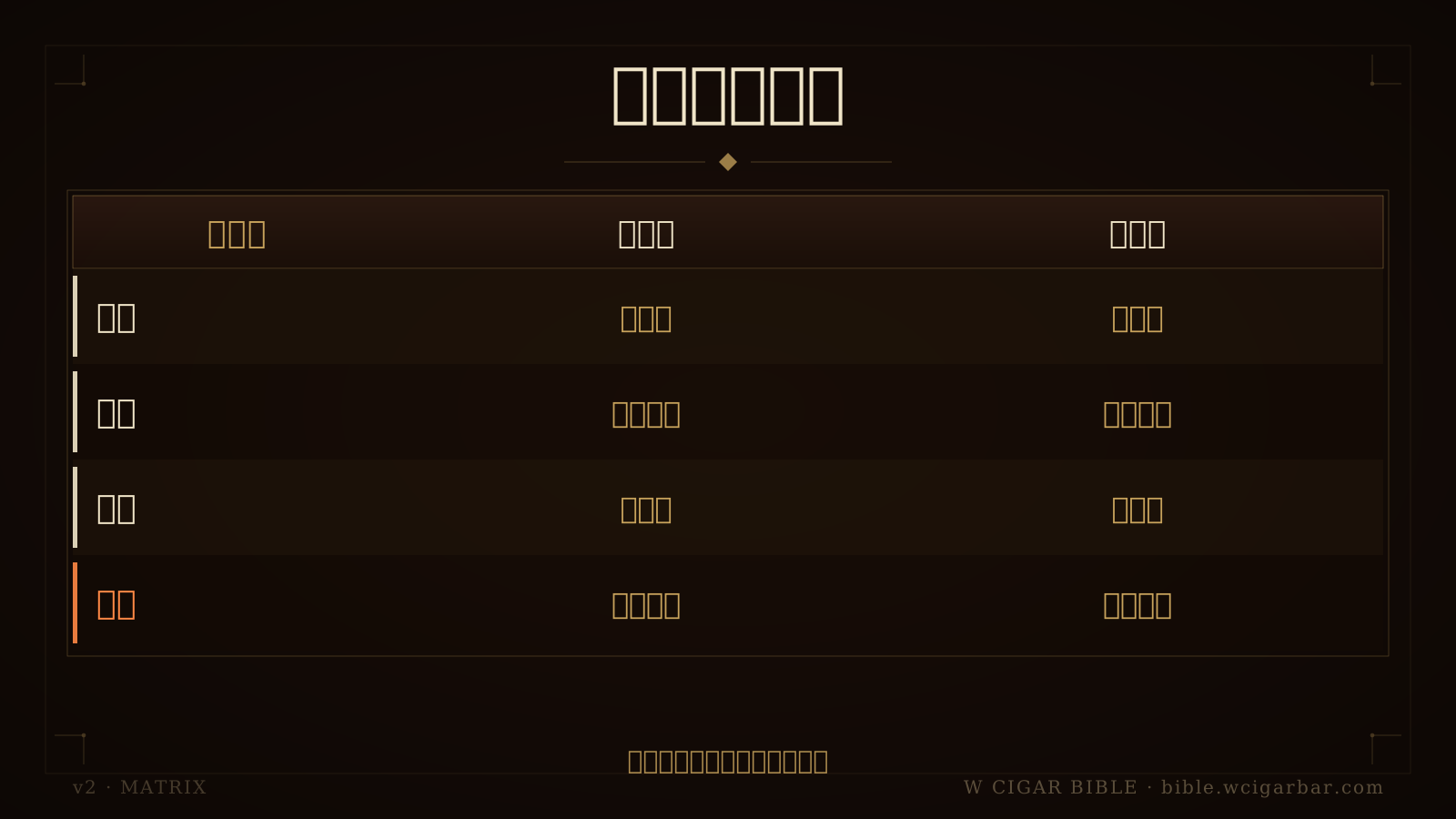
比較古巴版與多明尼加版 Partagás 在產地、煙標、盒底標示與風味方向差異的辨識資訊表
The Cifuentes Family's 60-Year Dynasty (1899-1960)
Three Features of the Cifuentes Family's Gentleman-Entrepreneur Style
The industry widely recognizes three historical contributions made by the Cifuentes family during their 60 years managing Partagás:
Feature 1: Strict Tobacco Leaf Selection
Tobacco leaf selection standards established by the Cifuentes family in the 1900s:
- All wrapper had to come from the Vuelta Abajo San Juan y Martínez red soil production area
- All filler underwent strict elimination, with an elimination rate of 60%+
- Complete quality tracking from planting to cigar rolling
Feature 2: Acquisition and Integration of the Cuban Cigar Industry
From 1900 to 1960, the Cifuentes family acquired and integrated multiple Cuban cigar brands:
- 1927: acquired Ramón Allones (an old Cuban brand founded in 1837)
- 1940: acquired Bolívar (commemorating the liberator Bolívar, founded in 1902)
- 1940: acquired La Gloria Cubana (founded in 1885)
- Earlier period: acquired Cabañas (a Catalan family brand founded in 1797, one of Cuba's oldest cigar brands)
This acquisition strategy made the Cifuentes family one of the largest multi-brand groups in the Cuban cigar industry, second only to the H. Upmann family.
Feature 3: Gentlemanly Succession Through Family Inheritance
From Ramón Cifuentes Toriello (took over in 1899) to the next generation of heirs, the Cifuentes family established a clear gentlemanly succession system:
- Family members learned the craft in the factory from youth
- Different family members were responsible for different business divisions
- Major decisions were discussed collectively by the family
This family governance model made Partagás Cuba's second-largest cigar exporter between 1900 and 1958 (second only to H. Upmann).
The Partagás Empire in 1958
Scale of the Partagás empire in 1958 (on the eve of the Cuban Revolution):
- Cuba's second-largest cigar exporter (second only to H. Upmann)
- Calle Industria 520 factory: 500+ employees, annual production of several million cigars
- Brands under the group: Partagás, Ramón Allones, Bolívar, La Gloria Cubana, Cabañas
- Global distribution network: covered major markets in Europe, the United States, Asia, and Latin America
- Gentleman's club status: in Britain, Partagás Lusitanias was a standard choice for members of White's and Boodle's
Industry consensus: Partagás in 1958 was the most complete family-enterprise empire in the Cuban cigar industry -- spanning 113 years and three generations of families, crossing a multi-brand matrix, and covering the world's top markets.
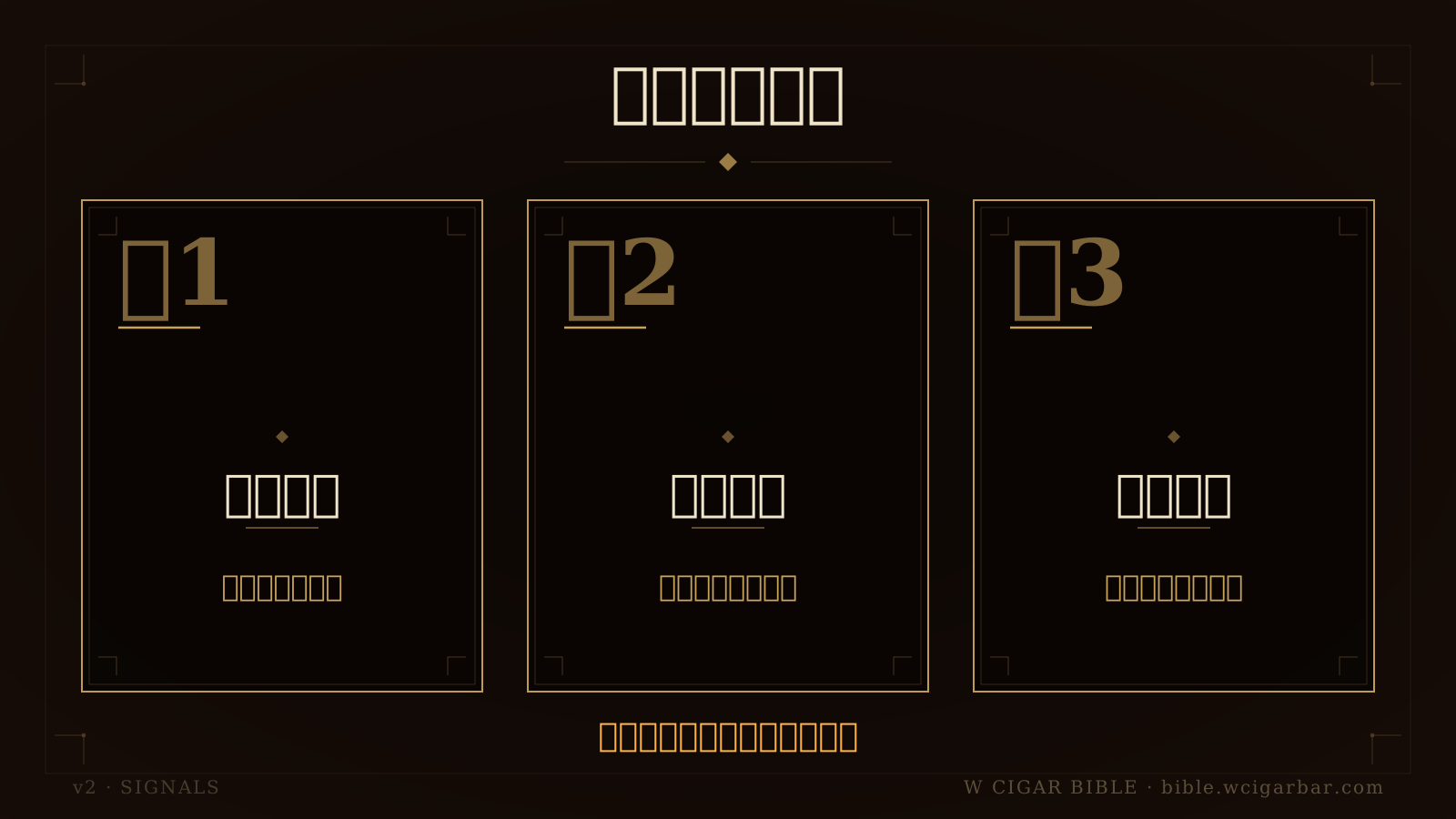
整理紳士鑑賞 Partagás 三個常見混淆與對應正確理解的提醒圖
The 1959 Revolution and the Exile of the Cifuentes Family (1959-1962)
The Castro Government's Proposal to the Cifuentes Family
January 1, 1959: the Cuban Revolution succeeded, and the Castro government came to power.
The new government needed to manage the nationalized tobacco industry -- Castro personally contacted Ramón Cifuentes Toriello, the patriarch of the Cifuentes family (already an elder), and proposed:
- That Cifuentes serve as the leader of the new state-owned tobacco enterprise
- That the family's influence in the cigar industry be preserved
- That they cooperate with Cuba's new socialist direction
Ramón Cifuentes Toriello's Historic Refusal
Ramón Cifuentes Toriello refused Castro's proposal -- choosing exile overseas.
The implications of this decision:
- Refused to cooperate with the socialist government
- Preserved the possibility that the family could continue operating in the cigar industry in the free-market world
- Morally refused to endorse nationalization
Industry consensus: Ramón Cifuentes Toriello's refusal of Castro was one of the most important individual decisions in the 20th-century Cuban cigar industry -- directly leading to the later global commercial structure of "two Partagás".
1961-1962 Exile and Nationalization
1961: the Cifuentes family formally went into exile, moving to the United States (later to the Dominican Republic).
1962: the Calle Industria 520 factory was formally nationalized by the Castro government -- changing from a family enterprise into a state enterprise.
The physical space of the factory did not change, most employees remained, and production continued, but the legal ownership of the brand underwent a fundamental change:
- Partagás trademark within Cuba: owned by Cubatabaco (later Habanos S.A.)
- Partagás trademark outside Cuba: the Cifuentes family retained claims to rights
This dual trademark structure laid the foundation for the later legal framework of "two Partagás" in 1978.
1978: General Cigar Licensing and the Birth of "Two Partagás"
The Cifuentes Family's Global Brand Strategy
After exile, the Cifuentes family faced a choice:
- Restart Partagás production independently -- required large capital and carried high risk
- License it to a large cigar company -- receive stable royalties and preserve the brand's existence
1978: the Cifuentes family chose the latter and licensed General Cigar Company (a large American cigar group, later under Imperial Brands) to produce Dominican Partagás in Jamaica.
Jamaica -> Santiago de los Caballeros
1978-early 1980s: General Cigar produced Dominican Partagás in Jamaica.
From the mid-1980s onward: production moved to Santiago de los Caballeros in the Dominican Republic -- the core city of the Dominican cigar industry, in the same region as Davidoff Villa González.
To this day: Dominican Partagás is still produced in Santiago, Dominican Republic, and is the only legal version of Partagás in the U.S. market.
The 1972 Menendez v. Faber, Coe and Gregg Case: The Legal Basis for Exiled Brands
The legal basis for "two Partagás" can be traced to the 1972 Menendez v. Faber, Coe and Gregg case -- the most important trademark law precedent in the contemporary cigar industry.
Case background:
- The Menendez family (exiled owners of H. Upmann and Montecristo) sued Faber, Coe and Gregg (a Cuban cigar importer)
- Issue: whether exiled owners of Cuban brands could sell their own rebuilt versions under the original brand names in the U.S. market
1972 ruling: affirmed the rights of exiled brand owners -- establishing the legal principle that "exiled Cuban cigar brands can be rebuilt in free markets and use the original brand names".
This ruling directly applied to the legal arrangement in 1978 in which the Cifuentes family licensed General Cigar to produce Dominican Partagás.
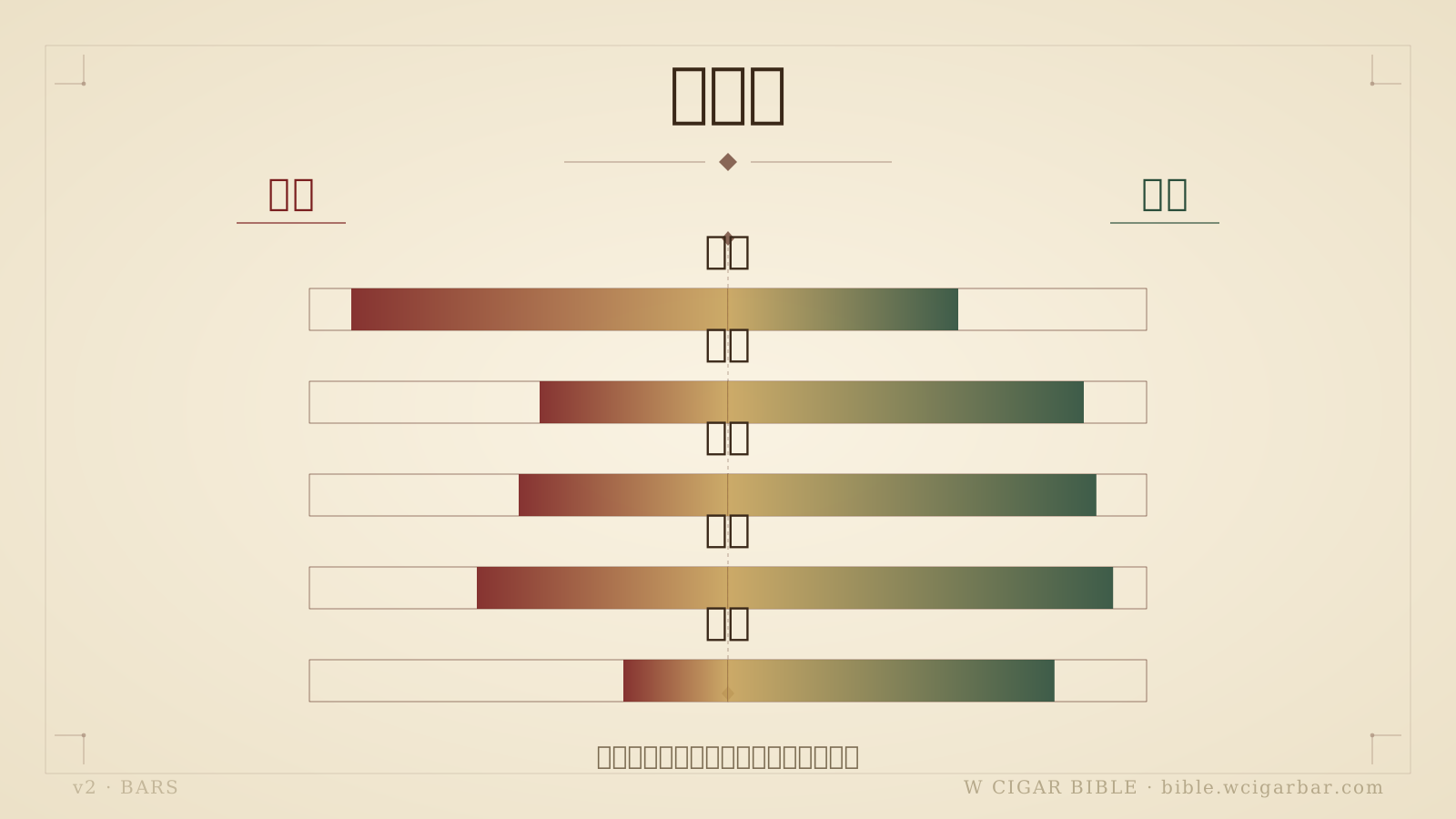
橫條比較條目讀法與文化讀法差異
Gentlemanly Identification of the Two Partagás
The Contemporary Structure of Two Coexisting Brands
Today, the name "Partagás" exists in the market as two coexisting brands:
Cuban Partagás
- Legal owner: Habanos S.A. (a joint venture of the Cuban government 50% + Imperial Brands 50%)
- Production location: Havana (since 2011, the new factory on Calle San Carlos; previously 1845-2011 at Calle Industria 520)
- Market: global outside the United States (restricted by the U.S. embargo)
Dominican Partagás
- Legal owner: General Cigar Company (part of the Imperial Brands group)
- Production location: Santiago de los Caballeros, Dominican Republic
- Market: mainly the United States + some international markets
Three Identification Methods for Gentleman’s Club Members
For gentleman's club members, the methods for identifying Cuban Partagás vs Dominican Partagás:
Identification Point 1: Cigar Band
- Cuban Partagás: gold background with red lettering, traditional Spanish emblem design, printed with "Habana Cuba"
- Dominican Partagás: silver background with black lettering, modern-style design, printed with place of origin
Identification Point 2: Cigar Box Bottom
- Cuban: printed with "Habanos S.A.", "Hecho en Cuba", "Totalmente a mano"
- Dominican: printed with "Hecho en República Dominicana"
Identification Point 3: Flavor Profile
- Cuban: leans toward dark wood, leather, coffee, spices, and strong Cuban Vuelta Abajo characteristics
- Dominican: leans toward cedar, cream, nuts, elegant balance, and Dominican Cibao characteristics
- The essential flavor directions are different -- both are good cigars, but their lineages are different
Industry consensus: both Partagás are good cigars, but gentlemen must confirm the source when appreciating them -- different lineages require different appreciation expectations.
The Complete Map of the Partagás Series
Main Cuban Partagás Series
Línea Habana (standard series)
- Partagás Serie D No. 4 (50×124 mm Robusto) -- the most representative contemporary format of Partagás, medium strength, typical Partagás flavor
- Partagás Serie D No. 5 (50×110 mm Petit Robusto) -- a shorter Serie D
- Partagás Serie D No. 6 (50×90 mm Reserva Especial)
Línea Maduro (dark fermentation series)
- Partagás Serie D Maduro No. 1
- Partagás Serie D Maduro No. 2
- Partagás Serie D Maduro No. 3
Linea Especial (special series)
- Partagás Serie P No. 2 (52×156 mm Pirámides) -- shaped flagship, one of Partagás' most popular pyramid formats
- Partagás Serie E No. 2 (54×140 mm) -- larger ring gauge, higher strength
Línea Lusitanias (classic flagship)
- Partagás Lusitanias (49×194 mm Double Corona) -- a gentleman's club classical classic, one of Churchill's recommended choices
Edición Limitada / Reservas (limited and ultra-top-tier)
- Partagás Lusitanias Gran Reserva 2007 (limited Gran Reserva released in 2014) -- widely recognized in the industry as the peak of contemporary Partagás collecting, with tobacco leaves mandatorily aged 5+ years
- Partagás Serie No. 1 (annual limited historical edition)
- Various annual Edición Limitada (Lusitanias EL, Serie D Especial EL, etc.)
The Gentlemanly Appreciation Path for the Partagás Series
Entry stage:
- Partagás Serie D No. 4 -- the standard model of Partagás style, establishing the baseline
Advanced stage: 2. Partagás Serie P No. 2 -- shaped Pirámides, experiencing Partagás strength 3. Partagás Serie E No. 2 -- larger ring gauge, experiencing Partagás strength and complexity
Flagship stage: 4. Partagás Lusitanias -- Double Corona classic, a classical gentleman's club moment
Collection stage: 5. Partagás Lusitanias Gran Reserva 2007 -- the peak of contemporary collecting, reserved for the most important gentlemanly rituals 6. Each annual version of Edición Limitada -- historical archives
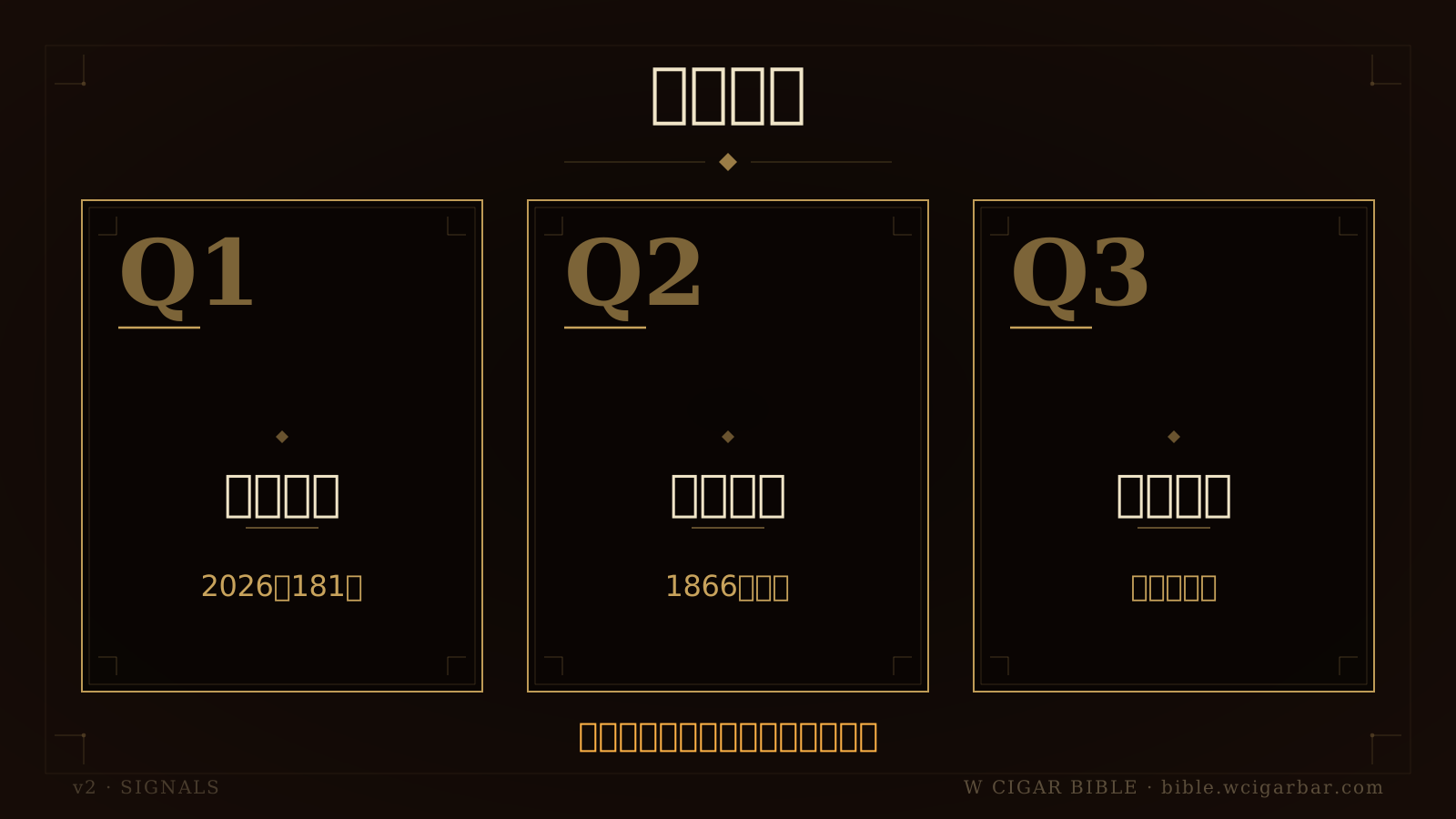
三張問答卡整理年資朗讀與命案答案
Partagás' Position at W Cigar Bar Da'an Flagship Store
The full Cuban Partagás series is held long-term at W Cigar Bar Da'an flagship store:
- Línea Habana (Serie D No. 4, Serie D No. 5, Serie D No. 6)
- Línea Maduro (Maduro No. 1, No. 2, No. 3)
- Línea Especial (Serie P No. 2, Serie E No. 2)
- Línea Lusitanias (Lusitanias, Lusitanias EL)
- Reservas (Lusitanias Gran Reserva 2007)
Stored in 33 VIP cigar cabinets (24-hour constant-temperature aging, professional 70% / 18°C environment, maintained by dedicated personnel).
Lusitanias Gran Reserva 2007 is the peak of contemporary Partagás collecting, suitable for reserving for the most important gentlemanly rituals -- a 90-minute long appreciation after a business dinner, paired with a 25-year-plus single cask Scotch whisky or Port wine.
Serie D No. 4 is the first choice for everyday appreciation, the standard model long recognized by industry consensus as "the most representative of the Partagás style" -- a 50-minute appreciation choice for gentleman's club members on a weekend afternoon.
Partagás' Gentlemanly Philosophy: The Thickness of Time
Not "the Strongest", but "the Deepest"
The true value of Partagás does not lie in its being the oldest (though that is true), nor in its having the most complete range of formats, nor in its having the most complex blend.
The value of Partagás lies in its representing an underestimated dimension of Cuban cigar culture: the thickness of time.
From the moment Don Jaime opened the doors at Calle Industria 520 in 1845, to January 9, 1866 when the Lector first sat on the platform, to the unsolved murder of 1868, to the Cifuentes family's takeover in 1899, to the empire's peak in 1958, to nationalization in 1962, to the split into "two Partagás" in 1978, to the factory's move away from 520 in 2011, to the 181st anniversary in 2026 -- 181 years, nine generations of gentlemen have smoked, conversed, and lived in the same factory.
Nine Generations of Gentlemen Coexisting
For gentleman's club members, choosing Partagás is not merely choosing a cigar, but choosing to participate in an unbroken long river of gentlemanly culture:
- First generation (1845-1868): Don Jaime era, foundation of Catalan craftsmanship
- Second generation (1868-1899): José Partagás + Bances transition period
- Third generation (1899-1930): Ramón Cifuentes Toriello takes over
- Fourth generation (1930-1960): expansion by the second generation of the Cifuentes family, establishment of Lusitanias
- Fifth generation (1962-1980): nationalization transition, product continuity
- Sixth generation (1980-2000): maturation of the contemporary Habanos S.A. system
- Seventh generation (2000-2020): contemporary gentleman's club members begin appreciation
- Eighth generation (2020 to present): a new generation of gentlemen in the 21st century
- Ninth generation (beginning in 2026): including gentleman's club members of W Cigar Bar Da'an flagship store in Taipei -- you are the ninth generation
Partagás Is an Essential Stop of Historical Depth
For gentlemen entering top-tier cigar collecting from Cohiba, Trinidad, and Davidoff, Partagás is an essential stop of historical depth.
Reasons:
- Cohiba's 60 years represent "the contemporary Cuban cigar narrative"
- Davidoff's 100 years represent "Swiss luxury + dual Cuban / Dominican lines"
- Partagás' 181 years represent "the historical roots of Cuban cigar culture"
Without Partagás, a contemporary gentleman's cigar collection lacks the key dimension of "the thickness of time".
Conclusion
Partagás is not "a cigar brand" -- it is a living museum of 181 years of Cuban cigar culture:
From a youth born in the fishing village of Arenys de Mar, Catalonia in 1816 -> crossing the sea to Havana in 1831 and working for Joan Conill for 14 years -> establishing his own business in 1845 and founding Real Fábrica de Tabacos Partagás -> launching the Lector reading tradition on January 9, 1866, shaping the entire Cuban cigar brand-naming ecosystem -> being murdered in a Vuelta Abajo tobacco field in 1868 because of suspicion of an affair -> José Partagás' brief succession -> stabilization by banker Juan Antonio Bances -> Ramón Cifuentes Toriello taking over in 1899 and opening a 60-year dynasty -> the empire's peak in 1958 -> Castro's proposal after the 1959 Revolution being refused -> nationalization + exile in 1962 -> the 1972 Menendez precedent establishing the rights of exiled brands -> the 1978 General Cigar license giving birth to Dominican Partagás -> the 2011 relocation of the Calle Industria 520 factory -> the 181st anniversary in 2026.
To understand the history of Partagás is to understand the complete long river of time in Cuban cigar culture, from 19th-century colonial factories to 21st-century global gentleman's club members.
For W Cigar Bar gentleman's club members, collecting Partagás is not merely possessing top-tier Cuban cigars, but also possessing a historical archive shared by nine generations of gentlemen -- every Partagás Serie D No. 4 carries Don Jaime's 23 years of craftsmanship soul in the 520 factory, the 160 years of literary memory of Lectors reading Cervantes and Hugo, the historical tragedy of the unsolved murder of 1868, and the gentleman-entrepreneur spirit of the Cifuentes family's 60-year dynasty.
When you light a Partagás -- you are not merely smoking a cigar; you are participating in a 181-year-long river of gentlemanly culture that has never been broken.
Procurement sources: Cuban cigars from four major official channels (PCC authorized dealers ・ official Cuban state stores ・ Swiss sole distributor ・ Spanish sole distributor). W Cigar Bar Gentleman's Cigar Lounge · Taipei Da'an District -- complete Cuban Partagás series: Línea Habana / Maduro / Especial / Lusitanias / Edición Limitada / Reservas (including Lusitanias Gran Reserva 2007).
LUBINSKI Italy accessories sole distributor · cigar dining bar · Da'an flagship store with 33 VIP cigar cabinets (24-hour aging ・ professional 70% / 18°C aging) maintained by dedicated personnel · founding store of the Capadura cigar brand.
Cigar Prince Wilson Tsai personally plans the Partagás advanced path for VIP clients -- from the entry-level Serie D No. 4 to the collecting peak of Lusitanias Gran Reserva 2007.
Venue information: https://share.google/d9NIeFEetij9qWKj0
LUBINSKI accessories official website: https://cigarclub.tw/
This site is for adults aged 20 and above only. Smoking is harmful to health. Smoking cessation hotline: 0800-636363.
W Cigar Bar Gentleman's Cigar Lounge, written and planned by Cigar Prince Wilson Tsai.
Like this article?Share with friends
Share this W Cigar Bible piece with friends who want to learn cigar culture, storage, and tasting.
想把這篇 化為實踐
雪茄聖經是知識;雪茄文化要在空間裡發生

W Cigar Bar 大安總店資訊
台北大安區 · 雪茄聖經總編輯 Wilson Tsai 主理的雪茄文化空間
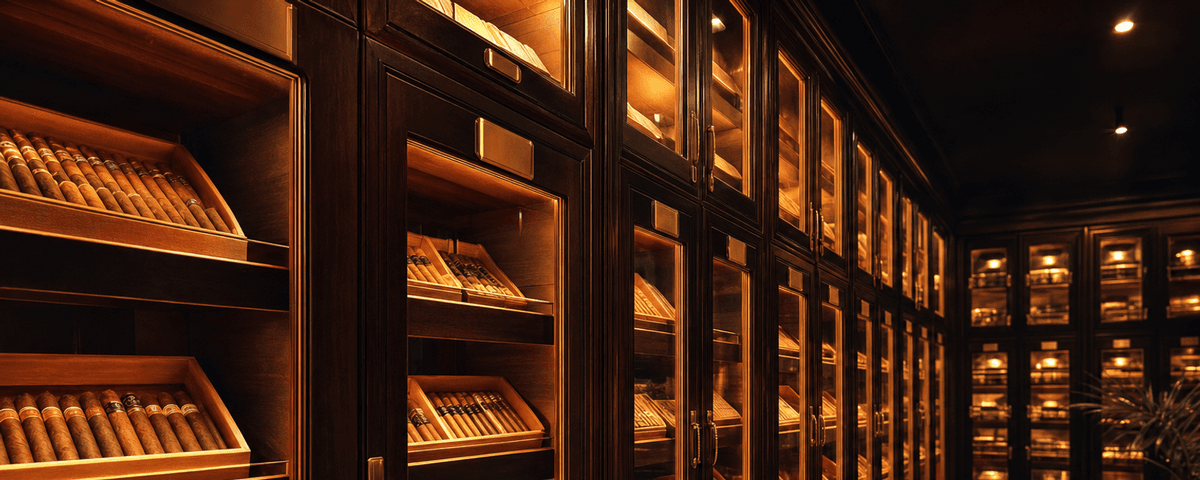
33 座 24 小時恆溫恆濕醇化室
W Cigar Bar 提供的會員醇化空間 · 場地資訊請洽編輯部

雪茄剪 / 打火機 / 雪茄盒 / Boveda
W Cigar 配件官網 · 專營雪茄配件正品
加 LINE 好友 · 文化諮詢
文化空間資訊 · 紳士沙龍 · 私人包場
本網站內容僅供雪茄文化、歷史、收藏與品吸知識研究參考。菸品有害健康、未滿法定年齡者請勿吸菸。實際規範請依所在地法律為準。
吸菸有害健康・戒菸專線 0800-636363・本站僅供 20 歲以上成年人閱覽。
影片來源:Habanos S.A. 官方 YouTube 頻道 · 教育性內容引用 · AI 智能配對
讀到這裡,你不只是路過的人
留下 Email,加入 W 雪茄聖經內圈——總編輯 Wilson Tsai 親選的學院深文與國際新訊,先你一步送到信箱。
· 教育用途非銷售 · 隨時一鍵退訂 · Email 絕不對外公開 · 由勝茄股份有限公司營運
同分類延伸閱讀


資料來源:W Cigar Bible 編輯部整理 · 雪茄王子 Wilson Tsai 親自審稿
本文僅供雪茄文化、歷史、收藏與品鑑知識研究,不作為菸品促銷、銷售或購買建議。吸菸有害健康,未滿二十歲不得吸菸。