日式威士忌的水楢桶美學:山崎余市風格與伽羅香,搭配 Cohiba Siglo VI 的細膩層次

日本威士忌的水楢桶美學,關鍵不只在伽羅、檀香、椰子調,更在山崎的多層原酒、余市的煤炭直火蒸餾,以及日威調和中的留白哲學。當它遇上 Cohiba Siglo VI,雪松、蜂蜜、奶油與淡草本會被木質香、麥芽甜、氣泡稀釋與煙氣酚類重新排列,形成低音量卻高解析的風味對話。
- 水楢桶的伽羅與檀香,不是濃香,而是與雪松煙氣互相留白的木質語法。
- 山崎偏多層花果,余市偏煤火煙燻,兩者都能映照 Siglo VI 的細膩骨架。
- 高球不是稀釋質感,而是用碳酸與低溫拉開日威與雪茄的風味間距。
The Aesthetics of Mizunara Casks in Japanese Whisky: The Styles of Yamazaki and Yoichi with Kyara Aroma, Paired with the Subtle Layers of Cohiba Siglo VI
Japanese whisky's Mizunara casks meeting Cohiba Siglo VI is most enchanting not because one overpowers the other, but because both understand how to lower their voices. As the editor of the "Cigar Bible," I often say that the real challenge in pairing is not stacking intensity upon intensity, but finding a path among cream, honey, cedar, and light herbal notes without crushing the details.
In this article, I will first discuss the origins of Japanese whisky: Masataka Taketsuru's journey to Scotland, the founding of the Yamazaki Distillery in 1923, the characteristics of Mizunara wood, Yoichi's coal-fired distillation, and the "flavor blank space" in Japanese whisky blending aesthetics. Then, I will delve into the structure of Cohiba Siglo VI (Cuba, Cañonazo, 52 × 150mm), dissecting the changes that actually occur in the mouth with combinations like Mizunara sandalwood × cedar wood, kyara aroma × light honey sweetness, and the philosophy of blank space × layered cigars.
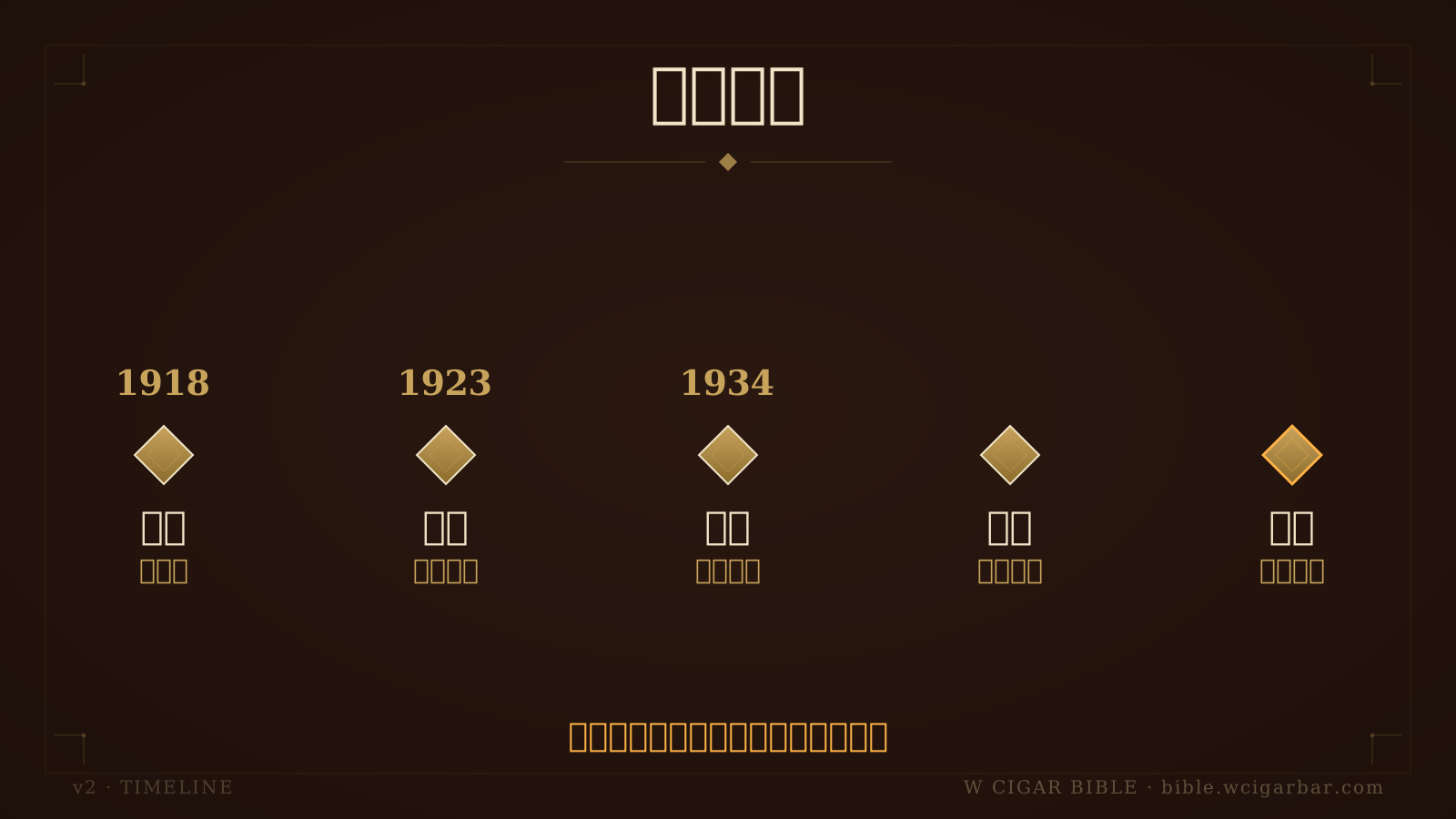
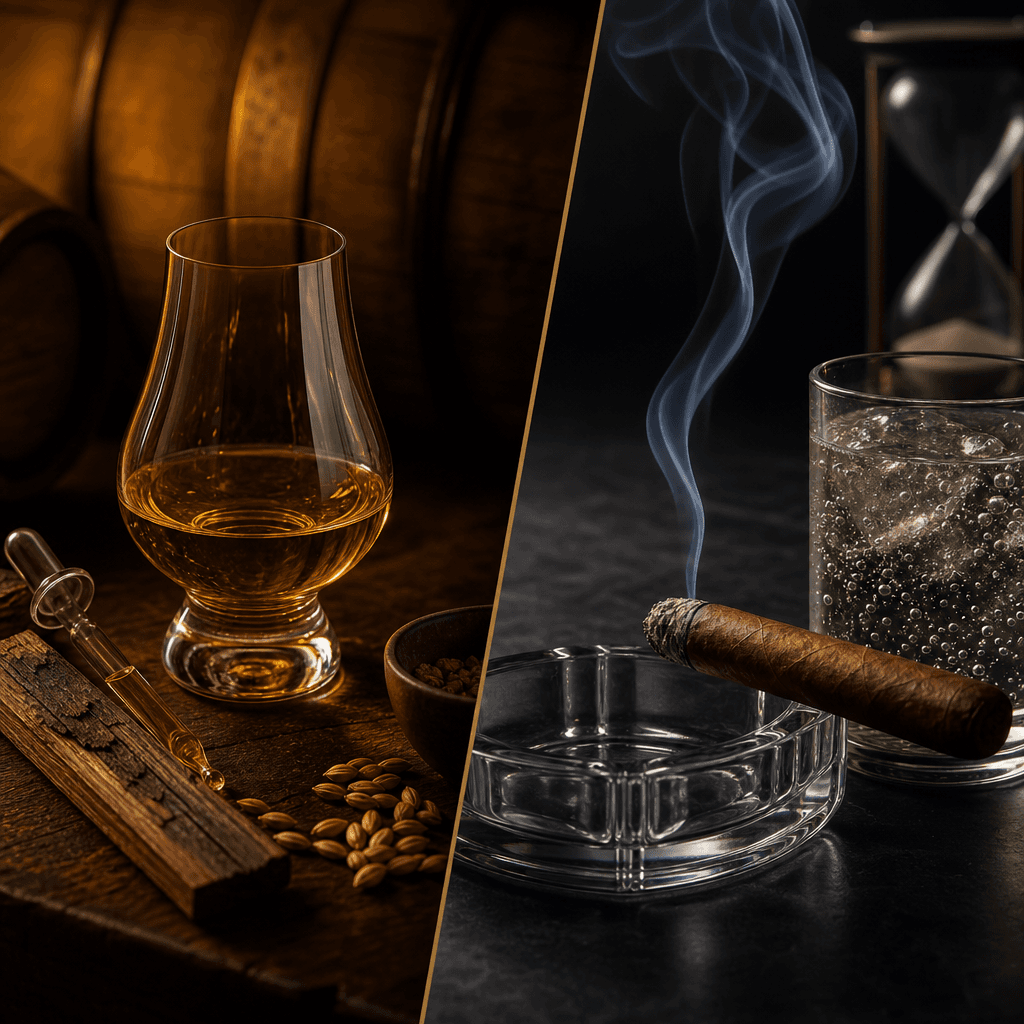
時間軸呈現竹鶴、山崎、余市與水楢搭配脈絡
The Origins of Japanese Whisky: Masataka Taketsuru, Yamazaki, and the Translation of Terroir
Discussing Japanese whisky, one cannot simply understand it as the Eastern version of Scotch whisky. Masataka Taketsuru went to Scotland in 1918, studying brewing and distillation in Glasgow, and also observing practical work at places like Longmorn, Bo’ness, and Hazelburn. What he brought back to Japan was not a single formula, but a complete logic between saccharification, fermentation, pot still distillation, cask aging, and blending.
In 1923, the Yamazaki Distillery was founded at the confluence of water systems between Kyoto and Osaka, which was no coincidence. The humid environment of the Katsura, Uji, and Kizu rivers allowed the aging speed and wood extraction to present a rhythm different from the highlands or island regions. The multi-layered floral, soft spice, ripe fruit, and woody sensations that later formed in Yamazaki are precisely the re-translation of Scottish techniques by the Japanese environment.
I often say that the most important thing about Japanese whisky is not "how similar it is to Scotland," but how it turns foreign craftsmanship into its own tone. The core of Yamazaki is not in heaviness, but in the interplay of various stills, different yeasts, different cask types, and different maturation conditions. The true starting point of Japanese whisky is to re-establish the proportion of details and blank spaces after transplanting Scottish techniques into Japanese terroir.
This historical context directly affects its pairing with Cohiba Siglo VI. Siglo VI is not known for heavy hits but wins with the layered transitions in a medium-bodied cigar; if the drink is overly concentrated, cedar, cream, and light herbs will be obscured. The advantage of Yamazaki-style Japanese whisky is that it often retains enough space for the subtle gaps in cigar smoke to be seen.
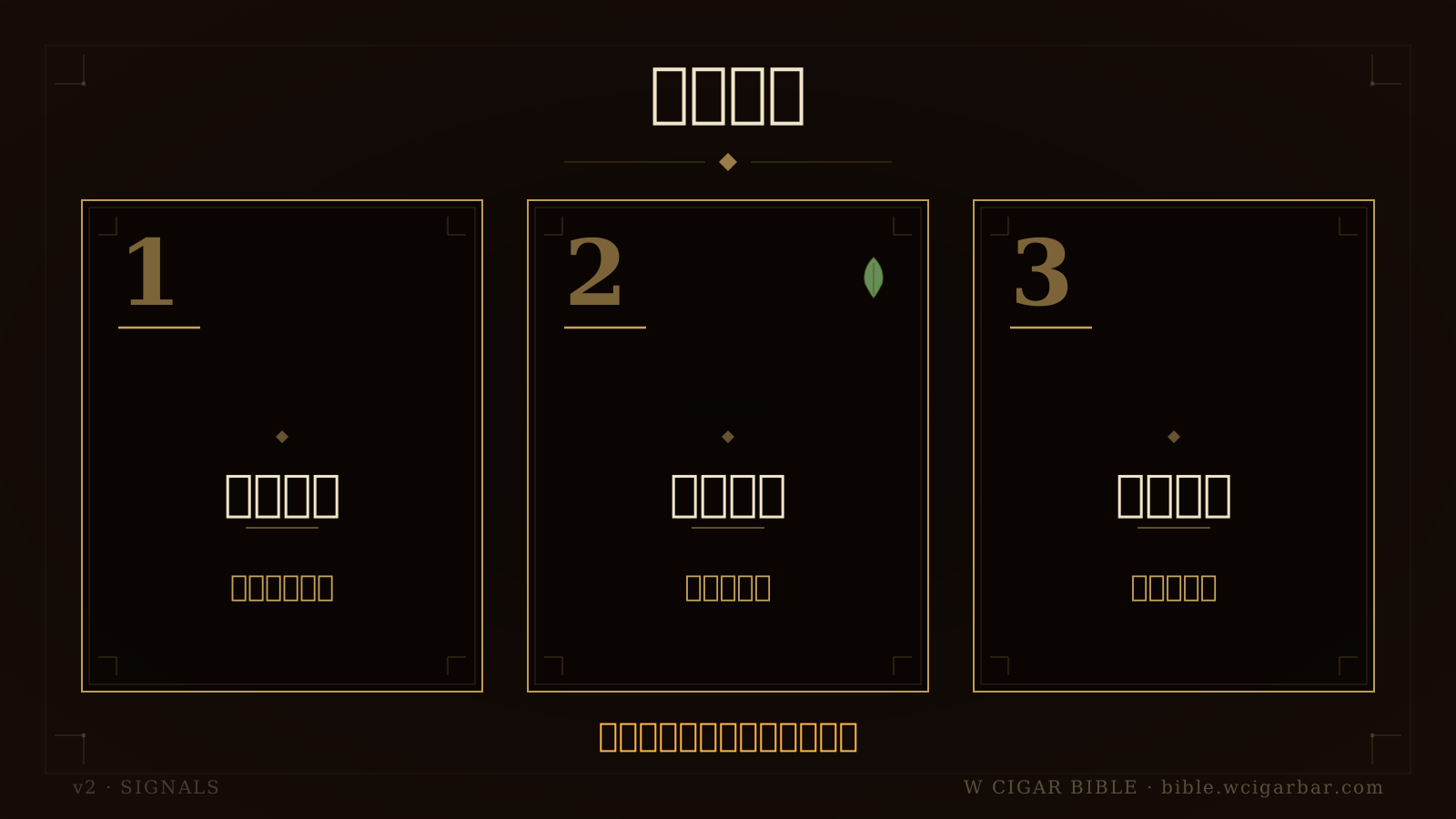
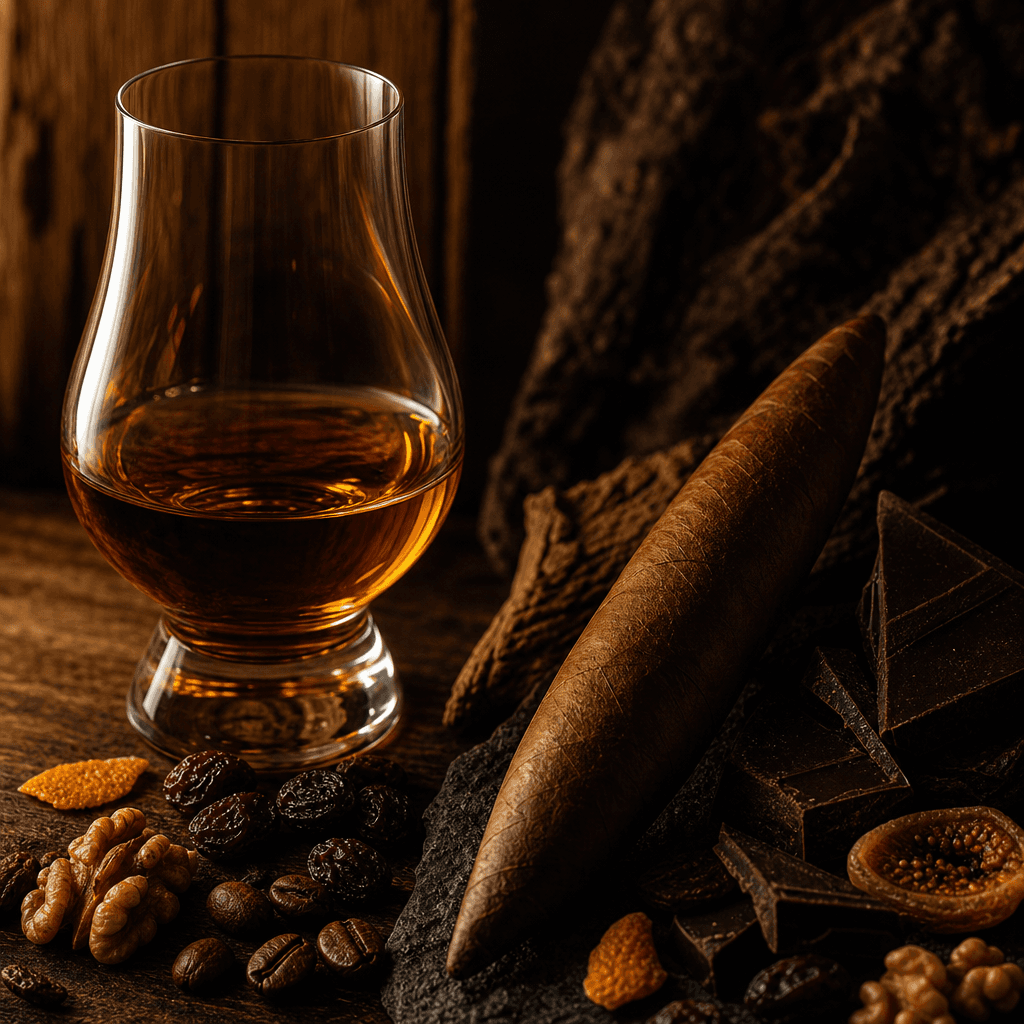
三張卡說明日威與雪茄搭配的核心判斷
Mizunara Casks: The Challenge of Kyara, Sandalwood, and Coconut Notes
The allure of Mizunara casks is not primarily due to their rarity but because they are difficult to tame. Mizunara is a type of Japanese oak, with large wood pores and irregular fiber directions, making it prone to leakage during cask making, traditionally requiring more meticulous hooping and long-term wood drying treatment. For the liquid, its way of releasing aroma is not as directly sweet as American white oak but slower, more ethereal, and closer to the wisps of incense wood smoke.
Mizunara casks are often described with notes of kyara, sandalwood, agarwood, coconut, spices, and a slight creamy feel. If broken down into chemical terms, the coconut sensation can be linked to oak lactones, the vanilla and sweet wood feel comes from vanillin, furfural, maltol-related signals, and the sandalwood and kyara sensation is often understood as a sensory result caused by a combination of wood terpenes, spice aldehydes, and complex aromas after maturation oxidation. It is not magic brought by a single molecule but an illusion overlapping wood, toasting, alcohol extraction, and time.
This aroma is most afraid of being misunderstood as strong. A good Mizunara cask performance often does not loudly announce itself at the first sip but slowly emerges on the second or third sniff. The core of Mizunara cask aesthetics is to release kyara and sandalwood at a low volume, turning woody aromas into an airy feel rather than heavy decoration.
When facing Cohiba Siglo VI, the real dialogue happens in the wood layers. Siglo VI's cedar is not rough planks but like clean wood shavings after planing, with a bit of sweetness and paper feel. If the sandalwood of Mizunara is well-controlled, it will resemble the incense smoke of Eastern temples, connecting with the Cuban cedar box aroma, forming a "Mizunara sandalwood × cedar wood" dual wood aroma corridor.

矩陣比較山崎系、余市系與水楢桶的搭配差異
Yoichi's Coal-fired Distillation: How Rough Heat is Harnessed by Japanese Whisky
The Yoichi Distillery was founded in 1934, with Masataka Taketsuru choosing Yoichi in Hokkaido because he saw conditions there similar to certain cool, sea breeze, and mist conditions in Scotland. Yoichi's representative craft is coal-fired distillation, where the pot still is heated with coal fire at the bottom, and the heat is not as even as steam coils. This method brings a stronger thermal reaction and makes the spirit prone to having a robust grain, caramelized, smoky, and slightly rough flavor profile.
The key to coal-fired distillation is the hot spots. The sugars, amino acids, and solid residues in the wort will form a more pronounced Maillard reaction and caramelized edges at the high-temperature contact points. These signals may transform into roasted grains, molasses, slightly charred bread crust, ash, and metallic sensations. If combined with peated malt or heavy cask types, Yoichi will have more edges than Yamazaki.
But the brilliance of Japanese whisky is that it does not let roughness remain rough. Even if Yoichi's original spirit carries coal fire and smokiness, it is often refined by blending and cask aging to have clean edges, turning the heat into a framework rather than noise. Yoichi's coal-fired distillation provides a skeletal smokiness and caramelization, not uncontrolled heaviness.
When paired with Cohiba Siglo VI, the Yoichi style needs to pay special attention to the intensity of smokiness. If the phenolic content from peat is too high, smokiness like guaiacol and cresol will overshadow Siglo VI's honey and light herbs; if the coal fire sensation leans towards roasted grains and slight ash, it can connect with the wood phenols from burning Cuban tobacco. This is why "coal-fired caramel × tobacco roasting" can be established, while "heavy peat × fine cedar" often becomes unbalanced.
Blending Aesthetics and Flavor Blank Space: The Lines Between Yamazaki and Yoichi
The blending aesthetics of Japanese whisky are often underestimated as merely mixing different original spirits. In reality, Japanese whisky blending is more like garden design: stones, moss, sand patterns, and water sounds must all exist but cannot compete for space. The blender establishes a flavor proportion order among malt spirits, grain spirits, sherry casks, bourbon casks, Mizunara casks, different distillation strengths, and different maturation environments.
Yamazaki's lines lean towards floral, multi-layered wood, honey, and ripe fruit peel; Yoichi leans towards grain thickness, coal fire, sea breeze, and smoky framework. If placed on the same flavor map, Yamazaki is like the wet stones and flower shadows in a Kyoto garden, while Yoichi is like the charcoal fire and cold wind by the Hokkaido sea. Both can enter the world of Cohiba Siglo VI, but the paths are completely different.
The so-called blank space is not light but not filling all the space. If there are aroma gaps in the liquid, the cigar smoke has room to unfold; if the body occupies the mouth with high sweetness, high wood, and high alcohol sensation at the entrance, Siglo VI's layers will become the background. The essence of blank space philosophy × layered cigars is to let two precise structures run parallel, not to demand one side to exit.
This is also why Japanese whisky is often more suitable for Siglo VI than some high-extraction spirits. Siglo VI's charm gradually unfolds after the second segment, with creaminess, honey sweetness, cedar, and light herbs appearing in turn. If Japanese whisky retains mid-section transparency, it can be like a clean washi paper, allowing the cigar's strokes to be fully preserved.
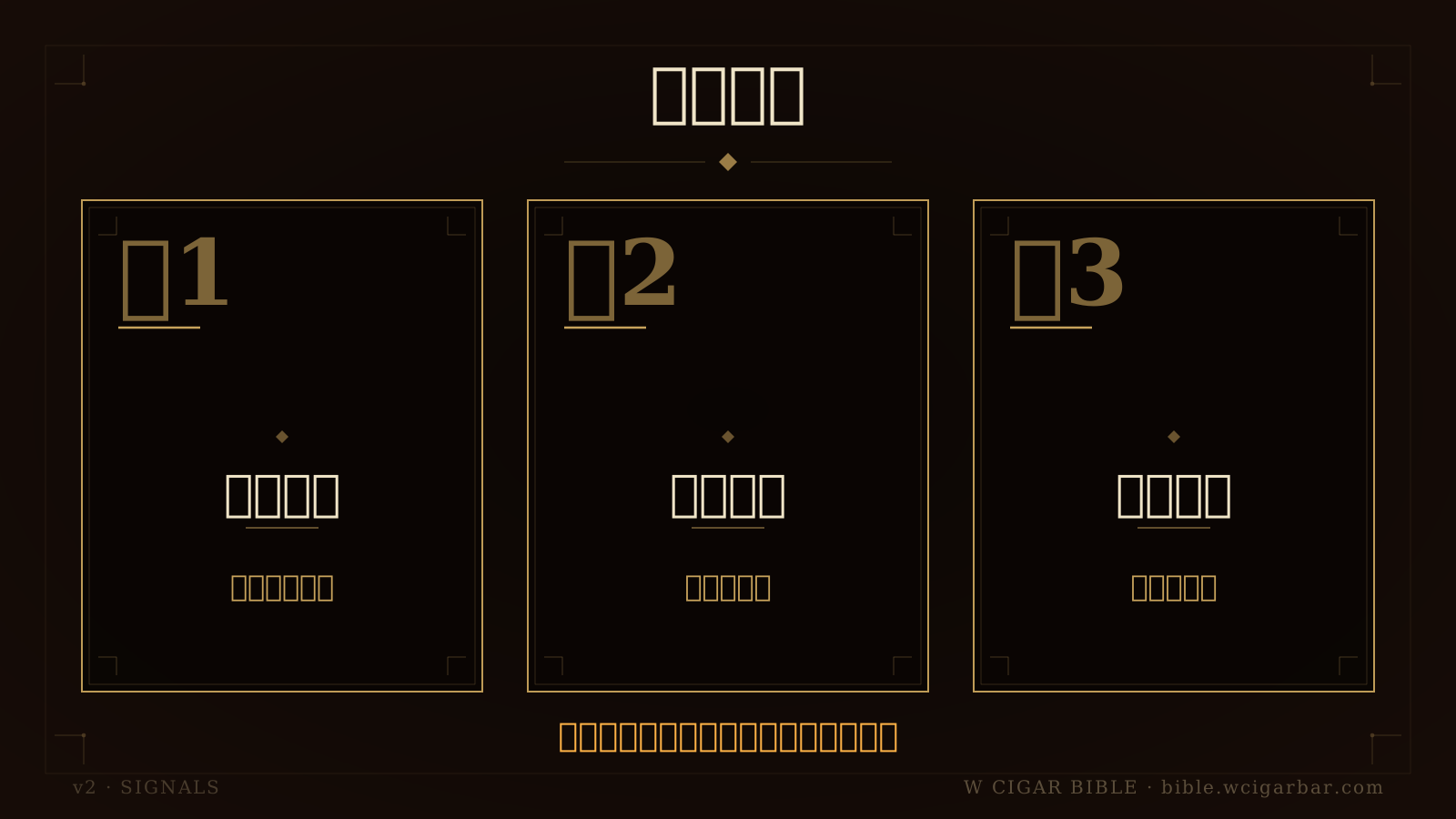
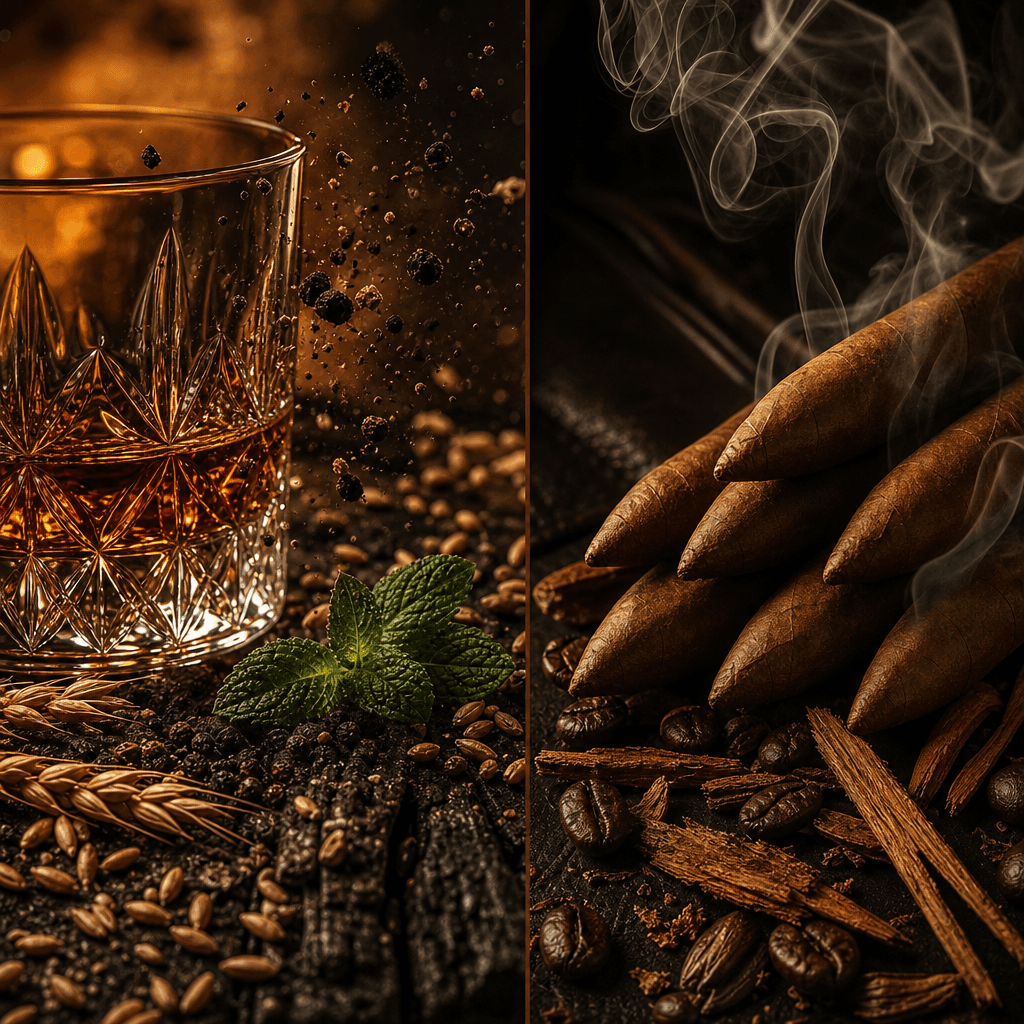
三張卡整理日威雪茄搭配中容易出現的誤解
The Layered Structure of Cohiba Siglo VI: Cream, Honey, Cedar, and Light Herbs
Cohiba Siglo VI (Cuba, Cañonazo, 52 × 150mm) is one of the most recognizable sizes in the Línea 1492 series. Its ring gauge provides a wider burning surface, and the length is sufficient to form clear transitions between the front, middle, and back segments. For those familiar with Cuban cigars, the value of Siglo VI lies not in single-point strength but in whether the details can be slowly advanced.
Its common main axis is cream, honey, cedar, and light herbs, medium-bodied, and layered. The creaminess comes from the smoke texture and the roundness like nut cream, the honey sensation is not syrupy sweet but a light floral nectar and dry grass sweetness. Cedar provides the framework, while light herbs are like tarragon, dried mint, and grassy edges, preventing the overall from becoming too soft.
Another important background of the Cohiba series is the high demand for fermentation and aging in the treatment of high-end Cuban tobacco leaves. Fermentation reduces rough ammonia and green sensations, transforming into more harmonious wood, nut, leather, and sweet aromas; aging makes the smoke particles more delicate. The core of Siglo VI is not power but maintaining clear layering of cream, honey, cedar, and light herbs in a medium-bodied cigar.
When paired with Japanese whisky, this layering is crucial. If the sweetness on the drink side is too high, the honey will flatten; if the wood is too bitter, the cedar will dry; if the alcohol stimulation is too prominent, the creamy texture will break. The ideal state is for the woodiness of the drink to connect with the cedar of the cigar, the grain sweetness of the drink to connect with the honey, and the aromatic wood scent of the drink to connect with the light herbs, with three lines each clear but not obscuring each other.
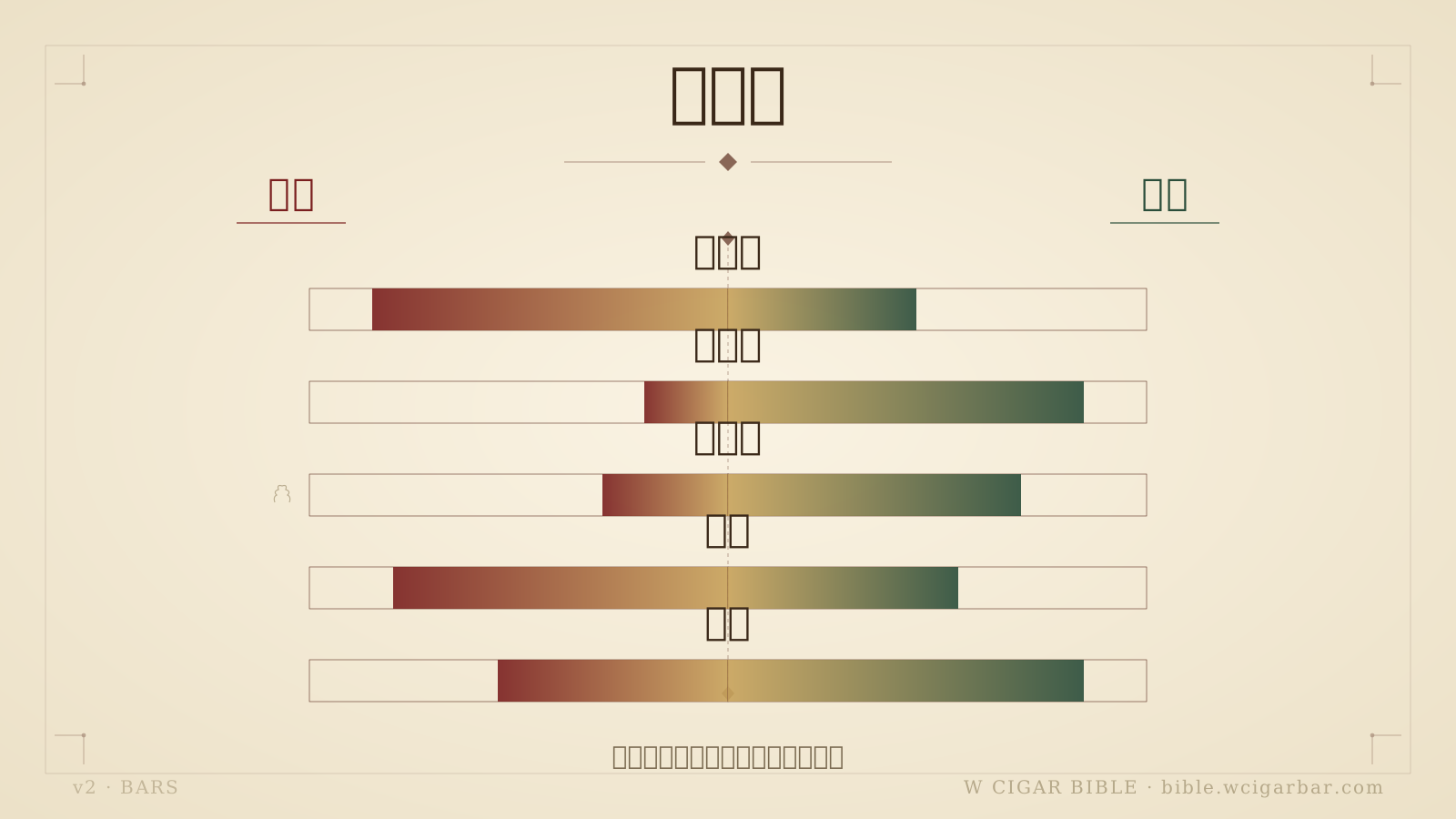
橫條圖比較山崎與余市在香氣和結構上的差異
token×token: Mizunara Cask Japanese Whisky Meets Cohiba Siglo VI
First, look at the first group: Mizunara sandalwood × cedar wood. The sandalwood and kyara sensation brought by Mizunara casks belong to a finer, drier, more ethereal woody aroma; Siglo VI's cedar is brighter, with the contours of wood boxes, pencil shavings, and dry sweet wood. When the two meet, a dialogue of Eastern and Western temple incense appears in the mouth: Mizunara is like the subtle smoke in incense ceremonies, cedar is like the dry wood aroma when a Cuban cigar box is opened.
The second group is kyara aroma × light honey sweetness. Kyara carries a sensory impression of darkness, resin, spices, and dry sweetness, while Siglo VI's honey is a low-sugar floral nectar sensation, with the common point being that neither relies on high volume to win. When the vanillin, furfural, and maltol in the liquid provide a malt sweet edge, the caramelized sweet aroma in the cigar smoke will be elongated, and the honey will not become cloying but will become a lightly sweet sensation with a woody shadow.
The third group is phenols in the drink × tobacco smokiness homology resonance. If Japanese whisky carries slight peat or coal fire smokiness, smokiness signals like guaiacol and syringol will recognize the wood phenols from burning tobacco, forming a homology of smokiness. The key is for the intensity to be low because Siglo VI's light herbs and creamy texture are very afraid of being crushed by heavy ash. The highest resolution of this pairing comes from Mizunara aromatic wood, malt sweetness, and Cuban cedar focusing on each other at low volume.
| Flavor token | Source in Japanese Whisky | Corresponding in Siglo VI | Changes in the Mouth |
|---|---|---|---|
| Sandalwood, Kyara | Mizunara Cask Mizunara Wood Extraction | Cedar, Dry Wood Box Aroma | Forms a Clean Aromatic Wood Corridor |
| Coconut, Vanilla | Oak Lactones, Vanillin | Cream, Nut Creaminess | Makes Smoke Texture Rounder |
| Malt Sweetness, Honey | Furfural, Maltol, Maturation Oxidation | Honey, Dry Grass Sweetness | Sweetness is Elongated but Not Thickened |
| Slight Smokiness, Coal Fire | Yoichi Direct Fire and Light Phenols | Tobacco Smokiness, Wood Phenols | Creates Homology Resonance and Tail Extension |
| Floral and Fruit Blank Space | Yamazaki Multi-Original Spirit Blending | Light Herbs, Delicate Transitions | Retains Mid-Section Layering and Breathing Feel |
In practice, I would look at Japanese whisky in three directions. The Yamazaki style is suitable for observing how floral, honey, and Mizunara aromatic wood complement Siglo VI's front and middle sections; the Yoichi style is suitable for observing how coal fire, grains, and smokiness catch the middle and back sections; the blended Japanese whisky is suitable for watching blank space and balance. It's not about which is better, but which can read more information about Siglo VI's current state.
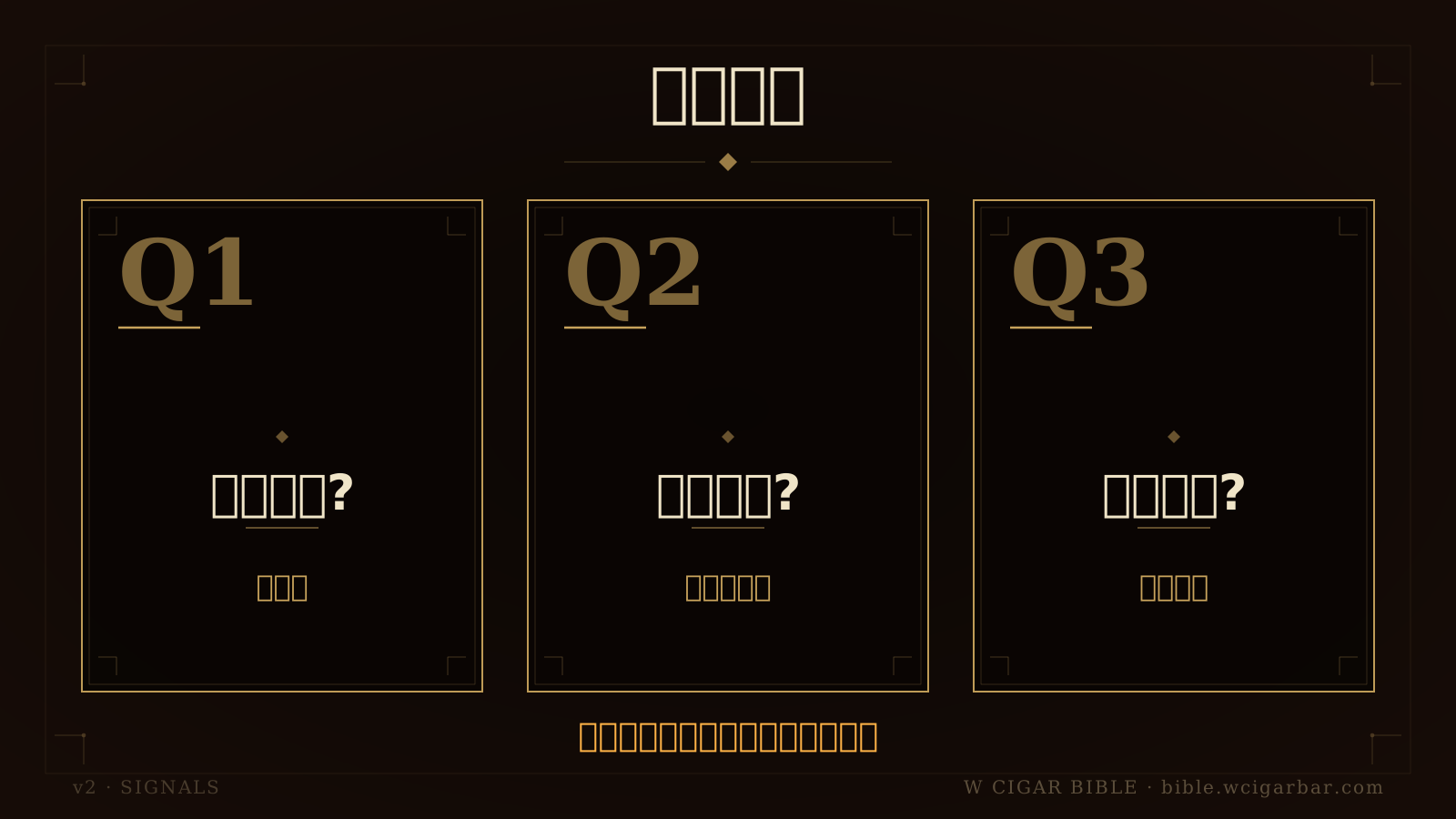
三張問答卡回答山崎、水楢與雪莉桶搭配問題
Highball Culture: Dilution, Bubbles, and Smoke Rhythm
Highball culture in Japanese bar culture is not just about adding soda water to whisky. It involves ice density, glass wall temperature, stirring times, carbonation retention, and the unfolding method of the drink's aroma. For Japanese whisky, a highball can reduce alcohol stimulation and break down floral, grain, wood, and spice more openly, which aligns with the space needed when conversing with Siglo VI.
I don't see highballs as reducing complexity but as adjusting the focus. When the sandalwood, coconut, and vanilla of Mizunara casks are expanded by bubbles, the aroma changes from clumps to lines; when Siglo VI's smoke enters the mouth, the fine touch brought by carbonation will clear the tongue surface, allowing the next puff of smoke to reappear. This is particularly useful for medium-bodied cigars because they don't need heavy-bodied support but rather a clean rhythm.
Highballs can also avoid stacking sweetness. When neat, if the bourbon cask vanilla and honey sensation of Japanese whisky is too prominent, Siglo VI's honey sweetness may be pushed too far forward; after switching to a highball, the sweetness is thinned, and cedar and light herbs return to the center of the picture. The relationship between highball culture and Siglo VI is to establish rhythm with dilution and bubbles, not to create presence with the weight of the drink.
If comparing the highball character of Yamazaki and Yoichi, Yamazaki will open up floral, Mizunara, honey, and soft wood, suitable for observing the elegant changes in the front section of the smoke. Yoichi highball will leave grains, coal fire, and slight salty smokiness, suitable for catching deeper wood and roasting sensations in the middle and back sections. Both should avoid overly heavy mineral sensations in the soda water, as it would make Siglo VI's creamy texture appear dry and hard.
Frequently Asked Questions
Understanding the pairing of Japanese whisky and Siglo VI requires distinguishing that aroma intensity, mouthfeel weight, and blank space are three different things.
Is the Yamazaki style always more suitable for Cohiba Siglo VI than Yoichi?
Not necessarily. The Yamazaki style is usually easier to connect with Siglo VI's honey, cream, and cedar, so the initial stage compatibility is high. If Yoichi's smokiness is not too heavy, the coal fire and grain sensation can instead make the middle and back sections more three-dimensional.
Will the kyara sensation of Mizunara casks overpower the cigar?
It depends on the Mizunara proportion and the expression of the whisky's age. Mature and delicate Mizunara aroma is usually an upper-floating aromatic wood sensation, which will interact with cedar. If the wood is bitter or the spice sensation is too sharp, it may make Siglo VI's light herbs dry.
Why is kyara aroma × light honey sweetness described as low volume?
Because neither is a high-sugar, high-fragrance flavor. Kyara is like incense wood in the dark, honey is like the residual shadow of floral nectar on dry grass. When they meet, the focus is on being audible to each other, not pushing sweetness or aroma high.
Will a highball make Japanese whisky too weak?
A highball will reduce alcohol stimulation but does not necessarily reduce resolution. For Mizunara casks and Yamazaki-style floral and fruit, bubbles can sometimes open up aroma gaps. The key lies in ice, carbonation, and stirring control, not simply pursuing strong or weak.
Which stage of Siglo VI is most suitable for observing the pairing with Japanese whisky?
The front section is suitable for observing the compatibility of cream, honey, and Yamazaki-style floral and fruit. The middle section is suitable for seeing if cedar and Mizunara sandalwood form a woody resonance. The back section can check if Yoichi coal fire or light smokiness crosses the line.
If Japanese whisky has sherry cask influence, is it still suitable?
Yes, but pay attention to dried fruit, sulfur sensation, and wood tannin. If the sherry cask's raisin, molasses, and nut are too thick, it will obscure Siglo VI's light herbs. A cleaner, clearly oxidized nut sensation sherry cask expression can instead complement the middle section's depth.
The pairing of Japanese whisky and Cohiba Siglo VI is truly worth reading for the changes in quiet places. Yamazaki provides floral and aromatic wood, Yoichi provides coal fire and framework, Mizunara casks provide kyara and sandalwood; Siglo VI responds with cream, honey, cedar, and light herbs. When neither steals the show, the layers will slowly open.
Further Reading|Complete Map of Whisky Regions: From Scotland's Five Regions to Asia's New Forces, A Comprehensive Guide to Pairing with Cigars|The Spicy Framework of Rye Whiskey: Black Pepper and Mint, Paired with the Spice Sparks of Partagás Serie P No.2|The Subtropical Maturation of Kavalan Whisky: Yilan Snow Mountain Water Source and Rapid Cask Aging, Paired with the Elegant Long Cigar of Trinidad Fundadores
—Cigar Prince Wilson Tsai
Smoking is harmful to health. Smoking is prohibited for those under twenty. Quitline: 0800-636363. This article is for reference only for adults over twenty as knowledge of cigar culture, preservation, and regulations, not as tobacco advertising, promotion, or purchase advice.
Drunk driving is prohibited. Excessive drinking is harmful to health. Drinking is prohibited for those under eighteen. This article is also not alcohol advertising, promotion, or purchase advice, please drink responsibly.
Like this article?Share with friends
Share this W Cigar Bible piece with friends who want to learn cigar culture, storage, and tasting.
想把這篇 化為實踐
雪茄聖經是知識;雪茄文化要在空間裡發生
W Cigar Bar 大安總店資訊
台北大安區 · 雪茄聖經總編輯 Wilson Tsai 主理的雪茄文化空間
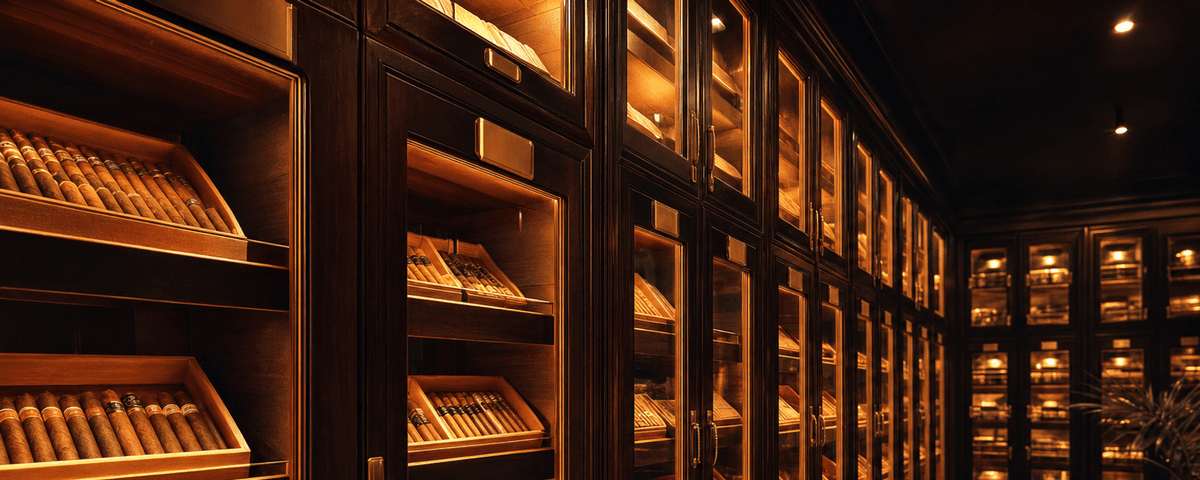
33 座 24 小時恆溫恆濕醇化室
W Cigar Bar 提供的會員醇化空間 · 場地資訊請洽編輯部
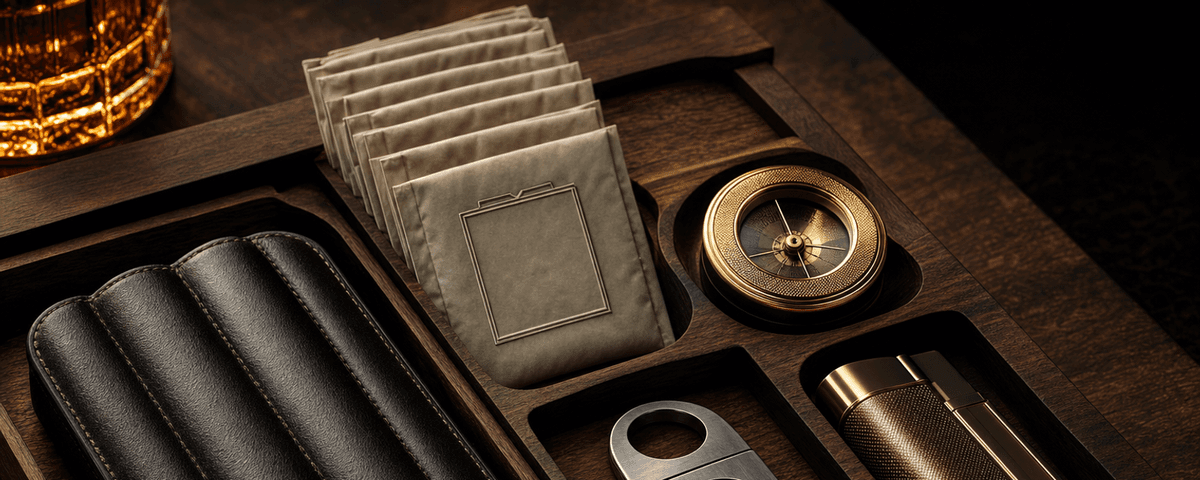
雪茄剪 / 打火機 / 雪茄盒 / Boveda
W Cigar 配件官網 · 專營雪茄配件正品
加 LINE 好友 · 文化諮詢
文化空間資訊 · 紳士沙龍 · 私人包場
本網站內容僅供雪茄文化、歷史、收藏與品吸知識研究參考。菸品有害健康、未滿法定年齡者請勿吸菸。實際規範請依所在地法律為準。
吸菸有害健康・戒菸專線 0800-636363・本站僅供 20 歲以上成年人閱覽。
讀到這裡,你不只是路過的人
留下 Email,加入 W 雪茄聖經內圈——總編輯 Wilson Tsai 親選的學院深文與國際新訊,先你一步送到信箱。
· 教育用途非銷售 · 隨時一鍵退訂 · Email 絕不對外公開 · 由勝茄股份有限公司營運
同分類延伸閱讀
資料來源:W Cigar Bible 編輯部整理 · 雪茄王子 Wilson Tsai 親自審稿
本文僅供雪茄文化、歷史、收藏與品鑑知識研究,不作為菸品促銷、銷售或購買建議。吸菸有害健康,未滿二十歲不得吸菸。