如何選擇最佳雪茄:從風味到品牌的全方位指南
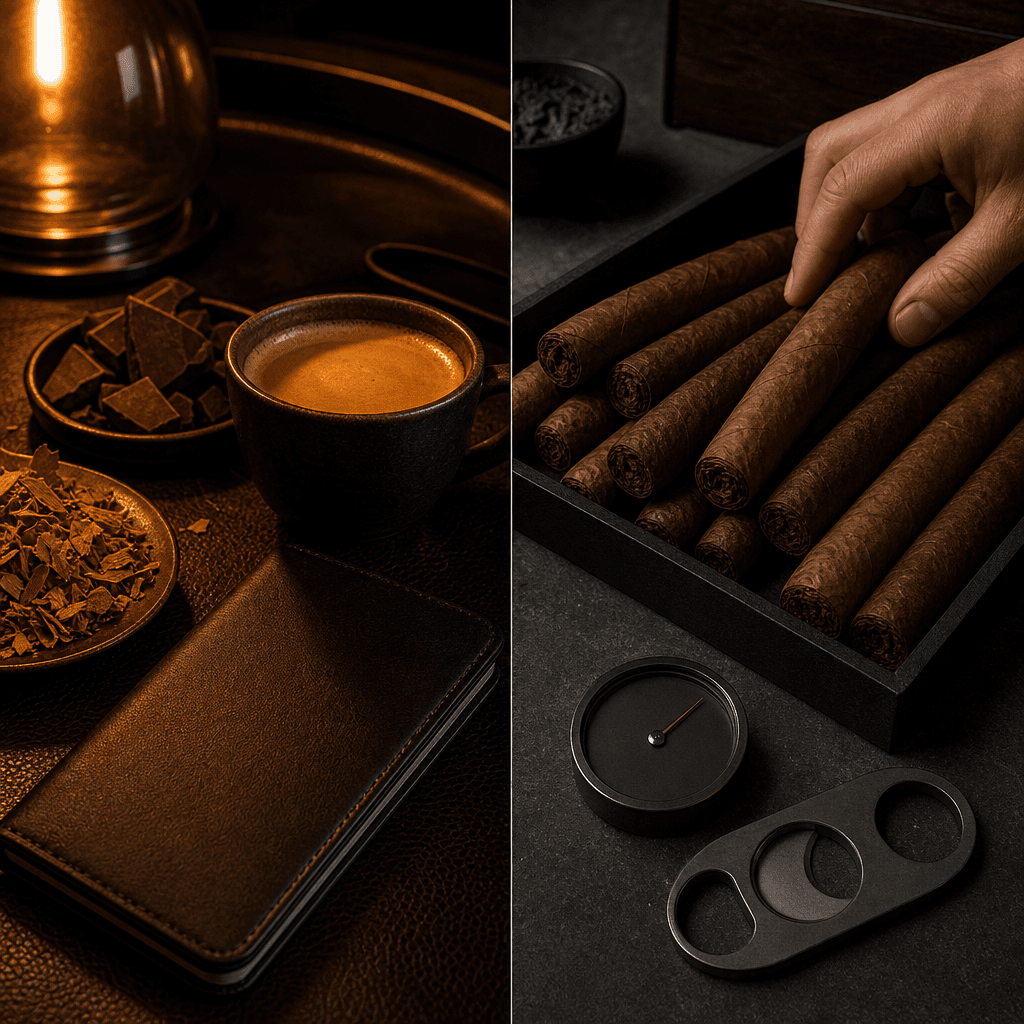
雪茄的選擇不僅依賴品牌或價格,而是基於個人口味與吸食習慣。了解自己的風味偏好,如咖啡、可可或木質,能幫助選擇合適的雪茄。外觀、手感和香氣是判斷雪茄品質的重要指標,應注意茄衣的完整度和彈性。尺寸影響燃燒速度和風味集中度,選擇時需考量吸食時間。產地特性提供風味線索,古巴、多明尼加和尼加拉瓜各有獨特風格。建立品牌與系列的風格地圖,能更精確地找到適合自己的雪茄。
- 選擇雪茄時,應根據個人風味偏好和當天狀態來定義「最佳」雪茄。
- 外觀與手感是判斷雪茄狀態的重要指標,應注意完整度與彈性。
- 尺寸影響燃燒速度與風味集中度,選擇前應考量可用時間。
How to Choose the Best Cigar: A Comprehensive Guide from Flavor to Brand
As the editor of the "Cigar Bible," I am often asked: "Which is the best cigar?" My answer is usually not a brand name, but a counter-question: Do you like coffee, cocoa, wood, pepper, or creamy roundness? How much time do you have? How strong of a nicotine sensation can you handle?
Choosing a cigar is not about guessing popularity or looking at price. If a beginner already understands the basics of tasting, the next step is to learn to connect flavor, size, origin, brand, and storage conditions to build their own judgment system.
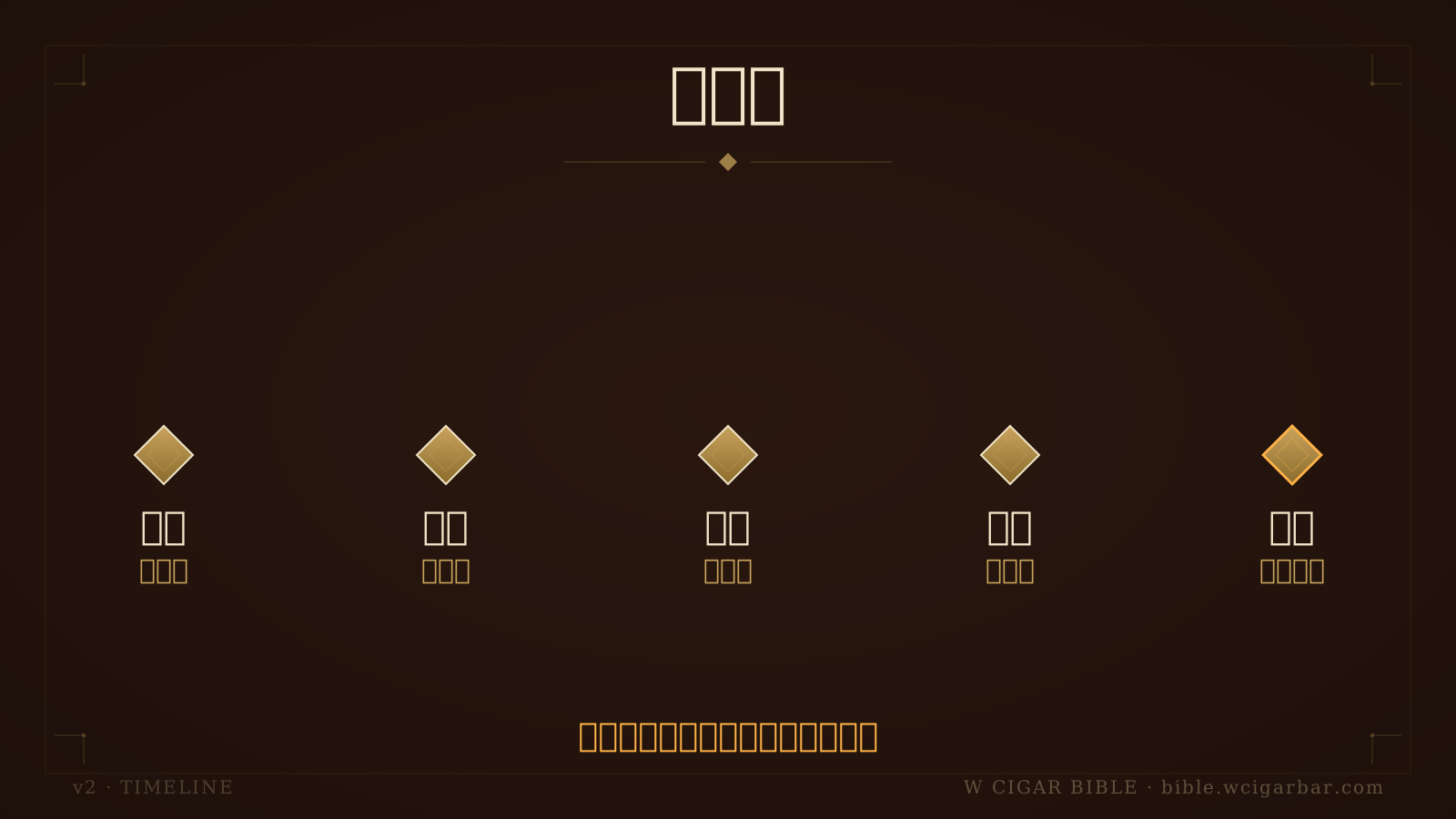
流程圖呈現從定風味到回看紀錄的五個選茄步驟
First Define "Best" as Your Flavor Coordinates
Most people remember the flavor profile first, not the brand. The Cuban Montecristo No.2 is often described as having cocoa, coffee, leather, and earthy notes; H. Upmann Magnum 46 leans towards woody, nutty, and mild spicy aromas. If you usually enjoy espresso and dark chocolate, you might accept a richer flavor; if you prefer lattes, almonds, and butter cookies, start with medium strength.
The best cigar is not the one others say is good, but the one that matches your flavor intensity, time length, and your state of mind on that day. I recommend recording flavors in three layers: whether the initial part has herbal or woody notes, whether the middle part transitions to cocoa, coffee, or nuts, and whether the final part shows pepper, leather, salty, or bitter notes. Recording ten cigars consecutively is more effective than blindly chasing popular ones.
For example, the Cohiba Behike series launched in 2010 has rich layers due to the use of medio tiempo leaves, but that doesn't mean every beginner can enjoy its strength. Conversely, the sweet woody, floral, and smoother taste of the Romeo y Julieta Wide Churchill often makes it easier for people to understand the word "balance." Don't rush to challenge the strongest flavors when choosing; first establish your flavor coordinates.
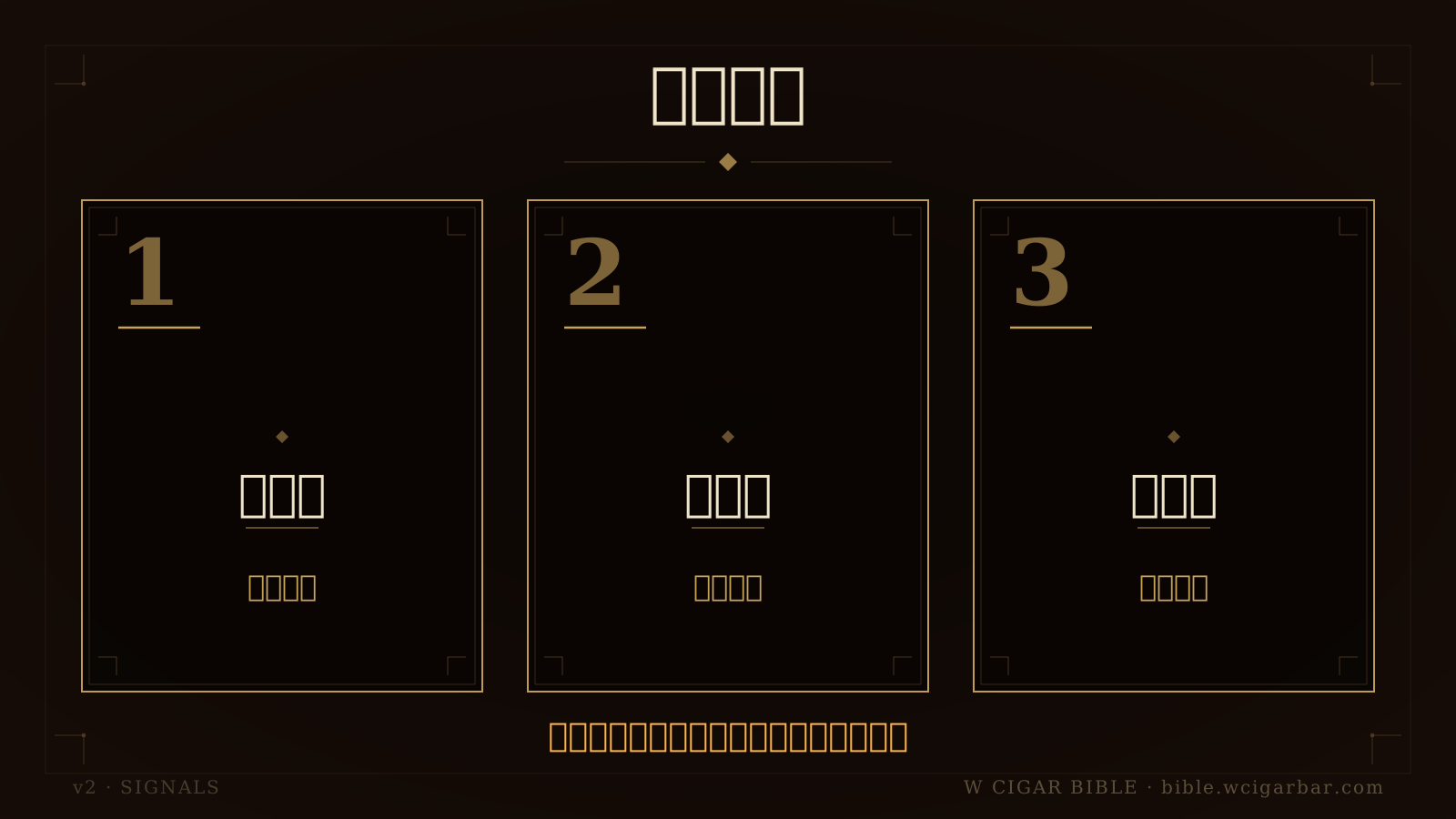
三張卡片列出風味時間與狀態作為選茄核心判斷
Appearance and Feel: From Wrapper, Filler to Burn Prediction
Appearance is not for showing off but the first clue to judge the condition. The wrapper should have a natural sheen, and there's no need to pursue a completely blemish-free look; natural tobacco leaves have color variations. What really matters are cracks, glue detachment, obvious dryness, or localized mold. For Cuban cigars, the color within the same box is usually sorted, but handmade products will still have slight differences, which is a characteristic of long-filler cigars.
Look at "completeness" for appearance, feel for "elasticity," and smell for "cleanliness." When lightly squeezing a cigar, the ideal state should have a bit of rebound; too hard might mean it's overfilled or too humid, too soft might mean underfilled or poorly stored. If you can see the long-filler texture at the foot and there's no loose cracking, it usually means the basic structure is more stable.
In one case, I saw a box of Partagás Serie D No.4 from 2019 with a slightly darker color but even feel and stable burn line; I've also encountered cigars with beautiful appearances but heavy draw resistance due to long-term humidity over 75%. Don't just trust the first glance when judging; consider appearance, feel, cold aroma, and source information together to avoid being misled by a pretty wrapper.
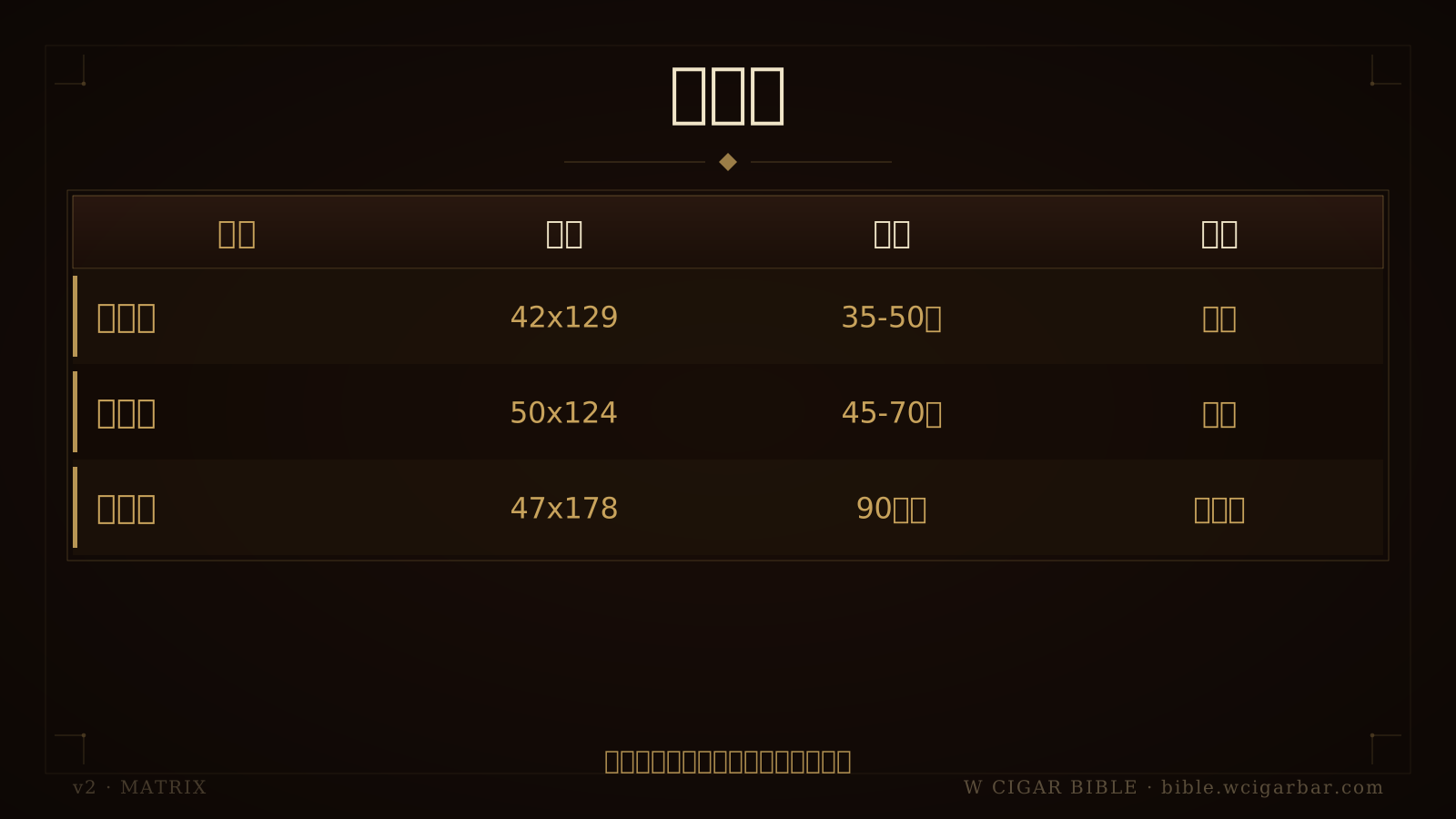
矩陣比較小皇冠羅布圖與邱吉爾的規格時間和口感
Size and Time: How Ring Gauge and Length Change the Experience
Size affects burn rate, smoke volume, temperature, and flavor concentration. A Robusto is usually about a 50 ring gauge, 124 mm, and takes 45 to 70 minutes; a Churchill is about a 47 ring gauge, 178 mm, and often requires over 90 minutes. A larger ring gauge doesn't necessarily mean stronger, but the smoke temperature is lower and the palate is broader; slender sizes are more likely to present concentrated and linear changes.
Before choosing a size, ask yourself how much complete time you have, not which size is most famous. If you only have 40 minutes, choosing a Double Corona will often feel rushed; if you have two hours, a short size might leave you wanting more. Below is a quick comparison of common sizes, although actual experiences will vary by brand, humidity, and personal pace.
| Size Type | Common Specs | Reference Time | Style Tendency | Example |
|---|---|---|---|---|
| Petit Corona | About 42 x 129mm | 35-50 minutes | Concentrated, Direct | Montecristo No.4 |
| Robusto | About 50 x 124mm | 45-70 minutes | Balanced, Full | Partagás Serie D No.4 |
| Toro | About 50-54 x 150mm | 70-90 minutes | Broader Smoke Volume | Padrón 1964 Anniversary |
| Churchill | About 47 x 178mm | 90-120 minutes | Longer Transitions | Romeo y Julieta Churchill |
| Double Corona | About 49 x 194mm | Over 120 minutes | Layered Development | Hoyo de Monterrey Double Coronas |
I often recommend advanced beginners use Robusto as a comparison benchmark because time, burn, and flavor performance are relatively easy to grasp. Then extend to Petit Corona or Churchill, and you'll better understand how length and ring gauge affect sweetness, spiciness, and final strength.
Regional Characteristics: Cuba, Dominican Republic, Nicaragua, Honduras
Origin is not an absolute formula but can provide effective clues. Cuban cigars often have earthy, leather, woody, cocoa, and mineral notes, with brands like Cohiba, Partagás, and Bolívar each having different intensities; the Dominican Republic often features creamy, nutty, vanilla, hay, and elegant sweetness, with Davidoff being known for balance and finesse since establishing its modern brand image in 1968.
Origin is a map, not a verdict; differences within brands and series from the same country can be greater than between countries. Nicaraguan cigars have rapidly risen in the past twenty years, with regions like Estelí, Jalapa, and Condega offering pepper, cocoa, dark fruit, and robust flavors, with Padrón 1964 Anniversary and Oliva Serie V being typical references.
Honduras often has woody, spicy, and wilder herbal tones, with Camacho being the entry point for many to understand Honduran style. If you prefer smooth and delicate, start with the Dominican Republic or milder Cuban brands; if you like espresso, black pepper, and strong finishes, explore Nicaragua. The key to choosing an origin is evaluating flavor preference and body tolerance together.
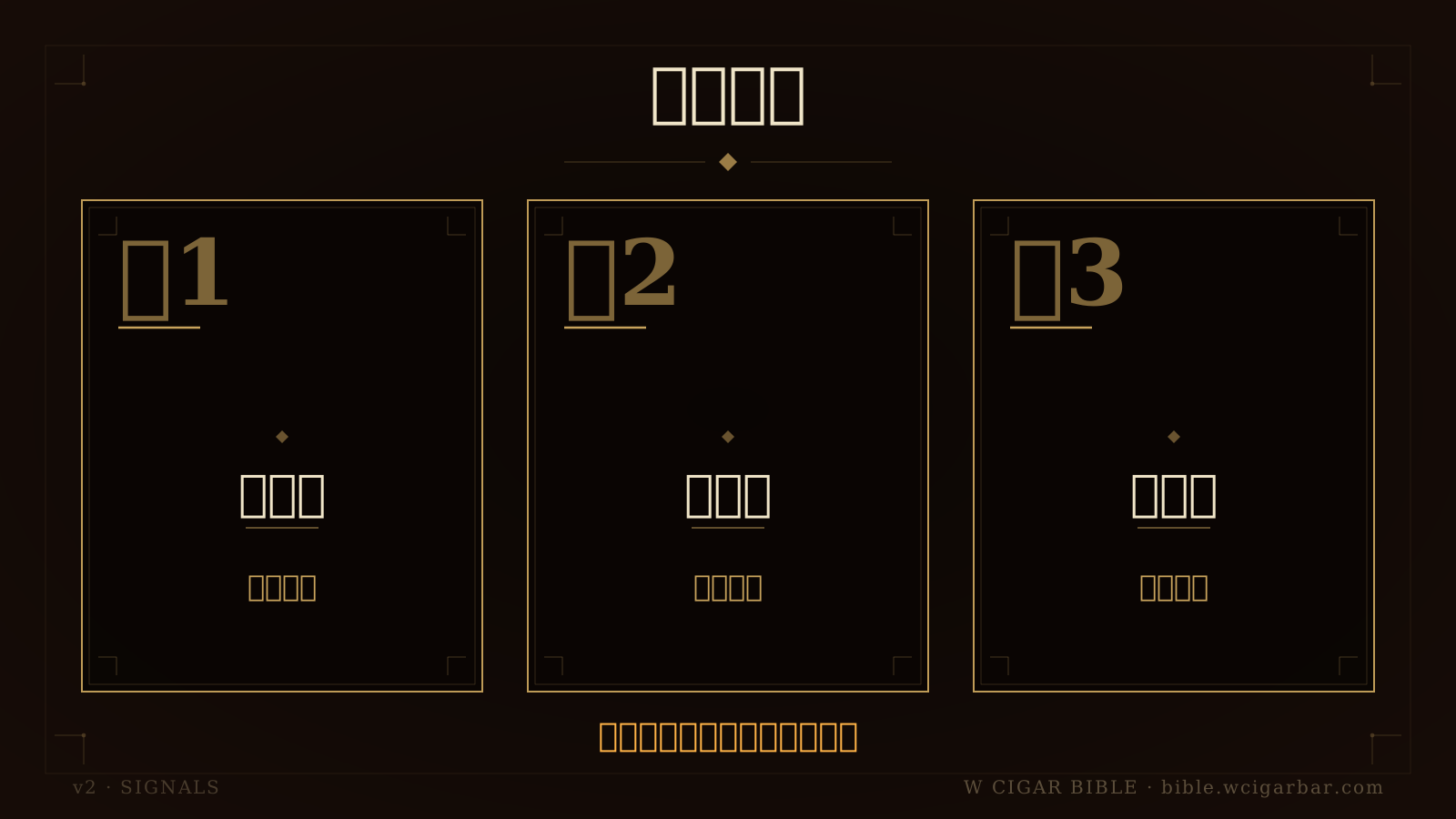
三張提醒卡指出看分數空腹挑戰與只看外觀的誤解
Brand and Series: Narrowing Choices with a Style Map
Brand history can help you understand style context. Partagás, founded in 1845, often gives an impression of richness, earthiness, spiciness, and clear structure; H. Upmann, traceable to 1844, has many series leaning towards woody, nutty, and mild sweetness; Romeo y Julieta, founded in 1875, is often remembered for floral, sweet woody notes and approachable balance.
Choose brand style first, then series and size, for more stability than just chasing a single high-score cigar. For example, within Cohiba, the sweetness, thickness, and final expression of Siglo VI and Maduro 5 Genios are different; within Davidoff, the Grand Cru, Aniversario, and Winston Churchill series each have their own rhythm. The brand name is just a starting point; the series is a more precise guide.
Non-Cuban brands are also worth establishing coordinates. The Arturo Fuente OpusX, introduced in 1995, proved that the Dominican Republic can also produce strong and complex wrappers and flavors; the Padrón 1926 Series is known for Nicaraguan tobacco and rich cocoa, coffee, and pepper. You can create a "like, acceptable, not suitable" list for yourself and review it after three months to clarify your preferences.
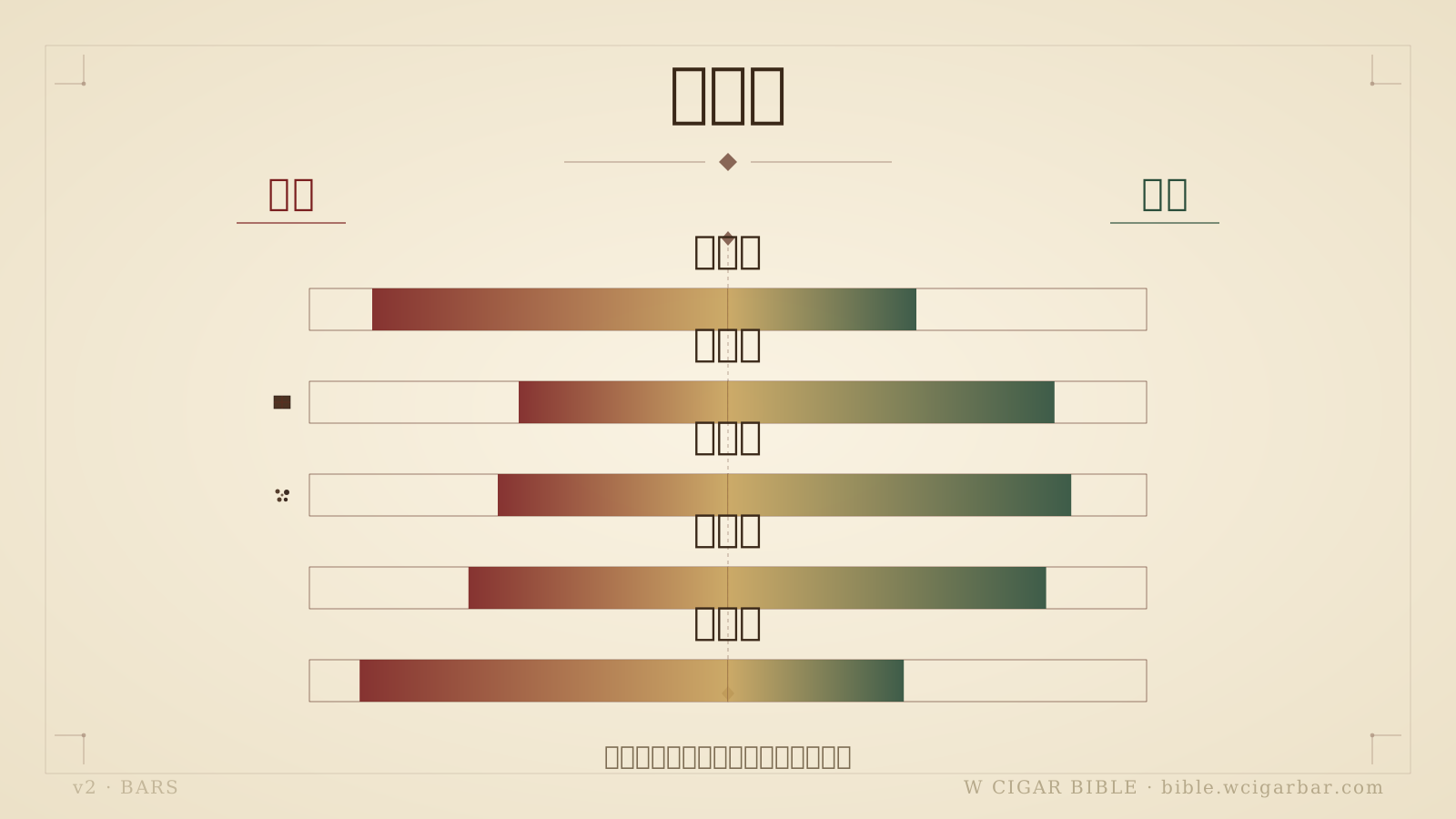
長條比較古巴與新世界雪茄在泥土甜感胡椒等風格差異
Storage, Aging, and Source: Understanding Risks Before Buying
No matter how good a cigar is, improper storage will diminish its quality. Most long-filler cigars are suitable for stable environments of about 65% to 70% relative humidity and 18 to 21°C; long-term high humidity can lead to uneven burning, heavy draw resistance, and amplified bitterness; if too dry, the wrapper may crack, and the aroma may thin. Stability in temperature and humidity is more important than a single day's perfect numbers.
When choosing cigars, the credibility of the source and storage records are as important as the brand name. Box codes, seals, tax labels, distributor information, and the store's storage environment are all worth noting. If Cuban cigars are involved, I pay special attention to supply chain and document consistency; as a PCC authorized dealer, I've seen too many cases where the appearance is similar but the source and storage are completely different.
Aging can soften some cigars' spiciness and blend aromas better, but not all cigars improve with age. The Habanos Edición Limitada series post-2000 is often discussed by collectors, but collectible value doesn't guarantee appreciation, still depending on source storage and market. If learning is the goal, first reserve two to three cigars from the same box, compare them after six months or a year, which is more meaningful than blindly hoarding.
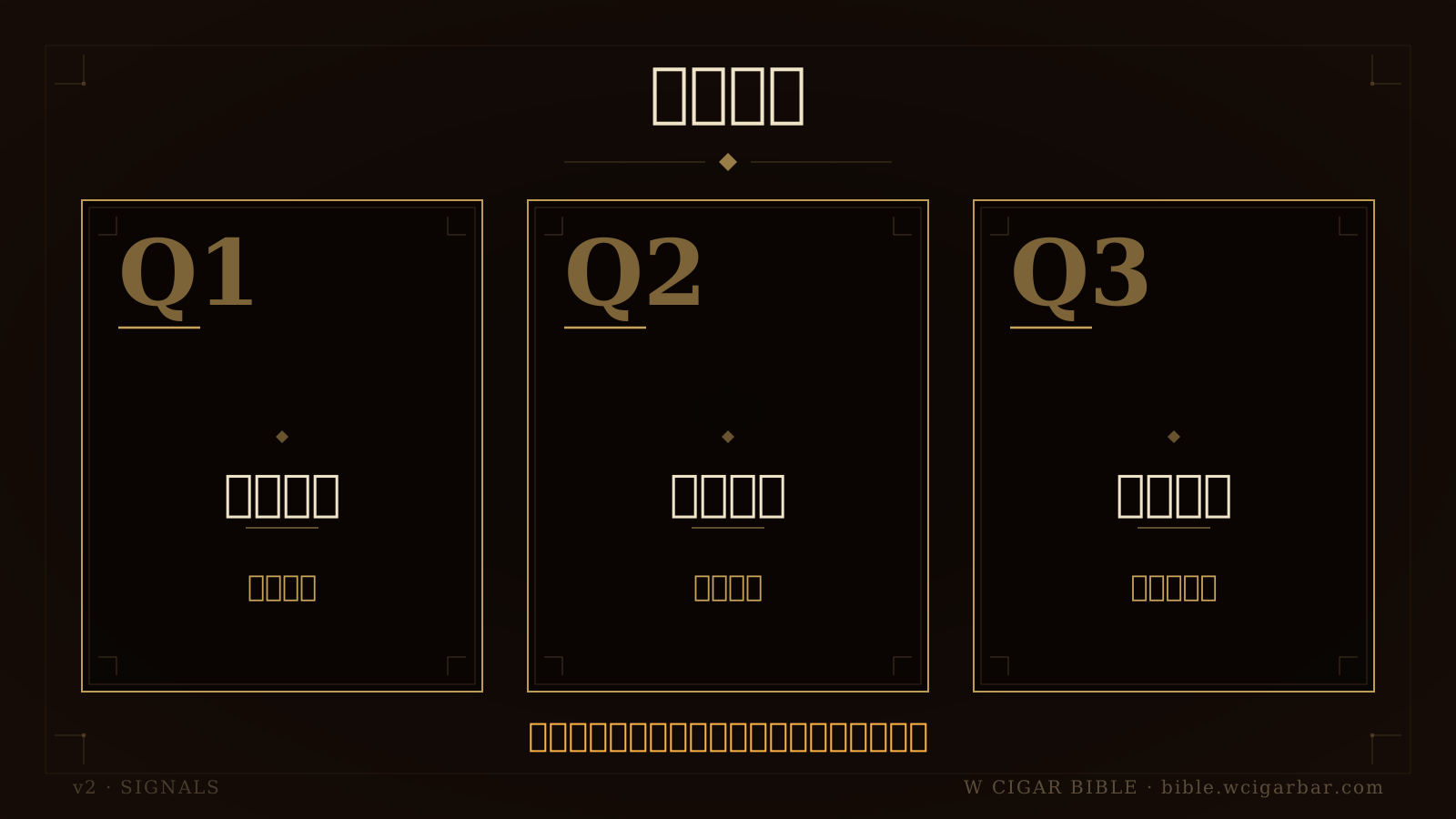
快問快答卡片整理強度分數與醇化時間三個實用問題
Etiquette and Recording: Making Each Tasting More Accurate
Choosing a cigar also includes choosing the occasion and etiquette. The cut should not be too deep; a straight cut usually removes about 1 to 2 mm of the cap; when lighting, avoid directly burning the wrapper with the flame for a long time, first toast the foot and then evenly light it. The recommended tasting rhythm is one puff every 45 to 60 seconds; too fast will increase the temperature, amplifying bitterness and spiciness, too slow may cause it to extinguish.
Those who truly progress are not those who have smoked the most brands, but those who can record each experience as comparable data. I suggest recording at least five items for each cigar: brand series, size, box code or year, storage humidity, and flavor in the initial, middle, and final parts. Scores can be left for last, as the most important thing initially is the ability to describe, not to give high or low scores.
In terms of etiquette, avoid affecting others in closed or inappropriate environments; also, don't light your cigar above someone else's or use your cigar to borrow a light. When exchanging with friends, saying "I feel coffee and woody notes" is more valuable than saying "this one is good." The charm of cigar culture lies not in the spectacle but in the details, patience, and mutual respect.
Frequently Asked Questions
The most common obstacle for advanced beginners is not a lack of brands, but unclear judgment standards. Here are some questions I often hear in courses and daily exchanges; you can use them as a checklist before choosing a cigar.
What Strength is Best for Advanced Beginners?
I recommend starting with medium strength, such as H. Upmann, Romeo y Julieta, or medium-style series from the Dominican Republic. If you're on an empty stomach, sleep-deprived, or drinking strong alcohol, the nicotine sensation will be more pronounced, and cigars you usually handle may become challenging.
Does a High-Scoring Cigar Suit Me Better?
Not necessarily. Scores reflect the judges' judgment under specific conditions but won't know your taste preferences, time arrangements, and body tolerance. High scores can be a reference, but don't let scores replace your own records.
Why Do Cigars from the Same Box Perform Differently?
Handmade long-filler cigars naturally have variations, and storage position, humidity, and filling density will affect burn and flavor. Differences within the same box are normal within reasonable ranges; if many have severe draw resistance, check storage conditions.
How to Choose Between New World Cigars and Cuban Cigars?
If you want to explore earthy, leather, woody, and traditional Cuban profiles, start with classic Cuban brands; if you like cocoa, pepper, sweet aromas, and more stable structures, New World brands are worth comparing. It's not about superiority, but different styles.
How Long Should Cigars Be Aged?
There's no fixed answer. Some cigars become more blended after six months to two years, while others are complete in a fresh state. If you want to observe aging, the most practical method is to record batches from the same box, don't just imagine flavors by year.
Choosing a cigar is about putting sensory training, brand knowledge, and life rhythm on the same table for consideration. My view is simple: respect your taste first, then respect the craftsmanship of cigars; learn to describe first, then pursue rarity. When you can clearly articulate what you like and dislike, the so-called "best cigar" is no longer mysterious but becomes a stable, clear, and memorable choice each time. —Cigar Prince Wilson Tsai
Smoking is harmful to health. Smoking is prohibited for those under twenty. Quitline: 0800-636363. This article is intended for adults over twenty as a reference for cigar culture, storage, and regulations, not as tobacco advertising, promotion, or purchase advice.
Like this article?Share with friends
Share this W Cigar Bible piece with friends who want to learn cigar culture, storage, and tasting.
想把這篇 化為實踐
雪茄聖經是知識;雪茄文化要在空間裡發生
W Cigar Bar 大安總店資訊
台北大安區 · 雪茄聖經總編輯 Wilson Tsai 主理的雪茄文化空間
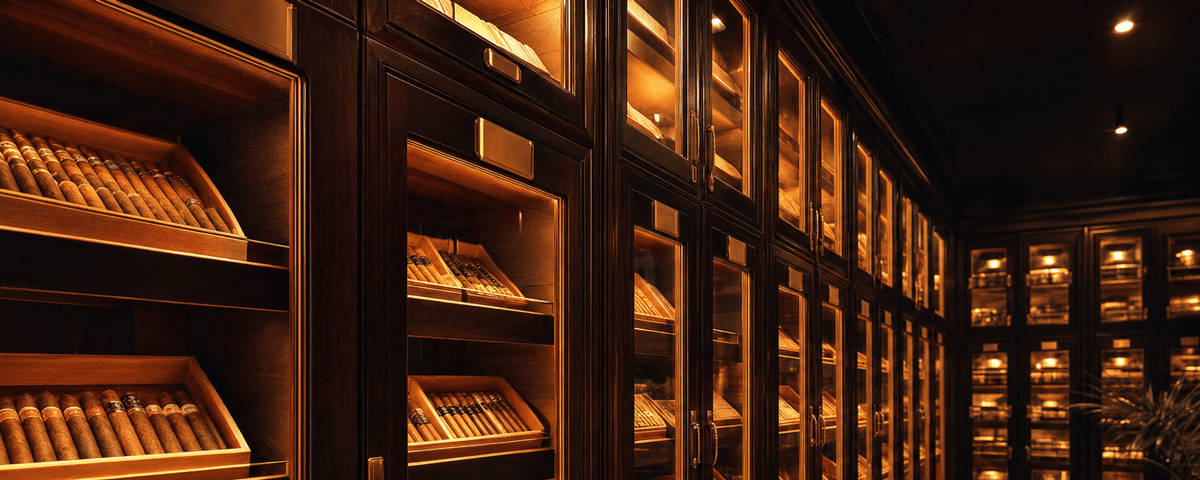
33 座 24 小時恆溫恆濕醇化室
W Cigar Bar 提供的會員醇化空間 · 場地資訊請洽編輯部
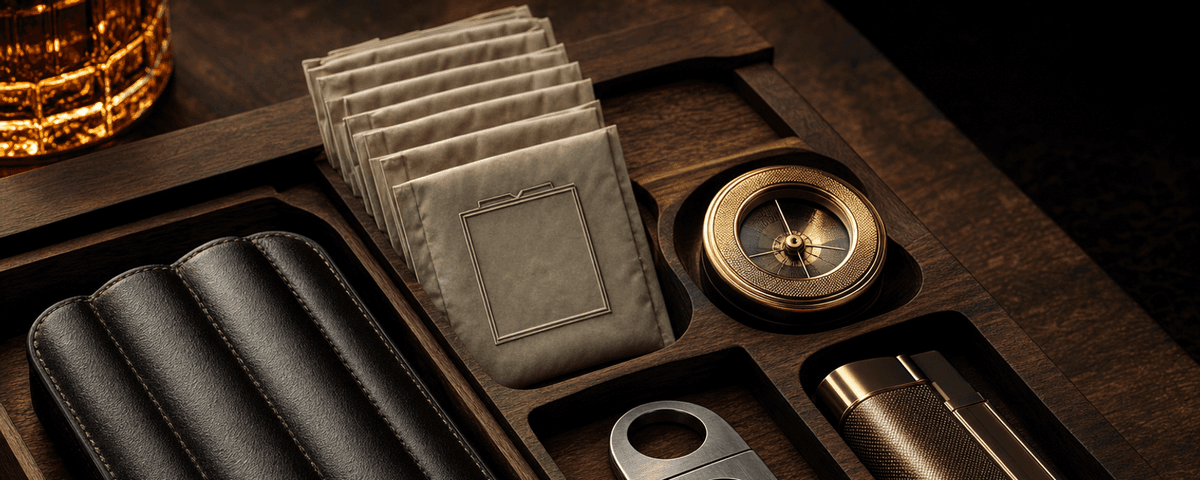
雪茄剪 / 打火機 / 雪茄盒 / Boveda
W Cigar 配件官網 · 專營雪茄配件正品
加 LINE 好友 · 文化諮詢
文化空間資訊 · 紳士沙龍 · 私人包場
本網站內容僅供雪茄文化、歷史、收藏與品吸知識研究參考。菸品有害健康、未滿法定年齡者請勿吸菸。實際規範請依所在地法律為準。
吸菸有害健康・戒菸專線 0800-636363・本站僅供 20 歲以上成年人閱覽。
讀到這裡,你不只是路過的人
留下 Email,加入 W 雪茄聖經內圈——總編輯 Wilson Tsai 親選的學院深文與國際新訊,先你一步送到信箱。
· 教育用途非銷售 · 隨時一鍵退訂 · Email 絕不對外公開 · 由勝茄股份有限公司營運
同分類延伸閱讀
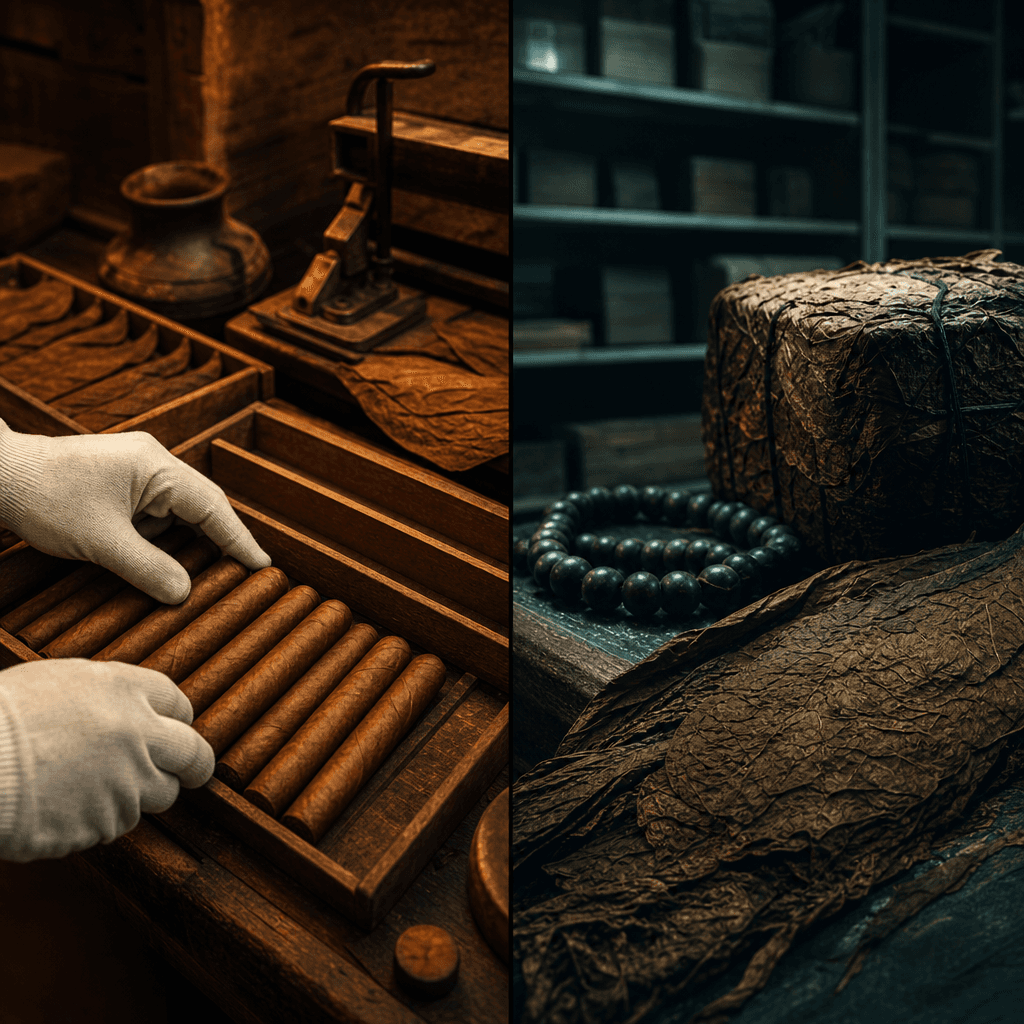

資料來源:W Cigar Bible 編輯部整理 · 雪茄王子 Wilson Tsai 親自審稿
本文僅供雪茄文化、歷史、收藏與品鑑知識研究,不作為菸品促銷、銷售或購買建議。吸菸有害健康,未滿二十歲不得吸菸。