Fidel Castro 與雪茄的複雜一生:從 Cohiba 密製到 1985 年戒菸宣言,古巴雪茄最矛盾的代言人
催生 Cohiba、出席百場外交場合後宣布戒菸,Castro 的雪茄人生是整個 20 世紀最矛盾的政治符號

Fidel Castro 既是 Cohiba 品牌的誕生推手,又在 1985 年戒菸成為古巴最積極的反菸倡導者,留下雪茄史上最偉大的政治矛盾遺產。
- Fidel Castro 在 14 歲時開始抽菸,雪茄成為他求學時代的日常夥伴。
- Cohiba 品牌源於 Castro 的私人捲煙師,最初僅作為外交禮物,後來才開始商業銷售。
- 1985 年,Castro 宣布戒菸,成為古巴反菸運動的象徵,並強調健康的重要性。
Fidel Castro and Cigars: A Complex Life, from the Secret Creation of Cohiba to the 1985 Declaration of Quitting Smoking, Cuban Cigars' Most Contradictory Spokesman
In the history of cigars, no name is more deeply contradictory than Fidel Castro. He was both the driving force behind the birth of Cohiba, the most treasured cigar brand on earth, and the political figure who publicly announced in 1985 that he had quit smoking, thereafter becoming Cuba's most active anti-smoking advocate. His cigar story is not merely a record of personal preference, but also an intersection of 20th-century political history, diplomatic history, and brand-building history.
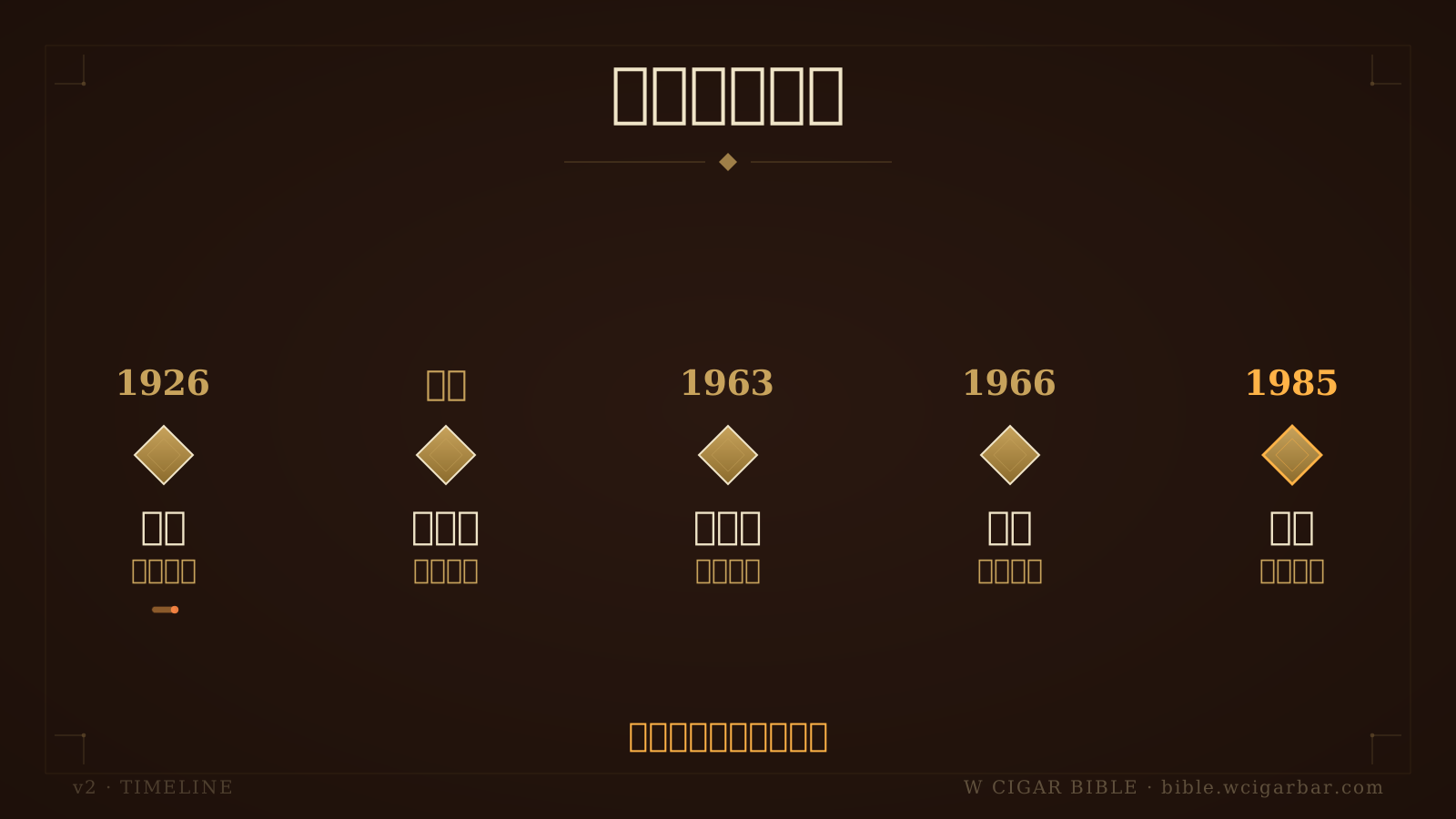
以一九二六出生到一九八五戒菸宣言五個年代節點呈現 Fidel Castro 雪茄人物史的時間線圖
I. From an Eastern Farm to the Havana Revolution: The Formation of a Young Smoker
On August 13, 1926, Fidel Alejandro Castro Ruz was born in Birán, Holguín, in eastern Cuba. His father, Ángel Castro, was a sugarcane plantation owner from Galicia, Spain. Growing up on a large agricultural island, tobacco culture was never unfamiliar to him.
He later said that he began smoking at around the age of 14 or 15, and tobacco became a daily companion during his school years. While studying law at the University of Havana, the young Castro was already a habitual cigar smoker. From the 1953 attack on the Moncada barracks, his years in prison, the 1956 landing of the "Granma", and up to the success of the revolution in 1959, the cigar remained one of the most distinctive symbols in Castro's public image.
The cigar captured by photographers conveyed messages of power, composure, and uncompromising resolve more directly than any political declaration.
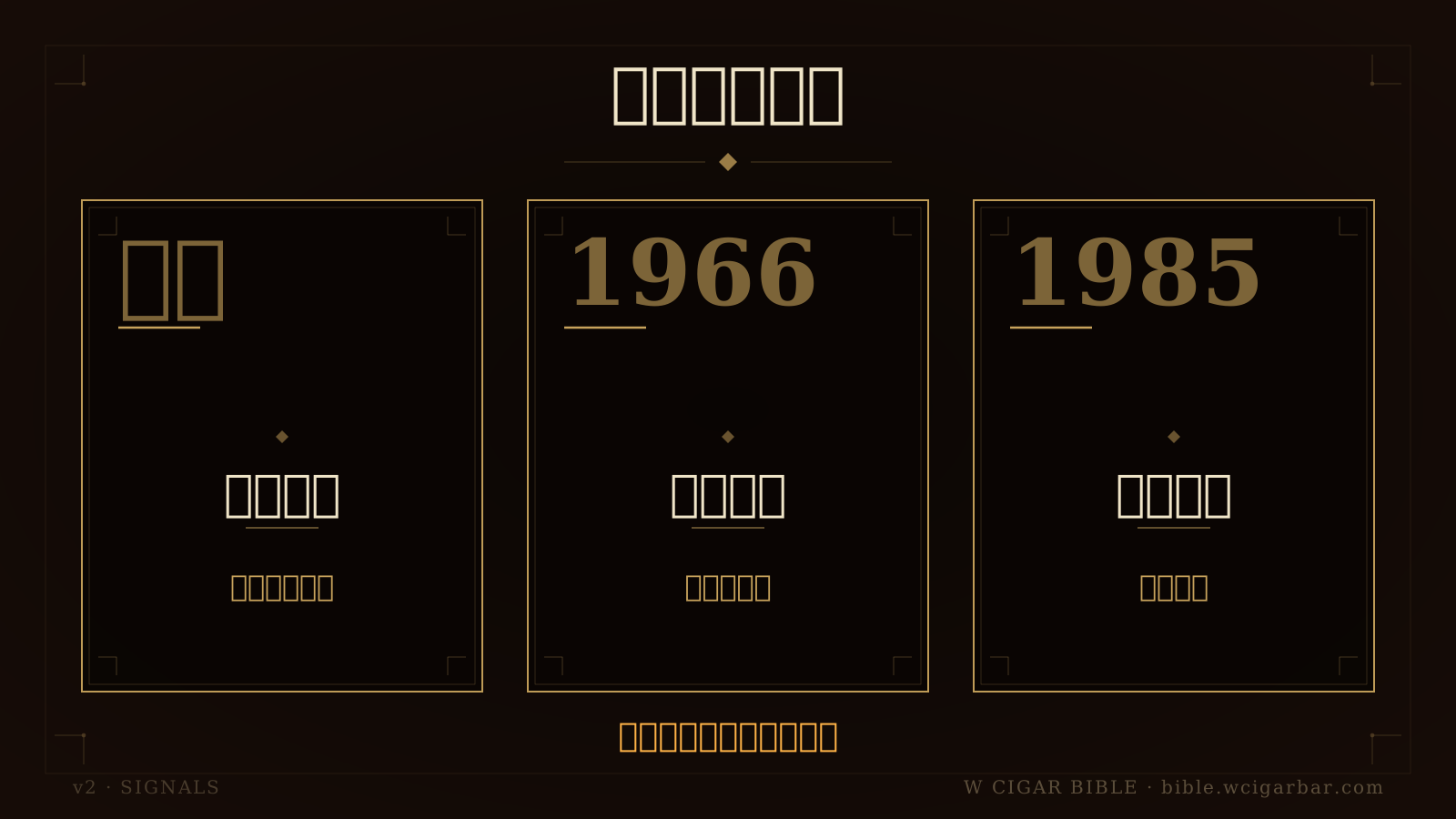
以三張卡片呈現 Cohiba 由保鑣私菸觸發、一九六六設廠與一九八五公開戒菸三個人物史關鍵的核心結論圖
II. The Secret Behind Cohiba: A Bodyguard's Private Cigar Unexpectedly Triggered a Brand Legend
For most of his life, Castro mainly smoked the H. Upmann brand, especially the long, slim Lancero vitola.
In 1963, an accidental moment changed the history of Cuban cigars. Castro's chief bodyguard, Bienvenido Pérez, nicknamed "Chicho", lit a privately brought cigar while on duty. Its rich aroma caught Castro's attention. He asked what it was, and Chicho replied that it was a fuma, or factory private cigar, rolled by his friend Eduardo Rivera Irizarri. Castro tried it immediately, and after finishing it, became convinced that this cigar was extraordinary.
Rivera Irizarri subsequently became Castro's personal cigar roller, rolling cigars specifically for him and for diplomatic circles. In 1966, Castro decided to formalize this secret brand and established the El Laguito factory, located in a French colonial villa in the suburbs of Havana and named after the small lake, laguito, in its courtyard. The brand was named "Cohiba", taken from the language of the Taino Indigenous people, meaning a bundle of tobacco leaves used ritually for smoking.
In its early period, El Laguito was operated entirely by female cigar rollers, and the factory's address was a state secret. Cohiba cigars were not sold to the public. They were used only as gifts from Castro to heads of state, diplomatic envoys, and official guests, becoming the most refined vehicle of Cuban soft power. It was not until 1982 that Cohiba began small-scale commercial sales, later opening gradually to the global market.

比較 Castro 每天百支媒體神話與每天十餘支較可信說法在數量與可信度差異的資訊表
III. Castro's Smoking Habits: Media Myth and Reality
The most widely circulated claim says that Castro smoked as many as 100 cigars a day, which is almost certainly an exaggeration. A figure more consistent with records is an estimated 10-12 cigars per day, mainly Cohiba Lancero (Laguito No.1, 7½" × 38).
Castro's cigars at diplomatic occasions almost became a form of political performance: the wisp of smoke in photographs from his 1979 speech at the United Nations General Assembly, the Cohiba he casually lit when meeting Soviet leader Brezhnev, and the body language with which he used the cigar in his hand as a rhythmic prop at press conferences. These images systematically constructed the "cigar aesthetics of a revolutionary leader" and influenced later generations' overall imagination of Cuban political culture.
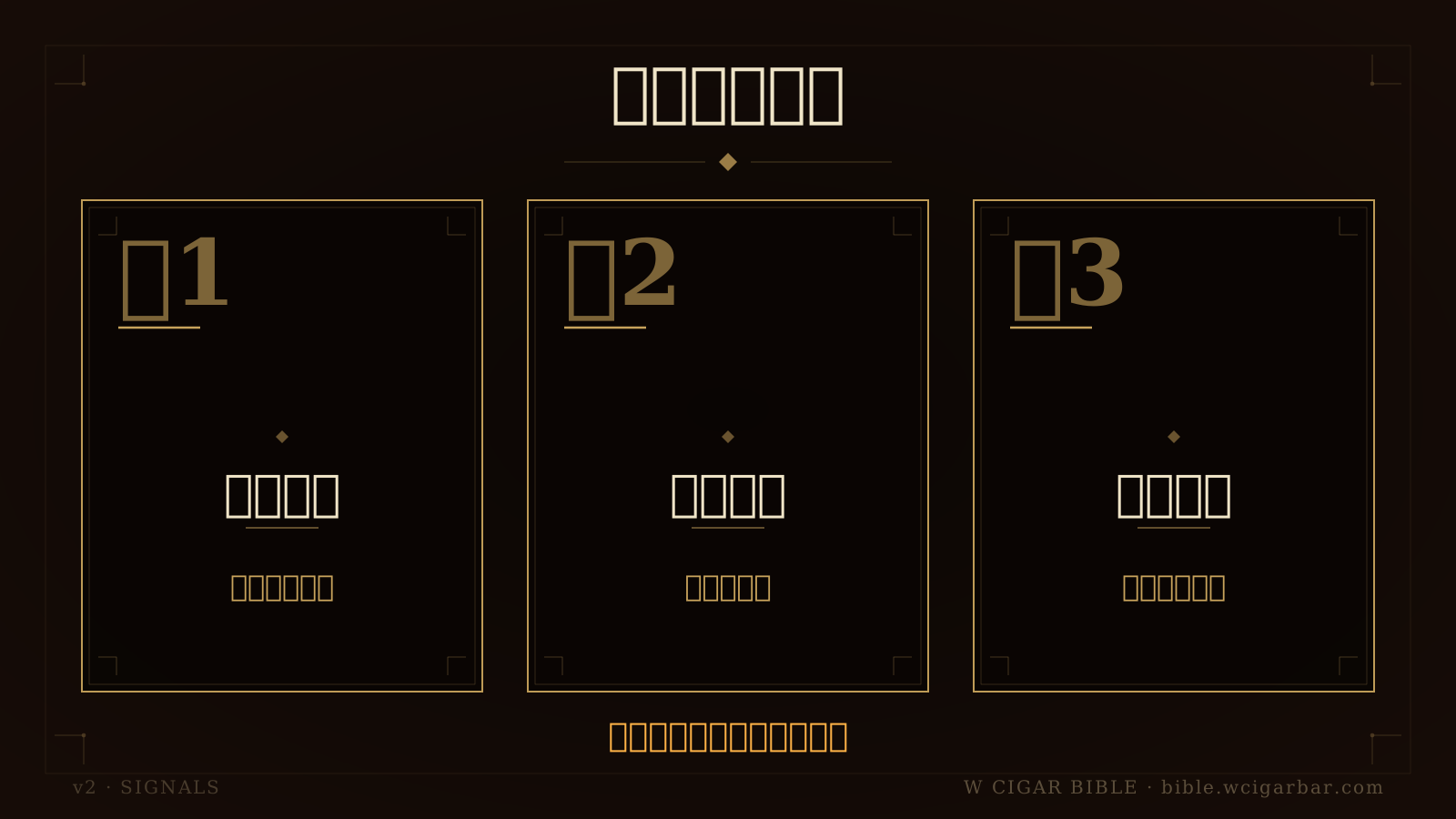
整理 Fidel Castro 雪茄人物史三個常見誤解與對應正確觀念的提醒圖
IV. August 26, 1985: The Most Dramatic Extinguishing
On August 26, 1985, Castro announced at a public event that he had quit smoking. He was 58 years old at the time.
His explanation was: "To promote an anti-smoking campaign, leaders must set an example." That same year, Cuba launched a nationwide anti-smoking health campaign, and Castro's declaration of quitting smoking served as its highest political endorsement. At the same time, medical-related reports indicated that health considerations were also part of his decision.
Later, in media interviews, Castro said that after quitting smoking he maintained better health, while still retaining conflicted feelings toward cigars: praising their cultural value, while warning of their impact on health. The widely circulated quote, "The best thing you can do for cigars is to give them up", is often cited, but its true source is difficult to verify fully and appears more like a later interpretation.
This turning point carries a profound historical irony: Cuba is the world's largest producer of premium handmade cigars, and a substantial proportion of its foreign-exchange income depends on cigar exports, yet the country's top leader became the most famous anti-smoking campaigner while still in office.
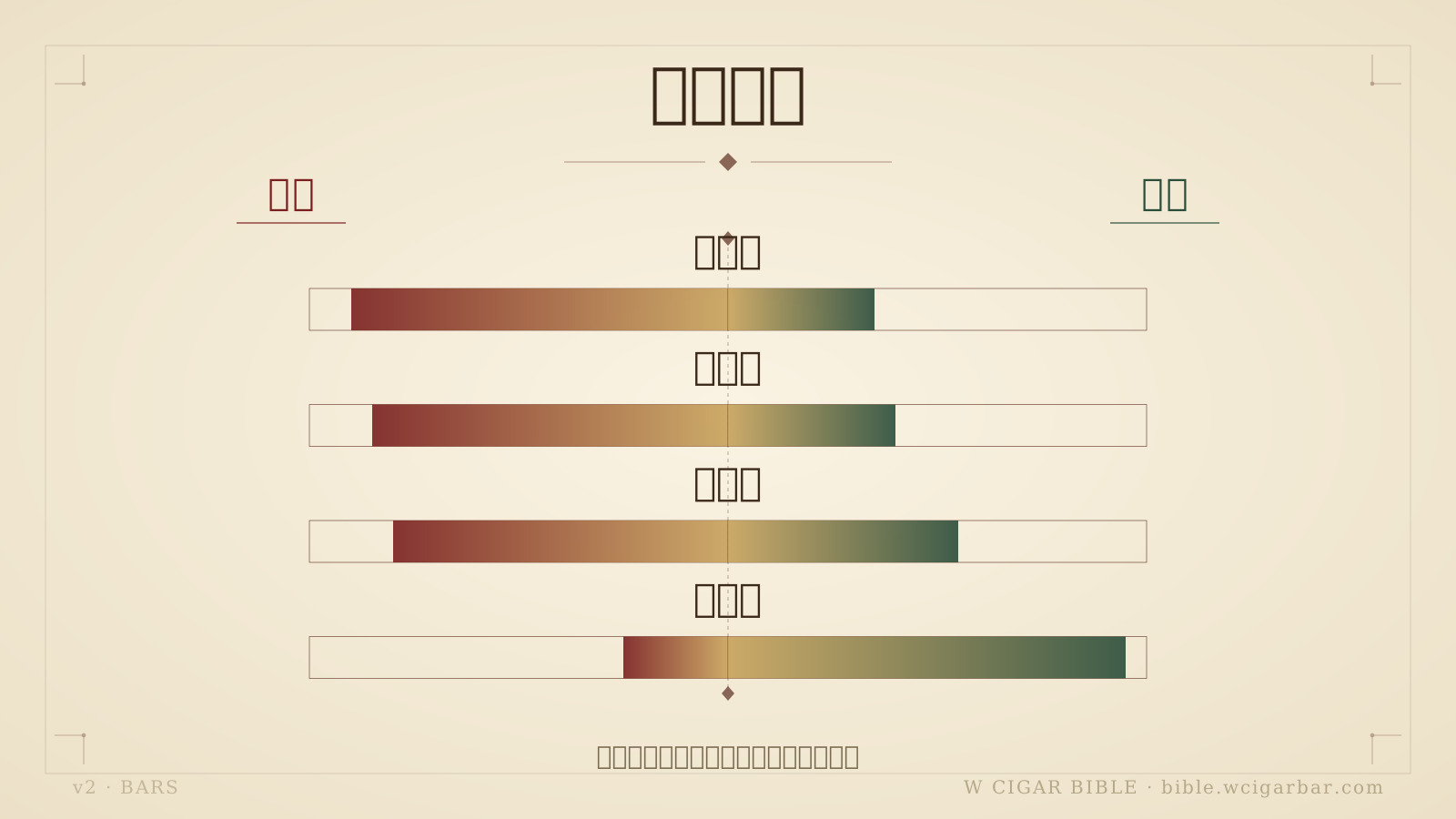
橫條圖對比雪茄象徵與健康警示的不同強度
V. Cohiba Today: The Commercial Empire After Castro
Castro passed away on November 25, 2016, at the age of 90. The Cohiba brand he left behind grew after him into the most recognizable premium cigar brand in the world:
- Cohiba Lancero (Laguito No.1): The brand's original vitola, and the closest to Castro's personal taste
- Cohiba BHK (Behike) series: Launched in 2010, containing the rare top leaf Medio Tiempo, produced in limited quantities, and regarded as a contemporary pinnacle
- Cohiba Siglo series (I-VI): Launched in 1992 to correspond with the 500th anniversary of Columbus's arrival in the Americas, and the brand's main commercial line
- Cohiba Maduro 5 series: A thick-leaf Maduro fermentation version, higher in strength, extending toward the contemporary high-strength market
- 2024 BHK 58 Edición Limitada: One of the most closely watched limited items in recent years
The El Laguito factory (code EL) remains Cohiba's exclusive production site to this day. In the global Cuban cigar market, Cohiba is simultaneously the most desired brand and the one most easily counterfeited. The number of fake Cohibas seized each year far exceeds that of any other Cuban brand.
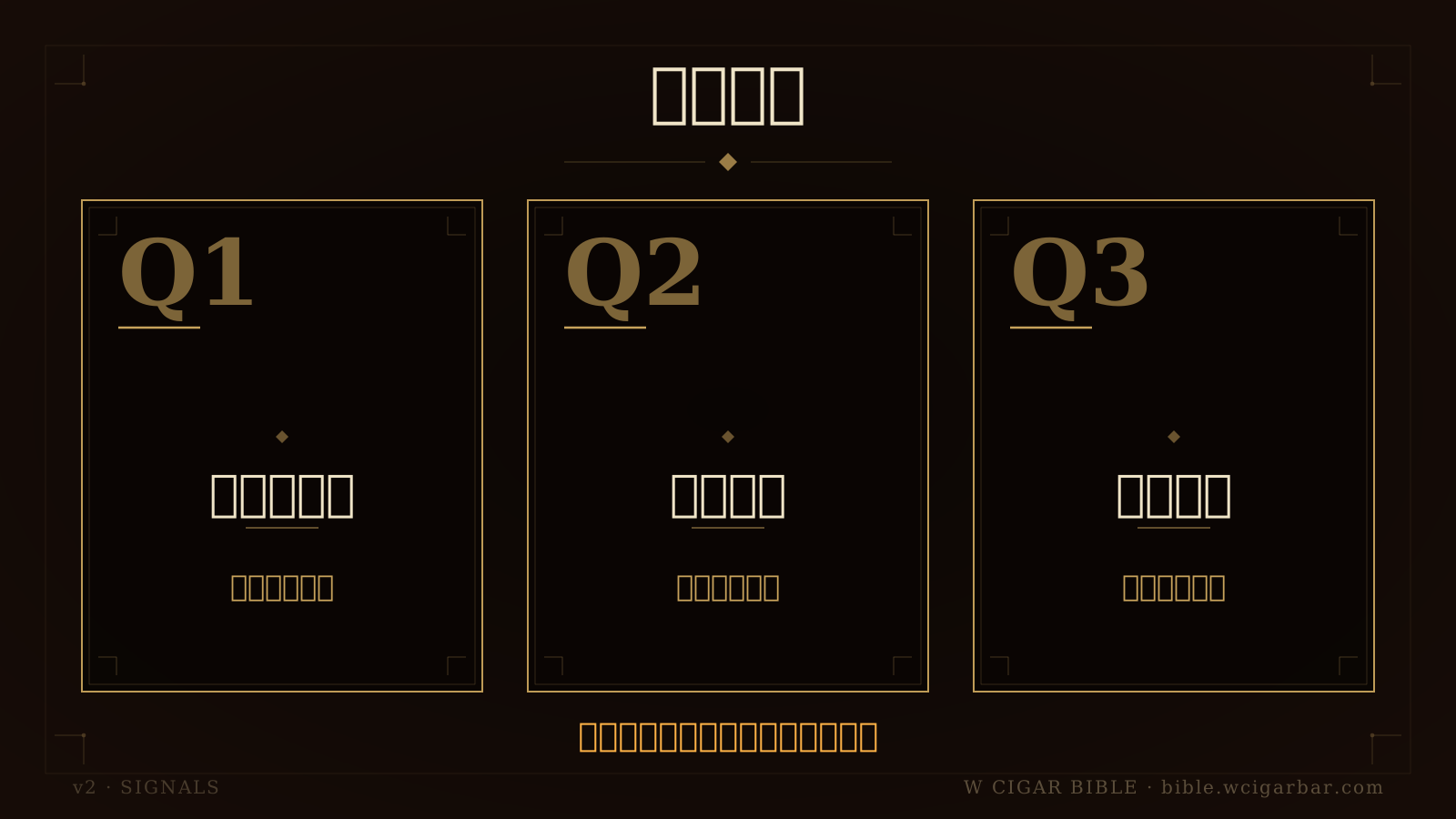
三張問答卡回答可希巴來源數量與戒菸原因
Conclusion: The Shared Fate of a Political Body and a Brand
The story of Fidel Castro and cigars cannot be summed up simply through the framework of "love" or "renunciation." He used cigars to construct the symbolic language of revolution, and then used quitting smoking to prove the supremacy of political will over everything else. He brought Cohiba into existence, and then, through his own actions, denied its meaning.
When appreciating a Cohiba Lancero at W Cigar Bar, what you hold in your hand is not only the craftsmanship of an El Laguito Torcedor, but also a complete political epic: the story of a complex figure who wrote revolution with cigars, then ended his own symbol by quitting smoking.
--
Source of supply: Cuban cigars from four major official channels (PCC authorized distributors, Cuban official state-run stores, Swiss general agent, Spanish general agent).
LUBINSKI accessories official website: https://cigarclub.tw/
Appreciation reservation: https://share.google/d9NIeFEetij9qWKj0
This site is for adults aged 20 and above only. Smoking is harmful to health. Smoking cessation hotline: 0800-636363.
W Cigar Bar Gentleman's Cigar Lounge, written and planned by Cigar Prince Wilson Tsai.
Like this article?Share with friends
Share this W Cigar Bible piece with friends who want to learn cigar culture, storage, and tasting.
想把這篇 化為實踐
雪茄聖經是知識;雪茄文化要在空間裡發生
W Cigar Bar 大安總店資訊
台北大安區 · 雪茄聖經總編輯 Wilson Tsai 主理的雪茄文化空間
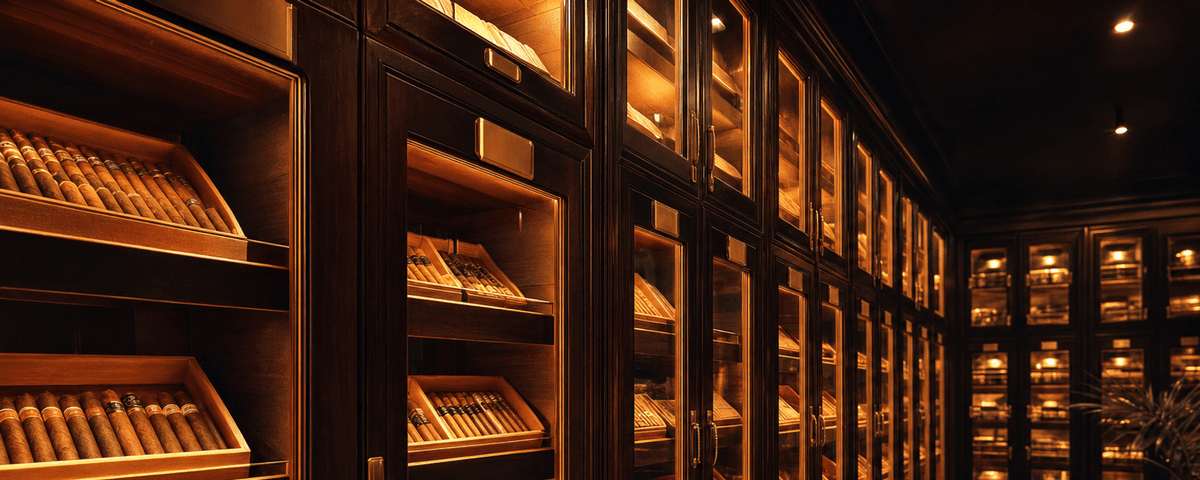
33 座 24 小時恆溫恆濕醇化室
W Cigar Bar 提供的會員醇化空間 · 場地資訊請洽編輯部
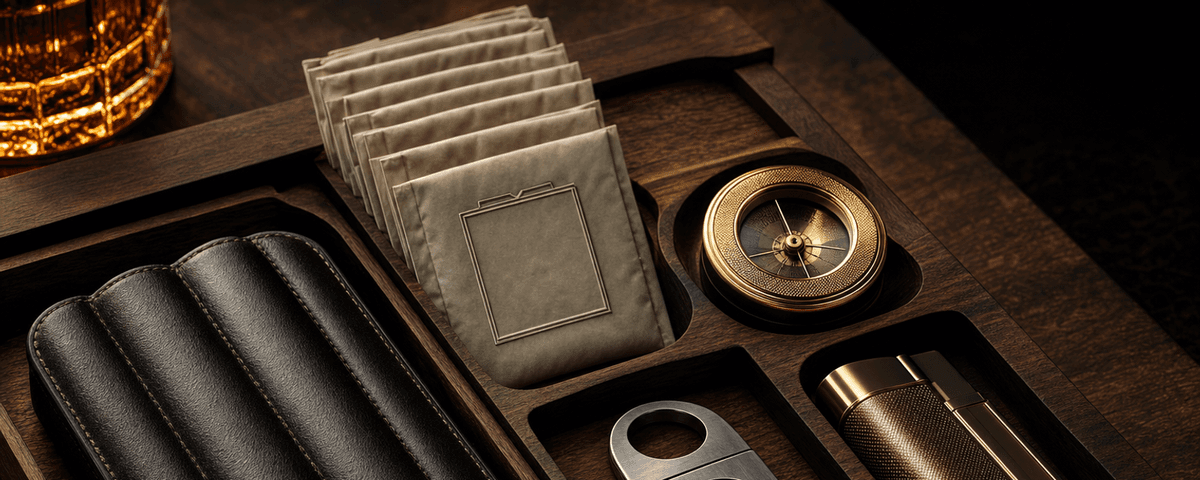
雪茄剪 / 打火機 / 雪茄盒 / Boveda
W Cigar 配件官網 · 專營雪茄配件正品
加 LINE 好友 · 文化諮詢
文化空間資訊 · 紳士沙龍 · 私人包場
本網站內容僅供雪茄文化、歷史、收藏與品吸知識研究參考。菸品有害健康、未滿法定年齡者請勿吸菸。實際規範請依所在地法律為準。
吸菸有害健康・戒菸專線 0800-636363・本站僅供 20 歲以上成年人閱覽。
影片來源:Habanos S.A. 官方 YouTube 頻道 · 教育性內容引用 · AI 智能配對
讀到這裡,你不只是路過的人
留下 Email,加入 W 雪茄聖經內圈——總編輯 Wilson Tsai 親選的學院深文與國際新訊,先你一步送到信箱。
· 教育用途非銷售 · 隨時一鍵退訂 · Email 絕不對外公開 · 由勝茄股份有限公司營運
同分類延伸閱讀


資料來源:W Cigar Bible 編輯部整理 · 雪茄王子 Wilson Tsai 親自審稿
本文僅供雪茄文化、歷史、收藏與品鑑知識研究,不作為菸品促銷、銷售或購買建議。吸菸有害健康,未滿二十歲不得吸菸。