探索雪茄的風味演變:如何隨著時間推移而改變的體驗
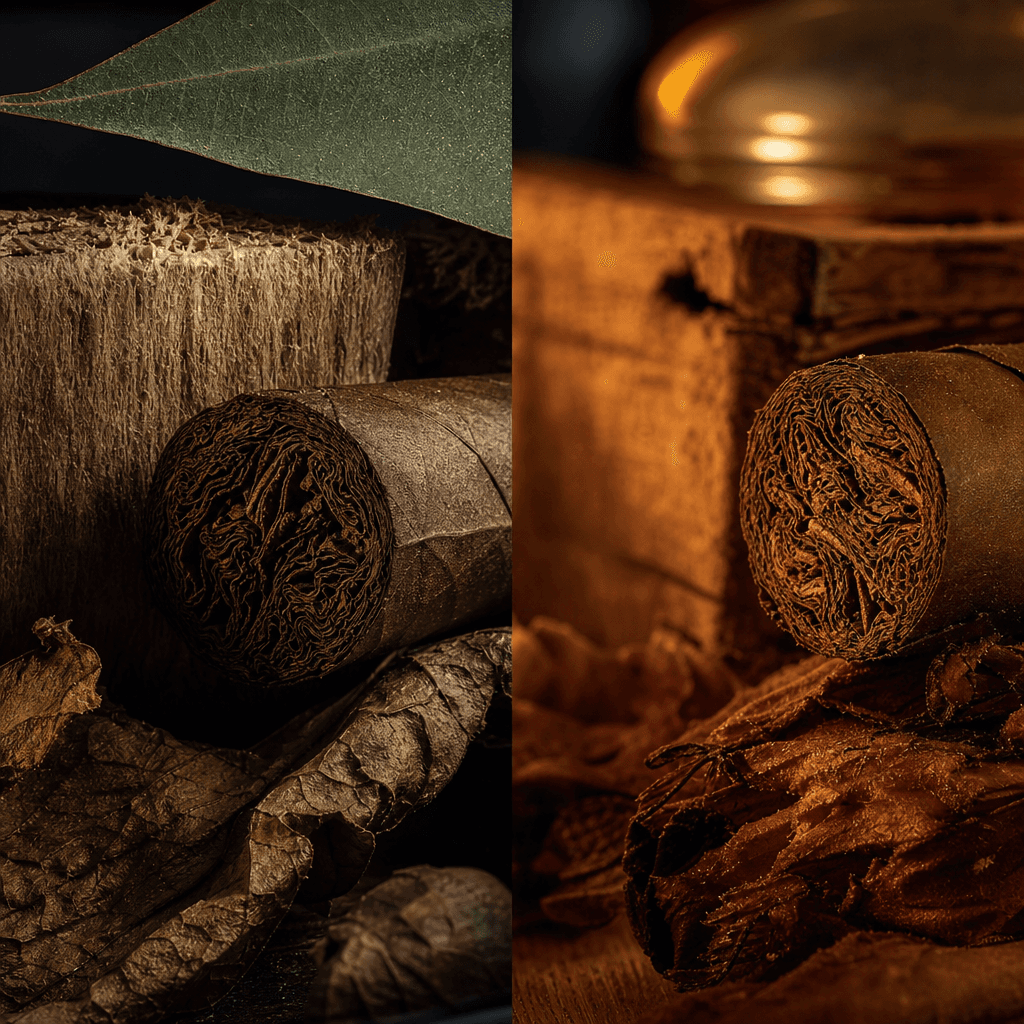
雪茄的醇化過程是其風味發展的關鍵,並非單純的時間堆疊。從工廠出廠後,雪茄內部的葉材會持續互動,影響其香氣與口感。醇化可分為四個階段,隨著時間推移,雪茄的風味會從青澀的辛香逐漸轉向平衡與沉靜的層次感。不同品牌和配方的雪茄在醇化過程中展現出獨特的個性,影響其最終的風味表現。此外,適當的保存條件(如穩定的濕度與溫度)對於雪茄的品質至關重要,確保其在最佳狀態下呈現。
- 雪茄的醇化過程會使風味重新整合,並非僅僅變得更強。
- 不同環徑的雪茄在醇化過程中變化速度不同,需根據葉材特性判斷。
- 保存條件的穩定性比追求完美數字更重要,應定期觀察而非頻繁翻動。
Exploring the Evolution of Cigar Flavors: How the Experience Changes Over Time
Time is the second most fascinating roller of cigars. The first completes the structure of the filler, binder, and wrapper in the factory; the second slowly rounds off the spiciness, sweetens the grassy notes, and layers the singular aroma in the box, cabinet, or cellar.
As the editor of the "Cigar Bible," I am often asked by seasoned customers: Why can the same cigar feel like two different personalities in 2014 and 2021? The answer lies not only in the year but also in the leaf material, factory batch, humidity, temperature, box pressure, and the rhythm when you light it.
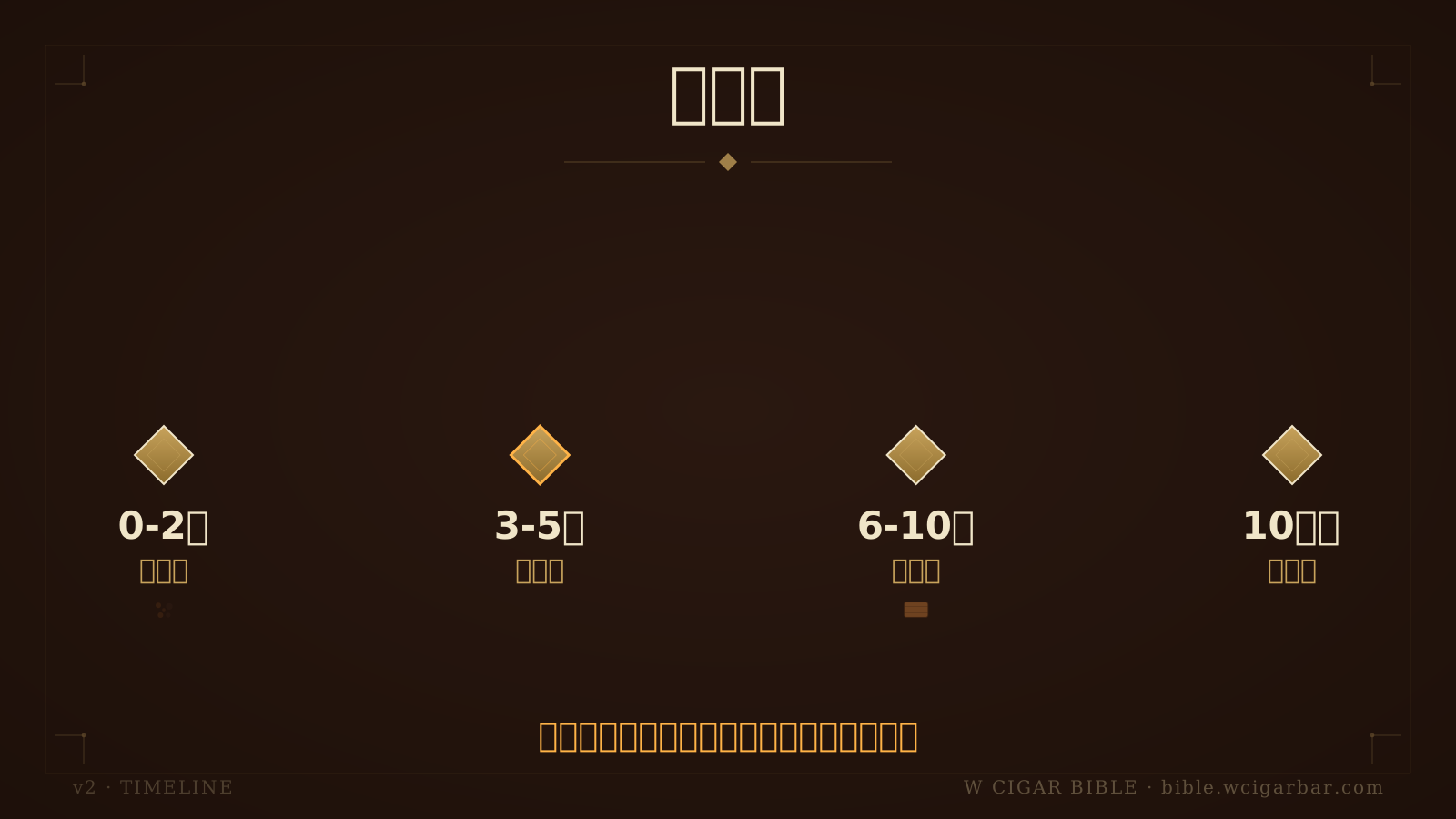
時間軸呈現零至二年到十年以上的風味變化
The Essence of Aging: Not Just "Storing Longer" but Reintegrating
Once cigars leave the factory, they are not static objects. The ligero, seco, and volado in the filler continue to interact slowly, with ammonia, grassy notes, and sharp spiciness gradually decreasing, while oils, wood, nuts, leather, cocoa, and spices may become clearer. For Cuban cigars, 6 to 18 months after boxing often still carry youthful tension; by the 3rd to 5th year, many styles enter a more understandable balance period.
Aging does not make cigars "stronger," but rearranges the originally scattered flavors into a more coherent curve. For example, Montecristo No.2 often has distinct coffee, cocoa, soil, and pepper when young; if stored stably, the pepper may recede after 5 years, and cream, toasted bread, and almond notes will become more prominent. This is not magic but the result of reduced volatile substances, stabilized humidity, and redistributed leaf oils.
However, not every cigar is suitable for long storage. Thin ring gauges like Panetelas and Lanceros, due to less leaf volume, usually change faster than ring gauges above 52; rich blends like Partagás Lusitanias and Bolívar Belicosos Finos often have longer evolution spaces. To judge whether a cigar can be stored for a long time, look at the original concentration, structural thickness, and storage stability, not just the brand reputation.
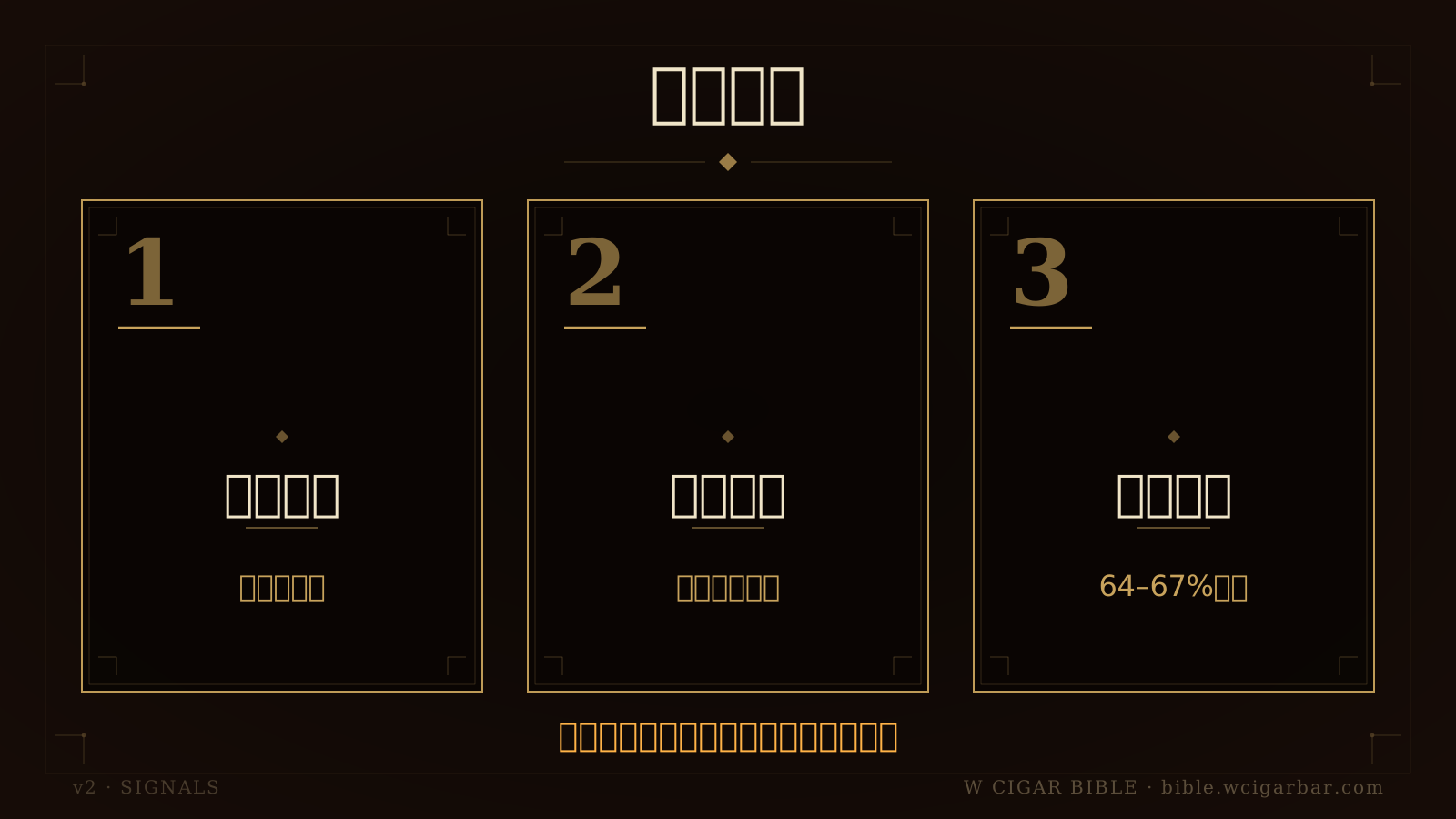
三張卡片整理醇化整合、三至八年與穩定保存
How Vintage Stages Affect Flavor: From Green, Balanced to Calm
I usually divide cigar aging into four stages: 0 to 2 years, 3 to 5 years, 6 to 10 years, and over 10 years. 0 to 2 years often exhibit lively, direct, and prominent spiciness, with the advantage of clear strength but the disadvantage of harder edges. 3 to 5 years is the most commonly used period for many high-end players because the structure is still there, the stimulation has been modified, and sweetness and woodiness begin to coordinate.
| Aging Time | Common Flavor Trend | Suitable Brand Examples | Possible Risks |
|---|---|---|---|
| 0–2 years | Herbal, pepper, coffee, sharper wood | H. Upmann Magnum 54, Romeo y Julieta Wide Churchills | Ammonia not retreated, unstable burning |
| 3–5 years | Cream, nuts, cocoa, sweet wood rising | Montecristo No.2, Cohiba Siglo II | If too dry, oil will be lost |
| 6–10 years | Leather, honey, aged wood box, tea notes | Partagás Serie D No.4, Hoyo de Monterrey Epicure No.2 | Poor storage can make it flat |
| Over 10 years | Agarwood, old books, dried fruits, gentle spices | Cohiba Espléndidos, Ramon Allones Specially Selected | Strength decreases, hollow end |
3 to 8 years is often the period where "layers" and "vitality" can coexist most easily. For example, a 2016 box code of Hoyo de Monterrey Epicure No.2, if stored at 18 to 20°C, relative humidity 65% to 68%, can often present cream, cedar, honey, and light floral notes by 2022 to 2024; opening it too early may just be smooth but not deep enough.
Over 10 years enters another language. The explosiveness of youth will diminish, replaced by details: dried orange peel, oolong tea, leather, old wood box, and slightly salty mineral notes. Such cigars should not be evaluated by "strength," but by whether the aftertaste is clean and whether there are still transitions in the front, middle, and back sections.
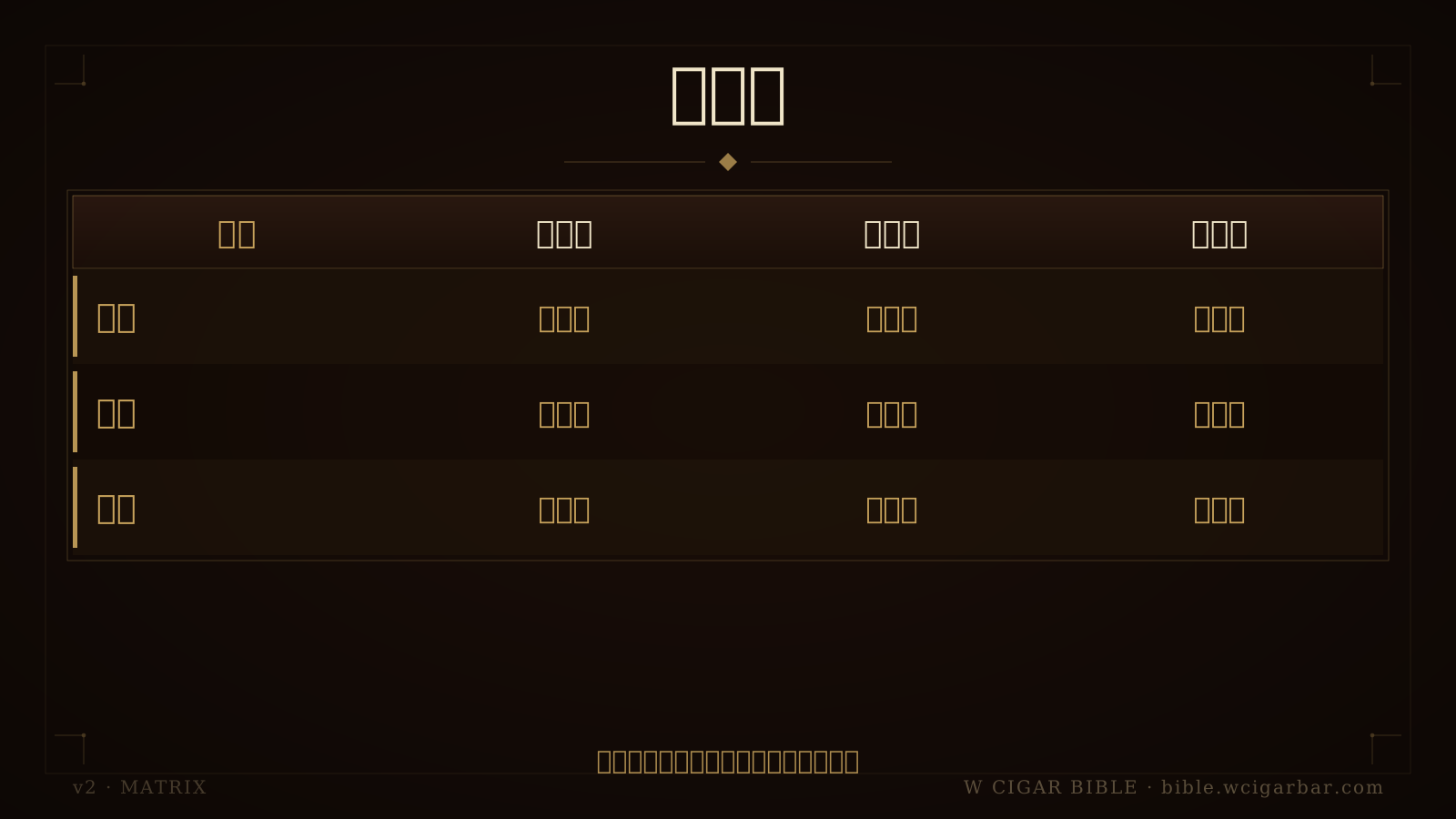
矩陣比較年輕期、平衡期與深熟期風味差異
Brand and Blend: Same Vintage, Different Personalities
Cohiba's aging curve is often discussed by high-end players because some of its leaves undergo additional fermentation processes, with brighter aromas when young, and honey, grassy sweetness, cream, coffee, and delicate spices may appear after aging. For example, Cohiba Siglo VI, if the 2014 batch is well-preserved, often shifts from the youthful citrus herbal to honey, cream biscuits, and gentle woodiness by the 8th to 10th year.
Montecristo is more like a classic baritone. No.2 in different years like 2012, 2015, and 2019 often shares a common framework of cocoa, coffee, soil, and roasted notes; the difference is that the younger version has more direct pepper, while versions over 6 years are more likely to show hazelnut, leather, and licorice aftertaste. Brand personality provides direction, but the true performance is determined by the intersection of vintage, box code, storage, and individual condition.
Partagás has a thicker sense of strength, like Lusitanias or Serie D No.4, with direct spiciness and soil notes when young, and improved salty-sweet balance, leather, black tea, and roasted nut notes after 5 years. Ramon Allones Specially Selected often exhibits dried fruit, brown sugar, woody spices, and cherry-like sweetness soaked in wine between 6 to 10 years, which is why many veterans like to pursue different vintages.
As for non-Cuban regions, such as Padrón 1964 Anniversary, Fuente Fuente OpusX, Davidoff Aniversario, due to different leaf processing and factory maturity, they may not need to wait as long as some Cuban cigars. Cuban cigars look at vintage, non-Cuban cigars look more at pre-factory maturity and brand style.
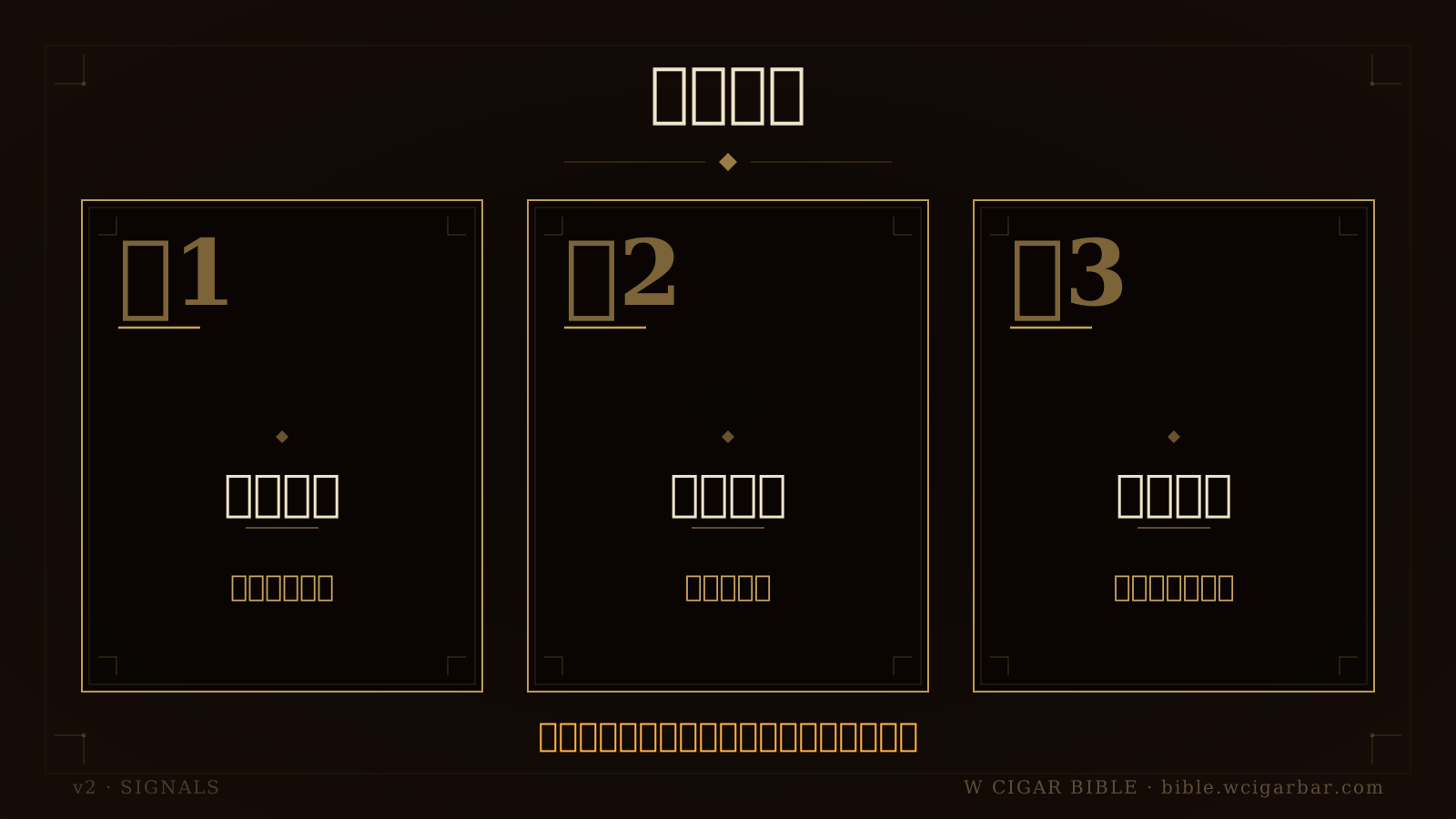
三張卡片列出放越久、高濕與只看名氣的誤解
Storage Conditions: Humidity, Temperature, and Microclimates in the Box
Veterans know that aging is most afraid of drastic fluctuations. My experience is that long-term storage can be set at 18 to 20°C, relative humidity 64% to 67%; for short-term smoking preparation, it can be adjusted between 65% to 69%. If humidity is too high, the burn line tends to skew, draw resistance increases, and bitterness rises; if humidity is too low, oils are lost, aroma thins, and the end tends to dry.
Stability is more important than pursuing a perfect number. A box of 2018 Partagás Serie P No.2, if it slowly changes around 19°C, 66% for 6 years, usually has more vitality than a box of the same model that repeatedly jumps between 62% and 72%. Wooden boxes, paper boxes, and aluminum tubes also create different microclimates: wooden boxes have more natural breathability, aluminum tubes offer good protection, but still need regular status checks for long-term storage.
In practice, I manage my collection in three layers: daily use, 3 to 5 years observation, and long-term storage over 6 years. Different levels should not be frequently opened and closed, especially long-term boxes should not be flipped every week. If I just acquired a box of cigars, I usually let it rest for 60 to 90 days before evaluating it, as transportation, temperature differences, and humidity transitions can temporarily misalign burning and aroma.
Key management points are as follows:
- Long-term temperature control at 18 to 20°C, avoid exceeding 22°C for too long.
- Use 64% to 67% relative humidity as a baseline for long-term storage.
- Observe once every 30 to 45 days, do not over-flip.
- Keep at least 3 sticks in the same box to compare changes at different times.
- Record box code, acquisition time, humidity range, and each smoking experience.
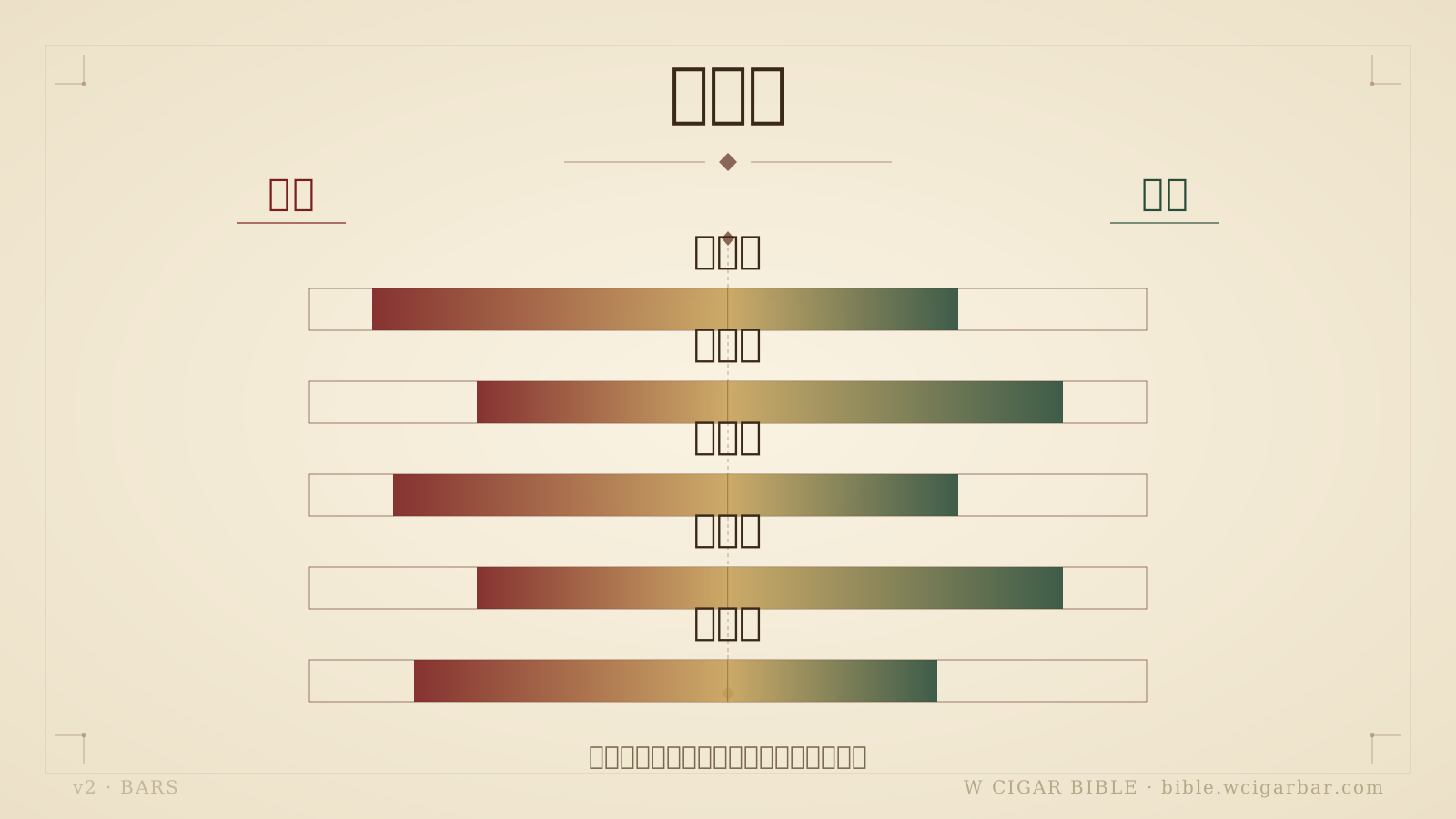
長條圖比較古巴與非古雪茄在醇化曲線上的差異
How to Understand the Front, Middle, and Back Sections of an Aged Cigar
A cigar aged for over 8 years should not be treated with the speed of a young cigar. The cut should be conservative, the flame gentle, and when lighting, only the foot of the cigar needs to be evenly heated, without charring the surface. The first puff is not for drawing conclusions but for confirming draw resistance, humidity, and burning status. If there is a slight sour or closed feeling at first, give it 5 to 8 minutes, and it will often slowly open up.
The value of an aged cigar often lies in "detail transitions," not in intense impact. The front section looks at whether the aroma is clean: whether cedar, tea, honey, nuts, or leather are clear. The middle section looks at whether the structure holds up: whether sweetness, woodiness, oils, and spices intertwine. The back section looks at whether bitterness is reasonable; if only charred bitterness and hollowness remain, it may be due to overly dry storage, insufficient original leaf material, or having passed the optimal state.
The smoking rhythm can also change flavor judgment. I recommend 60 to 90 seconds per puff, the thinner the ring gauge, the slower you should go; for example, if you smoke a Lancero too quickly, the temperature rise will turn floral notes into bitterness. Robusto or Double Corona, due to wider smoke channels, have a higher tolerance, but the end still needs to watch the temperature.
Aged cigars can be paired with unsweetened tea, room temperature water, or low-sweetness whiskey, but do not let alcohol overshadow the details. For a 10-year-old H. Upmann Sir Winston, I would lean towards refreshing oolong or mineral water; for a 6 to 8-year-old Bolívar Royal Coronas, sherry cask whiskey can bring out dried fruit and leather notes.
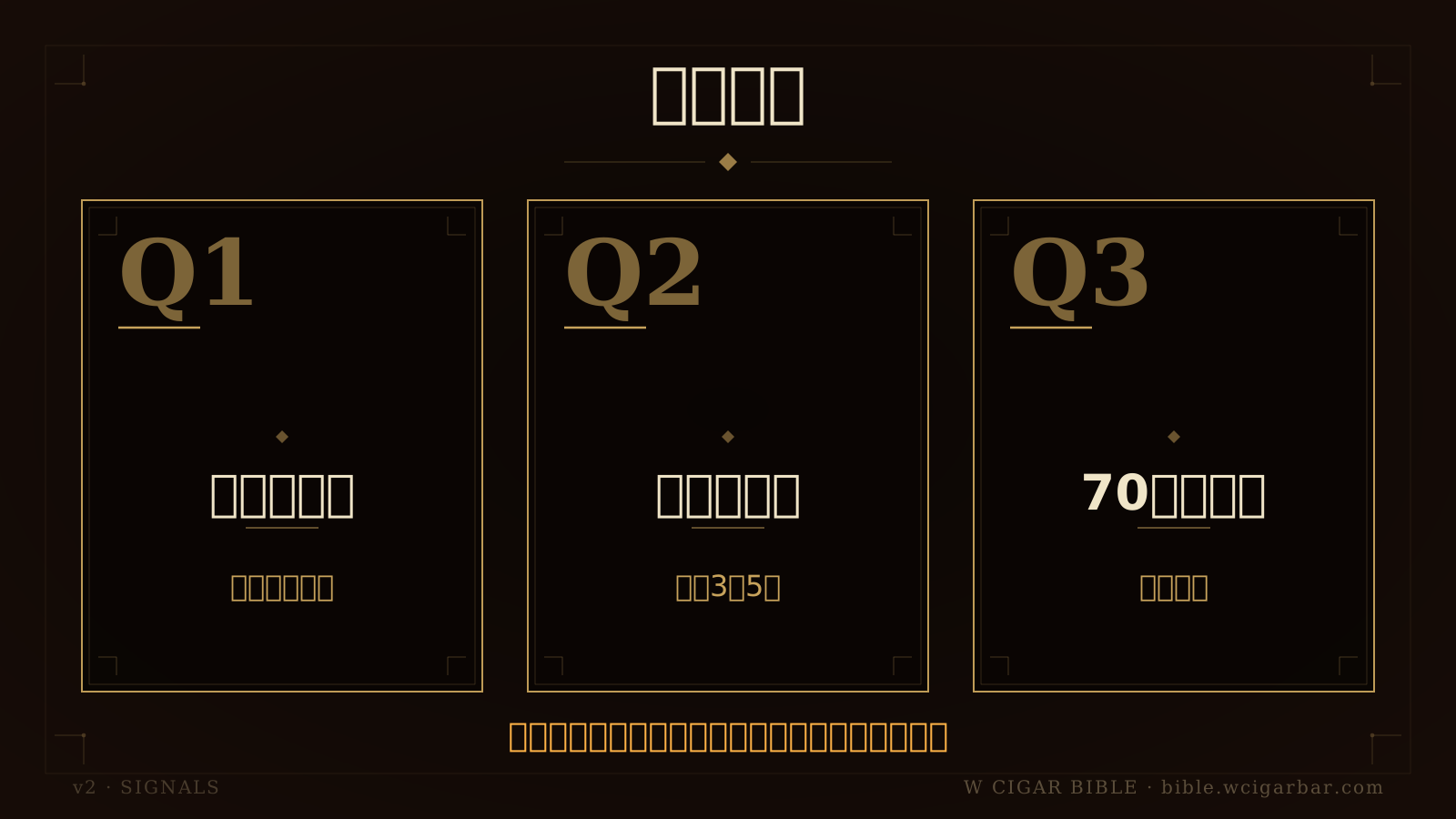
快問快答整理久放、成熟年限與七十濕度問題
Building Your Own Vintage Database: Start with Vertical Comparisons
The most worthwhile investment for high-end players is not just owning certain vintages but building their own vertical data. Vertical comparison refers to observing changes in different vintages or the same box at different times on the same cigar. For example, if you have Montecristo No.4 from 2017, 2019, and 2021, you can record the differences under the same humidity, similar time, and similar beverage conditions.
Without records, memory can easily be rewritten by brand aura and the mood of the day. I recommend that each record includes at least 8 fields: brand style, box code year, size, storage humidity, pre-light aroma, front, middle, and back section flavors, burning status, and overall rating. The rating does not need to be complicated, using a 100-point scale or a 5-star scale is fine, the key is continuity.
An example: the same Ramon Allones Specially Selected, the 2015 version may present brown sugar, dried fruit, and roasted wood in 2021; the 2019 version in 2023 leans more towards black pepper, soil, and strong coffee. If you rely only on a single impression, you might think they are two different cigars; if you have data, you will see they are actually on the same track, just at different ages.
I often suggest veterans use the "three-stick method" to track a box of cigars: smoke one stick 90 days after acquisition; smoke the second stick in the 3rd year; smoke the third stick in the 5th or 6th year. If the third stick still shows an upward trend, consider continuing long storage. If the second stick already appears thin, there is no need to believe in longer storage.
Frequently Asked Questions
Does storing cigars longer always make them better?
Not necessarily. Aging requires original structural support; if the cigar itself is thin in concentration and lacks leaf oils, storing longer may just make it fade. Generally speaking, rich blends, large sizes, and stable storage cigars have more long-term storage potential; but the best state still needs to be judged by actual records.
How many years is considered entering the maturity period?
Most quality cigars will enter a more balanced stage in 3 to 5 years, and begin to exhibit deeper wood, leather, tea, and dried fruit notes in 6 to 10 years. Over 10 years requires more selective storage and styles, otherwise, it may only be gentle without structure.
Is 70% humidity suitable for long-term aging?
70% is acceptable for some short-term storage, but in the long term, it is relatively high, especially in environments where the temperature is also high, which can make burning stuffy and increase bitterness. If measured in years, I prefer 64% to 67% and keep the temperature controlled at 18 to 20°C.
Is the aging logic of Cuban cigars and non-Cuban cigars the same?
The principle is the same, but the curve is different. Some Cuban cigars change more when young, with obvious vintage effects; many non-Cuban brands are more fully processed before leaving the factory, and are quite complete when opened. Brands like Padrón, Davidoff, Arturo Fuente often focus more on brand style and factory status than simply waiting for vintage.
Is there any appreciation potential in collecting cigars?
Some rare vintages, limited box sets, or well-preserved aged cigars do attract attention in the market; but collecting appreciation does not equal guaranteed appreciation, it still depends on source preservation and market. If you only invest and ignore temperature and humidity, box conditions, and source records, the risk will be higher than imagined.
Time will let cigars say more, but the premise is that you are willing to listen with stability, patience, and records. For me, the most fascinating thing about a good cigar is not the word "old," but its different expressions in the 1st, 5th, and 10th years. A true veteran does not chase vintage labels but can discern when to wait and when to light.
—Cigar Prince Wilson Tsai
Smoking is harmful to health. Under twenty years old is not allowed to smoke. Quit smoking hotline: 0800-636363. This article is for adults over twenty years old as a reference for cigar culture, storage, and regulatory knowledge, not a tobacco advertisement, promotion, or purchase suggestion.
Like this article?Share with friends
Share this W Cigar Bible piece with friends who want to learn cigar culture, storage, and tasting.
想把這篇 化為實踐
雪茄聖經是知識;雪茄文化要在空間裡發生

W Cigar Bar 大安總店資訊
台北大安區 · 雪茄聖經總編輯 Wilson Tsai 主理的雪茄文化空間
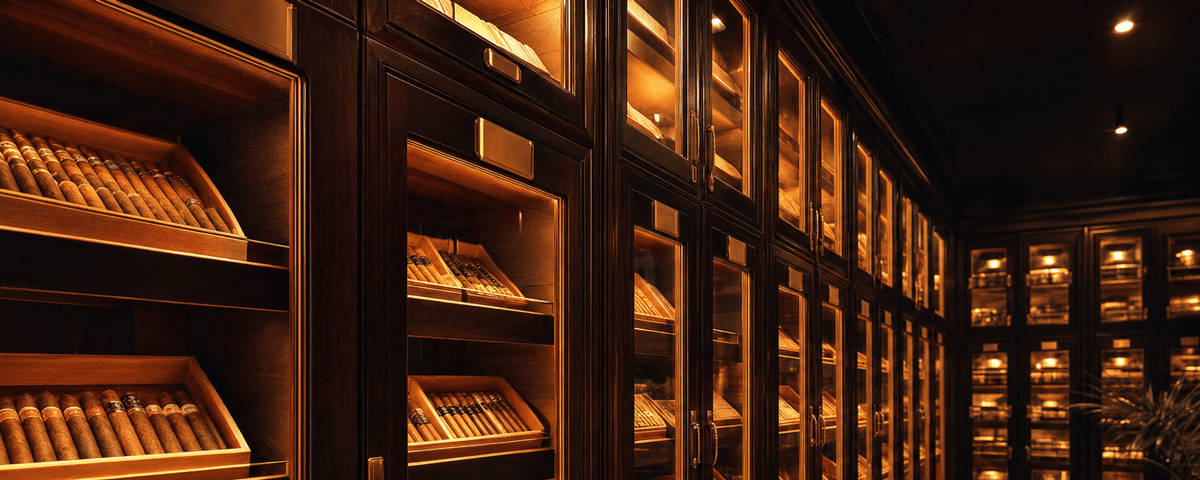
33 座 24 小時恆溫恆濕醇化室
W Cigar Bar 提供的會員醇化空間 · 場地資訊請洽編輯部
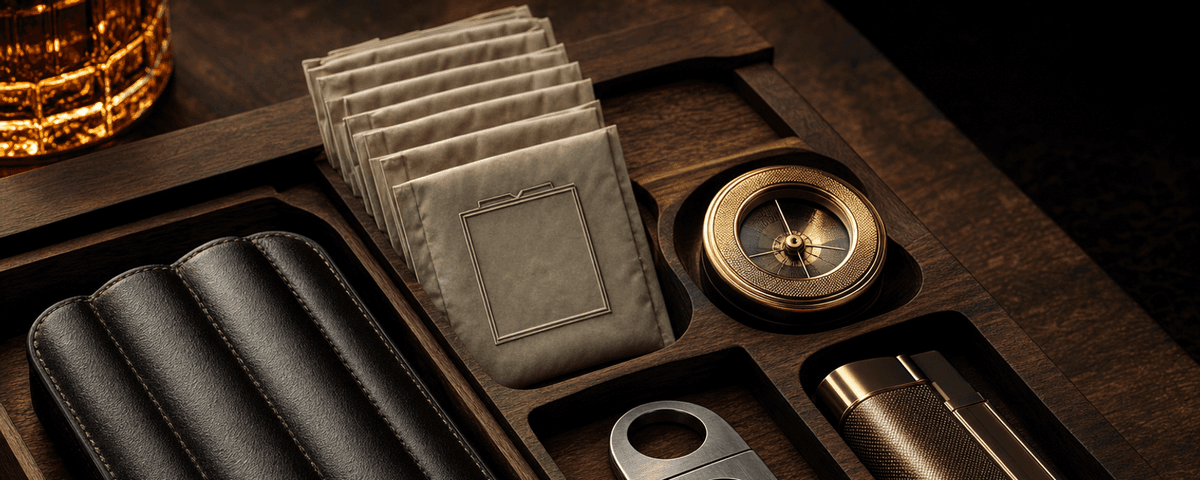
雪茄剪 / 打火機 / 雪茄盒 / Boveda
W Cigar 配件官網 · 專營雪茄配件正品
加 LINE 好友 · 文化諮詢
文化空間資訊 · 紳士沙龍 · 私人包場
本網站內容僅供雪茄文化、歷史、收藏與品吸知識研究參考。菸品有害健康、未滿法定年齡者請勿吸菸。實際規範請依所在地法律為準。
吸菸有害健康・戒菸專線 0800-636363・本站僅供 20 歲以上成年人閱覽。
讀到這裡,你不只是路過的人
留下 Email,加入 W 雪茄聖經內圈——總編輯 Wilson Tsai 親選的學院深文與國際新訊,先你一步送到信箱。
· 教育用途非銷售 · 隨時一鍵退訂 · Email 絕不對外公開 · 由勝茄股份有限公司營運
同分類延伸閱讀
資料來源:W Cigar Bible 編輯部整理 · 雪茄王子 Wilson Tsai 親自審稿
本文僅供雪茄文化、歷史、收藏與品鑑知識研究,不作為菸品促銷、銷售或購買建議。吸菸有害健康,未滿二十歲不得吸菸。