雪茄品味的文化意義:從歷史到現代的社交象徵
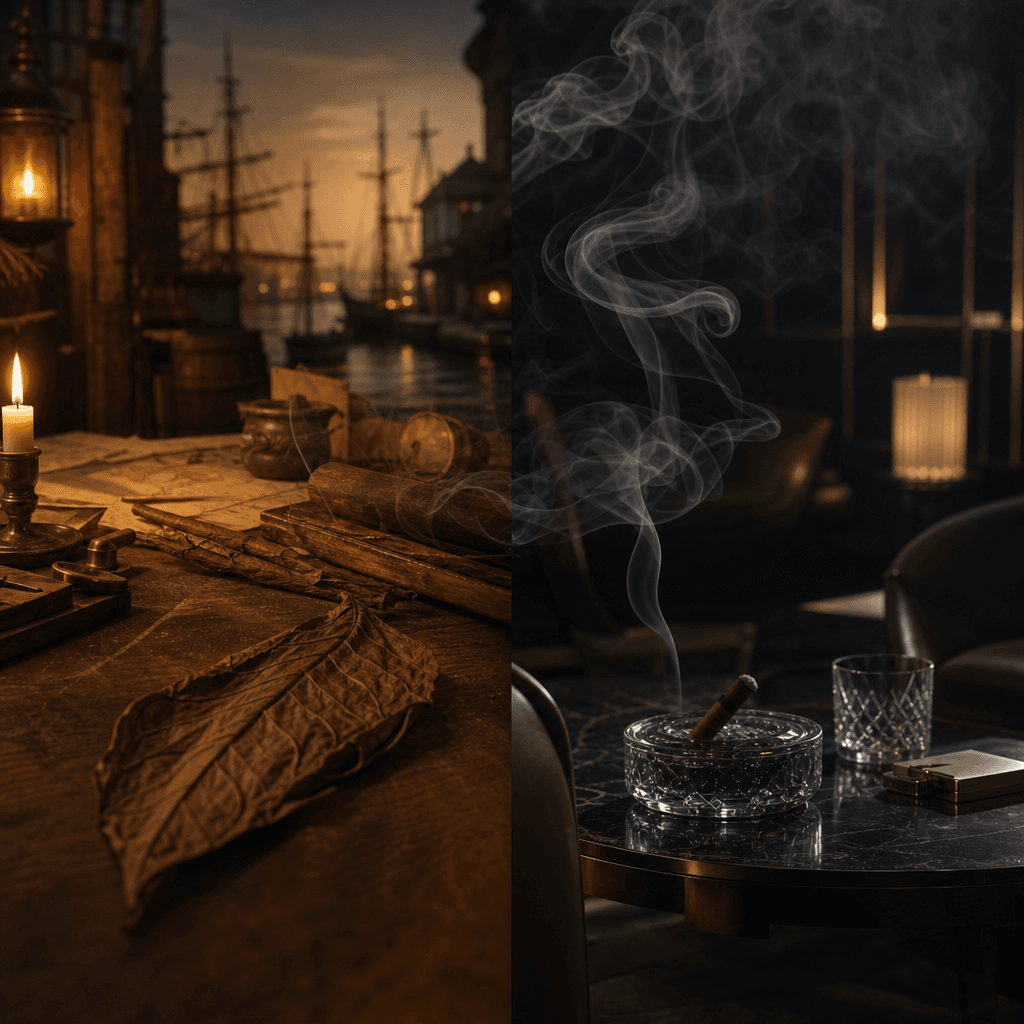
雪茄不僅是味覺的享受,更是歷史與社交文化的象徵。從1492年哥倫布首次接觸菸葉開始,雪茄逐漸演變為社交場合中的重要媒介。19世紀的倫敦紳士俱樂部塑造了現代雪茄的禮儀,強調克制與尊重他人。在亞洲,雪茄則與送禮文化緊密相連,講究人情與分寸感。當代雪茄社交更重視環境與他人的感受,讓每一口都成為交流的契機。真正的品味在於理解與分享,而非單純追求品牌與價格。
- 雪茄的歷史起源於祭儀與交換關係,並非奢侈品。
- 雪茄品味的核心在於讓同桌的人感到舒適,而非吸引目光。
- 在亞洲文化中,雪茄送禮的重點在於理解對方的喜好與需求。
The Cultural Significance of Cigar Appreciation: From History to Modern Social Symbols
Cigars are fascinating not only because of their complex flavors but also because they intertwine with history, etiquette, class, diplomacy, and personal taste. Once beginners learn the basic puffing techniques, the next step is not to pursue more expensive bands but to understand why the same cigar can convey different social languages in different settings.
As the editor of the "Cigar Bible," I often view cigars as a medium of "slow culture." They require time, silence, respect for others, and test whether a person understands moderation. True taste is often hidden in how you light, converse, and finish, not just in which brand you hold.
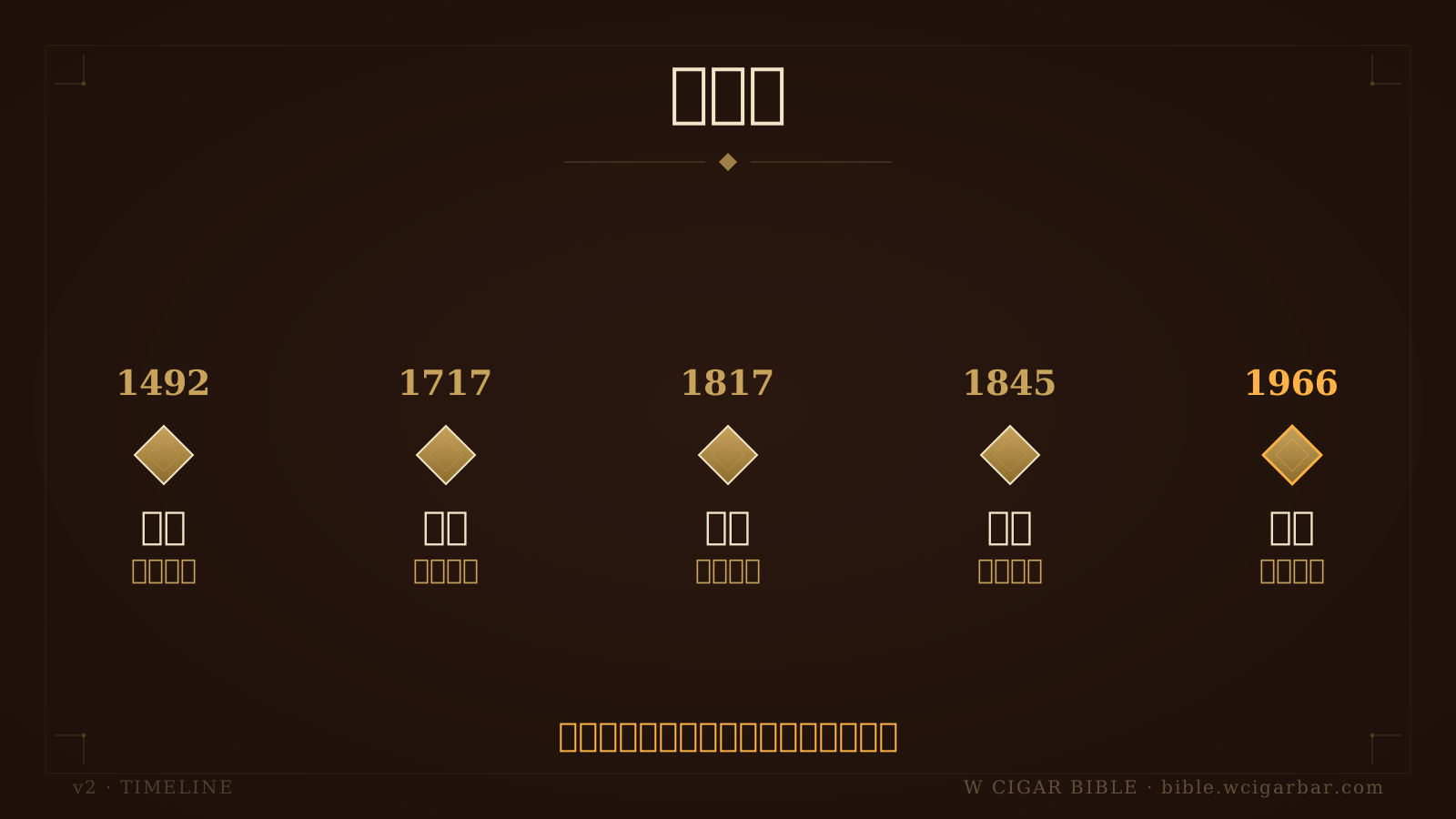
時間軸標示一四九二至一九六六的雪茄文化節點
From Rituals to Colonial Trade: How Cigars Entered the World Social History
In 1492, when Columbus arrived in the Caribbean, Spanish sailors recorded the Taino people using rolled tobacco leaves. It wasn't a cigar in today's sense, but it already had ritual, medicinal, and communal sharing meanings. By the 16th century, tobacco was introduced to Europe via Spain and Portugal, initially seen as an herb and later gradually becoming a social object in courts and port cities. The starting point of cigars was not luxury but ritual and exchange relationships.
Cuba became a key location in the 18th century. In 1717, the Spanish royal family established a tobacco monopoly system, and after lifting the monopoly in 1817, Havana workshops rapidly increased, and brand and size culture began to take shape. Partagás was founded in 1845, and Romeo y Julieta appeared in 1875. These names are not just trademarks but represent networks of city craftsmen, farmland, shipping, and imperial trade.
By the mid to late 19th century, cigars entered clubs and hotels in London, Paris, and New York. They were no longer just colonial goods but "slow punctuation" after negotiations by businessmen, officers, and politicians. Lighting a cigar after dinner often meant that formal dining had transitioned into more private conversations. Those who understand cigar history will realize that its social value comes from time being collectively slowed down.
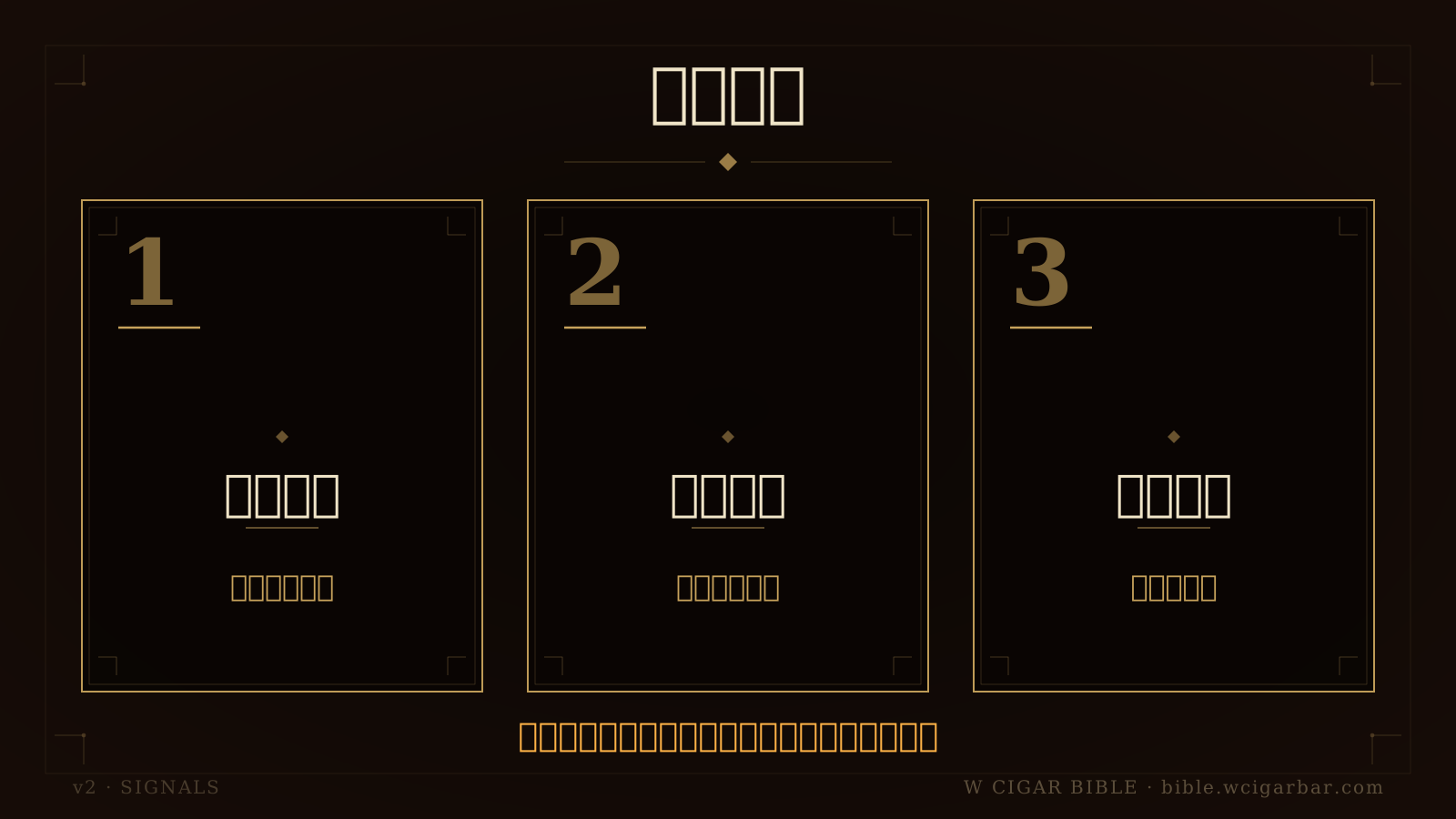
圖中三張卡片整理歷史禮儀與時間感三個核心結論
European Gentlemen's Clubs: Etiquette is More Important Than Show
The 19th-century London gentlemen's clubs shaped modern cigar etiquette. Reform Club was established in 1836, and Carlton Club in 1832. These places were not just dining spaces but extensions of political stances, class identities, and networking. Cigars played the role of a "conversation metronome": after lighting, the speech naturally slowed down, and topics shifted from public speeches to private judgments.
European etiquette emphasizes restraint. The cap should not be cut too deep, lighting should not be like a performance, ash columns should not be deliberately flaunted, and smoke should not be blown towards people. Churchill is often associated with the Churchill size of Romeo y Julieta, approximately 7 inches with a ring gauge of 47, which later became a classic size for many brands; but what is truly worth learning is not imitating the character but how he made cigars a part of his personal image.
Beginners often misunderstand "gentlemanly feel" as equivalent to expensive accessories. In fact, in formal occasions, cigar etiquette is more like table manners: you know when to speak, when to be silent, when to let the host start, and also know not to make the ashtray the center of the topic. The core of cigar taste is not to occupy attention but to make those at the same table feel comfortable.
I would suggest beginners remember three actions: first, ask if the environment allows it; second, be patient when lighting, do not scorch the foot of the cigar directly with the flame; third, let the cigar extinguish naturally at the end, do not crush it like a cigarette. These details may seem small, but they can immediately reveal whether a person understands cigar culture.

矩陣比較三種雪茄尺寸在社交節奏中的差異
Cuba, the Caribbean, and Brand Mythology: How Identity Symbols Are Established
When discussing the social symbolism of cigars, Cuba cannot be avoided. Montecristo was founded in 1935, named after the novel "The Count of Monte Cristo" often read by workshop readers; Cohiba became one of Cuba's high-end representatives in 1966, initially with a diplomatic gift color. These brands have myths not only because of their flavors but also because they are placed in narratives of politics, literature, diplomacy, and scarcity.
Take the Cohiba Lancero as an example, with a length of about 7.6 inches and a ring gauge of 38. The slender size requires more delicate rolling and stable burning; Montecristo No.2's torpedo shape is often seen as a coordinate for advanced beginners to understand Cuban style. Different brands accumulate not a single "good or bad," but a set of vocabulary that can be discussed, compared, and remembered. The true social power of a brand comes from whether everyone can share the story behind it.
Other Caribbean production areas have also established different symbols. The Dominican Republic's Arturo Fuente is known for family heritage and OpusX, while Nicaragua's Padrón 1964 Anniversary Series is often used to discuss richness and stability. After the 1990s, the rise of American cigar media and rating systems allowed more non-Cuban brands to enter international social occasions, and cigar topics no longer revolved solely around Havana.
In modern table discussions about brands, the biggest taboo is using the origin as a sense of superiority. Those who understand will talk about vintage, preservation, size, batch, and personal preference; those who don't will only use price to pressure others. If you can describe a Robusto as approximately 4.9 to 5 inches, with a ring gauge mostly around 50, and explain why it suits a 45 to 60-minute conversation, you already have more taste than simply reporting the brand.
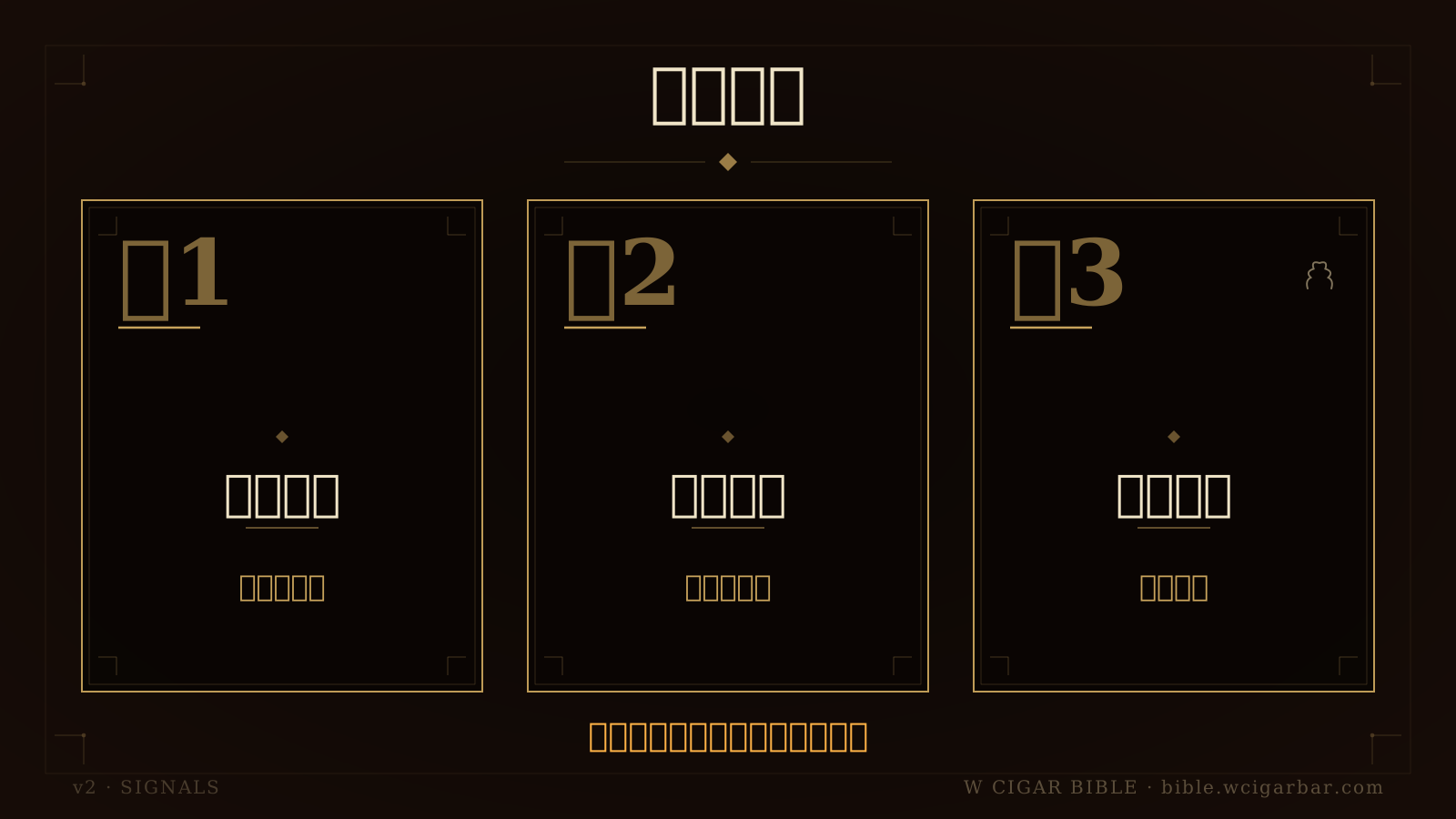
三張提醒卡指出新手在場合中常見失禮動作
Asian Social Scenes: Gifting, Human Relations, and Sense of Proportion
After entering Asian business circles, cigars are often linked with gifting, banquets, and club culture. Hong Kong became an important city for cigar collection and circulation in Asia in the late 20th century due to its free port and international financial status; Tokyo, Seoul, and Singapore have developed cigar spaces that emphasize quietness, order, and field norms. Asian culture values human relations, so cigars are often seen as "gifts with a sense of time."
But gifting cigars requires a sense of proportion. Not every elder, client, or friend is suitable to receive cigars, and bigger boxes are not necessarily more dignified. If the other party prefers mild flavors, gifting a strong, large ring gauge may not be considerate; if the other party values preservation, not explaining the source and humidity is actually disrespectful. In Asian culture, the focus of gifting cigars is not to show off value but to prove you understand the other party.
The most appropriate case I've seen is a business owner gifting a long-term cooperating friend a set of 3 cigars of different sizes from the same brand, with a handwritten card explaining the suitable time for each: 40 minutes in the afternoon, 60 minutes after dinner, 90 minutes on the weekend. This gift had no exaggerated packaging but let the recipient know: the giver considered his rhythm, not his own face.
If beginners want to avoid faux pas in Asian business occasions, they can keep a few points in mind:
- First, confirm whether the other party has a habit of using cigars and is of legal age.
- Do not propose related arrangements in public smoking bans or inappropriate environments.
- Choosing 3 to 5 cigars is more flexible than a whole box, and include preservation suggestions.
- Avoid using price, rarity, or ratings to pressure the other party during the occasion.
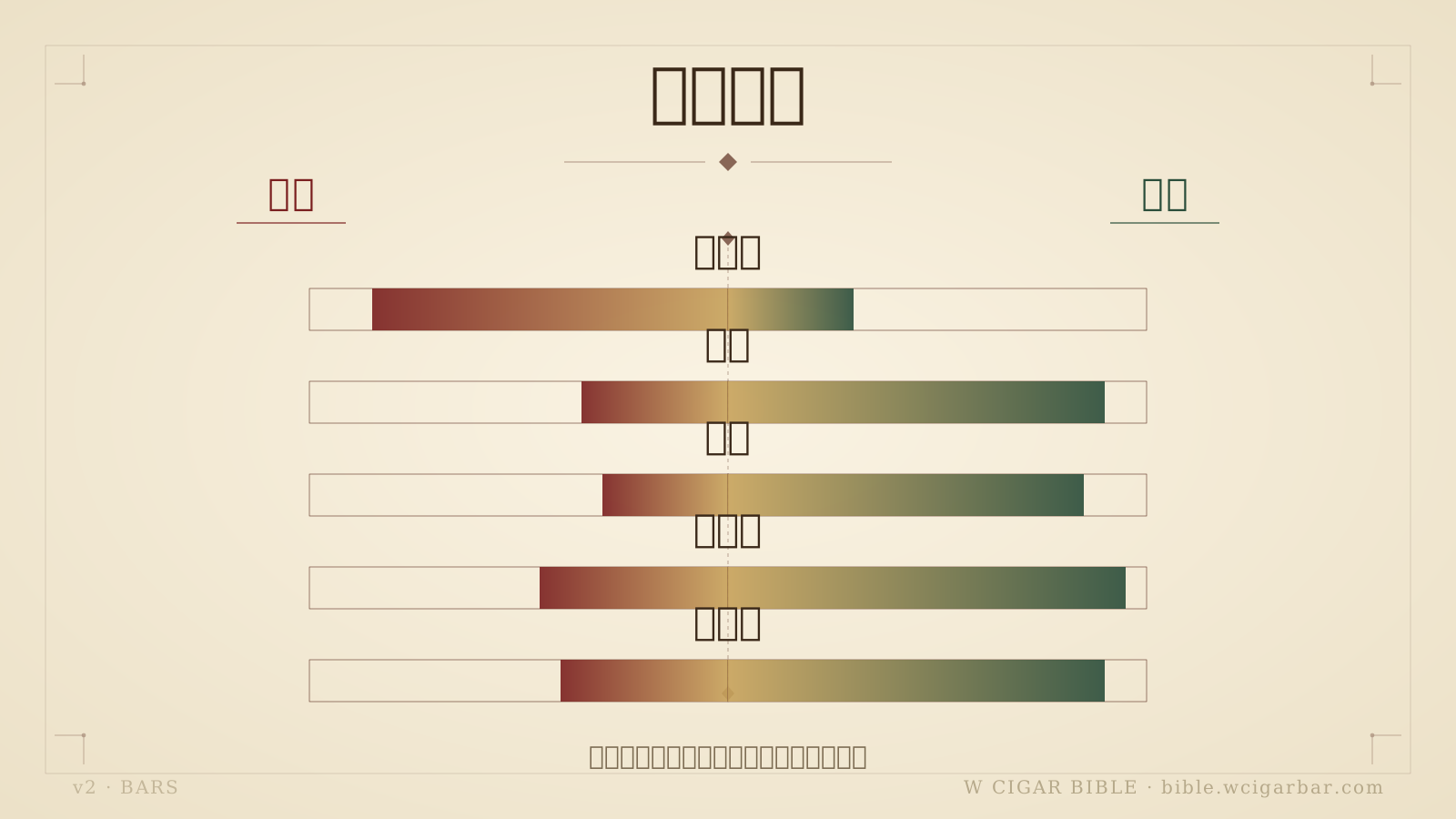
橫條比較排場取向與分寸取向的社交差別
Contemporary Cigar Etiquette: Social Techniques from Lighting to Conversation
Contemporary cigar socializing places more emphasis on respecting boundaries than in the past. Many cities have clear regulations on indoor air, public spaces, and tobacco use, so mature cigar enthusiasts will first ask "is this place suitable" rather than putting personal preferences before everyone else. If cigar culture loses respect, it only leaves smoke and self-centeredness. The first rule of modern cigar etiquette is to respect the environment and others.
Lighting is a process that can reveal cultivation. Using long matches, cedar spills, or butane lighters is all acceptable, the key is to evenly heat the foot of the cigar, avoiding prolonged direct burning of one point. The first few puffs should not rush to judgment, allowing temperature and burning to stabilize. If you start with vigorous continuous puffs, the cigar can overheat, and bitterness, spiciness, and burnt flavors will overpower the original layers.
Understanding rhythm is also important when conversing. A light puff every 45 to 60 seconds is sufficient, no need to puff frequently to appear engaged. During conversation, you can share feelings of wood, nuts, coffee, leather, spices, etc., but there's no need to turn every adjective into a test answer. The best attitude for beginners is to clearly express their feelings and leave room for others to disagree.
Finishing is even more important. When about a third of the cigar remains, and the temperature rises, and the tar feeling intensifies, you can naturally stop. Do not force yourself to finish an unpleasant last part, nor press hard to extinguish it, creating a pungent smell. Those who truly understand etiquette know when a cigar starts and when it ends.
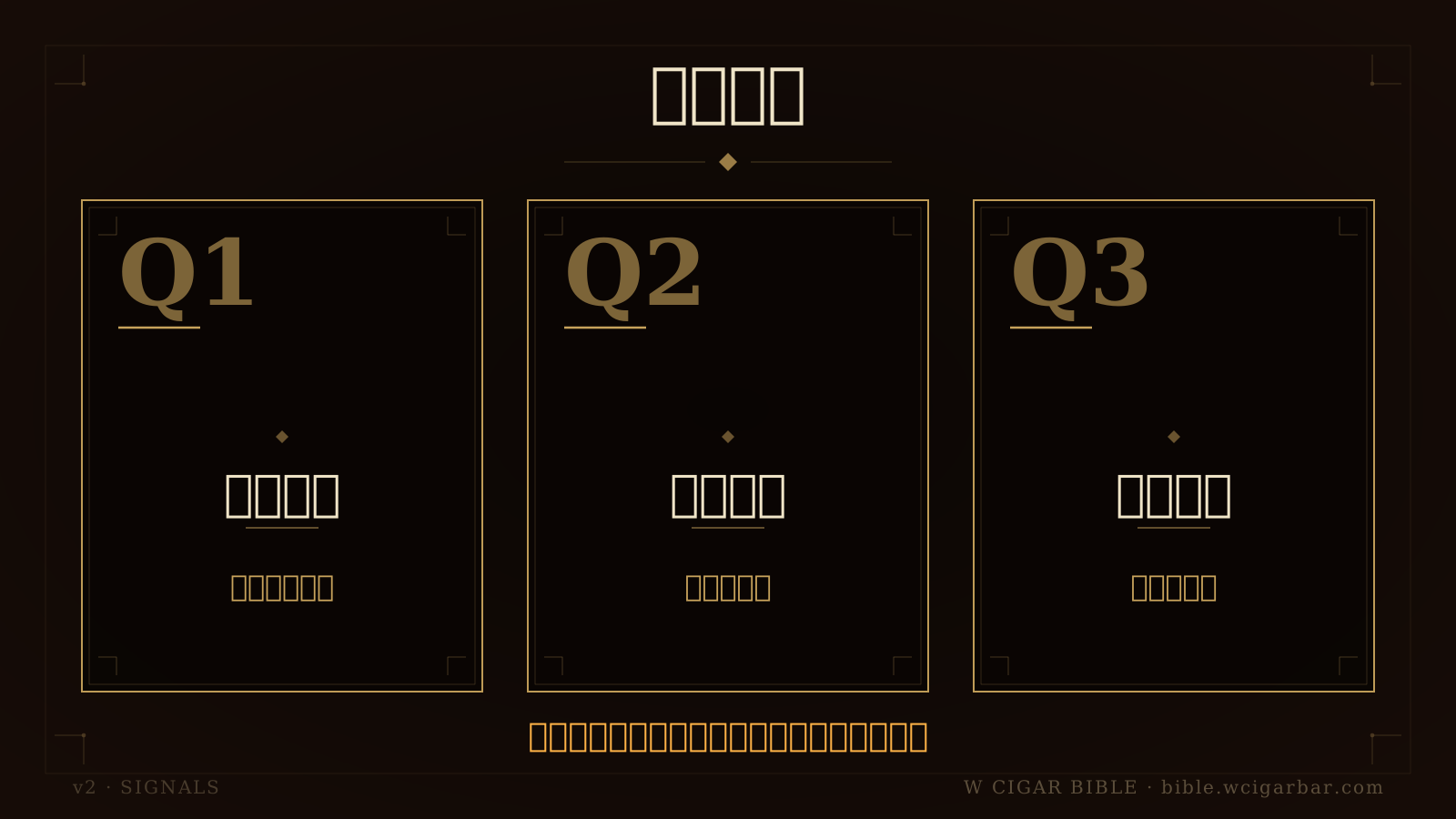
三張問答卡整理得體入門搭配與送禮重點
Identity, Taste, and Collection: Price is Not the Only Language
Cigars are often seen as a symbol of identity, but identity should not rely solely on labels. Since "Cigar Aficionado" began expanding its influence with ratings and celebrity covers in 1994, cigars have gradually been linked to success, power, and enjoyment in popular culture. However, scores are just a reference and cannot replace your own taste memory. True taste is being able to say why you like it, not just how expensive it is.
Collection culture also gives cigars another layer of social language. Limited editions, regional editions, and commemorative editions are often discussed, such as Habanos Edición Limitada forming a fixed topic since 2000, with certain years receiving attention due to tobacco leaf conditions, packaging, and market circulation. But when discussing collection appreciation, remember: it does not guarantee appreciation, still depends on source preservation and market.
| Aspect | Common Beginner Mistakes | Mature Practices |
|---|---|---|
| Price | Thinking more expensive suits oneself | First look at richness, size, and occasion |
| Vintage | Only chasing old boxes | Confirm preservation humidity, source, and condition |
| Brand | Only recognizing a few popular names | Compare production areas, wrapper, and size differences |
| Social | Using rarity to pressure others | Use stories and experiences to start conversations |
I suggest beginners establish their own 20-cigar record sheet: brand, size, origin, date, humidity, burning, front-middle-back feelings, pairing drinks, and occasion. After three months, looking back, you will find that what you truly prefer is not "fame" but a specific style, such as medium richness, woody tone, 50 ring gauge, about an hour of Robusto. This self-understanding is the foundation of taste.
Frequently Asked Questions
Why are cigars often seen as a social symbol?
Because they require time, space, and etiquette. From 19th-century European clubs to 20th-century Caribbean brand culture, cigars often appear after dinner, after business talks, or in private gatherings. They symbolize not mere consumption but a willingness to leave time for a conversation.
How can beginners avoid appearing inexperienced in occasions?
First, do not rush to comment, and do not use price to prove yourself. Observe how the host or seniors cut, light, ash, and converse, then use simple words to describe your feelings. Being able to not disturb others and not create a sense of pressure is already very appropriate.
Is pairing cigars with alcohol always more upscale?
Not necessarily. Whiskey, rum, coffee, tea can all be suitable, and water is also important. If the cigar is strong, high alcohol content may amplify the stimulation; if the cigar is more delicate, a light drink can retain the layers. The focus is on balance, not the fame of the alcohol label.
What should be noted when collecting cigars?
Preservation is more important than rumors. Common recommendations are relative humidity of about 65% to 70%, temperature of about 18°C to 21°C, and regular checks for mold, pests, and humidity fluctuations. When discussing collection appreciation, remember: it does not guarantee appreciation, still depends on source preservation and market.
Are cigars suitable for gifting?
Yes, but first confirm whether the other party's habits, age, and occasion are suitable. The best gift is not the biggest box or the most expensive, but a choice that fits the other party's time and taste. Including preservation instructions is warmer than boasting about rarity and more in line with mature etiquette.
What size is most suitable for entry-level social occasions?
Robusto is commonly about 5 inches, ring gauge 50, time about 45 to 60 minutes, easy to match a conversation; Corona or Petit Corona is shorter, suitable for those with limited time. Choosing a size is actually choosing a period of time to spend together.
The most charming aspect of cigar culture is that it allows people to practice slowing down. History gives it stories, brands give it vocabulary, and etiquette determines whether it is truly elegant. For me, a person's cigar taste is not in how many rare boxes they own, but in whether they can respect occasions, understand others, and leave just the right amount of silence and conversation between the rising and dissipating smoke.
—Cigar Prince Wilson Tsai
Smoking is harmful to health.
Under 20 years old is prohibited from smoking.
Quit smoking hotline: 0800-636363.
This article is for reference by adults over 20 years old for cigar culture, preservation, and legal knowledge, not tobacco advertising, promotion, or purchase advice.
Like this article?Share with friends
Share this W Cigar Bible piece with friends who want to learn cigar culture, storage, and tasting.
想把這篇 化為實踐
雪茄聖經是知識;雪茄文化要在空間裡發生

W Cigar Bar 大安總店資訊
台北大安區 · 雪茄聖經總編輯 Wilson Tsai 主理的雪茄文化空間
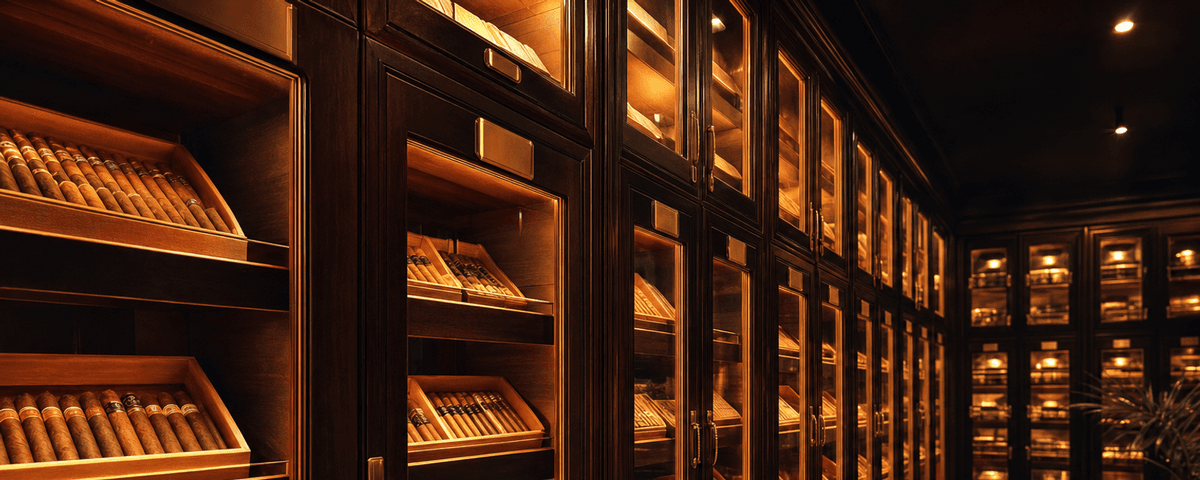
33 座 24 小時恆溫恆濕醇化室
W Cigar Bar 提供的會員醇化空間 · 場地資訊請洽編輯部
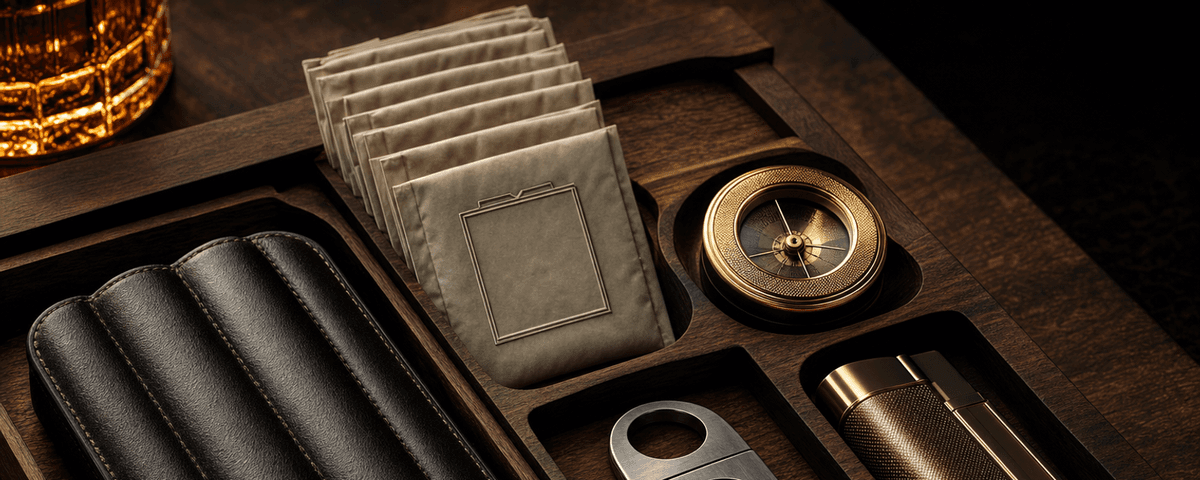
雪茄剪 / 打火機 / 雪茄盒 / Boveda
W Cigar 配件官網 · 專營雪茄配件正品
加 LINE 好友 · 文化諮詢
文化空間資訊 · 紳士沙龍 · 私人包場
本網站內容僅供雪茄文化、歷史、收藏與品吸知識研究參考。菸品有害健康、未滿法定年齡者請勿吸菸。實際規範請依所在地法律為準。
吸菸有害健康・戒菸專線 0800-636363・本站僅供 20 歲以上成年人閱覽。
讀到這裡,你不只是路過的人
留下 Email,加入 W 雪茄聖經內圈——總編輯 Wilson Tsai 親選的學院深文與國際新訊,先你一步送到信箱。
· 教育用途非銷售 · 隨時一鍵退訂 · Email 絕不對外公開 · 由勝茄股份有限公司營運
同分類延伸閱讀



資料來源:W Cigar Bible 編輯部整理 · 雪茄王子 Wilson Tsai 親自審稿
本文僅供雪茄文化、歷史、收藏與品鑑知識研究,不作為菸品促銷、銷售或購買建議。吸菸有害健康,未滿二十歲不得吸菸。