雪茄的傳承與創新:古巴與新興產區的比較
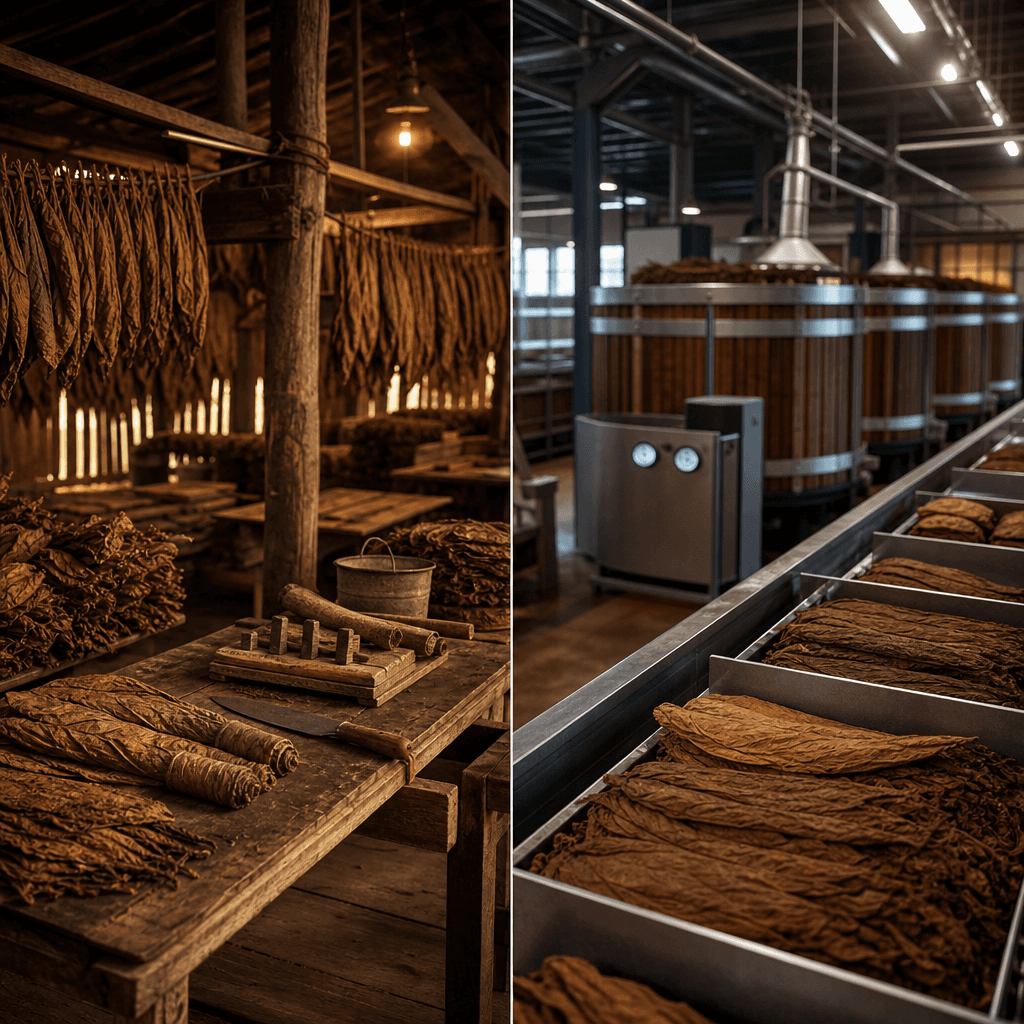
古巴雪茄的傳統不僅是品牌,更是由多個產區構成的風土系統。雖然古巴雪茄在國際市場上具有獨特的地位,但尼加拉瓜、多明尼加等新興產區已逐漸崛起,吸收古巴的工藝並發展出自身特色。新興產區的成功在於將古巴技術進行本土化改造,形成可控的生產流程。古巴強調手工經驗,而新興產區則依賴數據與品質控制,兩者在風味結構上各具優勢。市場競爭日益激烈,消費者需透過細緻的比較來理解不同產區的獨特魅力。
- 古巴雪茄的品質標準包括長芯葉、管束式捲法等工藝,這些成為新興產區的共同語言。
- 新興產區成功的關鍵在於將古巴工藝拆解為可訓練、可控管的流程,提升穩定性。
- 古巴與新興產區的風味差異反映在細節與結構上,前者強調層次,後者則注重力量與明確性。
The Heritage and Innovation of Cigars: A Comparison of Cuba and Emerging Regions
As the editor of "The Cigar Bible," I am often asked the same question by veterans: Is the "tradition" of Cuban cigars still the global benchmark? My answer is never binary. Cuba is like the source of a language, while emerging regions are like new literature written using the same grammar.
Over the past thirty years, Nicaragua, the Dominican Republic, Honduras, and even Ecuador and Brazil have become more than just alternatives. They have absorbed Cuban craftsmanship and used agronomy, grading, fermentation, and market strategies to challenge Cuba. What is truly worth studying is how the two shape each other.
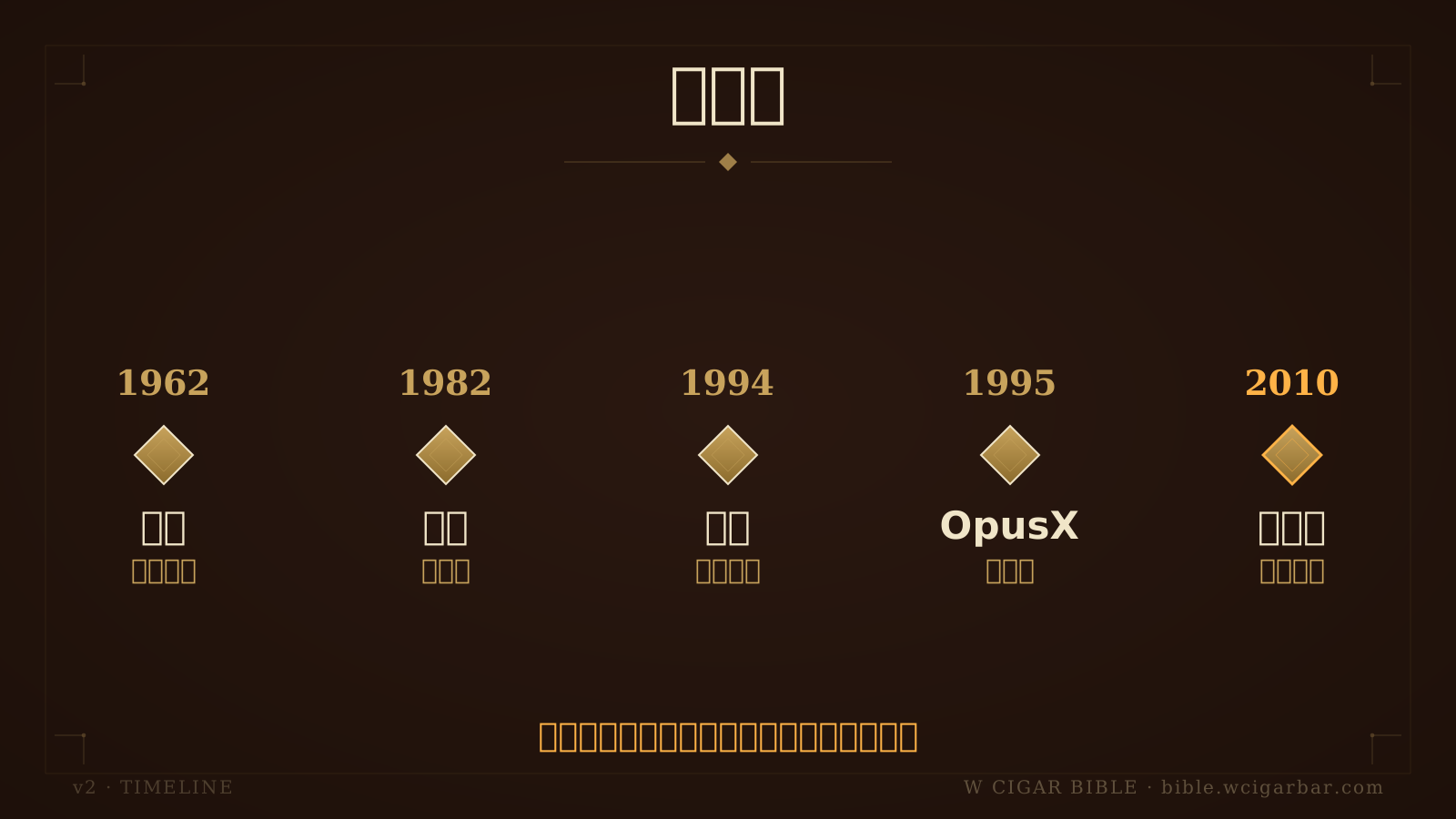
時間軸標示禁運希霸商業化與新產區突破節點
The Core of Cuban Tradition: Terroir, State-Owned System, and Craftsmanship Language
The tradition of Cuban cigars is not just the word "Havana" but a terroir system composed of regions like Vuelta Abajo, Partido, and Remedios. After the U.S. embargo in 1962, Cuban cigars formed a stronger scarcity narrative in the international market; the commercialization of Cohiba in 1982 and the establishment of Habanos S.A. in 1994 provided a clearer global framework for brands, sizes, and annual limited editions.
What Cuba truly exports is not a single flavor but a whole set of craftsmanship standards for judging cigar quality. Terms like tripa larga (long filler), entubado (tubed rolling), triple cap, and chaveta (cutting knife) have become a common language in high-end factories in the Dominican Republic and Nicaragua. Even with different soils, veterans still use burn line, draw resistance, ash column, and transition feel to refer back to Cuban standards.
However, the Cuban system also has its costs. The state-owned system leads to a high concentration of planting, purchasing, grading, and brand allocation, making vintage fluctuations more pronounced; for example, between 1998 and 2002, some brands were discussed by veterans as periods of quality fluctuation. Conversely, after 2010, Cohiba Behike, Montecristo 1935 Linea, and Partagás Línea Maestra demonstrated Cuba's ability to reintegrate in high-end narratives.
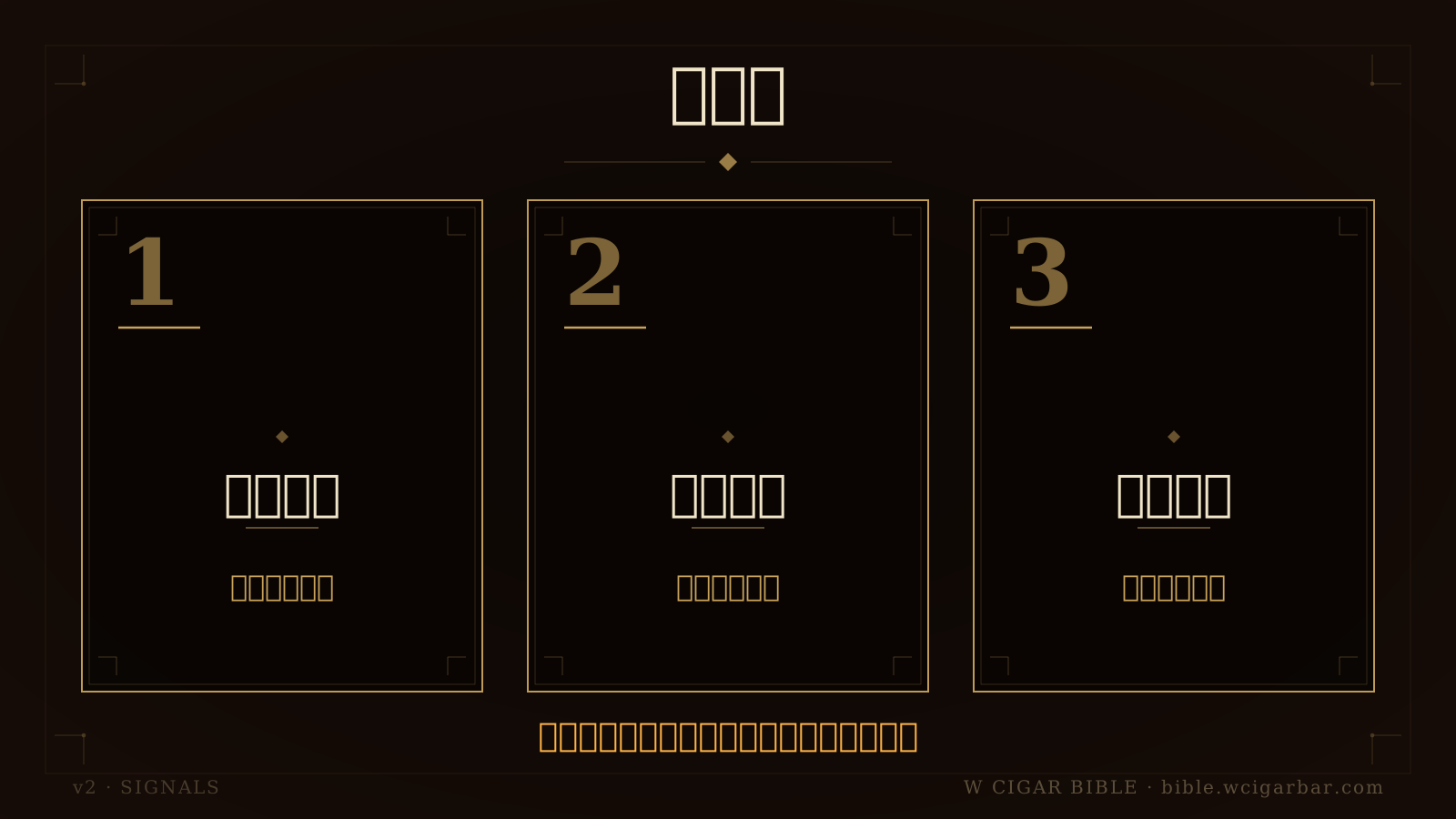
三張重點卡整理古巴基準與新興產區強項
How Emerging Regions Inherit Cuban Methods: From Exiled Technicians to Local Agronomy
The starting point of emerging regions largely comes from the migration of Cuban technicians and families. After the 1960s, many growers and rollers moved to the Dominican Republic, Honduras, and Nicaragua. The Arturo Fuente family rebuilt craftsmanship in the Dominican Republic, Padrón was founded in Miami in 1964 and later established its style with Nicaraguan tobacco. These were not mere copies of Cuba but transplanting Cuban methods to new soils.
The key to the success of emerging regions is breaking down Cuban craftsmanship into trainable, controllable, and iterative processes. Take Fuente Fuente OpusX as an example; when it was launched in 1995, the most notable aspect was not the size but the breakthrough of the Dominican wrapper; many previously thought it was difficult to stably produce high-grade wrappers locally, but OpusX changed that view with shade-grown cultivation, strict grading, and long aging.
Nicaragua's approach is more radical. Estelí, Jalapa, and Condega form different roles for leaf materials: Estelí often provides strength and mineral notes, Jalapa brings sweetness and aroma, and Condega offers balance. Examples like Padrón 1964 Anniversary, My Father Le Bijou 1922, and Oliva Serie V prove that emerging regions can establish recognizable high-end flavors with their own terroir, rather than standing in Cuba's shadow.

矩陣比較古巴多明尼加與尼加拉瓜的工藝差異
Technical Differences: Divergence in Fermentation, Rolling, and Quality Control
Cuban tradition emphasizes manual experience, especially in pilón fermentation pile management, where masters judge the timing of turning the pile based on temperature, humidity, smell, and touch. Generally, fermentation piles may maintain between 38 to 45 degrees Celsius; too high can damage oils and aromas, too low and off-flavors dissipate slowly. This experiential judgment is one reason why Cuban flavors are charming yet prone to fluctuation.
| Aspect | Cuban Traditional Approach | Common Approach in Emerging Regions |
|---|---|---|
| Leaf Source | Single-country terroir integration | Multi-country leaf blending |
| Fermentation Management | High reliance on master experience | More evident data recording and batch control |
| Blending Strategy | Brand history and size spirit | Emphasis on strength, sweetness, and rating market |
| Quality Control Pace | Adjusted according to batch differences | Sampling tests and draw resistance equipment are common |
Cuba's charm lies in its organic feel, while the strength of emerging regions is in engineered stability. For example, draw machine testing for draw resistance is common in Dominican factories, and some high-end Nicaraguan brands record the harvest year, fermentation batch number, and aging time of each batch of leaf material. These practices make the burn and draw resistance of the same box of cigars more consistent.
But engineering does not mean higher grade, and feel does not mean more traditional is better. The real comparison should return to "blending purpose": Cuba often allows flavors to unfold in a linear, delicate, and gradual manner; Nicaragua often pursues distinct concentration and sweetness in the early stages; the Dominican Republic excels at carrying spice, wood, and creaminess with a smooth framework. Technical choices ultimately fall on flavor structure.
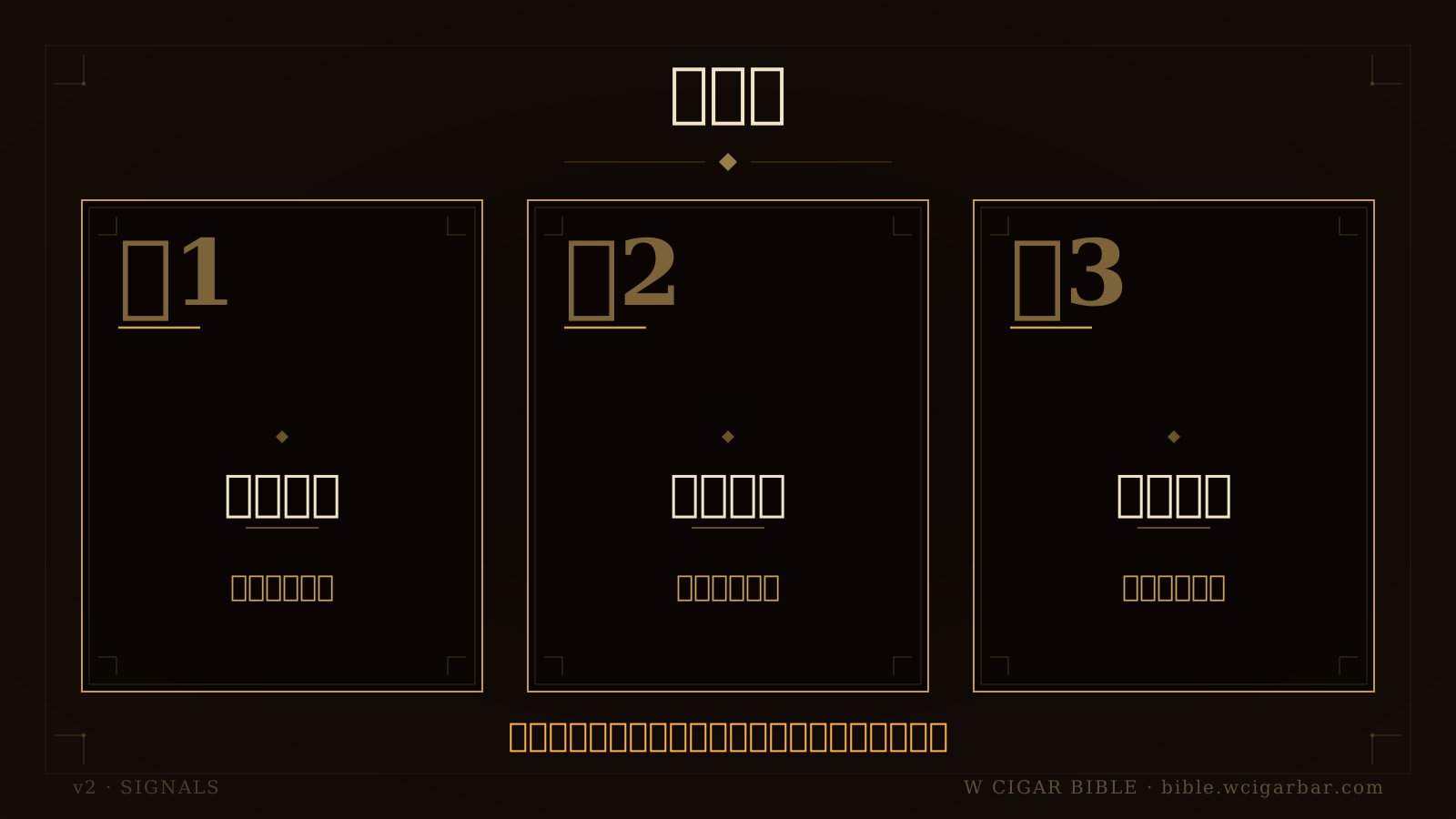
三張提醒卡指出產地迷思年份差異與紀錄不足
Flavor Map: The Subtlety of Cuba and the Power Curve of Emerging Regions
Veterans discussing Cuba often talk not about simple "strong" or "mild," but about the detailed transitions between herbal, cedar, leather, roasted grain, honey, mineral, and salty notes. For example, Hoyo de Monterrey Epicure No.2, H. Upmann Magnum 46, and Bolívar Belicosos Finos, despite different strengths, all have a relatively restrained layer progression.
The value of Cuban flavors lies in detail density, while the value of emerging regions lies in clear structure and predictable strength. Nicaragua commonly features black pepper, cocoa, coffee, soil, and caramel sweetness; the Dominican Republic often provides nutty, creamy, floral, and woody notes; Honduras often has a rougher leather, hay, and roasted feel. These are not high or low differences but differences in terroir and blending philosophy.
For a comparison of approximately 50 ring gauge Robusto types, Partagás Serie D No.4 often wins with spicy, earthy, and Cuban-style salty-sweet balance; Padrón 1964 Exclusivo Maduro establishes depth with cocoa, coffee, and sweet-bitter interplay; Arturo Fuente Don Carlos Robusto leans towards cedar, nuts, and smooth spice. Using a single "perfect score" concept to judge would miss their respective syntax.
I suggest veterans, when making comparisons, not only remember the first impression but break it into three segments: the first 2 cm for opening aroma, the middle for balance and burn, and the end for bitterness control and aftertaste. Many Cuban cigars only unfold their true layers in the middle and end, while emerging regions often present a clear personality in the early stages, which is also the most interesting complement between the two.
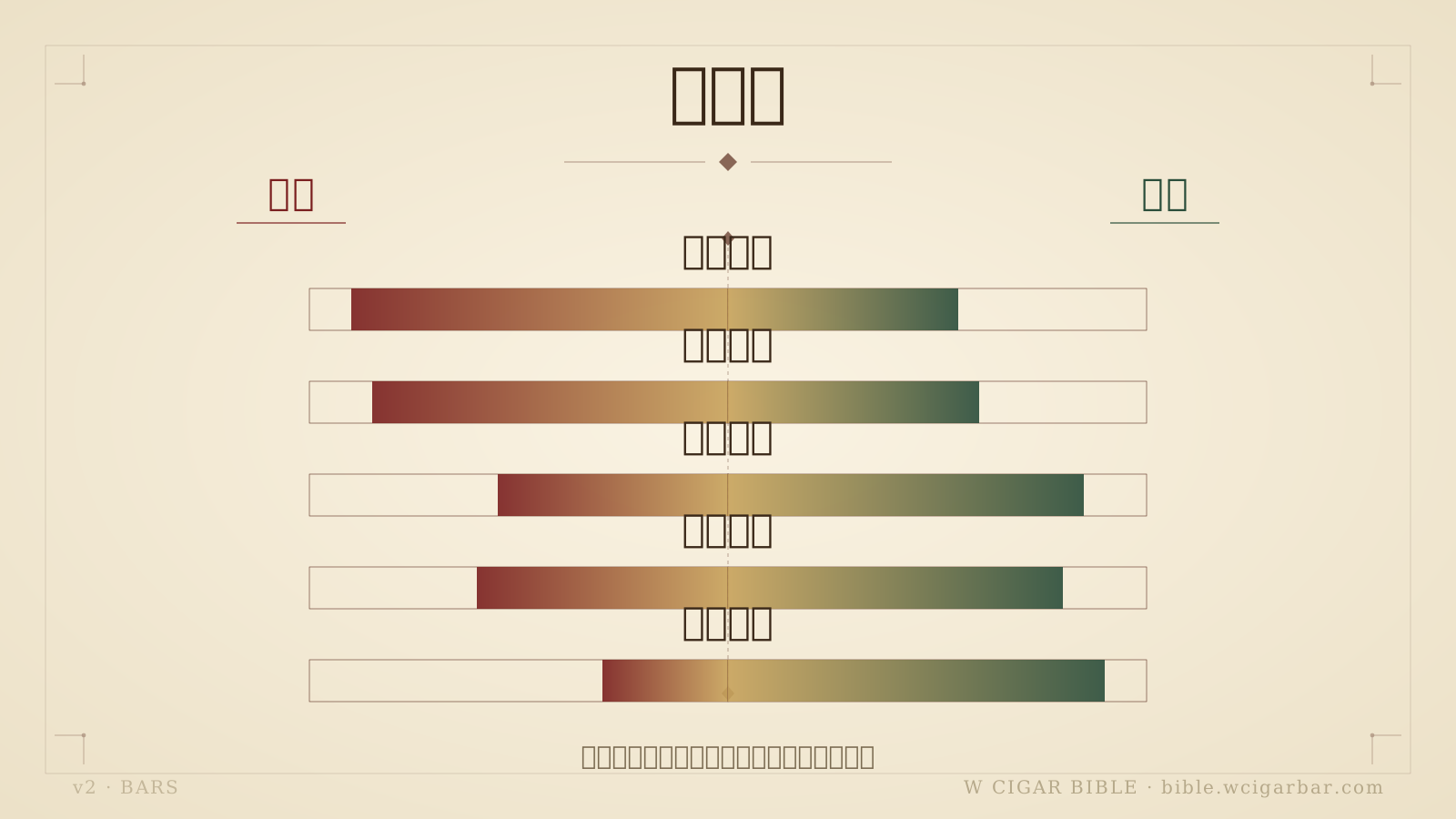
橫向長條呈現古巴與新興產區在五項軸線的取向
Market Competition and Interaction: Limited Editions, Ratings, and Channel Transparency
Before the 1990s, Cuban cigars had a strong symbolic position in the high-end market; but after 2000, Cigar Aficionado's annual rankings and the high-rating culture of the U.S. market gave emerging regions a huge stage. Brands like Padrón 1964, Oliva Serie V Melanio, My Father, Rocky Patel, and AJ Fernandez have all established a market language different from Cuba in terms of ratings, packaging, and product line strategies.
Market competition has shifted from "Cuba vs. Non-Cuba" to multi-dimensional competition of "style, stability, vintage, and scarcity narrative". Cuba uses Edición Limitada, Reserva, Gran Reserva, and LCDH exclusives to shape scarcity; emerging regions respond with small batches, single-farm plots, special wrappers, or family commemorative editions. Both sides are using stories, but the stories must be supported by leaf material and craftsmanship.
Channel transparency has also become a key point for veterans to judge. Due to supply-demand tension and counterfeit issues, Cuban sources, box codes, tax labels, and storage environments require more caution; emerging regions often establish trust through factory seals, batch information, and official distribution networks. When discussing collection and appreciation, I always add: it does not guarantee appreciation, still depends on source preservation and market.
From a competition perspective, emerging regions force Cuba to pay more attention to packaging, storytelling, and high-end segmentation; Cuba also forces emerging regions to continuously improve long-term aging potential. Both sides raise standards for each other, benefiting veterans who understand comparison, not those who only look at origin labels.

三張問答卡快速回應古巴地位模仿疑問與比較方法
Advanced Interpretation: How Veterans Use Size, Vintage, and Aging Management for Comparison
To fairly compare Cuba and emerging regions, I suggest controlling the size first. Robusto, about 50 ring gauge, length 124 to 127 mm, is the easiest format for horizontal comparison; Corona Gorda, about 46 ring gauge, length 143 mm, can better show the proportion of wrapper and long filler. Large ring gauge cigars often let the filler have a greater impact, while small ring gauge highlights the wrapper and burn rhythm more.
Advanced comparison is not about putting two cigars on the same day to determine superiority but establishing repeatable observation conditions. My own records include: box code or purchase year, storage humidity, pre-light cold draw, draw resistance, flavor changes every 15 minutes, whether relighting is needed, and end bitterness. Cuban cigars often perform better after stabilizing for 18 to 24 months, while some high-strength emerging region cigars may need 2 to 5 years to mellow the spiciness.
In terms of storage conditions, veterans can set the relative humidity at 65% to 69%, temperature about 18 to 21 degrees Celsius, adjusting according to region and box condition. If Cuban cigars are too humid, draw resistance often increases, and grassy notes emerge; if Nicaraguan Maduro is too dry, sweetness and oiliness decrease. Different regions should not be rigidly applied with the same measure but should be observed in a stable environment to see how they express themselves.
Practically, three sets of comparisons can be made: Cohiba Siglo VI vs. Plasencia Alma Fuerte Sixto; Montecristo No.2 vs. My Father No.2; Partagás Serie E No.2 vs. Padrón 1926 No.2. Do not rush to conclusions, wait at least 7 days before doing the next set, and pair with plain water or unsweetened tea to keep the palate memory clear.
Frequently Asked Questions
Are Cuban cigars still the highest standard?
Cuba remains an important benchmark for understanding high-end cigars, especially in terms of subtlety, salty-sweet balance, herbal, and mineral notes. But "benchmark" does not mean "winning in all aspects". When measured by stability, strength, sweetness, and batch control, emerging regions have many mature works that can be discussed alongside.
Are emerging regions just imitating Cuba?
Early on, they did inherit many Cuban techniques and connections, but today they have developed their own agronomy and blending philosophies. Nicaragua focuses on structure and concentration, the Dominican Republic on elegance and aroma, and Honduras often has a rugged framework. They are not Cuban replicas but recreations of Cuban tradition on different soils.
Why is there a big difference in the same brand across different vintages?
Cigars are agricultural products, and rainfall, temperature, fermentation batches, and aging time all affect the outcome. Cuba, due to single-country leaf integration, makes vintage differences more easily perceived by veterans; emerging regions can balance fluctuations through multi-country leaf blending but may also lack certain vintage characteristics.
How should veterans build their own comparison system?
First, fix the size, then fix the storage conditions, and finally fix the recording method. Use 65% to 69% relative humidity, 18 to 21 degrees Celsius as a baseline, record flavor, draw resistance, and burn in the early, middle, and end stages. Preferences without records easily become emotions, while preferences with records become experience.
Is collecting Cuban cigars more valuable than emerging regions?
Cuban high-end and discontinued editions do have stronger market discussion, but preservation status, source credibility, box condition, and market demand all affect the outcome. When discussing collection and appreciation, always remember: it does not guarantee appreciation, still depends on source preservation and market. Limited editions from emerging regions may also have tracking value, but should not be judged solely by price imagining quality.
What kind of veterans are best suited to study emerging regions?
Those already familiar with Cuban brands like Cohiba, Partagás, Montecristo, H. Upmann, and want to understand differences in strength, sweetness, wrapper, and multi-country blending are well-suited to delve into Nicaragua and the Dominican Republic. This will make you more sensitive when looking back at Cuba and better able to distinguish between "tradition" and "habit."
When I look at Cuba and emerging regions, it is never a battle for the throne, but two answers to the same craft in different eras. Cuba reminds us to respect time, soil, and touch; Nicaragua, the Dominican Republic, and other regions remind us that tradition, if not challenged, becomes a specimen. The real joy for veterans is calibrating their taste through comparison, not letting the origin think for them.
—Cigar Prince Wilson Tsai
Smoking is harmful to health. Smoking is prohibited for those under twenty. Quitline: 0800-636363. This article is for reference by adults over twenty years old on cigar culture, preservation, and regulatory knowledge, not a tobacco advertisement, promotion, or purchase suggestion.
Like this article?Share with friends
Share this W Cigar Bible piece with friends who want to learn cigar culture, storage, and tasting.
想把這篇 化為實踐
雪茄聖經是知識;雪茄文化要在空間裡發生

W Cigar Bar 大安總店資訊
台北大安區 · 雪茄聖經總編輯 Wilson Tsai 主理的雪茄文化空間
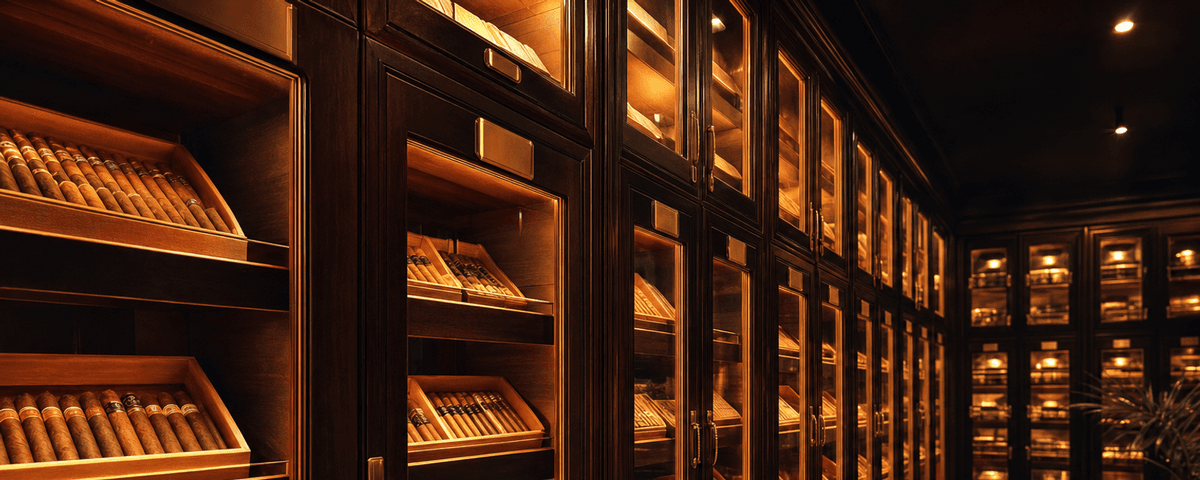
33 座 24 小時恆溫恆濕醇化室
W Cigar Bar 提供的會員醇化空間 · 場地資訊請洽編輯部

雪茄剪 / 打火機 / 雪茄盒 / Boveda
W Cigar 配件官網 · 專營雪茄配件正品

加 LINE 好友 · 文化諮詢
文化空間資訊 · 紳士沙龍 · 私人包場
本網站內容僅供雪茄文化、歷史、收藏與品吸知識研究參考。菸品有害健康、未滿法定年齡者請勿吸菸。實際規範請依所在地法律為準。
吸菸有害健康・戒菸專線 0800-636363・本站僅供 20 歲以上成年人閱覽。
讀到這裡,你不只是路過的人
留下 Email,加入 W 雪茄聖經內圈——總編輯 Wilson Tsai 親選的學院深文與國際新訊,先你一步送到信箱。
· 教育用途非銷售 · 隨時一鍵退訂 · Email 絕不對外公開 · 由勝茄股份有限公司營運
同分類延伸閱讀

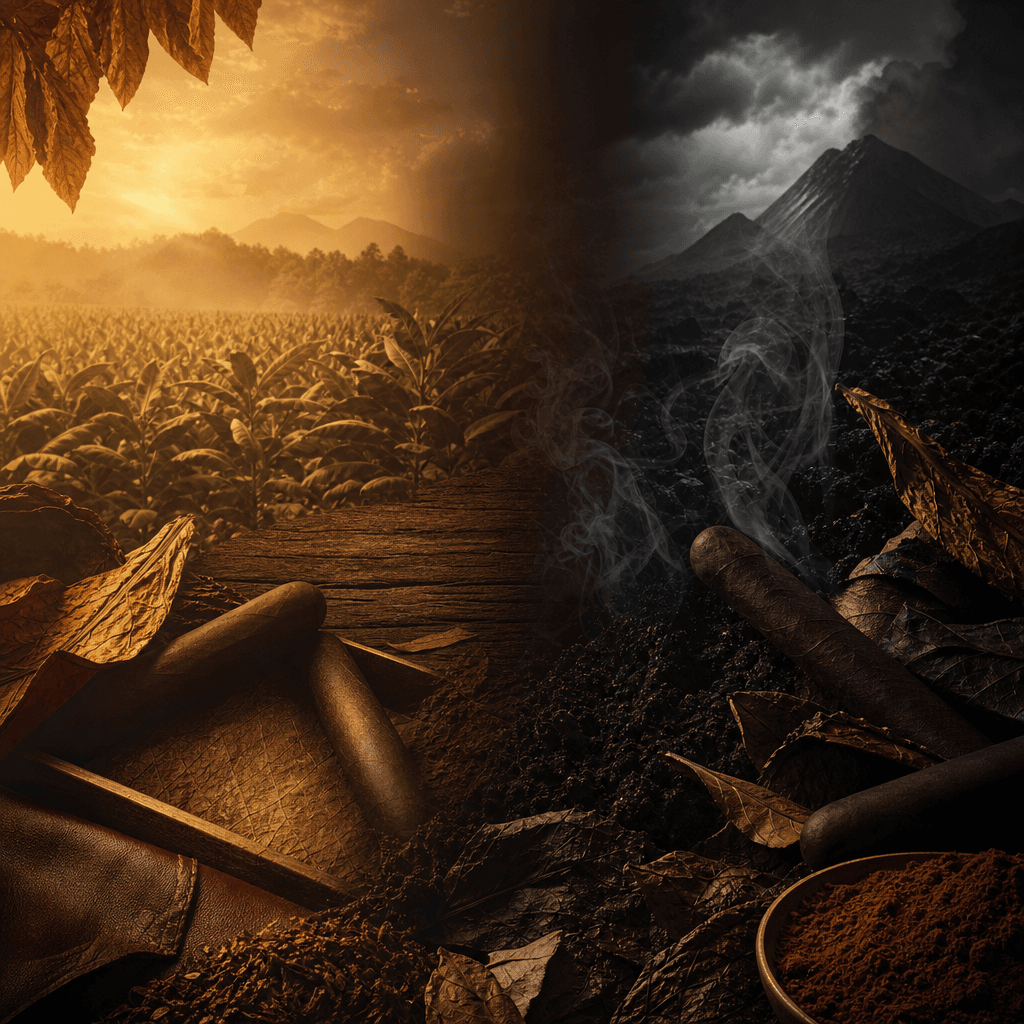

資料來源:W Cigar Bible 編輯部整理 · 雪茄王子 Wilson Tsai 親自審稿
本文僅供雪茄文化、歷史、收藏與品鑑知識研究,不作為菸品促銷、銷售或購買建議。吸菸有害健康,未滿二十歲不得吸菸。