古巴雪茄家族王朝經濟學:Cifuentes / Menéndez / García / Padrón / Fuente 五代家族商業結構深度
Cifuentes 1845 起 Partagás 王朝 / Menéndez 1935 Montecristo 帝國 / García 1958 Padrón 家族 / Fuente 1912 多明尼加王朝 / 五代家族商業治理

古巴雪茄家族王朝經濟學—Cifuentes 1845 起 Partagás 西班牙王朝(Don Jaime Partagás 創立、Ramón Cifuentes 50 餘年接掌、1959 後流亡多明尼加與 General Cigar 合作)、Menéndez 1935 起 Montecristo / H. Upmann 帝國(Alonso Menéndez + Pepe García 1937 收購 H. Upmann、7 美元流亡邁阿密、Benji Menéndez 第三代當代活躍)、García/Padrón 1964 起尼加拉瓜重建王朝(José Orlando Padrón 1959 流亡 1964 創立、三代傳承 Jorge Padrón 當代 CEO、100% 家族控股)、Fuente 1912 起多明尼加王朝(Arturo Fuente 美國坦帕創立、1980 Carlos Fuente Sr./Jr. 遷移多明尼加、Fuente Fuente OpusX 全多明尼加產區、四代傳承)、五大家族當代商業治理三維度對比(國有化 vs 家族控股 / 傳承代數 / 品牌哲學連續性)。
- Cifuentes 家族在 1900 年接手 Partagás,並建立品牌雙血統結構。
- Menéndez 與 García 家族在流亡後於多明尼加重建 Montecristo 和 H. Upmann。
- Padrón 家族保持 100% 家族控股,三代傳承且不上市。
Cuban Cigar Family Dynasty Economics: An In-Depth Look at the Business Structures of Five Generations of the Cifuentes / Menéndez / García / Padrón / Fuente Families
Top-tier cigars are not produced by corporations; they are passed down through family dynasties generation after generation. Cifuentes (Partagás, took over in 1900 - founded in 1845), Menéndez and García (Montecristo 1935 / H. Upmann 1937), Padrón (founded in Miami in 1964 / moved to Estelí in 1970), and Fuente (1912 Tampa / moved to Santiago in 1980): these four family bloodlines span 100-180 years and have taken four entirely different paths of destiny: nationalization, exile and rebuilding, 100% family ownership without going public, and uninterrupted succession across four generations. This article focuses on the business structures, generations of succession, and divergent fates of five major families (García historically partnered with Menéndez, but is treated here as an independent branch), without repeating the histories of individual brands (already covered in the W Cigar Bar Cigar Bible veteran 5 and veteran 7 articles).
Commercial neutrality notice: Family archives are mostly private. The dates and figures cited in this article are mainly based on publicly available secondary sources (Cigar Aficionado / family official websites / Wikipedia cross-checking) and do not constitute investment advice.
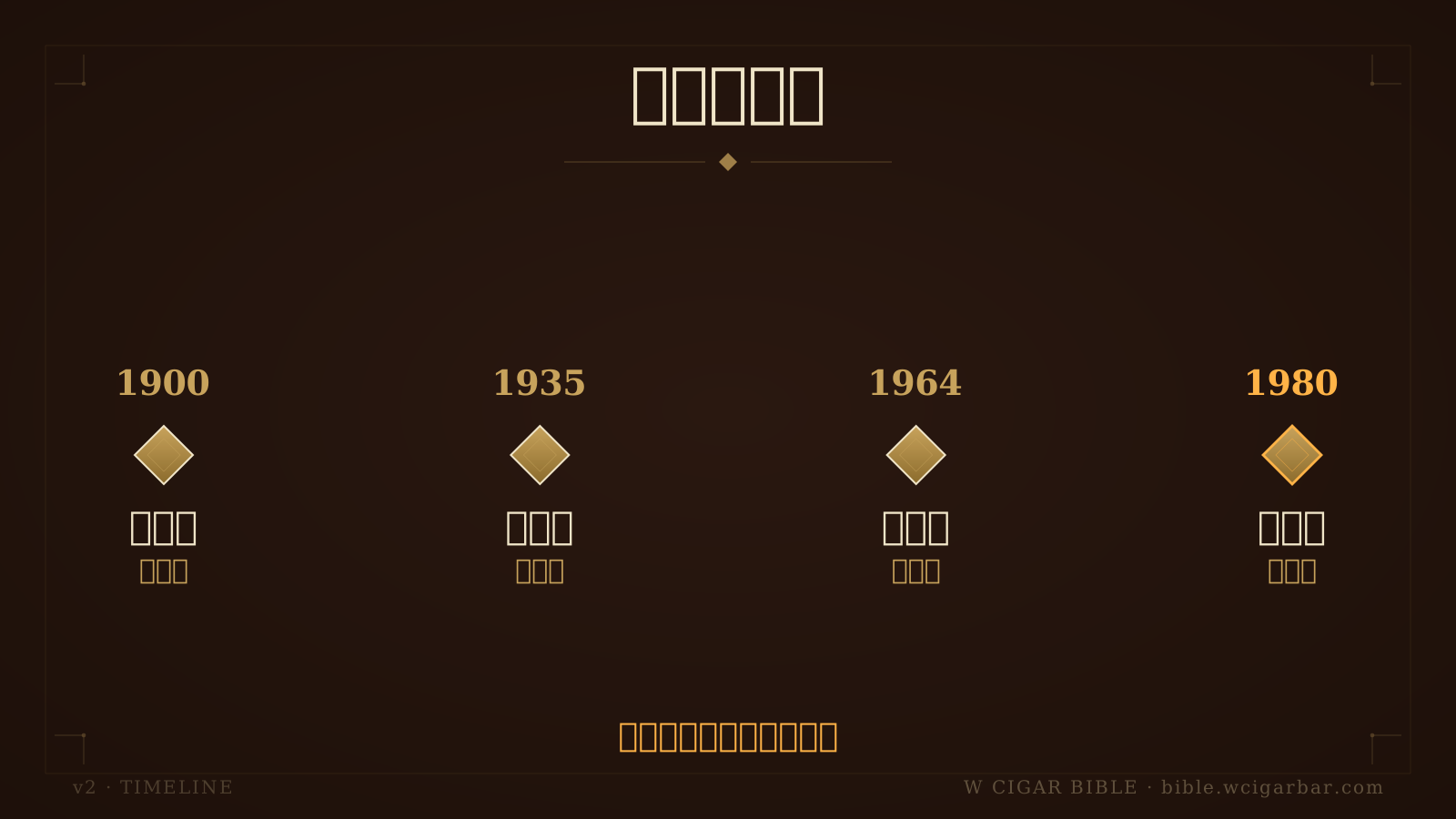
以時間線呈現五大雪茄家族從一九零零到一九八零接掌與重建的重要年代節點圖
Cifuentes Family: The Spanish-Led Dynasty That Took Over Partagás
Partagás was founded in Havana in 1845 by Catalan immigrant Don Jaime Partagás. Jaime's son José managed the business poorly and sold the factory to banker José Bances. In 1900, Bances suffered a financial collapse and transferred it to Ramón Cifuentes Llano from Asturias (Ribadesella) and his partner José Fernández. The true moment when the Cifuentes family took control was this point, not 1845.
The core of the Cifuentes dynasty was a three-generation structure. The first generation, Ramón Cifuentes Llano, reorganized smoking standards after taking over in 1899-1900 and institutionalized leaf selection and brand grading. The second generation, Ramón Cifuentes Toriello (together with his brothers), pushed Partagás to become Cuba's second-largest export brand in 1958, second only to H. Upmann, accounting for more than 1/4 of Cuban cigar exports that year. On September 15, 1960, the Fidel Castro government took over 16 factories at once, including Partagás. Castro once invited Ramón Cifuentes Toriello to serve as the new head of the state-run tobacco industry; after refusing, he went into exile in the United States.
The contemporary business structure is "dual brand bloodlines coexisting": the Cuban Partagás Habanos is operated by the Cuban government through Habanos S.A. (51% Cubatabaco / 49% Imperial Brands -> now Allied Cigar Corporation); the Dominican-made Partagás is owned and produced by General Cigar Company, with Cifuentes descendants having participated for many years in an advisory capacity. The same "Partagás" wording exists on earth as two cigars with completely different bloodlines at the same time. This is the most dramatic twin-brand case left by Cold War commercial geography.
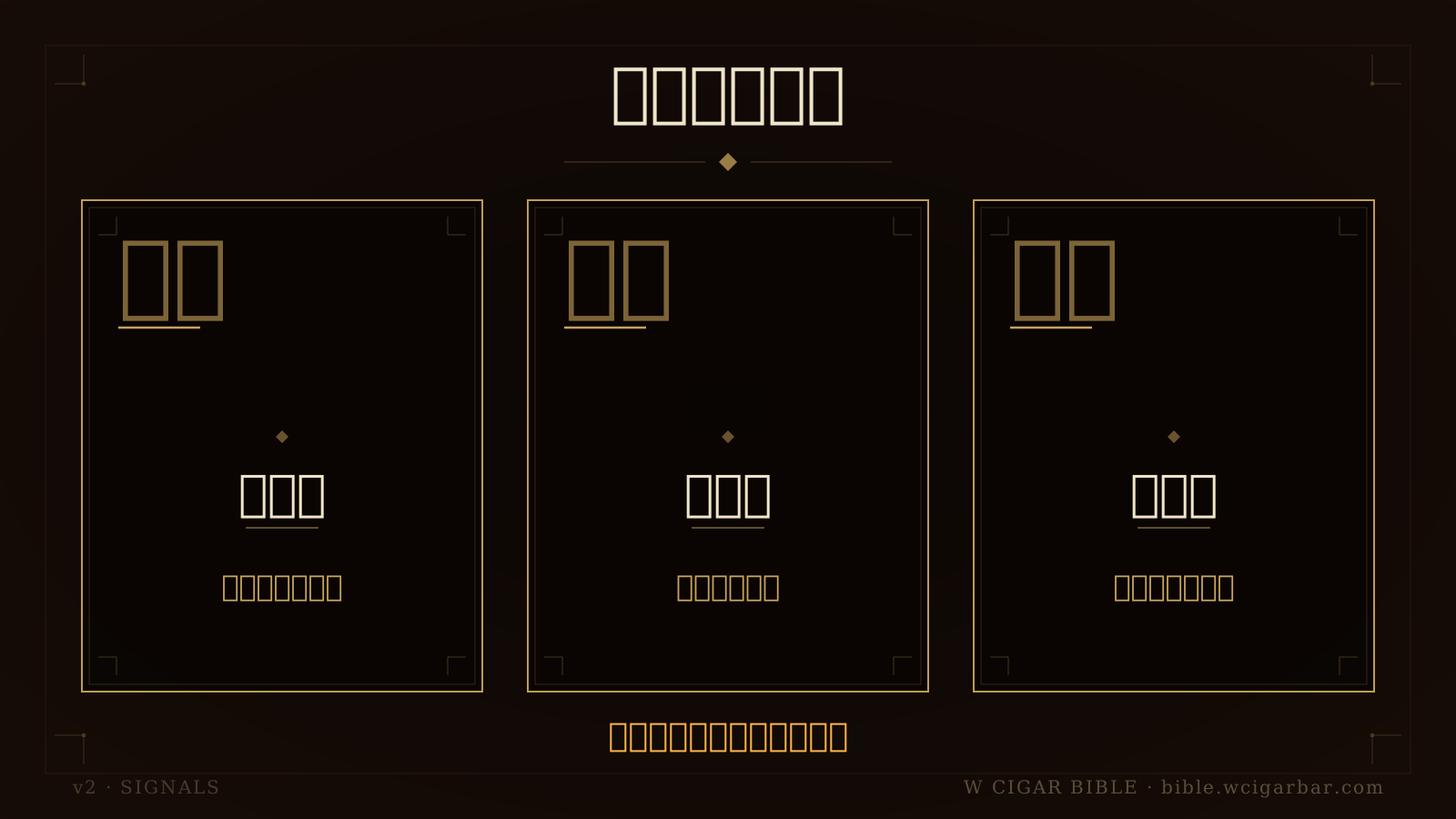
以三張卡片呈現 Padrón、Fuente 與 Cifuentes 三大家族商業結構核心結論的資訊圖
Menéndez and García Families: The Joint-Venture Empire of Montecristo / H. Upmann
In July 1935, Alonso Menéndez bought the Particulares factory in Havana and immediately created the Montecristo brand (the name comes from Dumas's novel, reportedly a common text read aloud by the factory lector to the torcedores). In July 1936, Menéndez and his partner José Manuel "Pepe" García founded Menéndez, García y Cía; in 1937, they bought the H. Upmann factory, founded in 1844 by Hermann Dietrich Upmann, and transferred Montecristo's production line there. This was the starting point of the joint-venture structure of "one company, two legendary brands."
After the 1960 revolution, the Menéndez and García families went into exile. The Menéndez family attempted to rebuild in Spain's Canary Islands but failed, and ultimately established a factory in the Dominican Republic's La Romana in the mid-1970s (not Cibao Valley; La Romana is another production area and later became the location of Tabacalera de García, the world's largest cigar factory). The family's third generation, Benji Menéndez, later served for many years as a blending consultant for General Cigar and is regarded as a living witness linking Cuban tradition with new Dominican blood.
The García family was the technical core of the joint venture, and Pepe García was the soul of the factory side. After exile, the García line remained for a long time on the Dominican factory line, passing to the second generation Benjamin García and then to the third generation, who continued to work at Tabacalera de García. This is a rare model in the cigar world of "two families in a century-long joint venture without separation."
The contemporary significance of the business structure: Cuba's Habanos S.A. holds the trademarks for Montecristo / H. Upmann in the European and Asian markets; in the non-Cuban market (with the United States being the largest), they are produced by Altadis USA's Tabacalera de García, using the Dominican-version formulas rebuilt by the Menéndez family after exile. This is also a case of dual bloodlines coexisting, but in this case the family has been fully preserved within the Dominican bloodline, unlike the Partagás case, where the Cifuentes descendants remain only in an advisory role.
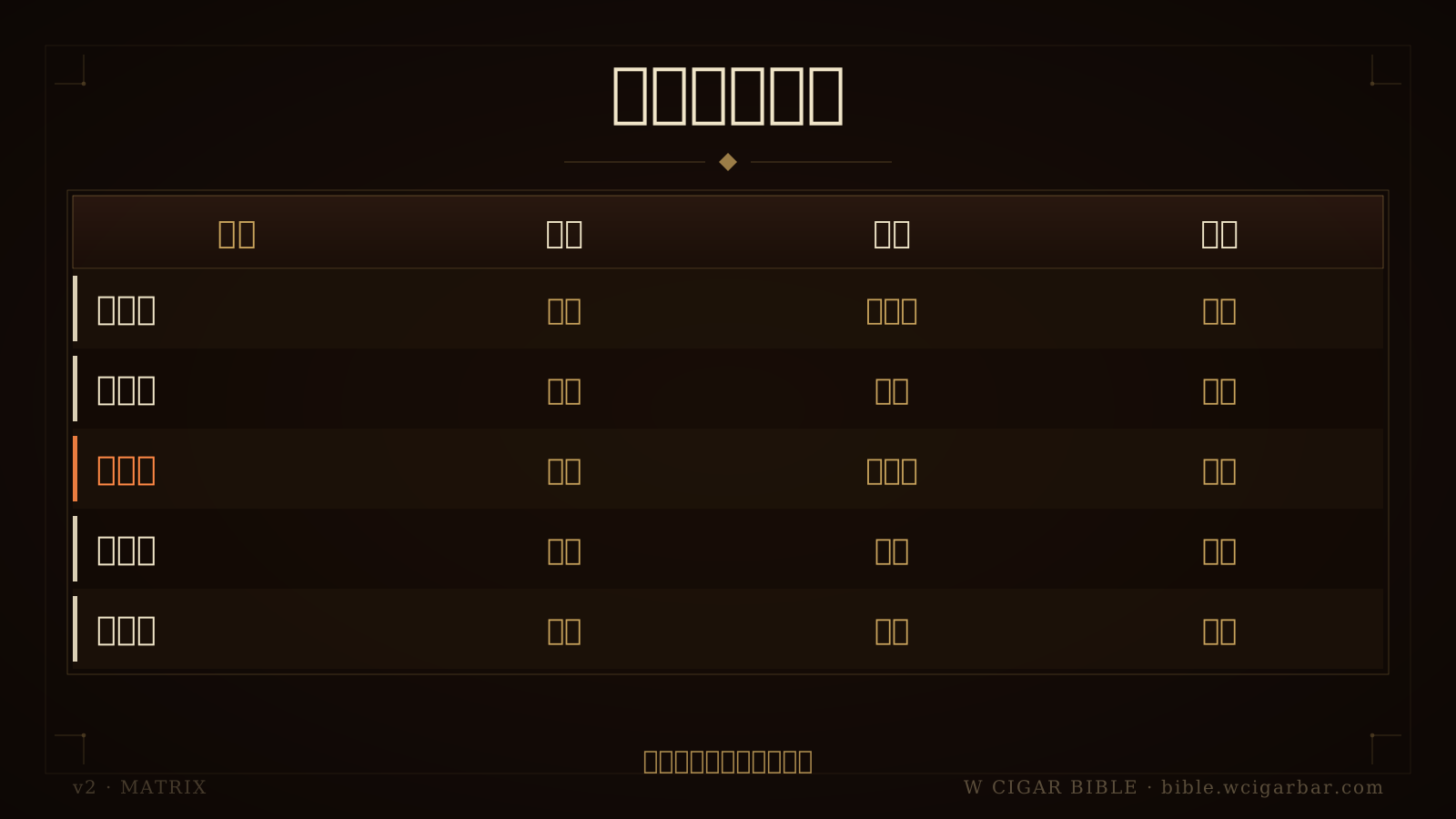
比較五大雪茄家族傳承代數、控股結構與命運路徑差異的資訊對照表
Padrón Family: The 100% Family-Owned Non-Cuban Flagship
José Orlando Padrón (born in 1926 in Pinar del Río, Cuba) left Cuba in 1961 after his land and tobacco fields were confiscated, passing through Spain and New York before arriving in Miami. Receiving $60 per month in Cuban refugee assistance, he used a hammer given by a friend to do carpentry and saved $600. On September 8, 1964, he founded Padrón Cigars. The original company name was "Piloto Cigars Inc." (taken from the name of the family's tobacco fields in the town of Piloto in Pinar del Río). In 1970, the company moved to Estelí, Nicaragua, where it remains to this day.
Note: The commonly seen stories that "Menéndez went into exile with 7 dollars" and "Padrón started his business with 7 dollars" are two different versions that are often confused. The verifiable version for Padrón is $60/month in assistance + $600 in carpentry savings, not $7.
The core business characteristics of the Padrón dynasty are extreme family ownership + not going public:
- Three direct generations of succession: first generation José O. Padrón (1926-2017, led for 51 years), second generation Jorge Padrón (current CEO), and third generation Orlando Padrón Jr. and others have already joined.
- 100% family shareholding, no outside investors, no plans to go public, and tobacco leaf procurement personally decided by the family.
- During the 1985-1986 Reagan embargo on Nicaragua, within the 5-day grace period, the family moved cigars and tobacco leaves back to Tampa and personally oversaw crisis management.
- Flagships such as Padrón 1964 Anniversary, 1926, Family Reserve, and Serie No. 50 are personally supervised by family members in terms of blending and grading.
This structure determines Padrón's craft stability among non-Cuban flagships: over 60 years and three generations, there has been no intervention by outside capital, and the brand philosophy (aged Hybrid Habano seed, powerful Estelí gentlemanly style) has not been distorted by market pressure.

整理雪茄家族王朝史三個常見記錯與正確觀念的提醒圖
Fuente Family: A Dominican Dynasty Across Four Generations
Arturo Fuente (born in 1888 in Güines, Cuba; immigrated to the United States in 1902) founded Arturo Fuente Cigars in West Tampa in 1912, and by 1922 had reached a peak of 500 employees. In 1924, while Arturo was in Cuba purchasing tobacco leaves, the factory caught fire and was completely destroyed, after which production stopped for 22 years. It was not until 1946 that the brand returned on a small scale in the family's backyard (about 160 square feet in Ybor City), with his wife personally rolling cigars.
In 1958, Arturo Fuente Sr. handed the brand to his son Carlos Fuente Sr. (1935-2016). In 1979, the family's factory in Nicaragua was burned down again in the flames of the Nicaraguan revolution. Carlos Sr. mortgaged his own house, added Carlos Jr.'s savings, and in 1980 moved the entire family to Santiago de los Caballeros in the Dominican Republic to rebuild. This was the true starting point of Fuente's entry into the "Dominican dynasty."
The Fuente family's representative works reflect a unique business philosophy: paying tribute to people (Hemingway commemorating Hemingway, Don Carlos commemorating father Carlos Sr., Casa Cuba commemorating Cuban roots), and the flagship Fuente Fuente OpusX: an all-Dominican production-area cigar (wrapper, binder, and filler all Dominican, especially the Dominican wrapper from the family's own Chateau de la Fuente estate). Before OpusX appeared in 1995, the idea that "the Dominican Republic could grow top-tier wrapper leaf" was a hypothesis that had been denied. Fuente proved it wrong with three generations.
Contemporary four-generation structure: first generation Arturo Fuente (1888-1973); second generation Carlos Sr. (1935-2016); third generation Carlos Fuente Jr. (current CEO and supreme decision-maker of brand philosophy); fourth generation Liana Fuente (daughter, currently responsible for the joint ventures of Newman Family and Fuente). Spanning 113 years and four uninterrupted generations, it is the branch with the longest generational succession among non-Cuban family dynasties.

長條圖比較古巴線與流亡線在控股遷移等面向
The Four-Way Crossroads of the Four Great Family Dynasties
Putting the four branches above into the same table, one can see that cigar family dynasties have taken four completely different paths of destiny:
First path - Only an advisory bloodline remains after nationalization (Cifuentes): The original Cuban factory was nationalized, and after 1960 the family continued only in an advisory capacity with Dominican General Cigar. The brand has dual bloodlines coexisting, but within one of those bloodlines, the family has only symbolic significance left.
Second path - Complete rebuilding by two families in a joint venture (Menéndez & García): After exile, they completely rebuilt in La Romana, Dominican Republic, and the two families still actually operate on the Tabacalera de García factory line today. Benji Menéndez and García descendants are among the few living representatives of the pre-revolutionary generation still participating in brand decisions.
Third path - 100% family ownership without going public (Padrón): Avoiding the Cuba issue, starting in Miami, building the enterprise in Estelí, 60 years without outside capital intervention, and three direct generations. It is the purest business case of "family enterprise craft stability."
Fourth path - A Dominican dynasty uninterrupted across four generations (Fuente): Counting from 1912, 113 years; surviving two factory fires (1924 Tampa / 1979 Nicaragua); rewriting the map of Dominican tobacco leaves with OpusX; and beginning the handover to fourth-generation female succession (Liana).
What determined destiny was not quality, but business structure and geopolitics. Nationalization determined the fate of Cifuentes; the joint-venture structure and early relocation saved Menéndez/García; unlisted family ownership gave Padrón craft independence; cross-generational female succession allowed Fuente to break through the curse of "decline by the third generation."
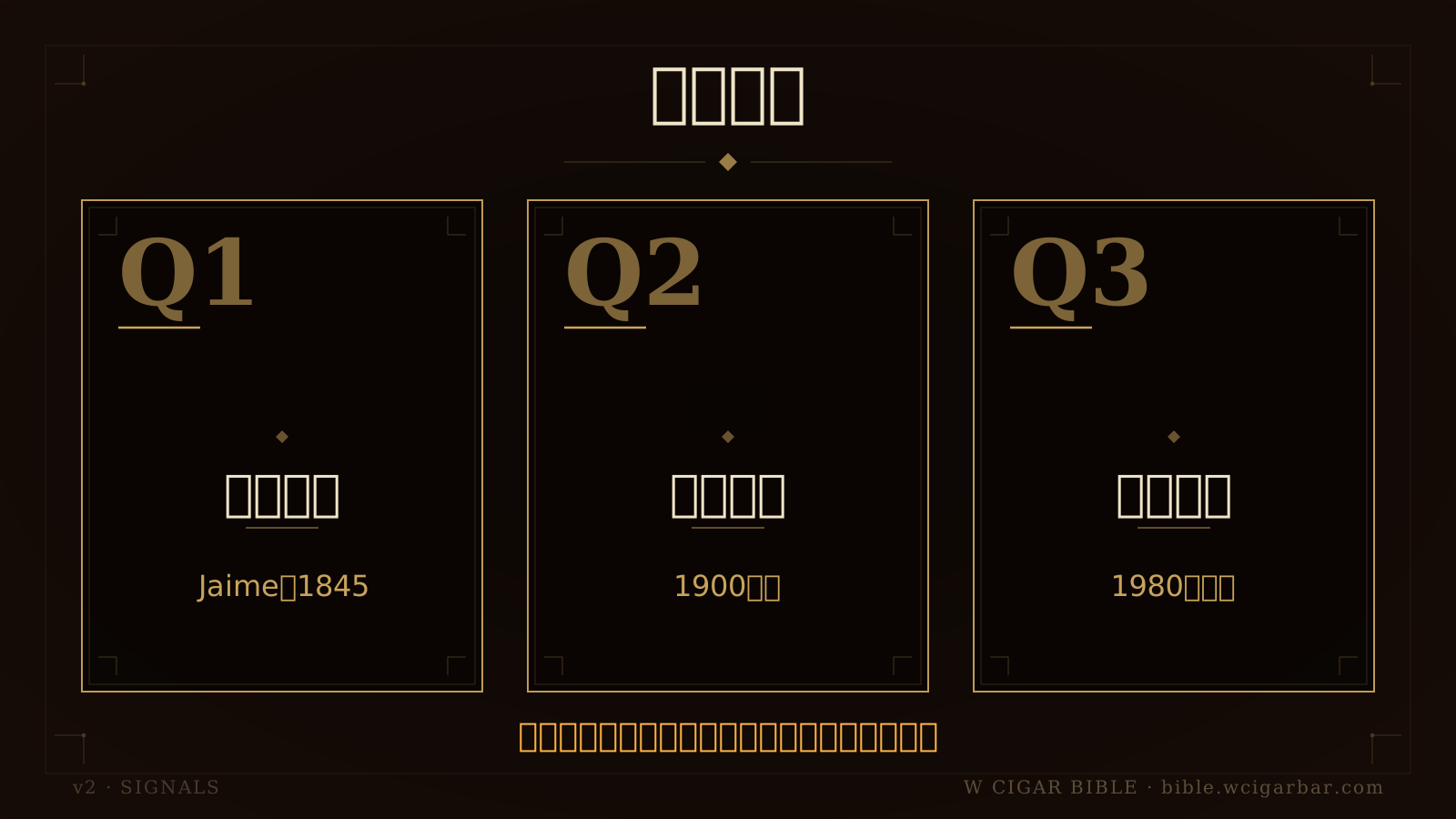
快問快答列出巴塔接掌蒙牌誕生與富恩遷移
The Significance of Family Dynasty Economics for Gentlemen's Club Members
Among the inventory in W Cigar Bar Da'an flagship store's 33 VIP cigar lockers (24-hour conditioning), Padrón 1964 Anniversary / 1926 / Family Reserve, Fuente Hemingway / Don Carlos / OpusX, the Montecristo series, and the dual bloodlines of Partagás are all housed. Understanding the divergent destinies of the family dynasties behind these brands will change one's perspective of appreciation:
Entry level - During appreciation, being aware of which family dynasty a brand belongs to: when drawing a Padrón 1964, knowing that it embodies 60 years and three generations of family philosophy without going public; when drawing a Hemingway, knowing that it represents 22 years of silence after the 1924 fire and a fourth rebirth after the 1980 Dominican rebuilding.
Intermediate level - Understanding differences in generational succession and business governance: the succession pressures of Fuente across four generations vs Padrón across three generations are fundamentally different; Fuente has entered a phase of female succession (Liana), while Padrón remains in a third-generation male-led phase.
Deepest level - During appreciation, being aware of the contemporary significance of divergent family destinies: lighting a Cuban Partagás Serie D No. 4 and comparing it with a Dominican Partagás Black Label is to take the 1960 destiny fracture of the Cifuentes family directly into your mouth: the same word, two bloodlines, double the history. This is the most complete experience of family dynasty economics that top-tier cigar appreciation can offer gentlemen's club members.
Family dynasty economics in one sentence: Top-tier cigars are not produced by corporations; they are passed down through 60-180 years of family dynasties generation after generation.
--
Procurement sources: Cuban cigars from four major regular channels (PCC authorized dealers, official Cuban state-run stores, Swiss general agent, Spanish general agent).
LUBINSKI accessories official website: https://cigarclub.tw/
Venue information: https://share.google/d9NIeFEetij9qWKj0
This site is for adults aged 20 and above only. Smoking is harmful to health. Smoking cessation hotline: 0800-636363.
W Cigar Bar Gentlemen's Cigar Lounge, written and planned by Cigar Prince Wilson Tsai.
Like this article?Share with friends
Share this W Cigar Bible piece with friends who want to learn cigar culture, storage, and tasting.
想把這篇 化為實踐
雪茄聖經是知識;雪茄文化要在空間裡發生

W Cigar Bar 大安總店資訊
台北大安區 · 雪茄聖經總編輯 Wilson Tsai 主理的雪茄文化空間
33 座 24 小時恆溫恆濕醇化室
W Cigar Bar 提供的會員醇化空間 · 場地資訊請洽編輯部
雪茄剪 / 打火機 / 雪茄盒 / Boveda
W Cigar 配件官網 · 專營雪茄配件正品
加 LINE 好友 · 文化諮詢
文化空間資訊 · 紳士沙龍 · 私人包場
本網站內容僅供雪茄文化、歷史、收藏與品吸知識研究參考。菸品有害健康、未滿法定年齡者請勿吸菸。實際規範請依所在地法律為準。
吸菸有害健康・戒菸專線 0800-636363・本站僅供 20 歲以上成年人閱覽。
影片來源:Habanos S.A. 官方 YouTube 頻道 · 教育性內容引用 · AI 智能配對
讀到這裡,你不只是路過的人
留下 Email,加入 W 雪茄聖經內圈——總編輯 Wilson Tsai 親選的學院深文與國際新訊,先你一步送到信箱。
· 教育用途非銷售 · 隨時一鍵退訂 · Email 絕不對外公開 · 由勝茄股份有限公司營運
同分類延伸閱讀


資料來源:W Cigar Bible 編輯部整理 · 雪茄王子 Wilson Tsai 親自審稿
本文僅供雪茄文化、歷史、收藏與品鑑知識研究,不作為菸品促銷、銷售或購買建議。吸菸有害健康,未滿二十歲不得吸菸。