雪茄的產區與風味:探索不同地理環境的獨特性
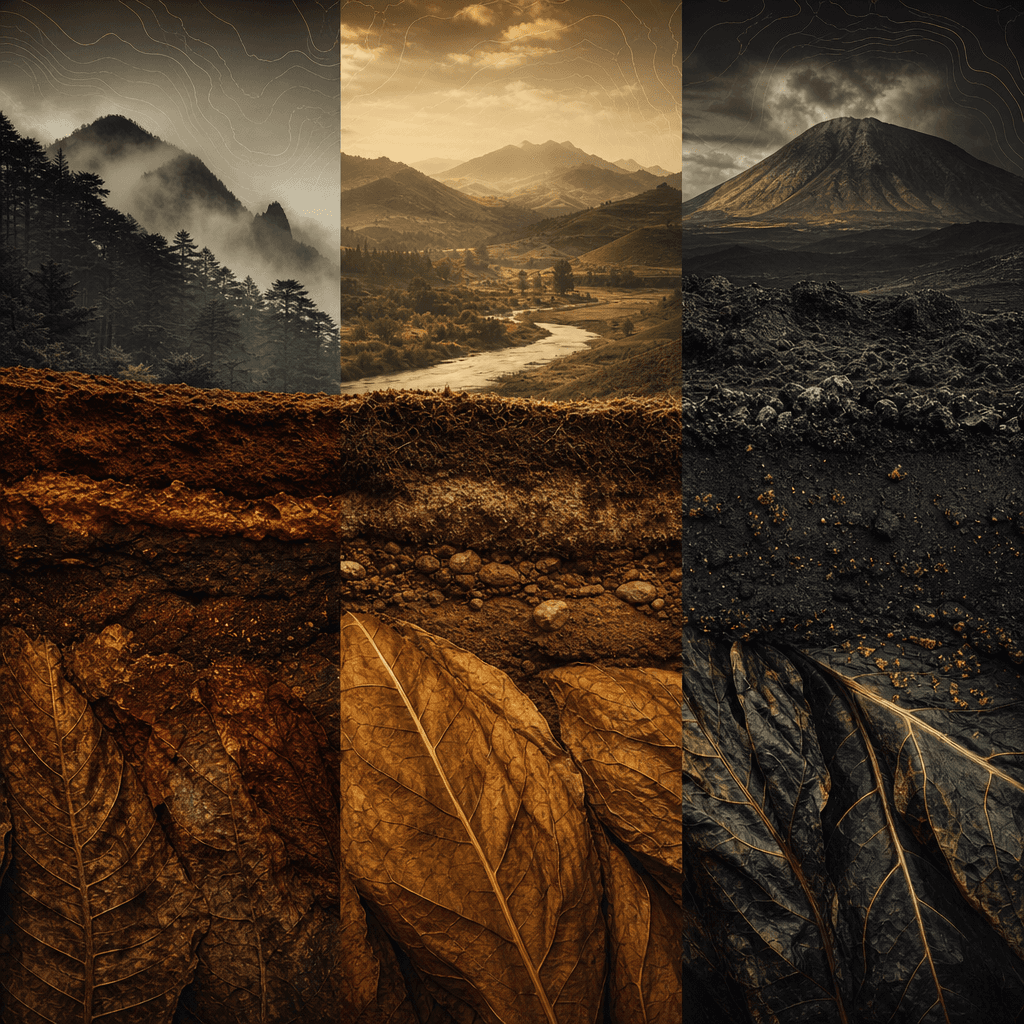
風土是雪茄風味的重要基礎,入門者應學會將產區納入風味判讀。每個產區的土壤、氣候和發酵方式影響雪茄的性格,如古巴的Vuelta Abajo以泥土感和層次著稱,而多明尼加則以優雅和均衡為特色。尼加拉瓜則因火山土而展現出力量感和現代風格。了解不同產區的風味系統,能幫助雪茄愛好者更深入地品味每一支雪茄的獨特魅力。
- 雪茄的風味受產區影響,土壤、氣候與發酵工藝共同塑造其獨特性。
- 古巴雪茄以層次感和風味轉折著稱,適合用不同尺寸比較以理解其特性。
- 多明尼加雪茄強調平衡與細節,適合訓練對細緻甜感與乾淨尾韻的敏感度。
The Regions and Flavors of Cigars: Exploring the Uniqueness of Different Geographical Environments
Terroir is not mysticism; it is the fundamental skill of cigars that is most easily overlooked. After beginners are familiar with cutting, lighting, and puffing, the next step is not to rush to chase rare editions, but to learn to incorporate "region" into flavor interpretation: why do the same woody, cocoa, and pepper notes feel like moist soil in Cuba, black pepper in Nicaragua, and creamy nuts in the Dominican Republic?
As the editor of the "Cigar Bible," I have long observed the performance of different brands, vintages, and batches, and I am increasingly convinced: understanding the region is the key to understanding the character of cigars. Below, I will use geography, climate, soil, and actual brand examples to help you build a repeatable flavor map.
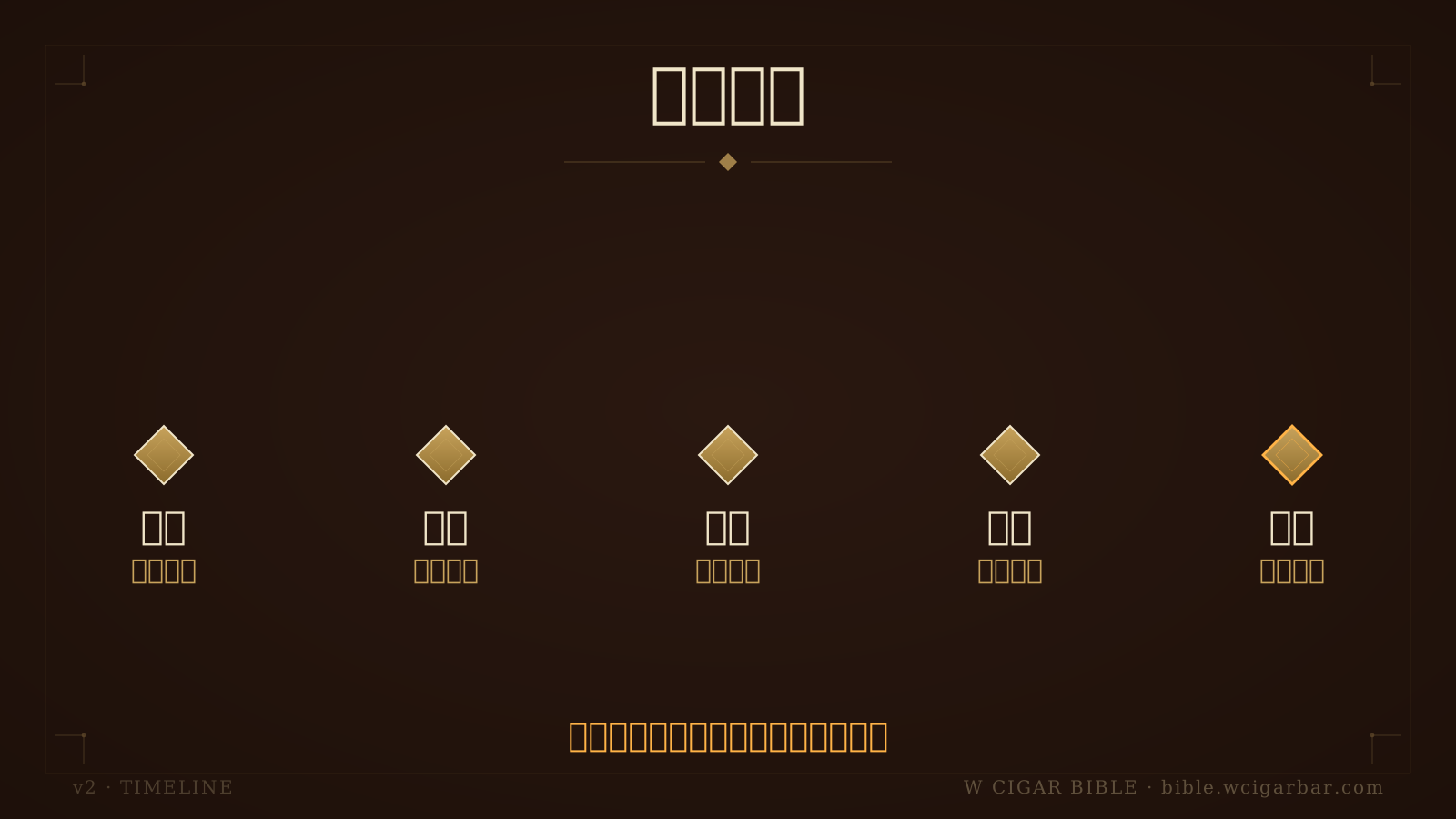
流程圖依序呈現土壤氣候發酵尺寸與記錄五步驟
The Underlying Logic of Regional Flavors: Soil, Temperature Difference, and Rainfall
Cigar flavors come from tobacco, and tobacco is a very sensitive crop. For the same variety, when planted in clay, sandy loam, or volcanic ash soil, the proportion of minerals absorbed by the roots differs, resulting in different sweetness, spiciness, saltiness, and ash structure when burned. The red soil of western Cuba, the fertile valleys of the Cibao Valley in the Dominican Republic, and the volcanic soil of Estelí in Nicaragua are three typical contrasts.
A region is not merely a place name but a flavor system composed of soil, sunlight, humidity, altitude, and human fermentation. For example, Estelí is hot during the day and cools at night, allowing the leaves to accumulate higher concentrations of nicotine and oils; whereas some valleys in the Dominican Republic have more stable humidity, resulting in softer leaf textures, often with creamy, woody, nutty, and floral profiles.
Vintages can also change flavors. In 2014, some regions of Nicaragua had higher rainfall, and if drying and fermentation control were poor in the later stages, a green taste was likely; conversely, batches with stable conditions from 2018 to 2019 showed cleaner sweetness and burn lines. Beginners can start by remembering three observation points: whether the first puff is stimulating, whether it turns sweet after one-third, and whether the final part is bitter and unbalanced. This is more practical than memorizing region names.
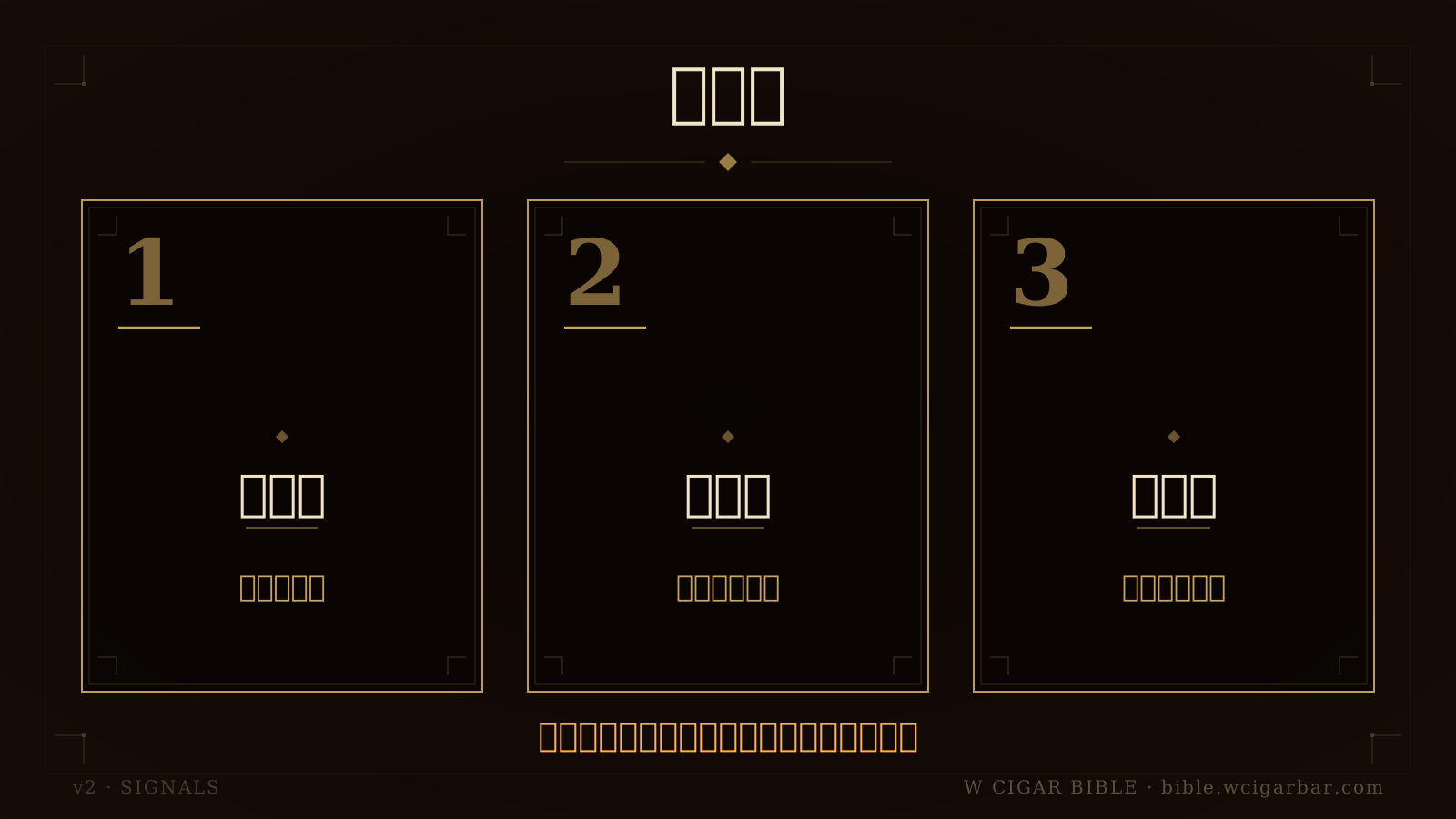
三張卡說明土壤氣候與紀錄對判讀產區風味的重要性
Cuba: The Earthiness, Minerality, and Complexity of Vuelta Abajo
When discussing cigar regions, Cuba remains the most important starting point. The Vuelta Abajo in the Pinar del Río province is considered one of the core regions for premium Cuban tobacco, especially in areas like San Luis and San Juan y Martínez, which have long supplied high-quality wrappers, binders, and fillers. Brands like Cohiba, Montecristo, Partagás, and Hoyo de Monterrey showcase the classic expressions of Cuban terroir in various sizes.
Cuban cigars are often described as "earthy, cedar, coffee, hay, mineral, and slightly salty." These words are not romantic rhetoric but stem from the local red soil, sea breeze humidity, and traditional fermentation methods. Take Montecristo No.2 as an example; since the brand's inception in 1935, the torpedo size has become a benchmark for many in understanding Cuban balance: woody in the front, coffee and leather in the middle, often with soil and slightly bitter cocoa in the back.
The charm of Cuba lies not in a single strong flavor but in the subtle transitions, high complexity, and recognizable aftertaste. For instance, the Cohiba Behike series was officially launched in 2010, and with the addition of medio tiempo leaves, the oiliness and thickness are evident, but if the storage environment is too humid, it can lead to poor burn and muted aromas. This reminds us: reputation cannot replace condition judgment.
For beginners, Cuban cigars may not be easy to understand at first. You can compare three different sizes from the same brand, such as Partagás Serie D No.4, Serie P No.2, and Shorts, recording the changes every 20 minutes in the front, middle, and back sections. When you can distinguish between "earthiness" and "charred bitterness," you have truly crossed the first threshold.
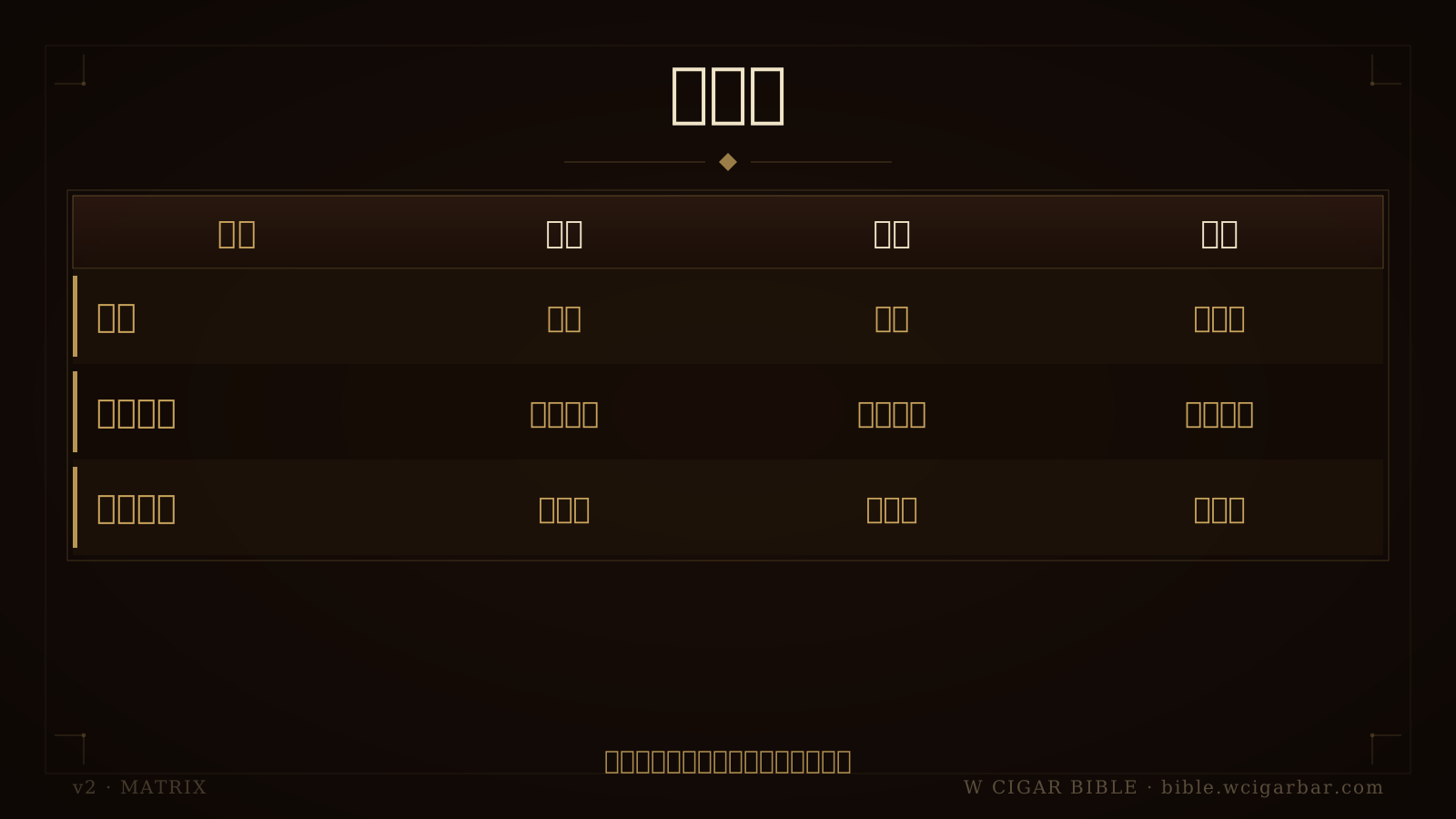
比較矩陣列出古巴、多明、尼加的土壤主調與強度差異
Dominican Republic: The Representative of Elegance, Balance, and Fermentation Craft
The cigar industry in the Dominican Republic matured rapidly in the latter half of the 20th century, especially in the Santiago and Cibao Valley areas, becoming important bases for many international brands. After the changes in the Cuban industry in the 1960s, a large amount of technology, seeds, and production experience migrated, and the Dominican Republic gradually established its style. Arturo Fuente, Davidoff, and La Aurora are key brands for understanding this region.
Dominican cigars often have creamy, almond, cedar, white pepper, floral, and slight honey notes, usually not as direct in strength as Nicaragua but with high craftsmanship. La Aurora, founded in 1903, is a long-established brand in the area; after Davidoff fully shifted production to the Dominican Republic in the early 1990s, its clean, elegant, and stable burning style reintroduced the world to the possibilities of Dominican leaves.
The strength of the Dominican Republic is balance and detail, suitable for training the palate's sensitivity to "delicate sweetness" and "clean aftertaste." For example, Arturo Fuente OpusX was launched in 1995, proving that the Dominican Republic can also cultivate high-quality wrappers and produce cigars with rich, spicy, and sweet flavors. This was an important rewrite of the past perception that the area could only provide mild fillers.
Beginners who want to practice Dominican flavors can choose to compare Connecticut Shade wrappers with Cameroon or Rosado wrappers. The former is often mild, creamy, and woody; the latter may have cinnamon, nuts, and more pronounced spiciness. Don't just judge by "mild" or "strong," but ask yourself: where does the sweetness appear? Is the aroma open or restrained? Is the aftertaste clean or sticky?
Nicaragua: Volcanic Soil, Strength, and Modern Boutique Style
Nicaragua has been one of the most watched regions in the past two decades. Estelí, Jalapa, Condega, and Ometepe each have their character: Estelí is powerful, with black pepper, earth, and dark cocoa; Jalapa is sweeter, often with brown sugar, dried fruit, and mild spices; Condega is in between, with herbal and woody notes; Ometepe, located on a volcanic island, often shows mineral, coffee, and wild aromas.
Padrón is an important brand for understanding Nicaragua. The Padrón 1964 Anniversary series was launched in 1994 to commemorate the brand's founding in 1964, known for its box-pressed shape, rich cocoa, coffee, and pepper. After the Oliva Serie V was launched in 2007, many connoisseurs also recognized the thickness and sweetness of Nicaraguan Ligero leaves, not just intensity.
The core of Nicaragua is not "heavy flavor" but the oiliness, minerals, and spicy framework brought by volcanic soil. A good Nicaraguan cigar, even with high strength, should still have sweetness support; if it's only spicy, bitter, and harsh, it's likely due to high burning temperature, improper humidity, or a too-fast personal pace. It's recommended to space each puff 45 to 60 seconds apart, allowing the temperature to drop, and the flavors will be much clearer.
To compare internal differences in Nicaragua, you can choose a dark wrapper primarily from Estelí and contrast it with a blend containing Jalapa leaves. Record whether you feel black pepper in the front, whether it transitions to cocoa or coffee in the middle, and whether caramel or minerals appear in the back. When you can distinguish between "spiciness" and "stimulation," you have truly understood Nicaragua's modern style.
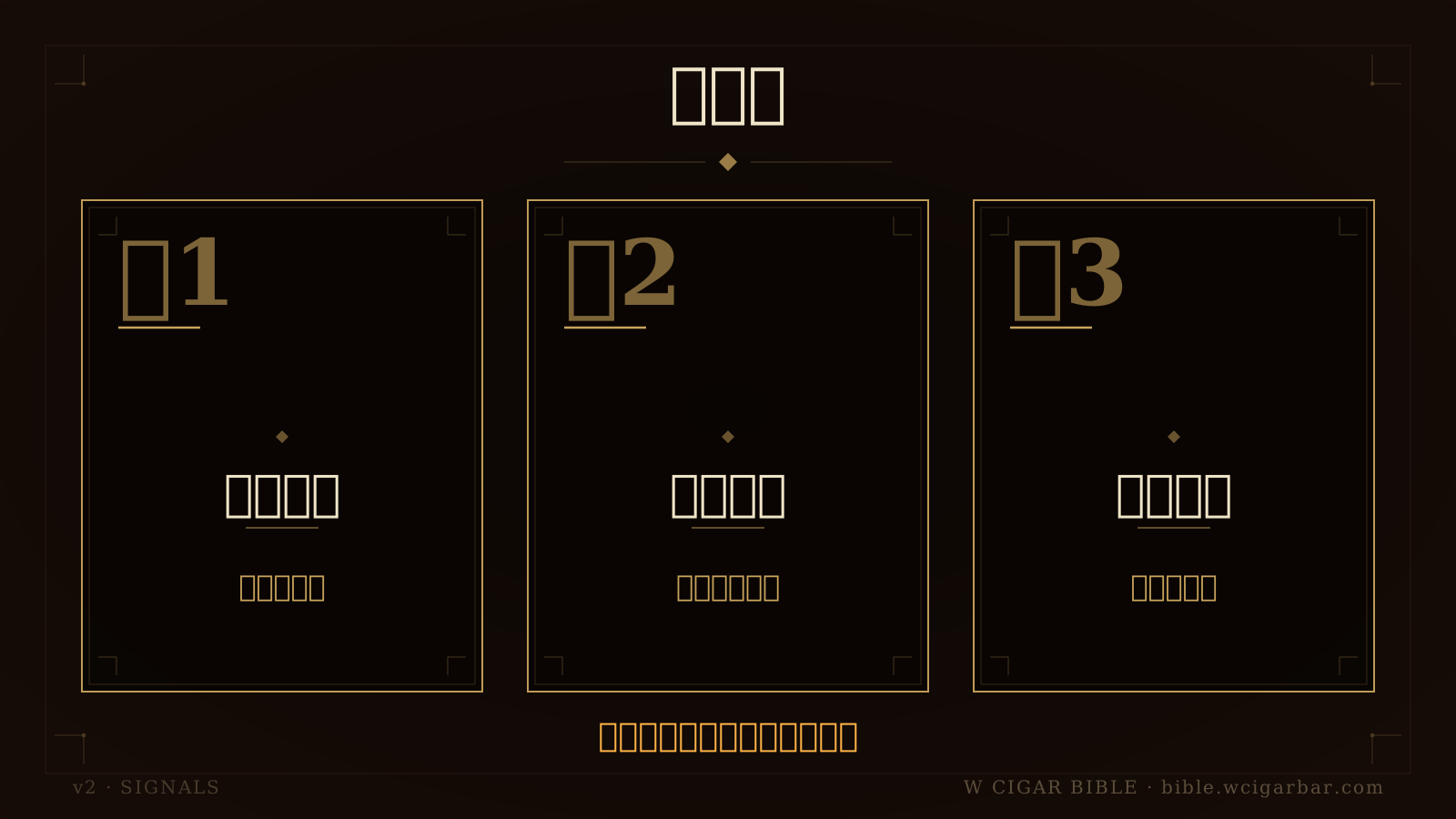
三張錯誤卡提醒不要只看深色茄衣品牌或尺寸
Honduras, Ecuador, and Mexico: The Underrated Key to Blends
Besides Cuba, the Dominican Republic, and Nicaragua, Honduras, Ecuador, and Mexico are often underrated but are the soul sources of many excellent cigars. The Jamastrán Valley and Copán areas in Honduras have soil and climate suitable for cultivating rich tobacco, often with woody, leather, black coffee, and earthy notes. The Camacho brand developed after the late 1960s is known for its strong Honduran style.
Ecuador's uniqueness lies in its cloud cover. Near the equator, the sunlight is strong, but the high-altitude clouds provide natural shading, allowing Connecticut, Habano, Sumatra, and other wrapper leaves to grow thinner with an oily sheen. Ashton VSG, launched in 1999, uses Ecuadorian Sumatra wrappers paired with Dominican fillers, presenting a dark sweet aroma, spices, and a rich texture, making it a classic example of cross-regional blends.
| Region | Common Role | Typical Flavor | Representative Case |
|---|---|---|---|
| Honduras Jamastrán | Filler, Binder | Leather, Coffee, Earth | Camacho Corojo |
| Ecuador | Wrapper | Spice, Sweet Wood, Cocoa | Ashton VSG |
| Mexico San Andrés | Wrapper | Dark Chocolate, Earth, Sweet Spice | Drew Estate Liga Privada |
Modern cigars are mostly not single-region works but precise blends of cross-regional leaves. The Mexican San Andrés Maduro wrapper has become especially important in recent years due to its thick, sweet, spicy, dark chocolate, and earthy notes, often used to increase depth of flavor. When reading a blend, don't just look at the brand's nationality, but also where the wrapper, binder, and filler come from; the flavor answers are often hidden there.
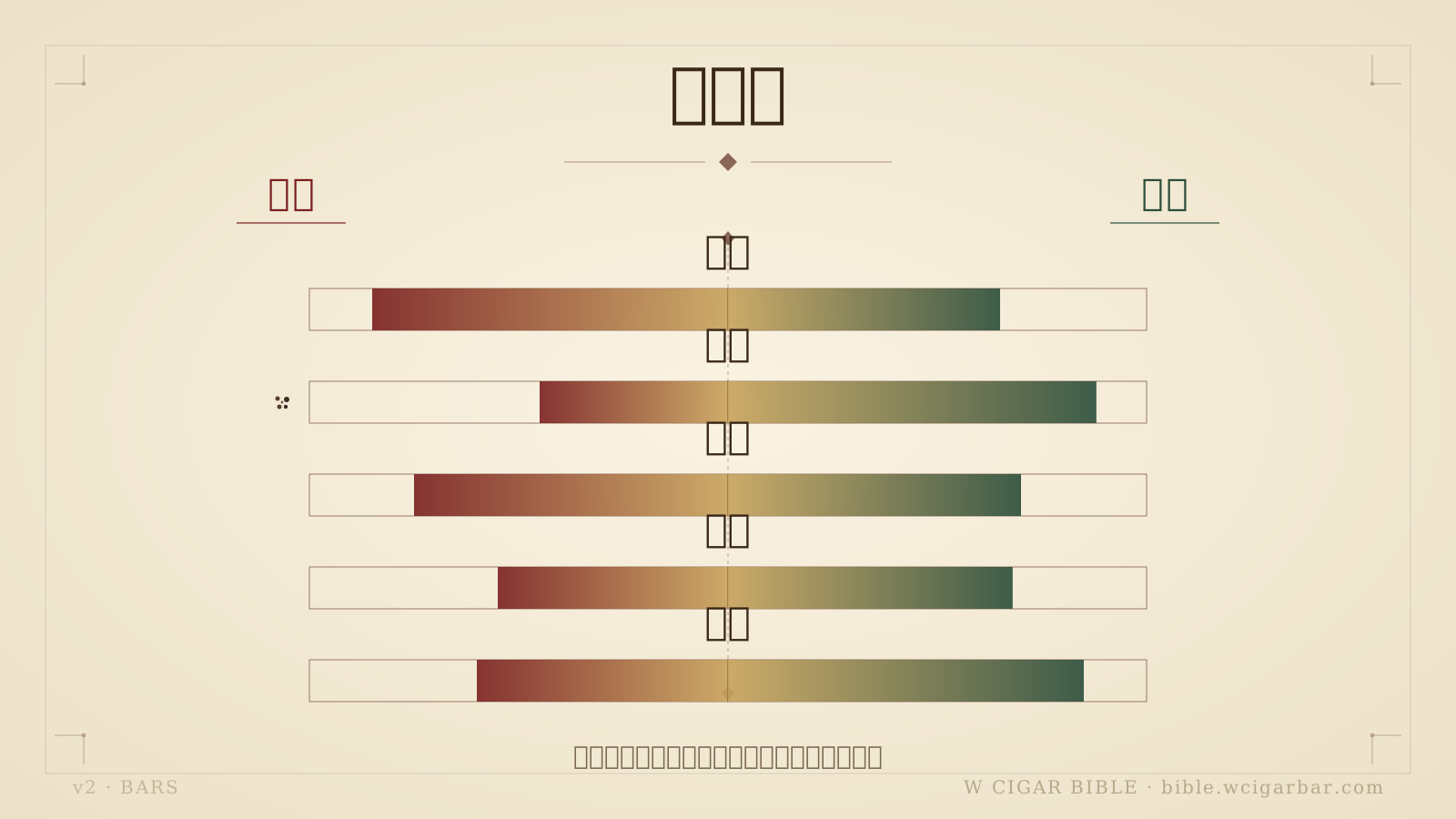
長條圖比較古巴與尼加在層次辛香礦物甜感強度的差異
How to Use Regions to Build Your Own Flavor Training Table
The biggest fear in learning about regions is just memorizing adjectives. I suggest practicing with a "three-in-one" method: one Cuban or Cuban-style, one Dominican, and one Nicaraguan, with sizes as close as possible, such as Robusto with about a 50 ring gauge and a length of 4.8 to 5 inches. Similar sizes can reduce burning differences, allowing you to focus more on flavor rather than shape and time.
Effective training is not about smoking a lot at once but about recording comparable signals in a fixed format. You can divide a cigar into the front section 0 to 20 minutes, the middle section 20 to 45 minutes, and the back section after 45 minutes. Record four items for each section: aroma, sweetness, spiciness, and aftertaste. For more precision, add burn line, ash column, draw resistance, and mouth dryness. After three months, reviewing the records will show significant progress.
Suggested recording format:
- Date, indoor temperature, and humidity, e.g., 22°C, 65%RH
- Brand, series, size, and box code or purchase year
- Wrapper, binder, and filler origin
- Three flavor words for each front, middle, and back section
- Pairing drinks and whether they affect judgment
- Burn, draw resistance, back section stability
For example, if you record Padrón 1964, Davidoff Signature, and Partagás Serie D No.4 in 2023, and revisit the same series six months later, you'll find your ability to distinguish "sweet wood," "coffee bitterness," and "mineral saltiness" much clearer. Regional knowledge must return to sensory training; otherwise, it's just theoretical.
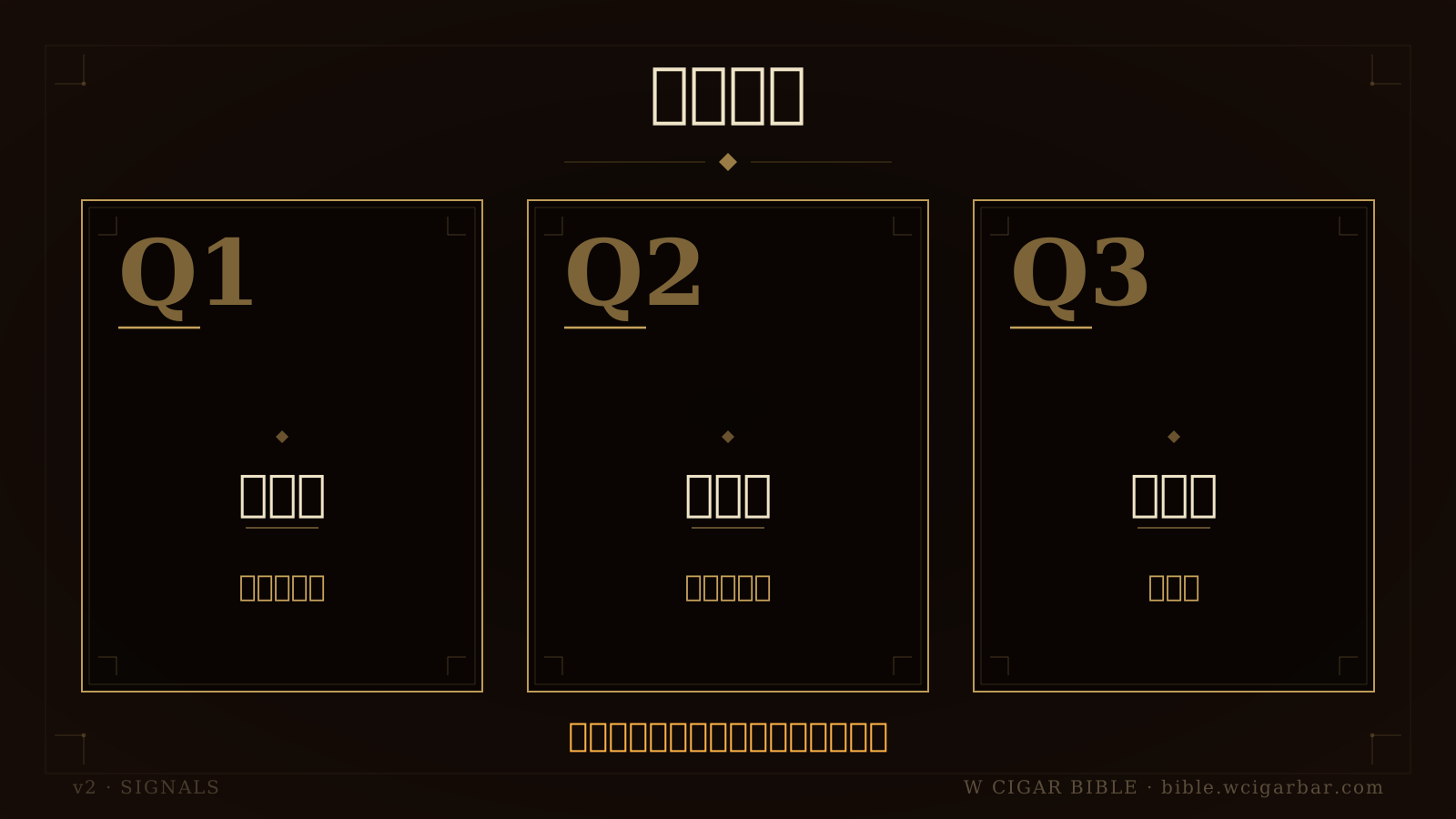
快問快答卡回答入門產區年份差異與深色茄衣問題
Region, Storage, and Quality: Good Leaves Also Need Good Conditions
No matter how good the region, if stored improperly, it will lose its expected performance. Generally, cigar storage can be kept at 18 to 21°C and 65% to 69%RH as a safe range; if humidity is consistently above 72%, burning tends to be muffled, draw resistance increases, and aroma becomes unclear; if below 60%, the wrapper may crack, the front section becomes more stimulating, and the aftertaste shortens. These issues are often mistakenly attributed to poor brands or regions.
Different regions also have different sensitivities to humidity. Nicaraguan Maduro or Mexican San Andrés wrappers with thicker oils, if too humid, tend to show bitterness and tar; more delicate Cuban cigars, if too dry, will have weakened soil and floral layers. Dominican Connecticut Shade can become sharp due to dryness, with the original creaminess turning into a papery taste.
Quality is not determined solely by origin but is the result of origin, production, transportation, storage, and aging working together. Some 2019 box-stored cigars in good environments until 2024 will have rounded spiciness and sweeter wood; but if stored in high temperature and humidity for the same five years, they may only have dullness and mold. The topic of collection is often mythologized, but collection appreciation does not guarantee appreciation; it still depends on source storage and market.
Beginners should develop a habit: before lighting, smell the foot and wrapper, and gently press to check elasticity. If there is a pungent ammonia smell, fermentation or aging may not be ideal; if the whole cigar is hard as a stick, it may be too dry; if parts are too soft, pay attention to filling density or uneven humidity. These judgments can protect your tasting experience more than the region name.
Frequently Asked Questions
Which region should beginners start with?
If you are already familiar with basic puffing, I suggest starting with Dominican or Cuban styles, then moving to Nicaragua. The Dominican Republic is easier to feel creamy, woody, nutty, and clean aftertaste; Cuba can train complexity; Nicaragua is suitable for practicing spiciness, cocoa, and mineral notes. Establishing a sense of balance first, then challenging intensity, is more effective than pursuing strong flavors from the start.
Why do different vintages of the same brand vary greatly?
Tobacco is an agricultural product, and the year's rainfall, temperature, harvest time, and fermentation control will all affect the outcome. Even the same brand and size, batches from 2018 and 2022 may differ in sweetness, draw resistance, and spiciness. Combined with transportation and storage differences, the final performance will vary. This is why I recommend recording the year, box code, or acquisition time, not just the brand name.
Does a darker wrapper mean it's stronger?
Not necessarily. Dark Maduro often has cocoa, coffee, molasses, or sweet spice, but the strength also depends on the filler ratio, especially how much Ligero leaves are used. Some dark cigars have a sweet and smooth mouthfeel, with medium nicotine; some naturally colored Habano wrappers paired with strong fillers can be very powerful in the back section. When judging strength, look at the wrapper, binder, and filler together.
Does size affect regional flavor?
Yes. The burning speed and smoke temperature of Robusto, Toro, Churchill, and Corona Gorda are different, and the same blend may present different focuses. When the ring gauge is larger, the filler ratio increases, and the mouthfeel may be rounder; slender sizes burn more concentratedly, and aroma changes are often more sensitive. When comparing regions, choose similar sizes to avoid mistaking size differences for regional differences.
What is the most practical use of regional knowledge?
The most practical use is to reduce the cost of blind selection and enhance appreciation depth. When you know that San Andrés wrappers often have dark chocolate and earth, Jalapa often has sweetness, and Vuelta Abajo may have minerals and herbs, you can more quickly understand the blend's intention. Understanding regions is not for showing off but to give each puff context, comparison, and memory.
What regions have taught me is to respect the land and time. A good cigar is not an isolated product but a result of climate, soil, craftsmen, and years of preservation. When you can read geography from a puff of smoke, you have truly entered the world of cigars.
—Cigar Prince Wilson Tsai
Smoking is harmful to health. Smoking is prohibited for those under twenty. Quitline: 0800-636363. This article is intended for adults over twenty as a reference for cigar culture, storage, and legal knowledge, not as an advertisement, promotion, or purchase suggestion.
Like this article?Share with friends
Share this W Cigar Bible piece with friends who want to learn cigar culture, storage, and tasting.
想把這篇 化為實踐
雪茄聖經是知識;雪茄文化要在空間裡發生
W Cigar Bar 大安總店資訊
台北大安區 · 雪茄聖經總編輯 Wilson Tsai 主理的雪茄文化空間
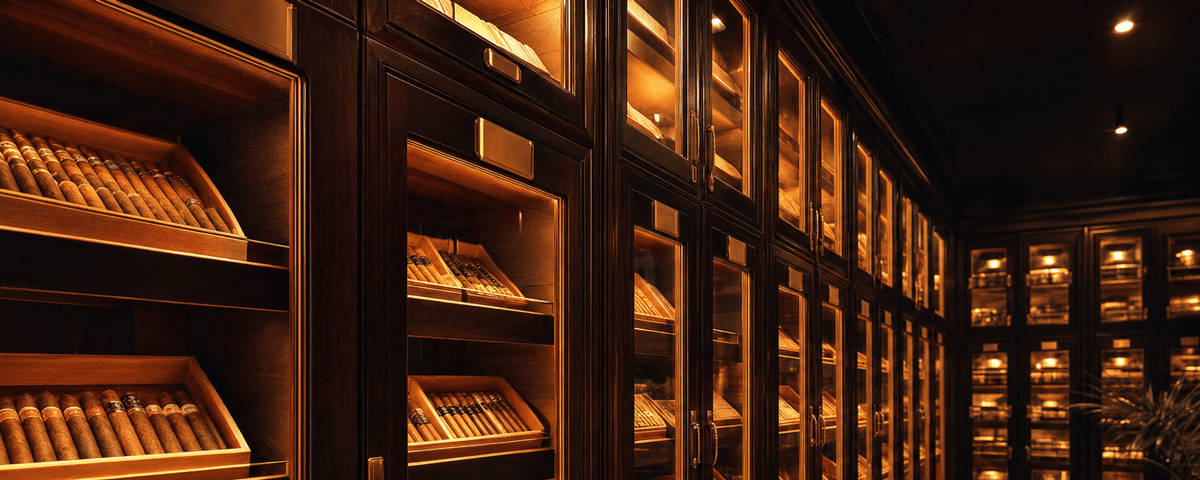
33 座 24 小時恆溫恆濕醇化室
W Cigar Bar 提供的會員醇化空間 · 場地資訊請洽編輯部
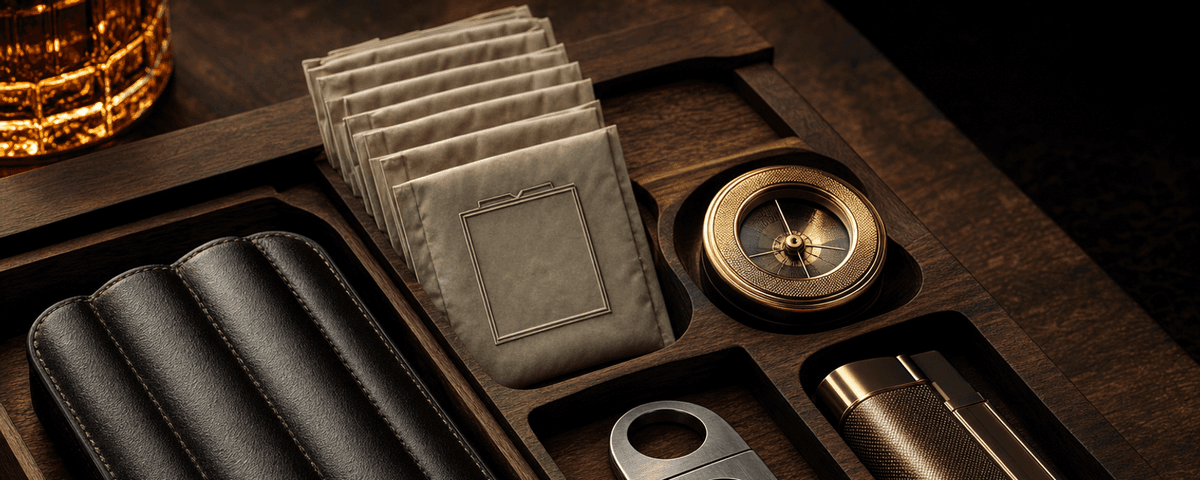
雪茄剪 / 打火機 / 雪茄盒 / Boveda
W Cigar 配件官網 · 專營雪茄配件正品
加 LINE 好友 · 文化諮詢
文化空間資訊 · 紳士沙龍 · 私人包場
本網站內容僅供雪茄文化、歷史、收藏與品吸知識研究參考。菸品有害健康、未滿法定年齡者請勿吸菸。實際規範請依所在地法律為準。
吸菸有害健康・戒菸專線 0800-636363・本站僅供 20 歲以上成年人閱覽。
讀到這裡,你不只是路過的人
留下 Email,加入 W 雪茄聖經內圈——總編輯 Wilson Tsai 親選的學院深文與國際新訊,先你一步送到信箱。
· 教育用途非銷售 · 隨時一鍵退訂 · Email 絕不對外公開 · 由勝茄股份有限公司營運
同分類延伸閱讀
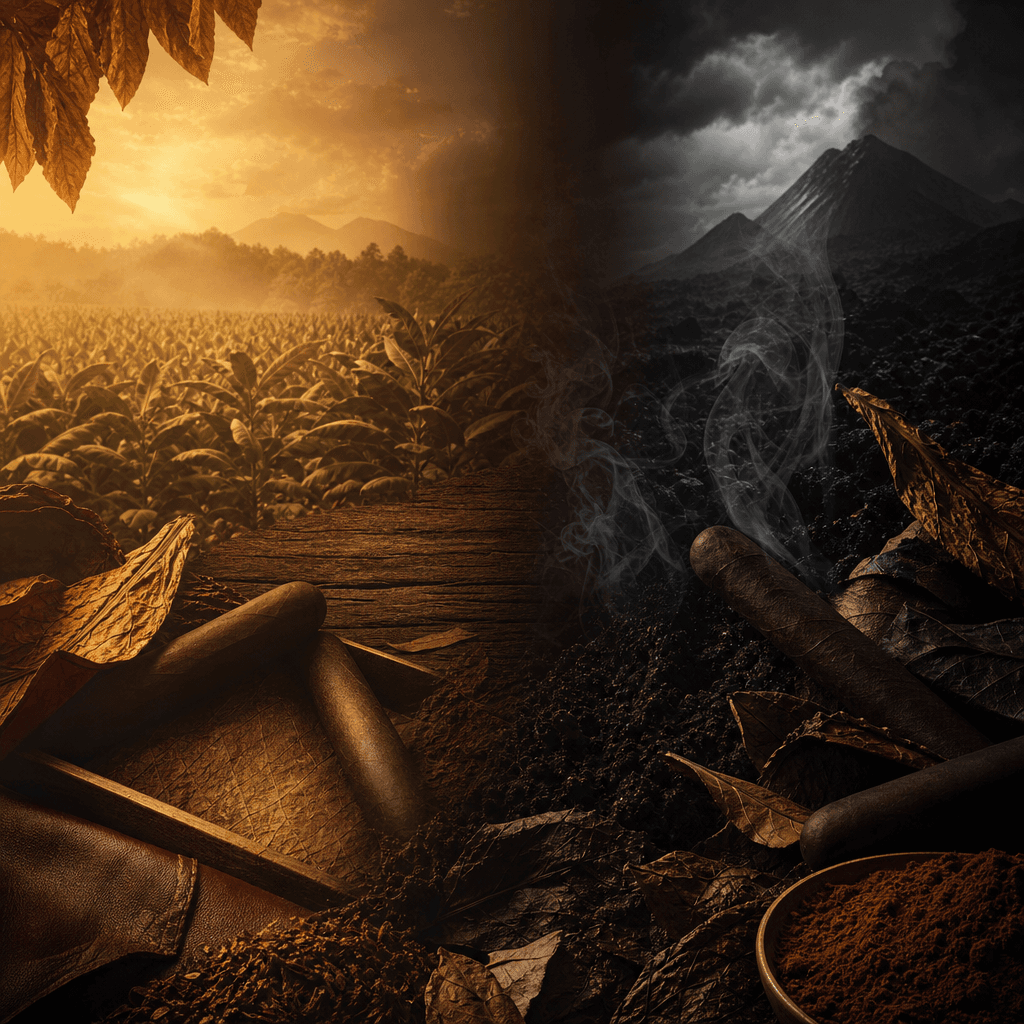
資料來源:W Cigar Bible 編輯部整理 · 雪茄王子 Wilson Tsai 親自審稿
本文僅供雪茄文化、歷史、收藏與品鑑知識研究,不作為菸品促銷、銷售或購買建議。吸菸有害健康,未滿二十歲不得吸菸。