雪茄卷製技術的演變:古巴與新興產區的比較
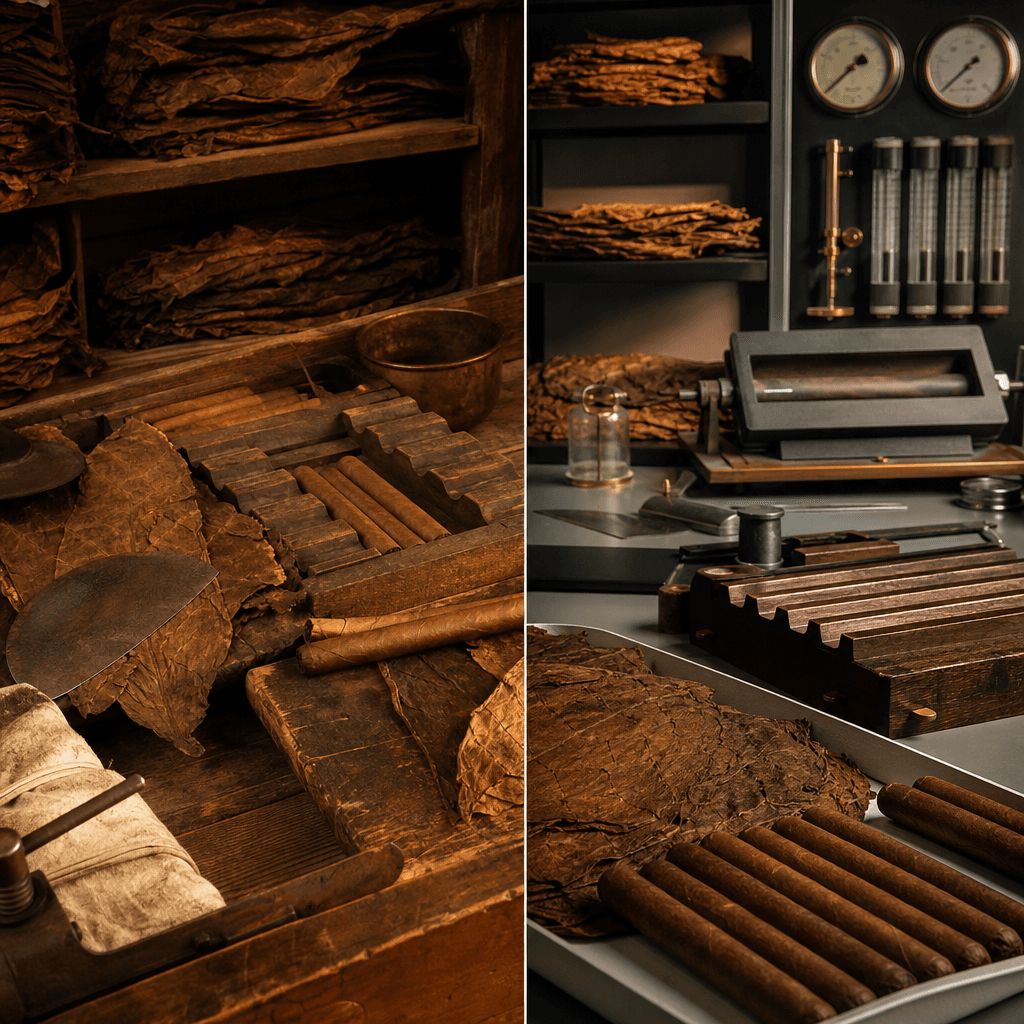
雪茄的卷製技術不僅是手工藝,更在於對各種因素的精細控制。不同的結構、濕度及壓模時間,會影響雪茄的濃度、燃燒線及抽阻,形成獨特的品味體驗。古巴的傳統卷製方式強調在燃燒速度、抽阻與香氣釋放之間取得平衡,並依據葉片的特性進行精確排列。隨著尼加拉瓜、多明尼加等新興產區的崛起,卷製技術逐漸精密化,透過更嚴格的品控與多國葉片的混搭,提升了可複製性與風味層次。這些創新不僅延續了傳統,更重新定義了雪茄的製作過程。
- 雪茄卷製的關鍵在於控制濕度與壓模時間,這直接影響燃燒與抽阻的表現。
- 古巴傳統卷製強調中段穩定性,讓每一口的香氣與濃度有延續性。
- 新興產區的工法創新使卷製變得可複製,並能更精確地調整風味層次。
The Evolution of Cigar Rolling Techniques: A Comparison Between Cuba and Emerging Regions
Cigar rolling techniques, at first glance, seem to be all about manual skill, but the real key lies in "control." The same Vuelta Abajo ligero leaf, when placed in different structures, humidity levels, and pressing times, can result in completely different outcomes in terms of flavor intensity, burn line, and draw resistance.
As an editor of the "Cigar Bible," I have observed the regions of Cuba, Nicaragua, the Dominican Republic, and Honduras over the years. The most interesting aspect is not who is more traditional or who is more avant-garde, but how each responds to changes in land, fermentation, and market tastes through their rolling logic.
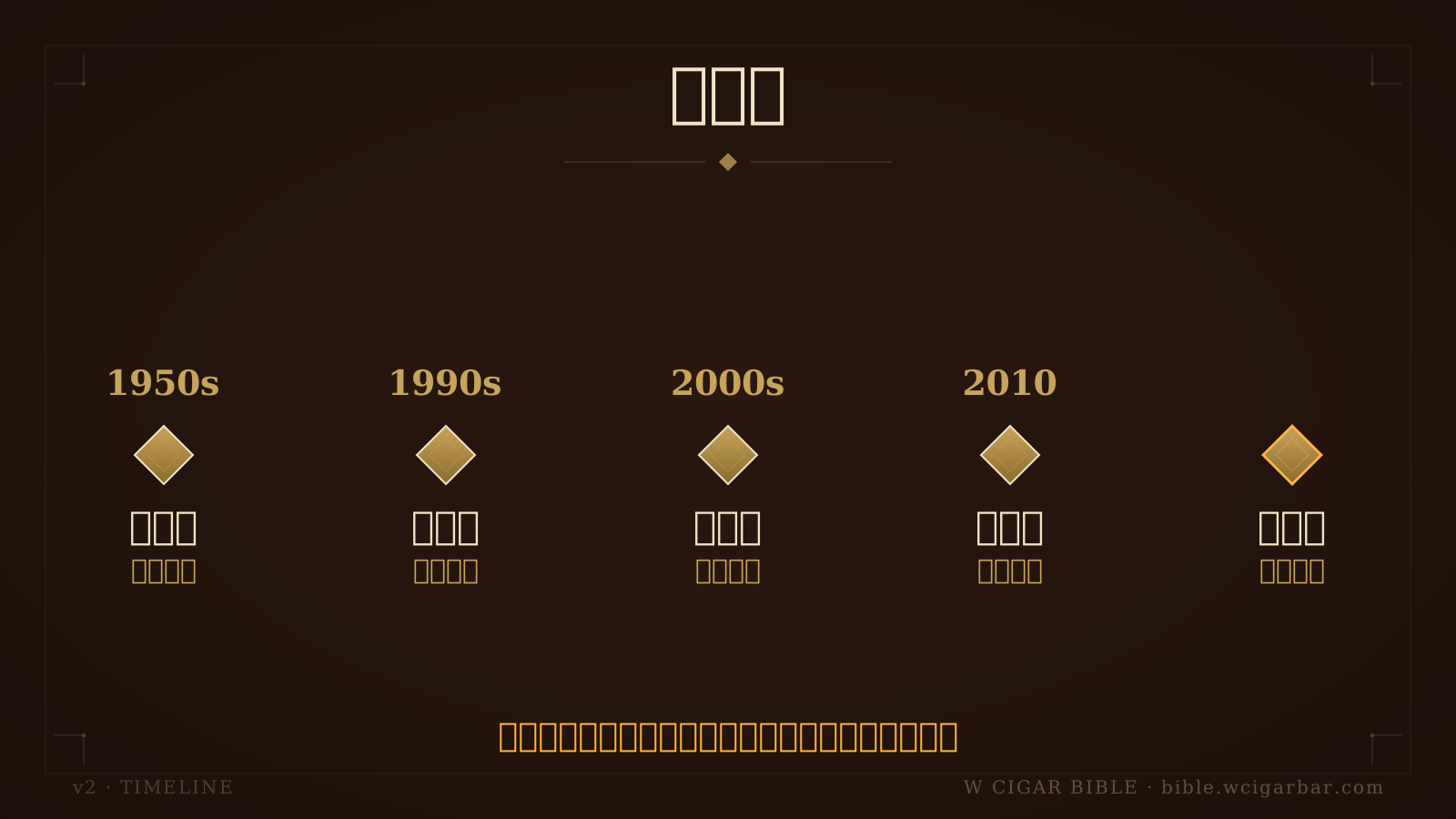
時間軸呈現工坊制度到精密品控的卷製演變
Traditional Cuban Rolling: The Rhythm from Galera to Torcedor
The core of Cuban handmade cigar rolling has long been established on the galera workshop system and the torcedor technician grading. Taking Havana factories as an example, workshops like Partagás, La Corona, and El Laguito maintained a rhythm of reader, division inspection, mold pressing, and master inheritance from the late 20th century to the 2000s. This system allows classic sizes like Montecristo No.2, Partagás Serie D No.4, and Cohiba Siglo VI to maintain relatively stable tactile memory.
Traditional Cuban bunching often follows the entubado concept: rolling long filler leaves into tubes, allowing air to pass along the leaf veins rather than compressing the filler into a bundle. This method is labor-intensive and requires high leaf elasticity; too humid and it becomes tight, too dry and it easily breaks. The core of Cuban rolling is not to make cigars as tight as possible but to achieve a balance between burn rate, draw resistance, and aroma release.
For classic sizes with ring gauges from 42 to 52, Cuban technicians usually focus more on the stability of the latter half. Corona Gorda, Robusto, and Piramides all require different hand gestures: if the tapered head has uneven filler distribution, the front will be sharp; if the foot of the Robusto is pressed too firmly, the first centimeter may burn slowly. The value of old-school Cuban techniques lies in ensuring continuity in every puff, not just pursuing explosive power at the start.
三張重點卡說明卷製關鍵在控制與穩定
The Details of the Three-Layer Structure: How Filler, Binder, and Wrapper Interact
A cigar is basically composed of filler, binder, and wrapper, but seasoned hands know that the three are not simply additive. Take the example of the Cohiba Behike 52, which sparked discussions after its official launch in 2010. The medio tiempo leaf was added to the blend not just to enhance intensity but also to increase the difficulty of rolling; if the placement of these top-strength leaves is wrong, bitterness may appear prematurely in the latter half.
Cuban technicians typically arrange leaf positions based on combustibility, oil content, and strength, with ligero often placed centrally or internally, seco providing aroma, and volado aiding combustion. The binder acts like a skeleton, fixing the filler without blocking airflow. The wrapper ultimately determines the tactile feel and part of the initial aroma, but it cannot save a cigar with an imbalanced internal structure. A truly good roll not only makes the wrapper look beautiful but also allows the internal leaves to "speak" in sequence.
For large-sized Churchills like Romeo y Julieta Churchills and H. Upmann Sir Winston, with lengths around 178 mm and ring gauges of 47, if the filler arrangement is not smooth, draw resistance issues will be magnified in the last third. Conversely, the short and fat Petit Robusto, although more forgiving, can have rising burn temperatures, requiring control of packing density during rolling to avoid overheating and coarse aromas in the latter half.

矩陣比較長芯套葉茄衣在卷製中的作用
Innovations in Emerging Regions: Precision and Replicability
The rise of Nicaragua, the Dominican Republic, and Honduras is not just a story of soil and varieties but also of factory management methods. After the 1990s, many workshops in emerging regions began to introduce stricter draw tests, batch humidity records, and segmented quality control. Brands like Padrón, Fuente, Davidoff, Oliva, and AJ Fernandez have all transformed "handmade" into more measurable processes in different ways.
A common innovation in emerging regions is the allowance of multi-national leaf blending. For example, the strength of Estelí in Nicaragua, the sweetness of Jalapa, the balance of Condega, combined with Ecuadorian Habano or Connecticut wrappers, form a broader palette than traditional single-origin regions. This allows rollers not only to handle structure but also to arrange burn speed and flavor layers. The advantage of emerging regions is not to replace Cuba but to make rolling a replicable and adjustable engineering.
Taking the Padrón 1964 Anniversary series as an example, the box-pressed shape is not just a visual symbol; the pressing changes the contact area and burn rhythm, allowing rich cocoa, coffee, and pepper to unfold at lower burn temperatures. Fuente OpusX, on the other hand, redefines the stereotype that "Dominican can't produce high-grade wrappers" with its use of local wrappers. These cases show that innovation often doesn't overthrow craftsmanship but redefines its boundaries.
Rolling Method Comparison: Entubado, Accordion, Booking, and Mixed Gestures
Judging a cigar's bunching method by appearance alone is difficult. Entubado emphasizes tube-like arrangement of leaves, accordion folds leaves like a fan, and booking overlaps them like book pages. High-end Cuban traditional models are often thought to lean towards the entubado mindset, but different factories, sizes, and craftsmen still vary; emerging regions more commonly use mixed methods, adjusting according to leaf thickness and ring gauge.
| Rolling Method | Common Advantages | Potential Risks | Suitable Cases |
|---|---|---|---|
| Entubado | Clear airflow, fine layers | Labor-intensive, high leaf requirements | Piramides, Churchill |
| Accordion | Stable burn, high efficiency | If folded too tightly, it can stifle | Robusto, Toro |
| Booking | Fast, neat appearance | Prone to side airflow | Mass standard models |
| Mixed Gestures | Allows for leaf-specific adjustments | Requires stricter quality control | Multi-national leaf blends |
There is no absolute superiority in rolling methods, only whether they suit the leaves and size. For example, if all thick Estelí ligero is rolled too tightly with entubado, it may increase draw resistance; if thinner Dominican seco is rolled too loosely with booking, it may burn too quickly. Experienced observers of a cigar should look at ash density, burn line correction frequency, and draw resistance changes from start to finish, which is more reliable than just listening to the rolling method name.
When comparing classic Habanos Robusto with Nicaraguan Toro, I often use "mid-section stability" as a criterion. If Cuba is in good condition, the mid-section aroma transitions naturally; if Nicaraguan rolling is precise, the intensity can be high but not harsh. This is not mystical but the result of leaf placement, humidity, pressing, and draw resistance working together.
三張卡整理古巴優劣大環徑與醇化的常見誤解
Pressing, Draw Resistance, and Humidity: The Invisible Techniques Are the Most Fatal
After rolling the bunch, placing it in a wooden or plastic mold for pressing is an essential step for most handmade cigars. Traditional Cuban workshops often arrange multiple flips and presses according to size to ensure uniform shape and avoid unilateral stress. Emerging regions often pair this with mechanical draw resistance testing, setting acceptable ranges; some factories test before wrapping, while others conduct spot checks after completion.
Humidity management is even more crucial. While retail often discusses 65% to 70% relative humidity, leaf handling humidity within workshops is more nuanced: too dry, and the wrapper cracks; too moist, and post-rolling shrinkage and burning issues arise. Since the 2000s, many Central American factories have used more stable aging rooms and pilón fermentation records to reduce batch differences. Whether a cigar is enjoyable to smoke is often largely determined during the pressing and humidity stages before lighting.
Draw resistance is not better when looser. Too loose raises burn temperature, thinning aroma and advancing bitterness; too tight disrupts rhythm, forcing the smoker to exert too much effort, coarsening the mouthfeel. For modern Toro and Gordo sizes with ring gauges of 52 to 56, due to increased filler volume, testing standards are more important. This is why some emerging region large-ring cigars maintain stability, whereas early large-size products often had voids or blockage issues.
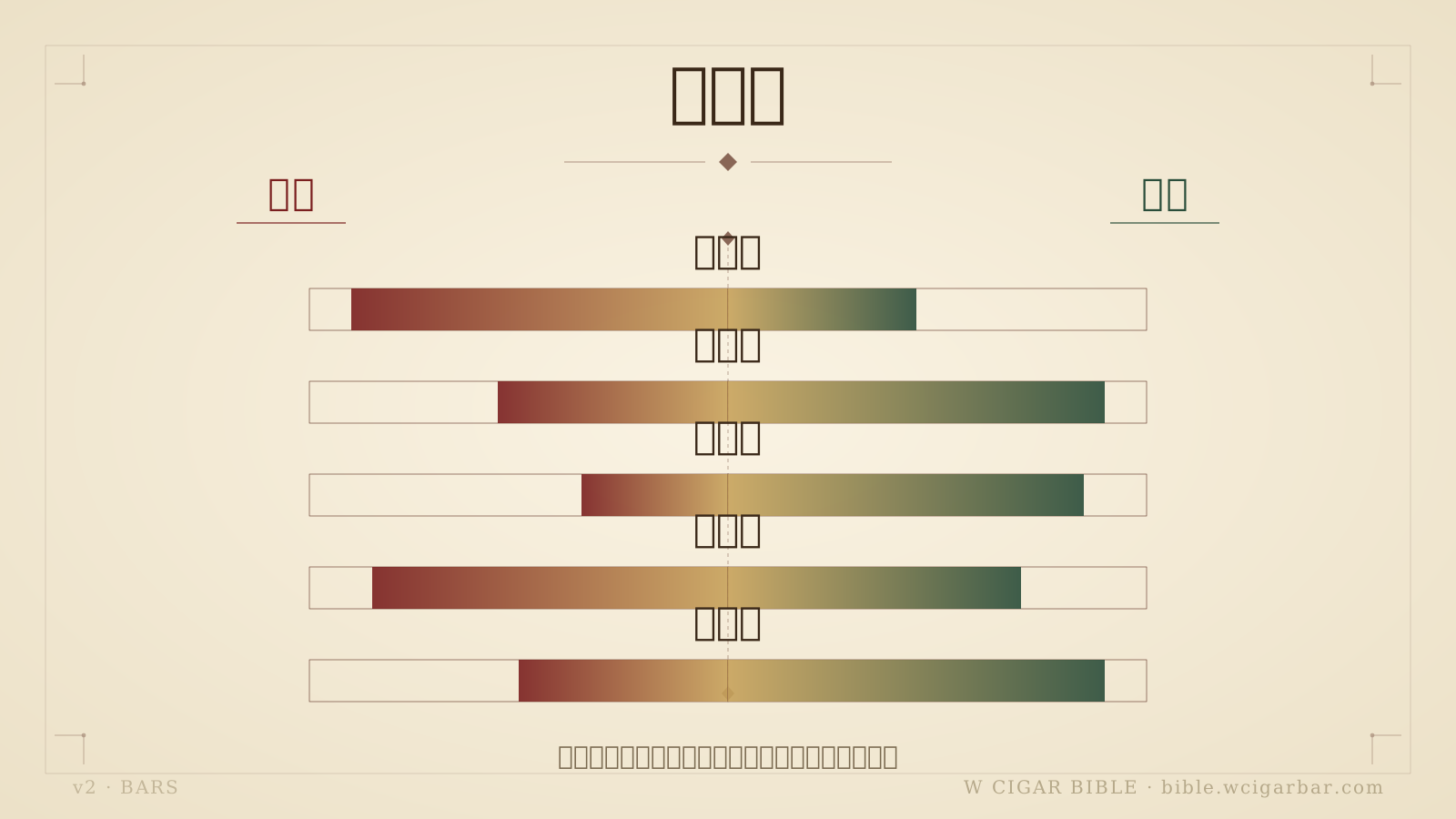
橫條圖比較古巴與新興產區在卷製取向上的差異
Flavor Impact: How Rolling Changes Sweetness, Spice, Woodiness, and Minerality
The same batch of tobacco leaves, when presented with different rolling densities, can result in very different flavors. Looser structures tend to open initial aromas quickly, with noticeable sweetness, but the mid-to-late sections may feel empty; tighter structures have restrained initial flavors, but the latter sections may deepen. Cuban cigars are often described as having cedar, cream, floral, mineral, and hay notes, partly due to the leaves themselves and partly due to more restrained burn rates.
Emerging regions often use rolling to pair with high-intensity leaves, creating black pepper, cocoa, coffee, leather, red earth, and caramel notes. For example, Oliva Serie V, My Father Le Bijou 1922, and AJ Fernandez New World often use more powerful Nicaraguan leaves; if rolled too tightly, they become bitter, and if too loose, the spice can be overwhelming. Flavor is not solely determined by the blend; rolling density changes the order and temperature at which leaves are burned.
I often divide cigars into three sections: the initial section to see if the opening is clean, the mid-section to see if layers are stacked, and the latter section to see if sweetness remains as intensity rises. Cuban tradition excels in subtle transitions, while emerging regions excel in clear outlines. If a cigar's mid-section suddenly collapses, it may not be due to poor tobacco but rather filler placement or pressing time altering airflow, causing some leaves to burn out of sync.
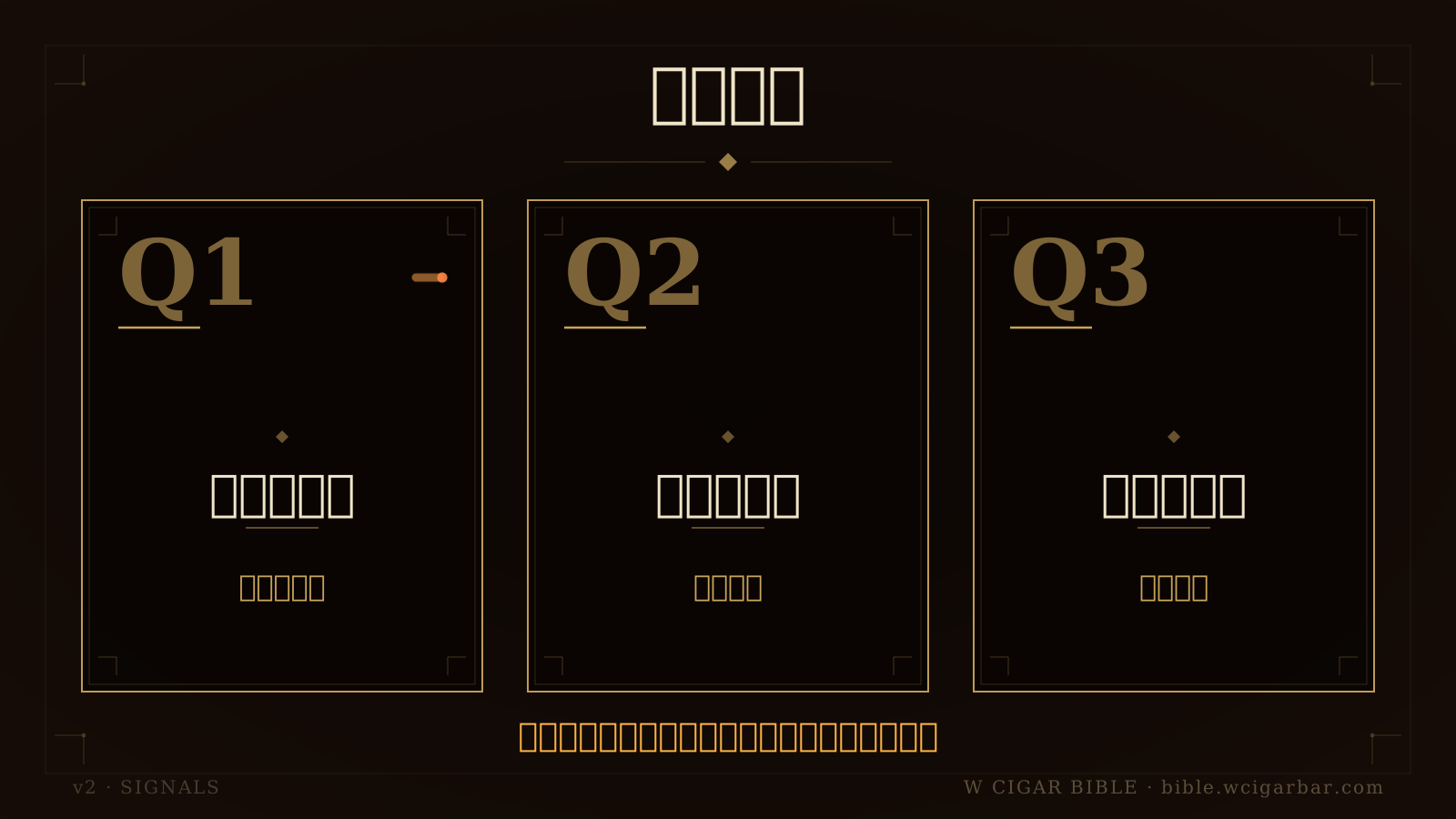
三張問答卡回答古巴比較大環徑與方壓影響
Methods for Experienced Readers: From Appearance, Cold Scent to Burn Line
Experienced readers should not be superstitious about regions but should establish their own reading process. When receiving a cigar, I first look at the wrapper tension: is there excessive stretching, patches, cracks, or obvious hard spots? Then gently squeeze the entire cigar to check if the foot, waist, and head density are consistent. Well-preserved old Cuban models often feel more delicate; modern craftsmanship in emerging regions often has an advantage in appearance uniformity.
Cold scent and cold draw can only provide references and should not be the final conclusion. What truly matters is whether the first 5 minutes after lighting burn evenly, whether the first section's ash is tight but not hard, and whether the mid-section requires frequent corrections. If a Robusto burns more than halfway in 20 minutes, the temperature is likely too high; if it still doesn't open up in 15 minutes, humidity or draw resistance may be too tight. Judging rolling quality requires observing the rhythm of the entire cigar, not just the initial wow factor.
I recommend that experienced readers keep records, at least noting brand, size, year or batch, storage humidity, burn time, and correction frequency. When comparing different systems like Montecristo No.2, H. Upmann Magnum 46, Padrón 1926 No.9, and Davidoff Nicaragua Toro, records will reveal patterns: Cuba emphasizes linear changes, while emerging regions emphasize structural stability; both are good, but in different ways.
Common Questions
Is Cuban handmade rolling always better than emerging regions?
Not necessarily. Cuba's strengths lie in traditional leaf understanding and subtle transitions, while emerging regions excel in precise quality control and multi-national leaf blending. What truly deserves comparison is not nationality but draw resistance, burn, and mid-to-late stability under the same size.
Does a larger ring gauge cigar mean lower rolling difficulty?
On the contrary, larger ring gauges accommodate more filler, making leaf placement more complex. If the center of a 56 ring gauge is too loose, it will be empty; if the outer ring is too tight, it will burn unevenly. Therefore, modern Gordo relies heavily on draw resistance testing and pressing control.
Does box-pressed shape change flavor?
It changes the burn contact area and mouthfeel rhythm. Box-pressed examples like Padrón 1964 and 1964 Anniversary Maduro often present more stable cocoa and coffee notes, but the essence still depends on the leaves and rolling density.
Why can there be differences within the same box of cigars?
Handmade products inevitably have slight differences. Even within the same brand and year, leaf thickness, humidity, craftsman's gestures, and storage position can cause different draw resistances. This is why experienced readers value source, storage, and batch records.
Can aging improve rolling issues?
Aging can better integrate moisture and aroma, reducing sharpness, but it cannot fix severe structural defects. If there are already obvious hard spots, voids, or side airflow, time can only improve the state, not redo the internal structure.
My view is simple: Cuba is like an old-fashioned tailor, understanding the art of leaving space and curves; emerging regions are like precision workshops, adept at organizing power into order. What experienced readers should truly pursue is not regional faith but the gestures, humidity, burn, and time behind each cigar. Understanding rolling leads to a deeper understanding of flavor.
—Cigar Prince Wilson Tsai
Smoking is harmful to health. Under 20 years old is not allowed to smoke. Quitline: 0800-636363. This article is intended for adults over 20 years old as a reference for cigar culture, storage, and regulations, not as a tobacco advertisement, promotion, or purchase suggestion.
Like this article?Share with friends
Share this W Cigar Bible piece with friends who want to learn cigar culture, storage, and tasting.
想把這篇 化為實踐
雪茄聖經是知識;雪茄文化要在空間裡發生

W Cigar Bar 大安總店資訊
台北大安區 · 雪茄聖經總編輯 Wilson Tsai 主理的雪茄文化空間
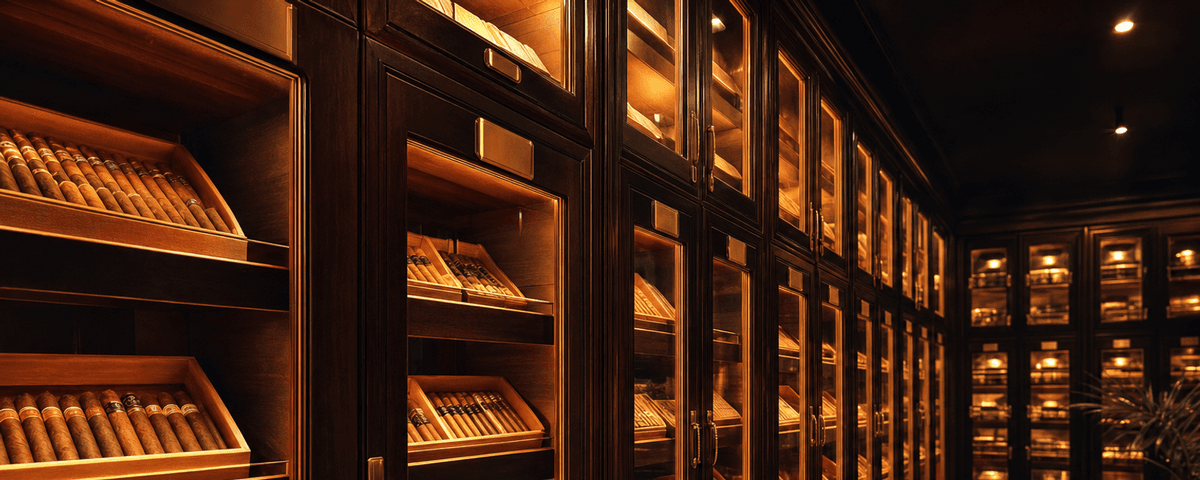
33 座 24 小時恆溫恆濕醇化室
W Cigar Bar 提供的會員醇化空間 · 場地資訊請洽編輯部
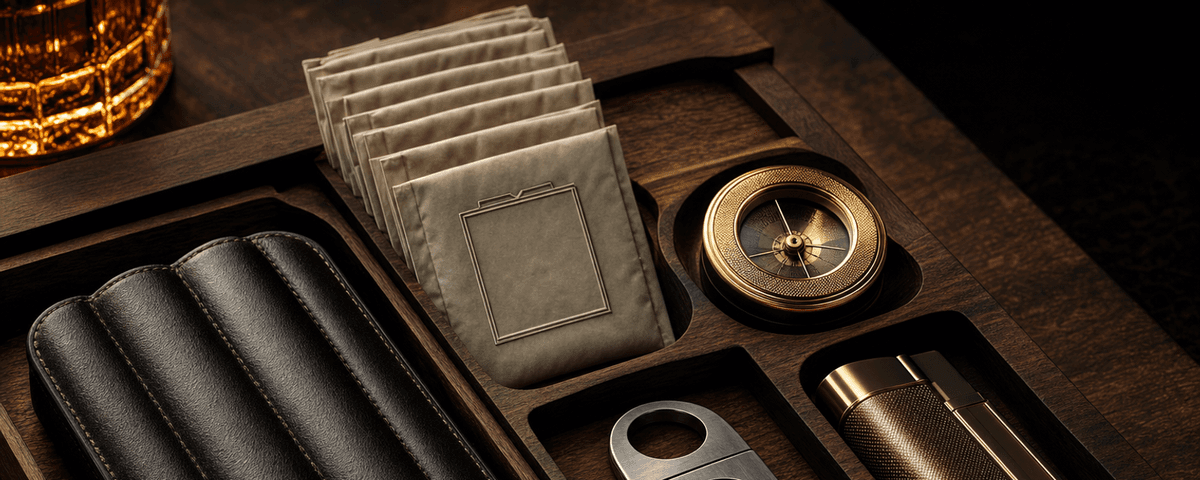
雪茄剪 / 打火機 / 雪茄盒 / Boveda
W Cigar 配件官網 · 專營雪茄配件正品

加 LINE 好友 · 文化諮詢
文化空間資訊 · 紳士沙龍 · 私人包場
本網站內容僅供雪茄文化、歷史、收藏與品吸知識研究參考。菸品有害健康、未滿法定年齡者請勿吸菸。實際規範請依所在地法律為準。
吸菸有害健康・戒菸專線 0800-636363・本站僅供 20 歲以上成年人閱覽。
讀到這裡,你不只是路過的人
留下 Email,加入 W 雪茄聖經內圈——總編輯 Wilson Tsai 親選的學院深文與國際新訊,先你一步送到信箱。
· 教育用途非銷售 · 隨時一鍵退訂 · Email 絕不對外公開 · 由勝茄股份有限公司營運
同分類延伸閱讀

資料來源:W Cigar Bible 編輯部整理 · 雪茄王子 Wilson Tsai 親自審稿
本文僅供雪茄文化、歷史、收藏與品鑑知識研究,不作為菸品促銷、銷售或購買建議。吸菸有害健康,未滿二十歲不得吸菸。