雪茄的成分與風味化學解析
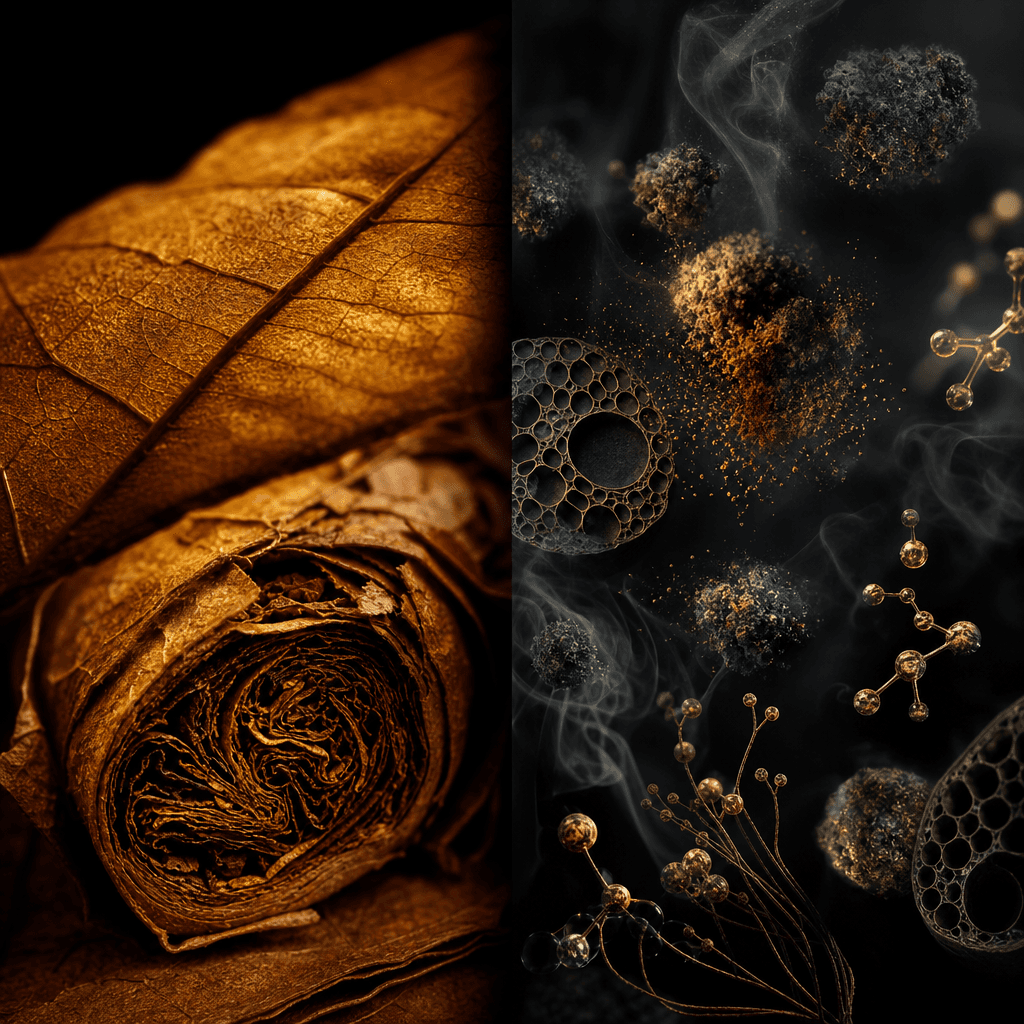
雪茄的風味由多種因素共同影響,包括茄衣、茄套和茄芯的化學成分,以及種子、土壤和製作工藝。茄衣不僅是外觀,還能貢獻30%至60%的嗅覺印象,影響整體風味。茄套的穩定性決定了燃燒的均勻性,而茄芯則是口感的核心,提供力量和香氣。不同葉片位置的性格差異,讓雪茄在燃燒過程中展現出多層次的風味。了解這些元素,能幫助入門者更深入欣賞雪茄的文化與藝術。
- 雪茄的風味由茄衣、茄套、茄芯三層結構及其化學成分共同影響,了解這些可提升品味體驗。
- 茄套的彈性與水分平衡對燃燒穩定性和味道影響重大,需注意其品質。
- 不同葉片位置的化學性格影響雪茄的風味層次,Ligero、Seco、Volado各有其獨特特徵。
Smoking is harmful to health. Persons under twenty years of age shall not smoke. Smoking cessation hotline: 0800-636363. This article is provided solely as a reference on cigar culture, storage, and legal knowledge for adults aged twenty and above. It is not tobacco advertising, promotion, or purchasing advice.
The flavor of a cigar is not mysticism, but a system jointly formed by botany, fermentation microbiology, combustion pyrolysis, and sensory memory. After beginners learn how to cut, light, appreciate, and exhale, the next step is to understand: why does the same cigar show hay and nuts in the first third, shift to coffee and cacao in the middle, and reveal black pepper, leather, and minerality in the final third? The answer lies in the chemical composition of the wrapper, binder, and filler leaves, and also in the seed, soil, vintage, aging, and blending ratios.
時間軸呈現採收、晾製、發酵、醰化到熱裂的轉化流程
The Three-Layer Structure of a Cigar: How Wrapper, Binder, and Filler Divide Their Roles
A long-filler cigar is usually composed of a wrapper wrapper, binder, and filler. Many beginners think the wrapper is merely about appearance. In fact, the wrapper is often estimated to contribute about 30% to 60% of the olfactory impression, especially because the aromatic molecules produced at the combustion edge are most easily captured by the nasal cavity. Taking Cuban Cohiba Siglo VI as an example, after its release in 2002, it has often been discussed for its herbal, honey, cream, and refined woody notes. This is not only a brand style, but is also related to the oil content, sugars, and fermentation level of the wrapper leaf. By comparison, a robusto-sized work such as Partagás Serie D No.4 often presents more direct pepper, earth, coffee, and leather notes. A higher proportion of stronger leaves in the filler makes the palate thicker and more concentrated.
The role of the binder is often underestimated. It is like the skeleton of the cigar, determining burn stability, draw resistance, and structure, and it also affects the cleanliness of flavor. If the binder lacks elasticity or its moisture is imbalanced, the burn line can easily become crooked, and the flavor may seem spicy, charred-bitter, or fragmented. The filler is the core of the blend. Leaves from different positions, Ligero, Seco, Volado, provide strength, aroma, and combustibility. For example, Ligero from Nicaragua Estelí usually carries higher spice and dark soil impressions, while leaves from Jalapa often have sweetness and rounded woodiness; Dominican Piloto Cubano may bring out dried fruit, coffee, and subtle spice. A truly mature blend does not simply pile in strong leaves, but keeps burn rate, sweetness, stimulation, and finish balanced within 45 to 90 minutes.
三張重點卡說明三層分工、糖胺油脂與發酵醰化
Major Chemical Components: Sugar, Protein, Oils, Nicotine, and Minerals
The most important sources of flavor in cigar leaves include soluble sugars, amino acids, proteins, resins, waxes, plant oils, nicotine, organic acids, and minerals. Sugars bring impressions of caramel, toast, honey, cream, and nuts during combustion and pyrolysis; however, excessive sugar may also cause unstable burning and thick, heavy smoke. Proteins and amino acids participate in processes similar to the Maillard reaction, forming aromas reminiscent of roasting, coffee, cacao, nuts, and cinnamon. Oils and waxes affect mouthfeel. A good wrapper often has a fine sheen, not a wet shine, but a restrained oiliness like the surface of 70% dark chocolate.
Nicotine provides a physiological sense of strength, but "strong" does not mean "good." For example, the Padrón 1964 Anniversary series is often regarded as one of the representatives among Nicaraguan cigars with solid structure and clearly defined intensity. 1964 commemorates the year the brand was founded, and after the series was launched in the 1990s, it accumulated strong recognizability. Its appeal lies not only in nicotine, but in whether cacao, coffee, black pepper, and sweet wood can be arranged clearly. Minerals are related to soil, fertilization, water sources, and the ash content from leaf combustion. Potassium helps combustion, while excessive chlorine may cause burn difficulties and a rough mouthfeel. This is also why the same Corojo or Habano seed, when planted in Cuba Vuelta Abajo, Nicaragua Estelí, Honduras Jamastrán, or the Dominican Republic Cibao Valley, can present completely different flavor frameworks.
矩陣比較茄衣、茄套與茄芯在角色風味和失衡表現
Fermentation and Aging: How Microorganisms Turn Green Notes into Depth
Fresh tobacco leaves are not suitable for making premium cigars directly, because chlorophyll, ammonia, crude protein, and green vegetal flavors make the smoke pungent. After harvest, the leaves first undergo barn curing, usually turning from green to yellow and then to brown over several weeks as moisture gradually decreases. They then enter fermentation. The internal temperature of the leaf pile, or pilón, may rise to about 40 to 55°C. Workers turn the piles according to temperature, humidity, and aroma, allowing ammonia to dissipate, proteins to break down, and phenols and organic acids to recombine. This stage determines whether the cigar will later be clean. If fermentation is insufficient, common problems include throat irritation, green bitterness, ammonia odor, and a rough final stage of combustion.
Aging is another matter. Fermentation transforms rough substances that are unsuitable for burning; aging allows usable leaves or finished cigars to integrate further. Taking Arturo Fuente OpusX as an example, when it officially appeared in 1995, it made Dominican wrappers an important topic in the high-end market. If its strength and spice are kept for several years under appropriate humidity, they often shift from sharp to rounded, making cream, cedar, dried fruit, and leather easier to perceive. Large Cuban formats such as H. Upmann Sir Winston, if their provenance is clear and storage is stable, often show changes after several years of aging: herbal notes turn toward honey, woodiness softens, and the finish lengthens. But it must be emphasized that aging is not magic. If the original leaf quality is insufficient, or if storage temperature and humidity fluctuate severely, time will only amplify defects. When discussing collectible appreciation in value, it must also be made clear: it does not guarantee appreciation in value, and still depends on provenance, storage, and the market.
Different Leaf Positions: The Chemical Personalities of Ligero, Seco, and Volado
From bottom to top, a cigar tobacco plant receives different amounts of sunlight, forming differences in leaf position. The upper Ligero receives the most sunlight, has thick leaves, and contains higher levels of oils and nicotine. It burns more slowly and often brings black pepper, strong coffee, leather, earth, cacao, and dark spices. The middle Seco leaves have more elegant aromas and are responsible for floral, hay, nut, woody, and herbal notes. The lower Volado is thinner and burns well. It mainly helps stabilize the burn line, and can also bring hay, grain, and a faint sweetness. Mature blenders often arrange proportions like perfumers. Suppose a 52 ring gauge, 5-inch robusto has too high a proportion of Ligero: the first third may be very impactful, but the middle and final thirds will become hot, bitter, and tiring. If there is too much Volado, the burn will be beautiful but depth will be lacking.
Brand examples can help with understanding. Oliva Serie V Melanio gained broad attention after 2012 and is often described as having cacao, coffee, pepper, and creamy woodiness together. It is not simply a stacking of heavy leaves, but rounds off the strength of Nicaraguan tobacco. Montecristo No.2, a pyramid format, has become one of the classic representatives of Cuba since the brand was founded in 1935. Its appeal lies in the way hay, nuts, cacao, and coffee unfold layer by layer at medium to medium-high intensity as the draw resistance changes through the tapered head. Understanding leaf positions can help beginners judge whether a cigar is "rich and complex" or merely "spicy and monotonous."
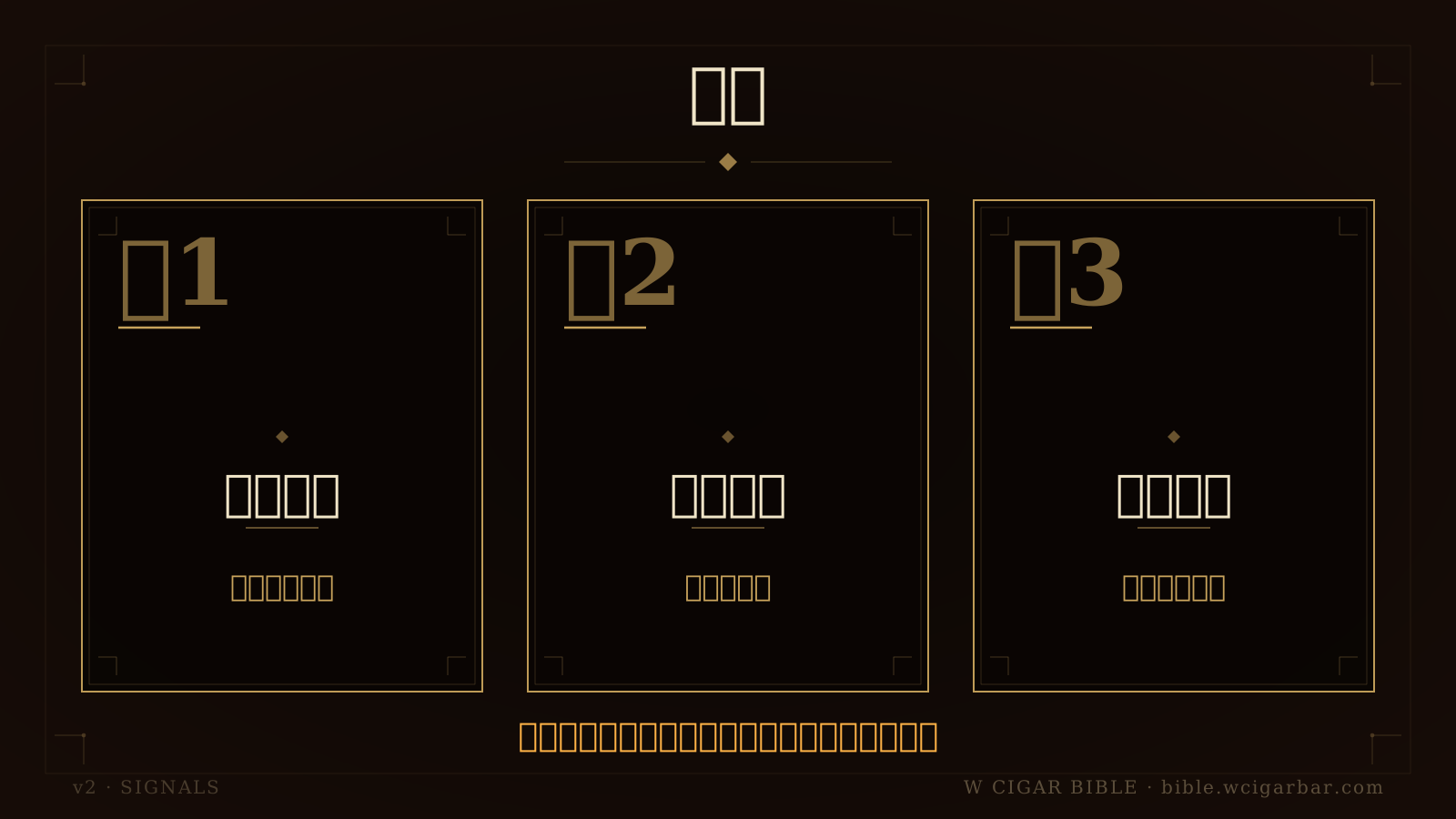
三張卡列出同款同味、深色必強與越久越好的誤解
Seeds and Regions: Why Leaves with the Same Name Taste Different
In the cigar world, names such as Corojo, Criollo, Habano, Connecticut Shade, Cameroon, Sumatra, and San Andrés are often heard, but they are not guarantees of a single flavor. They are the results of interaction among seed, cultivation, and region. Corojo comes from a traditional Cuban high-aroma tobacco variety and can easily bring red pepper, cedar, leather, and sweet spice, but it has weaker disease resistance. Criollo often has a base of hay, nuts, earth, and cacao. After Habano seed is transplanted to Nicaragua, it is often stronger, sweeter, and spicier than the Cuban version. Connecticut Shade, because of shade cultivation and its thin-leaf characteristics, often shows cream, almond, hay, light woodiness, and refined sweetness, and is suited to those who seek clarity and elegance in mouthfeel.
The following table can serve as a simplified map for beginners to remember flavor chemistry, but do not treat it as an absolute rule, because vintage, fermentation, and blending will change the result.
| Leaf Type or Region | Common Chemical and Sensory Characteristics | Representative Examples |
|---|---|---|
| Connecticut Shade | Thin leaf, gentle sugar impression, low stimulation; often cream, hay, almond | Davidoff Grand Cru series is often known for elegant balance |
| Cameroon | Noticeable aromatic phenols, with cinnamon, woodiness, and lightly sweet spice | Arturo Fuente Hemingway series is representative |
| Mexican San Andrés | Dark wrapper with high oil content; often black cacao, earth, coffee | Drew Estate Liga Privada No.9 is often discussed |
| Nicaraguan Habano | High intensity, clearly defined spice; black pepper, cacao, sweet wood | My Father Le Bijou 1922 has a distinctive style |
| Cuban Vuelta Abajo | Herbal notes, honey, cedar, leather, and minerality interwoven | Many classics from Cohiba, Partagás, and H. Upmann |
Looking at market trends after 2010, Nicaraguan cigars rapidly increased in international ratings and consumer visibility. One reason is that leaves from Estelí, Jalapa, Condega can provide differences in strength, sweetness, and aroma, making it easier for blenders to build layers. By contrast, the appeal of Cuban cigars often lies in minerality, herbal sweetness, and the refined changes after aging. There is no absolute hierarchy between different systems. The key is to understand their chemical personalities.
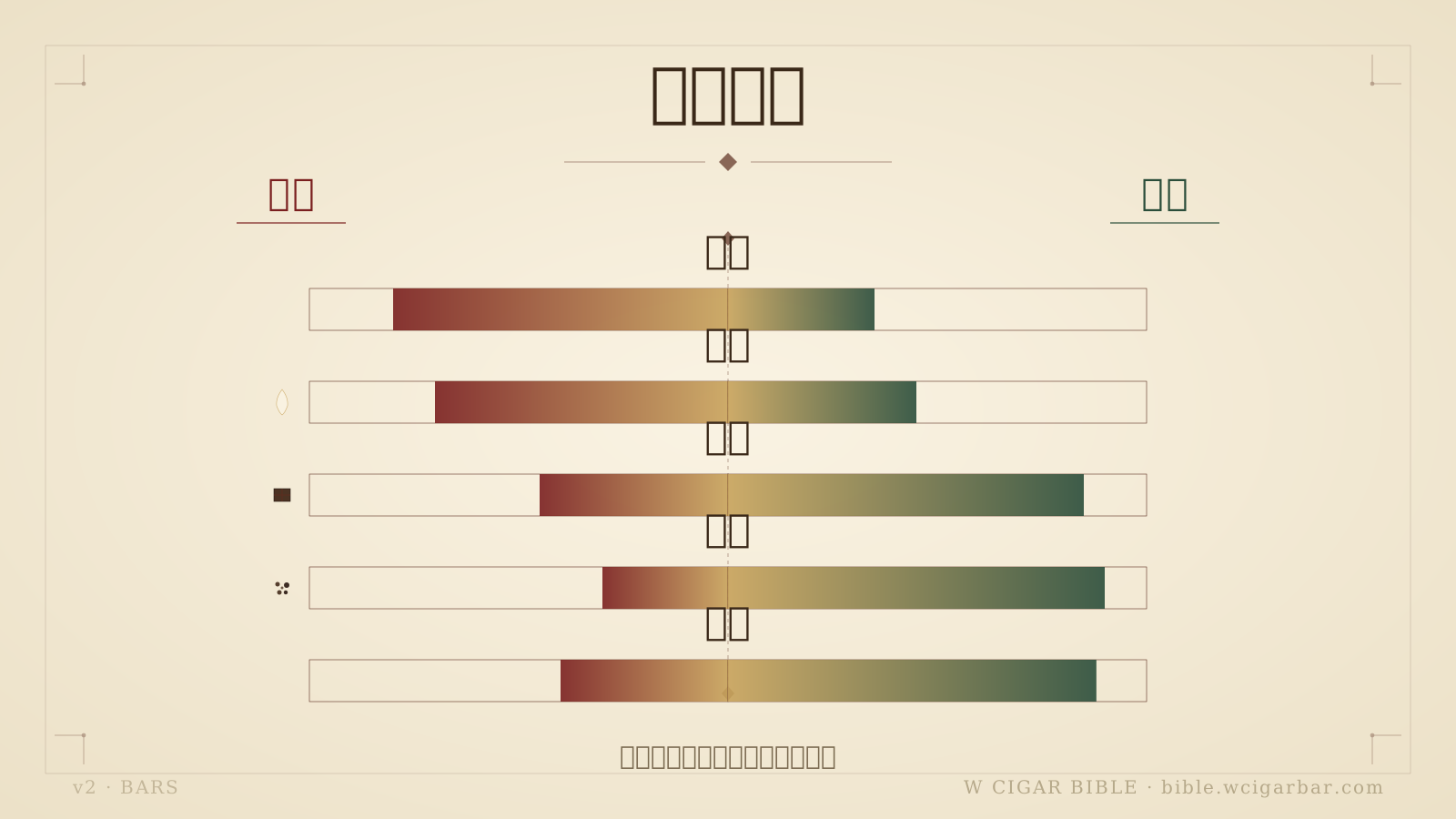
長條圖比較輕柔與濃郁取向在甜香辛香與厚度差異
Combustion Reactions: Why Temperature, Speed, and Puffing Rhythm Change Flavor
After a cigar is lit, the temperature at the front combustion zone can reach several hundred degrees, while behind the burn line is the pyrolysis and distillation zone. Many aroma molecules are not fully present in the leaves from the start, but are generated during heating. For example, pyrazines bring roasted nut, coffee, and cacao impressions; phenols may form smoky, leather, woody, and herbal tones; aldehydes and ketones can provide sweet aromas, cream, and baked impressions. If the puffing is too fast, combustion temperature rises, sugars easily become over-charred, the smoke turns spicy and charred-bitter, and the nicotine sensation becomes more direct. A general suggestion is about one puff every 45 to 75 seconds, adjusted according to size, humidity, and burn condition. There is no need to time it mechanically, but consecutive rapid puffing should be avoided.
Humidity is also extremely important. Most long-filler cigars are often stored at about 65% to 70% relative humidity, with a relatively stable temperature of about 18 to 21°C. If humidity is too high, combustion is slow, smoke output feels stuffy, the taste resembles wet wood, and the draw may also become too tight. If too dry, the cigar burns too quickly, the smoke becomes sharp, and the wrapper can crack easily. Taking a 50 ring gauge robusto as an example, a normal rhythm is about 45 to 60 minutes. If it is finished within 25 minutes, the temperature is probably too high, and many sweet aromas and details will be covered by charred bitterness. As beginners advance, they may record differences in the same brand at 62%, 65%, and 69% humidity, but this should be premised on lawful adult users' awareness of health risks. After all, cigars are tobacco products, and any flavor research should not be misunderstood as harmless.
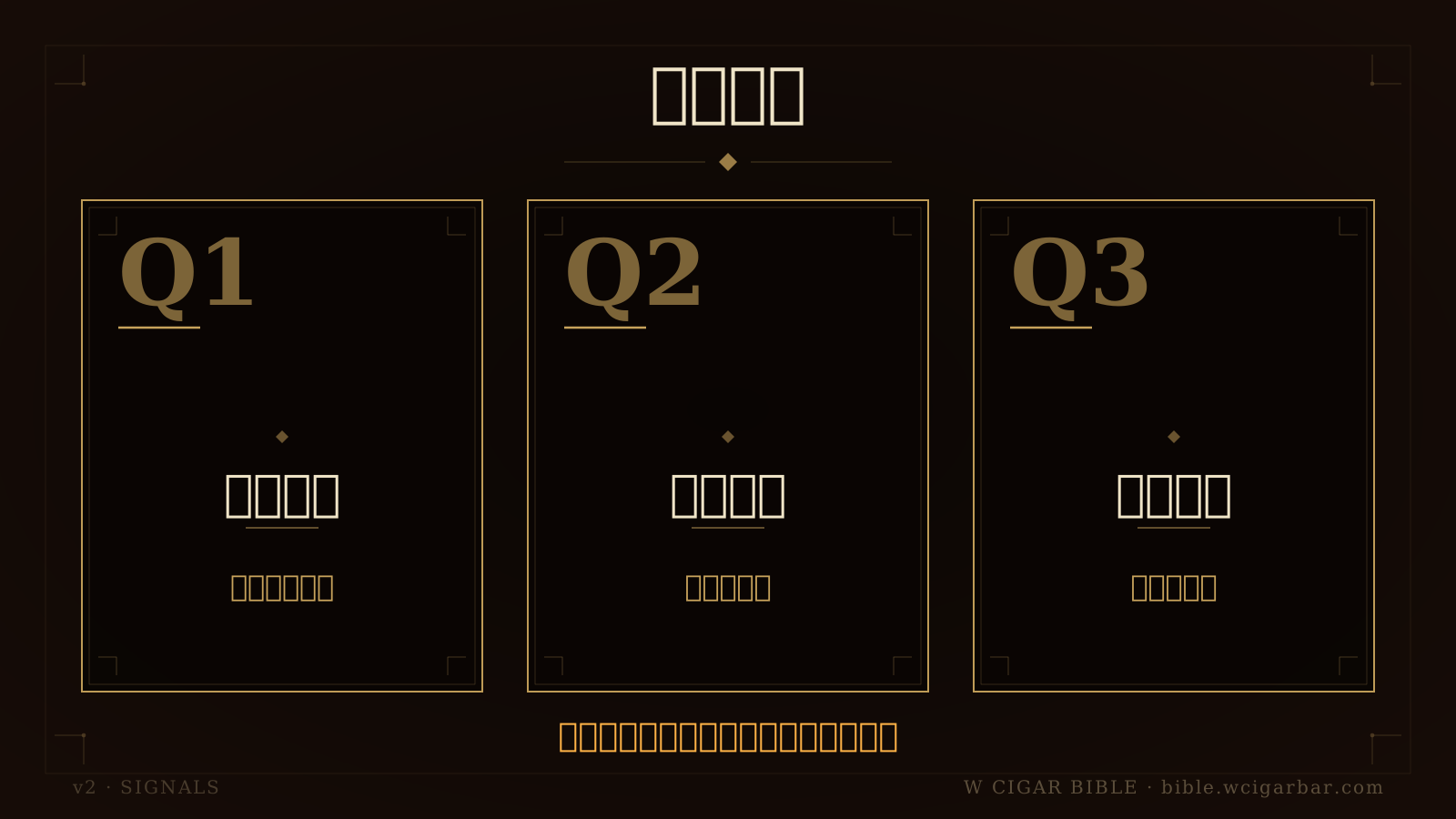
三張問答卡整理批次差異茄衣深淺與醇化時間
Flavor Training: Turning Sensations into Repeatable Language
Understanding chemistry does not mean turning cigar smoking into a laboratory report. What is truly useful is building repeatable sensory language. Beginners are advised to divide flavor into five layers. The first is the main axis, such as woodiness, coffee, nuts, herbal notes, or earth. The second is sweetness, such as honey, caramel, brown sugar, dried fruit, or cream. The third is spice, such as black pepper, white pepper, cinnamon, clove, or red pepper. The fourth is mouthfeel, including oiliness, dryness, powderiness, thickness, and astringency. The fifth is structure, including changes in the first, middle, and final thirds, burn stability, length of finish, and off-flavors. Recording only 6 to 10 keywords each time is more accurate than filling the page with exaggerated adjectives.
Brands can be used as training steps. To practice light to medium strength, one may compare Davidoff Grand Cru, H. Upmann Half Corona, and Romeo y Julieta Wide Churchills. To understand medium-high intensity, one may compare Partagás Serie D No.4, Padrón 1964, and My Father Flor de las Antillas. Different years are also worth recording. For example, the same cigar from 2020, 2022, 2024 box dates may differ because of leaf batches and storage conditions. When recording, be sure to write down the date, ambient humidity, cigar size, burn time, whether relighting occurred, and the flavors in the first, middle, and final thirds. Looking back three months later, you will find that you are not merely saying "like or dislike," but can explain the reasons: insufficient sugar impression, ammonia not yet dissipated, beautiful wrapper aroma but inadequate filler support, or heat in the final third destroying balance. This ability is the true etiquette in gentlemanly cigar culture: respecting time, respecting the maker, and respecting the feelings of those at the same table.
Frequently Asked Questions
1. Why can the same brand and same model still taste different?
Cigars are agricultural products, not industrial beverages. Even if they are both Cohiba Robusto or Montecristo No.2, different box dates, different batches of leaves, and different storage conditions can all cause differences. Soil rainfall, harvest maturity, fermentation time, the roller's hand feel, and transport humidity all affect the result. Therefore, when comparing cigars, it is best to record the box code year, storage humidity, and burn time, so that a one-time condition is not mistaken for a permanent style.
2. Does a darker wrapper necessarily mean the cigar is stronger?
Not necessarily. A dark Maduro or Oscuro wrapper usually represents deeper fermentation, more obvious sugar caramelization, and a stronger oil impression. It can easily have flavors of dark chocolate, coffee, brown sugar, and earth, but strength still depends on the filler proportions, especially the amount of Ligero used. Some cigars with dark wrappers are actually sweet, oily, and gentle; some natural-color Habano wrappers instead have a strong nicotine sensation. Strength should be judged by the complete blend, not by appearance alone.
3. How long should aging take for flavor to improve?
There is no fixed answer. Generally speaking, cigars with solid structure, clean leaf material, and higher intensity may show more rounded changes after 1 to 5 years of storage. Large Cuban formats or limited series sometimes need longer to integrate. But if storage fluctuates between dry and humid, or if the cigar already has green bitterness from insufficient fermentation, time may not be able to remedy it. When discussing collectible appreciation in value, it must also be reminded: it does not guarantee appreciation in value, and still depends on provenance, storage, and the market.
4. Why does the final third of a cigar often become bitter?
Bitterness in the final third often comes from three factors. First is accumulated combustion temperature, with tar and moisture concentrating. Second is puffing too quickly, causing sugars and proteins to over-char. Third is poor fermentation or storage of the cigar itself. The remedy is not to endure it stubbornly, but to slow the rhythm and let the cigar rest, correcting the burn line if necessary. If the final third has only charred bitterness, spice, and numbness left, it means the flavor structure has already lost balance. Ending at the right time is more courteous.
5. How can chemical concepts help choose a cigar that suits oneself?
Start by working backward from personal preferences to components. Those who like cream, almond, and hay may pay attention to Connecticut Shade or gentler Dominican blends. Those who like cacao, coffee, and black pepper may explore Nicaraguan Habano or San Andrés wrappers. Those who like herbal notes, honey, cedar, and minerality may study classic Cuban brands. If learning information through compliant sources such as W Cigar Bar or PCC authorized dealers, the focus should still be on clear provenance, stable storage, and correct knowledge, rather than reputation alone.
6. Are cigar flavor descriptions very subjective?
Flavor certainly contains subjective elements, but it is not completely arbitrary. Coffee, wine, whisky, and cigars all rely on shared sensory vocabulary. When many people at different times all describe cacao, cedar, leather, or white pepper, it means certain aroma molecules and structures do indeed exist stably. The training method is to use fewer ornate words and more verifiable terms, together with records of brand, year, size, humidity, and burn time. Over time, subjective perception becomes a more reliable judgment tool.
The charm of cigars does not lie in mystifying them, but in the fact that the more you understand plants, fermentation, aging, and combustion, the more you can see the agronomy and craftsmanship behind a cigar. I have always believed that a gentleman's cigar attitude is not about showing off rarity, nor about chasing strength, but about using a steady rhythm, clear knowledge, and restrained language to read the messages left by leaves in time. One who understands respect for flavor should also understand respect for health risks, regulations, and the people sharing the same space.
-Cigar Prince Wilson Tsai
Smoking is harmful to health. Persons under twenty years of age shall not smoke. Smoking cessation hotline: 0800-636363. This article is provided solely as a reference on cigar culture, storage, and legal knowledge for adults aged twenty and above. It is not tobacco advertising, promotion, or purchasing advice.
Like this article?Share with friends
Share this W Cigar Bible piece with friends who want to learn cigar culture, storage, and tasting.
想把這篇 化為實踐
雪茄聖經是知識;雪茄文化要在空間裡發生
W Cigar Bar 大安總店資訊
台北大安區 · 雪茄聖經總編輯 Wilson Tsai 主理的雪茄文化空間
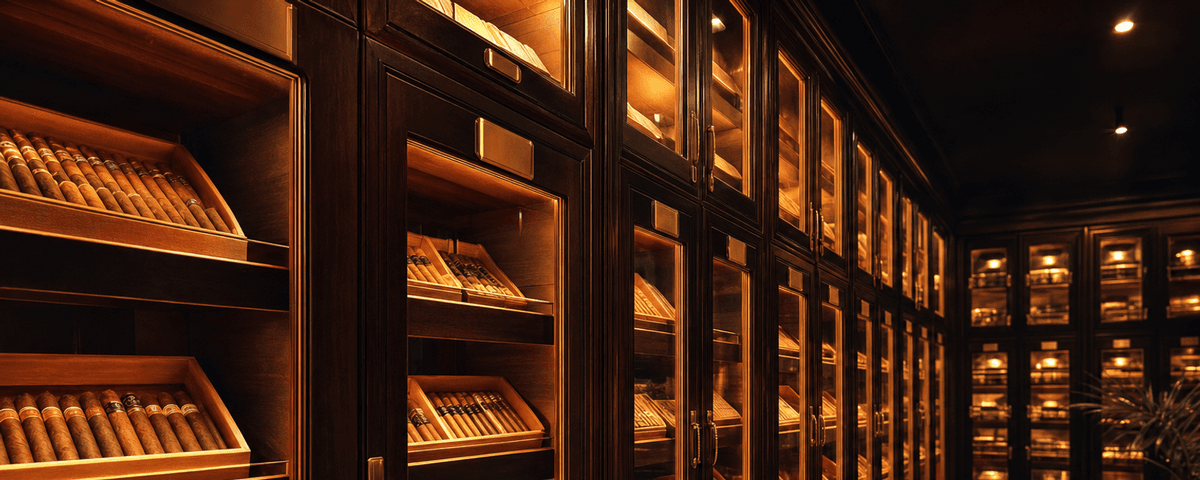
33 座 24 小時恆溫恆濕醇化室
W Cigar Bar 提供的會員醇化空間 · 場地資訊請洽編輯部
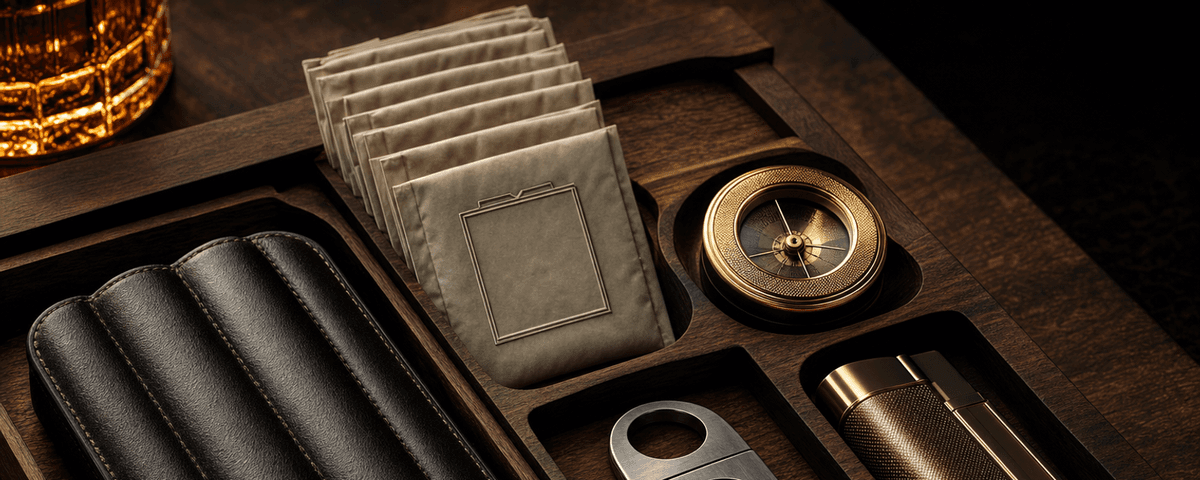
雪茄剪 / 打火機 / 雪茄盒 / Boveda
W Cigar 配件官網 · 專營雪茄配件正品
加 LINE 好友 · 文化諮詢
文化空間資訊 · 紳士沙龍 · 私人包場
本網站內容僅供雪茄文化、歷史、收藏與品吸知識研究參考。菸品有害健康、未滿法定年齡者請勿吸菸。實際規範請依所在地法律為準。
吸菸有害健康・戒菸專線 0800-636363・本站僅供 20 歲以上成年人閱覽。
讀到這裡,你不只是路過的人
留下 Email,加入 W 雪茄聖經內圈——總編輯 Wilson Tsai 親選的學院深文與國際新訊,先你一步送到信箱。
· 教育用途非銷售 · 隨時一鍵退訂 · Email 絕不對外公開 · 由勝茄股份有限公司營運
同分類延伸閱讀

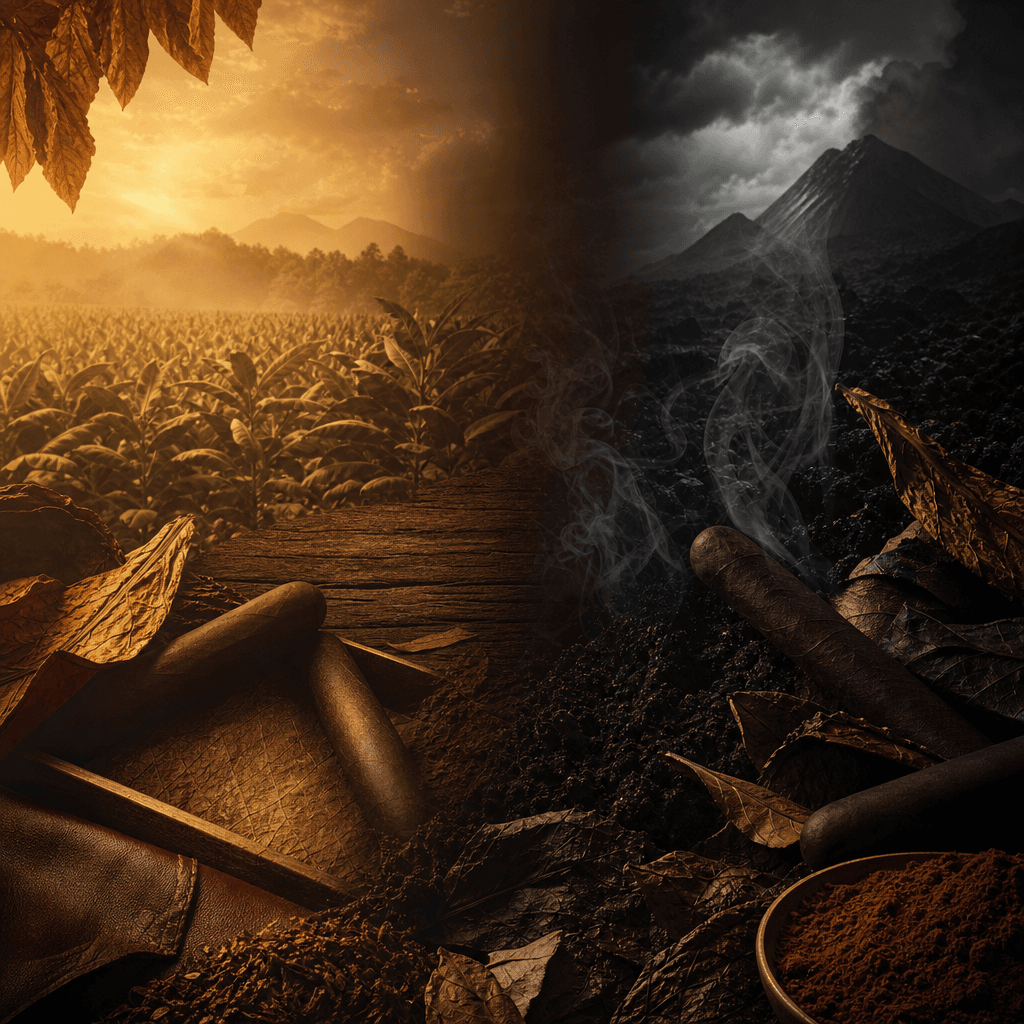

資料來源:W Cigar Bible 編輯部整理 · 雪茄王子 Wilson Tsai 親自審稿
本文僅供雪茄文化、歷史、收藏與品鑑知識研究,不作為菸品促銷、銷售或購買建議。吸菸有害健康,未滿二十歲不得吸菸。