如何選擇適合自己的雪茄:品牌與口味的全方位指南
選擇雪茄不應僅依賴品牌名氣,而是要根據個人口味和當下情境進行判斷。入門者應了解濃度、香氣和餘韻的差異,並根據自己的飲食習慣來選擇適合的雪茄。品牌背景提供了風味線索,古巴雪茄通常具有草本和皮革的特徵,而多明尼加則偏向奶油和堅果。尺寸與時間的搭配也非常重要,應根據可用時間選擇適合的款式。最後,良好的保存狀態是確保雪茄品質的關鍵,濕度和溫度的控制不可忽視。
- 選擇雪茄時,應根據自己的味覺偏好,而非品牌名氣來決定。
- 品牌背景提供風味線索,了解產區與配方有助於選擇合適雪茄。
- 雪茄尺寸影響燃燒時間與口感,選擇時需考慮可用時間與環境。
How to Choose the Right Cigar for You: A Comprehensive Guide to Brands and Flavors
Choosing a cigar shouldn't be based solely on brand reputation: hearing Cohiba might make your heart skip a beat, seeing Churchill might seem impressive, but lighting it up might be too strong, too long, or completely out of sync with your current mood. Beginners who have learned to cut, light, and puff should not chase after pricier labels next but instead establish their own taste coordinates.
As an editor of the "Cigar Bible," I often compare choosing a cigar to selecting whiskey or coffee: region, brand, size, vintage, and storage all affect performance. In this article, I will use brand background, flavor profile, and practical scenarios to guide you in determining which cigar is more suitable for you.
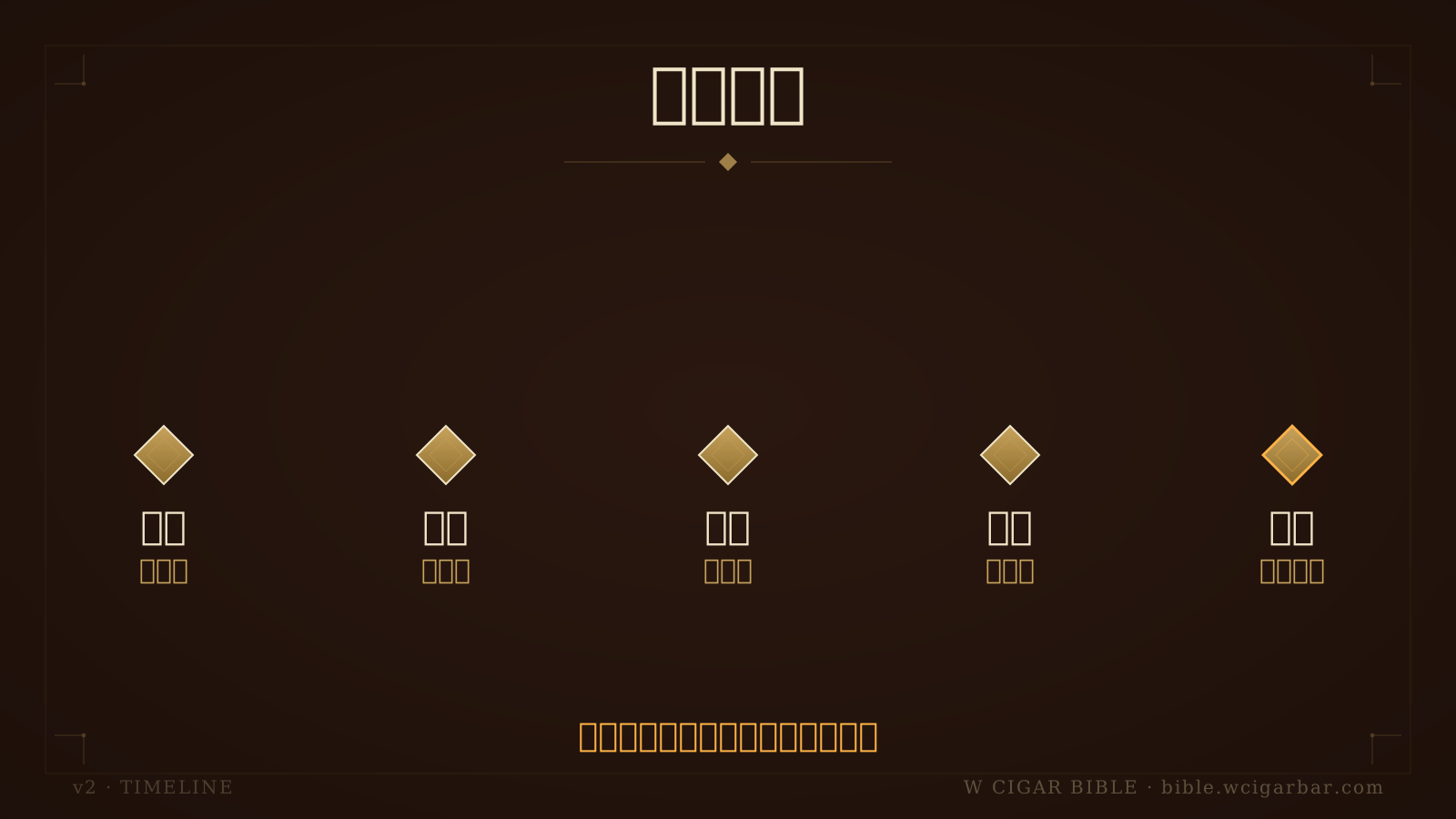
流程圖依序呈現定味、看牌、量時、查況與記錄
Draw Your Flavor Map: Strength, Aroma, and Finish
Many people just starting to choose cigars only ask, "Is this one strong?" But strength is just a part of the nicotine sensation and oral pressure, not equivalent to flavor complexity. Take the Cuban Hoyo de Monterrey Epicure No.2 as an example, with a 50 ring gauge and 124mm length, it often gives a creamy, woody, and slightly floral impression; compared to Partagás Serie D No.4, also a 50 ring gauge and 124mm, it leans more towards leather, pepper, and roasted nuts, with a noticeably different entry strength.
The first step in choosing a cigar is not to ask which is the best, but to distinguish whether you like "mellow sweetness, woody dryness, or spicy stimulation." I suggest breaking down the flavor into three layers: whether the front has cream, honey, or grass; whether the middle shows coffee, cocoa, or leather; whether the back turns to pepper, minerals, caramel, or bittersweet. Recording three key words each time is more useful than writing a long string of fancy descriptions.
If you usually drink light roast coffee, white wine, or lightly scented oolong tea, you can generally start with the light to medium directions of Hoyo de Monterrey, Romeo y Julieta, or Por Larrañaga; if you prefer espresso, peaty whiskey, or dark roast beans, Partagás, Bolívar, or Ramon Allones will more easily match your taste. Using your daily diet to infer cigar flavors is often more accurate than blindly chasing brands.
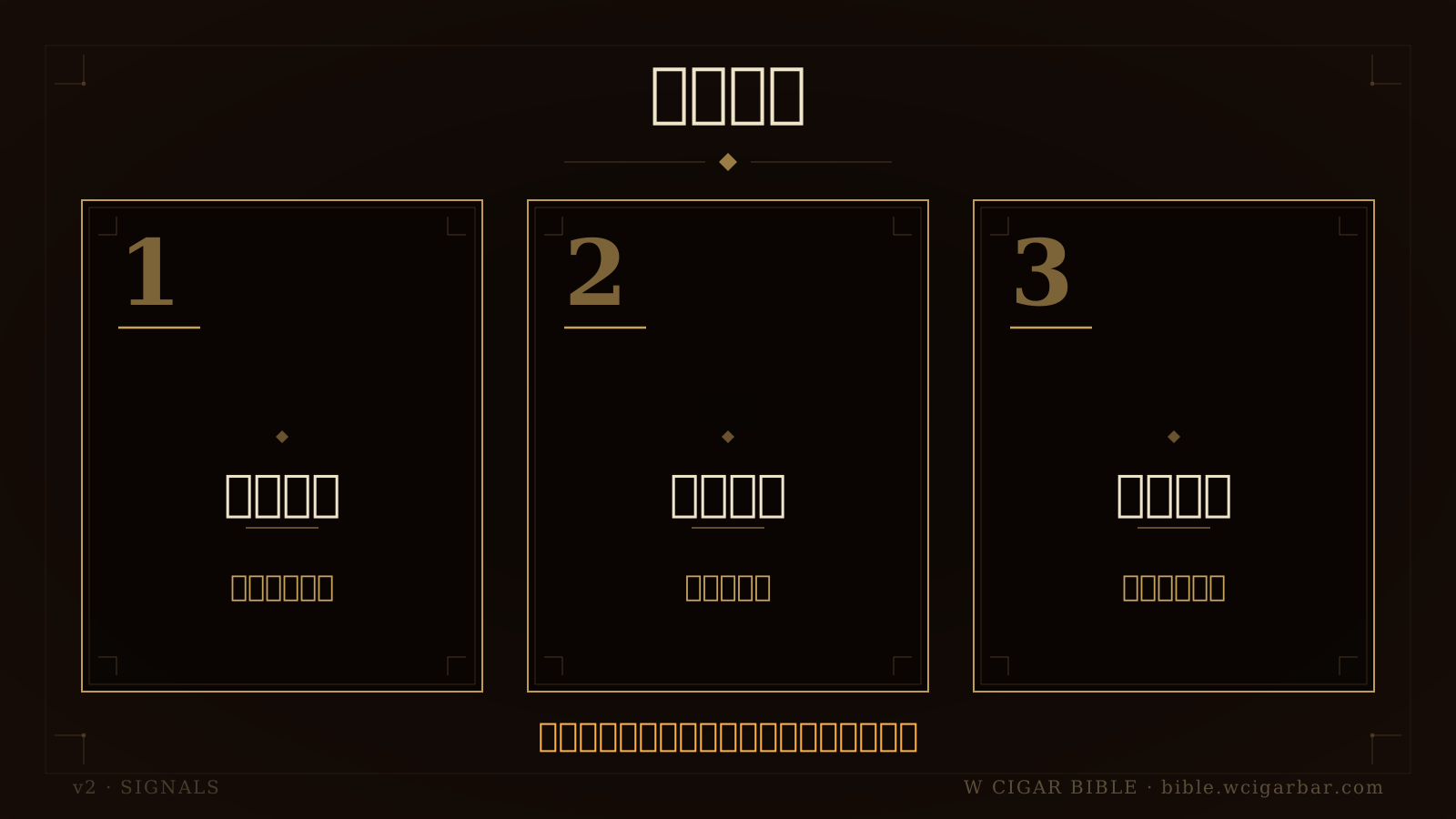
三張卡片說明先定味覺、再看品牌、最後配合時間
How to View Brand Background: Find Flavor Logic from History
Cuban brands often have very clear personalities. Partagás, founded in 1845, is known for its Havana factory history and rich style; Montecristo was launched in 1935, named after "The Count of Monte Cristo," with its No.2 torpedo shape being a long-standing example for many players to understand Cuban balance; Cohiba appeared in 1966 as a high-spec brand and later became one of the internationally recognized representatives.
The non-Cuban world should not be overlooked either. Since launching the Classic series in 1968, Davidoff has emphasized stability, delicacy, and clean taste; Arturo Fuente's family cigar-making history in the Dominican Republic dates back to 1912, with Fuente Fuente OpusX establishing an example in the 1990s that Dominican wrappers can also produce top-quality rich cigars; Padron 1964 Anniversary is often used to understand Nicaraguan cocoa, coffee, and soil sensations.
A brand is not a guarantee of what you will like, but a flavor clue sheet. Beginners can first remember three sets of contrasts: Cuban commonly has herbal, cedar, mineral, and leather variations; Dominican commonly has cream, nuts, and elegant spices; Nicaraguan commonly has cocoa, black coffee, earth, and sweet spices. When you know the regional and formula tendencies behind the brand, you won't just be led by the color of the outer box or market popularity.
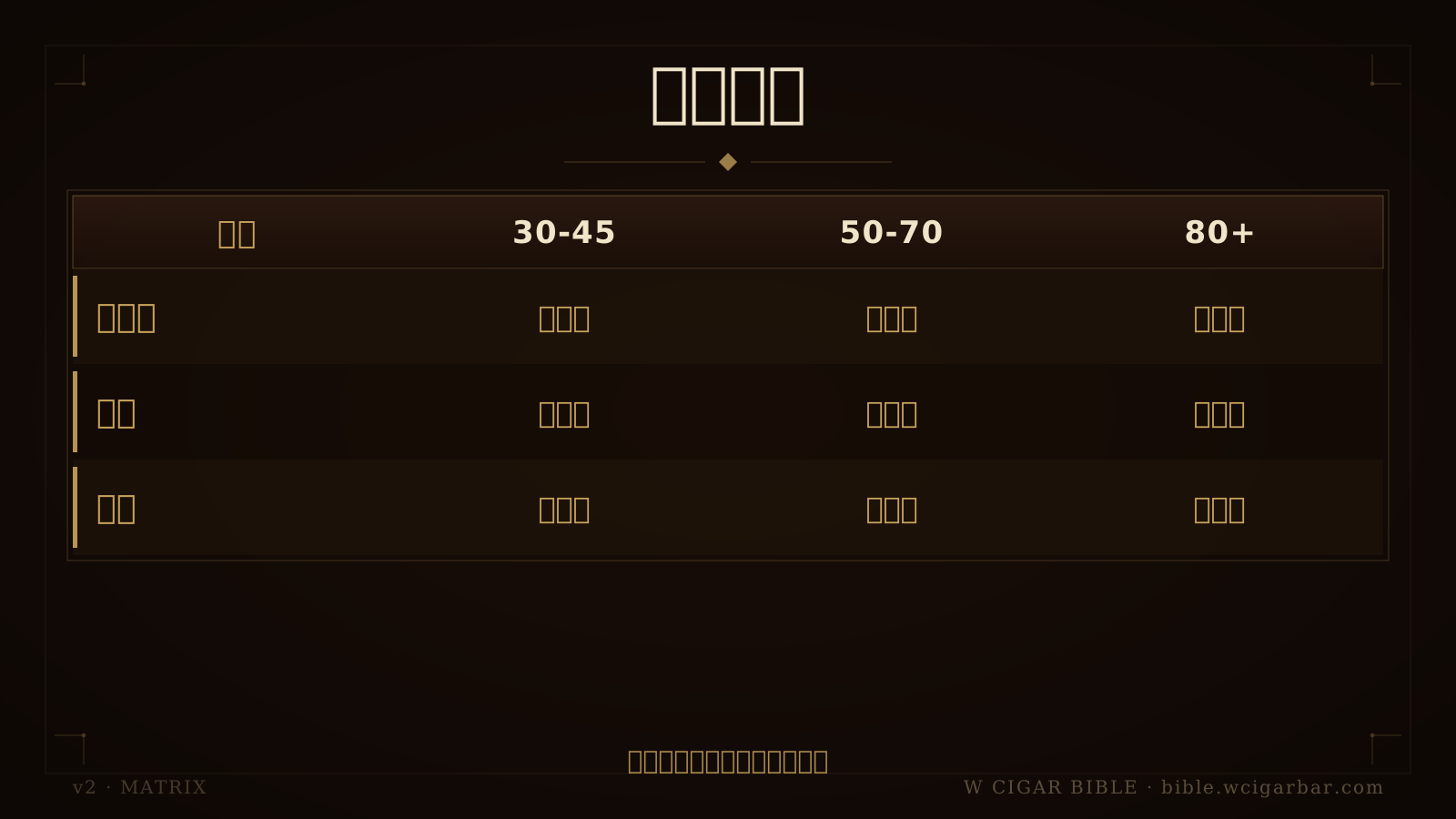
矩陣比較三個時間帶對應的雪茄尺寸與抽吸節奏
Size and Time: Different Vitola, Different Experience
The same brand, changing the size can be like changing a wine. The larger the ring gauge, the higher the filler ratio usually is, the lower the burning temperature, and the taste tends to be rounder; the longer the length, the more room for transitions in the front, middle, and back. Take Romeo y Julieta as an example, Mille Fleurs is about a 42 ring gauge and 129mm, taking about 35 to 45 minutes; Churchills is about a 47 ring gauge and 178mm, often requiring 80 to 100 minutes, with a completely different aroma advancement rhythm.
Many beginners are attracted by large sizes, thinking they look more ceremonial, but if you only have 40 minutes, choosing a 178mm long cigar can make you rush, amplifying heat, bitterness, and tar. Conversely, if you have a full 90 minutes after a weekend meal, choosing a small size might feel like the layers haven't unfolded before it's over. Size is not a matter of face, but a matter of time management and burning rhythm.
Practically, I suggest choosing by three time bands: 30 to 45 minutes can look at Petit Corona, Minutos, Half Corona; 50 to 70 minutes can look at Robusto, Corona Gorda; over 80 minutes can consider Churchill, Double Corona, or Sublime. Don't forget, a ring gauge over 52 doesn't necessarily mean stronger, but often appears smoother due to cooler burning; the real key is whether the formula, wrapper, and your puffing rhythm match.
Choose According to Needs: Before Meals, After Meals, Socializing, and Solitude
A cigar is not an item for a single scene. Choosing a style like Bolivar Belicosos Finos with more apparent strength on an empty stomach before a meal might be too burdensome for beginners; pairing it with black coffee or cognac after a meal can instead support its leather, cocoa, and spicy notes. If it's an afternoon reading, the refreshing woody and light cream tones of Hoyo de Monterrey or Quai d’Orsay usually don't interfere with attention.
In social occasions, you need to consider not only yourself but also the time and conversation rhythm. Robusto is popular not just because the 50 ring gauge and about 124mm size is easy to hold and control, but because its 60-minute duration can accommodate small talk, chatting, and quiet moments. If everyone's experience varies, choosing too intense a style can easily tire newcomers; choosing too delicate a style might be overlooked in a noisy environment.
The right cigar for you must also suit your current physical state, available time, and environmental volume. I often use simple classifications: choose light to medium during the day, medium to above after meals, complex layers for solitude, and stable burning for group occasions. If you are sleep-deprived, on an empty stomach, or have overdrunk, it's not advisable to challenge high strength; those who truly understand cigar selection will also consider "today's self" in their judgment.
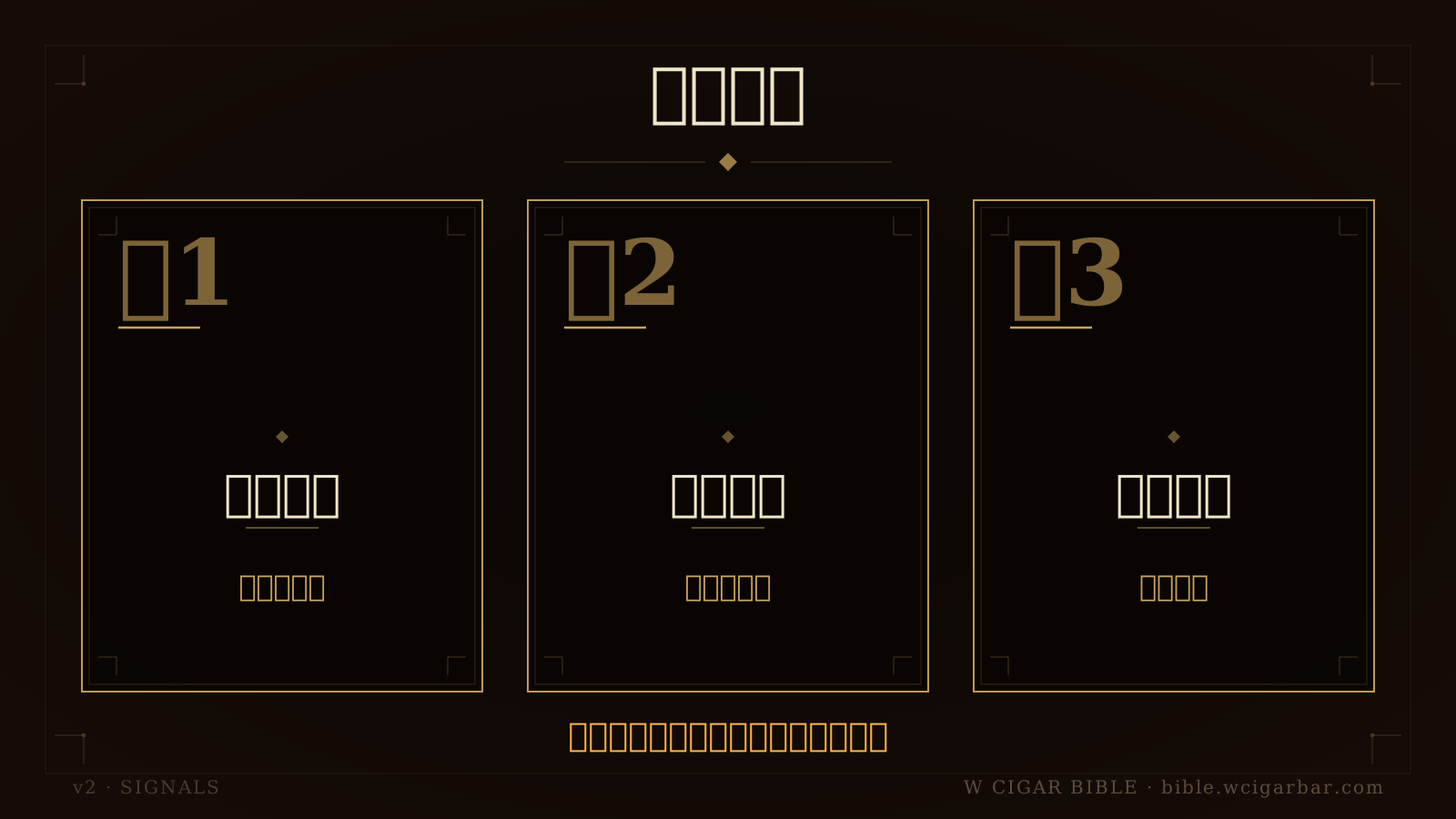
三張提醒卡列出只看名氣、濃即高級與大環最好
Quick Reference Table from Brand to Flavor
The table below is not an absolute standard but a starting point for beginners and advanced users based on years of reader and customer feedback. Different batches, storage, and aging states can cause flavor differences; for example, after 2019, many Cuban cigars have focused market discussions on burning stability and aging potential due to supply and batch differences. Non-Cuban brands often have an advantage in batch consistency, but the flavor direction may not meet everyone's imagination of "classic cigar taste."
| Flavor Preference | Reference Brand or Series | Common Flavors | Suitable Scenarios |
|---|---|---|---|
| Mellow, Creamy | Hoyo de Monterrey, Davidoff Signature | Cream, Cedar, Floral | Afternoon, Beginner to Advanced |
| Balanced, Woody | Montecristo, Romeo y Julieta | Woody, Coffee, Light Leather | After Meals, Social |
| Rich, Spicy | Partagás, Bolívar | Pepper, Leather, Roasted | After Meals, Solitude |
| Sweet, Cocoa | Padron, Arturo Fuente | Cocoa, Coffee, Sweet Spices | With Coffee or Rum |
| Delicate, Clean | Quai d’Orsay, Davidoff Grand Cru | Herbal, Nutty, Clean Woody | Daytime, Reading |
The table can only help you narrow down the range, but ultimately you need to rely on continuous recording to build your preference database. I would suggest not crossing too many variables at once: changing size within the same brand, or changing brand within the same size, is easier to compare than jumping region, strength, and vintage all at once. If you find yourself liking cream, cedar, and light sweetness three times in a row, don't rush to challenge strong styles; stable preferences are the foundation for going deeper.
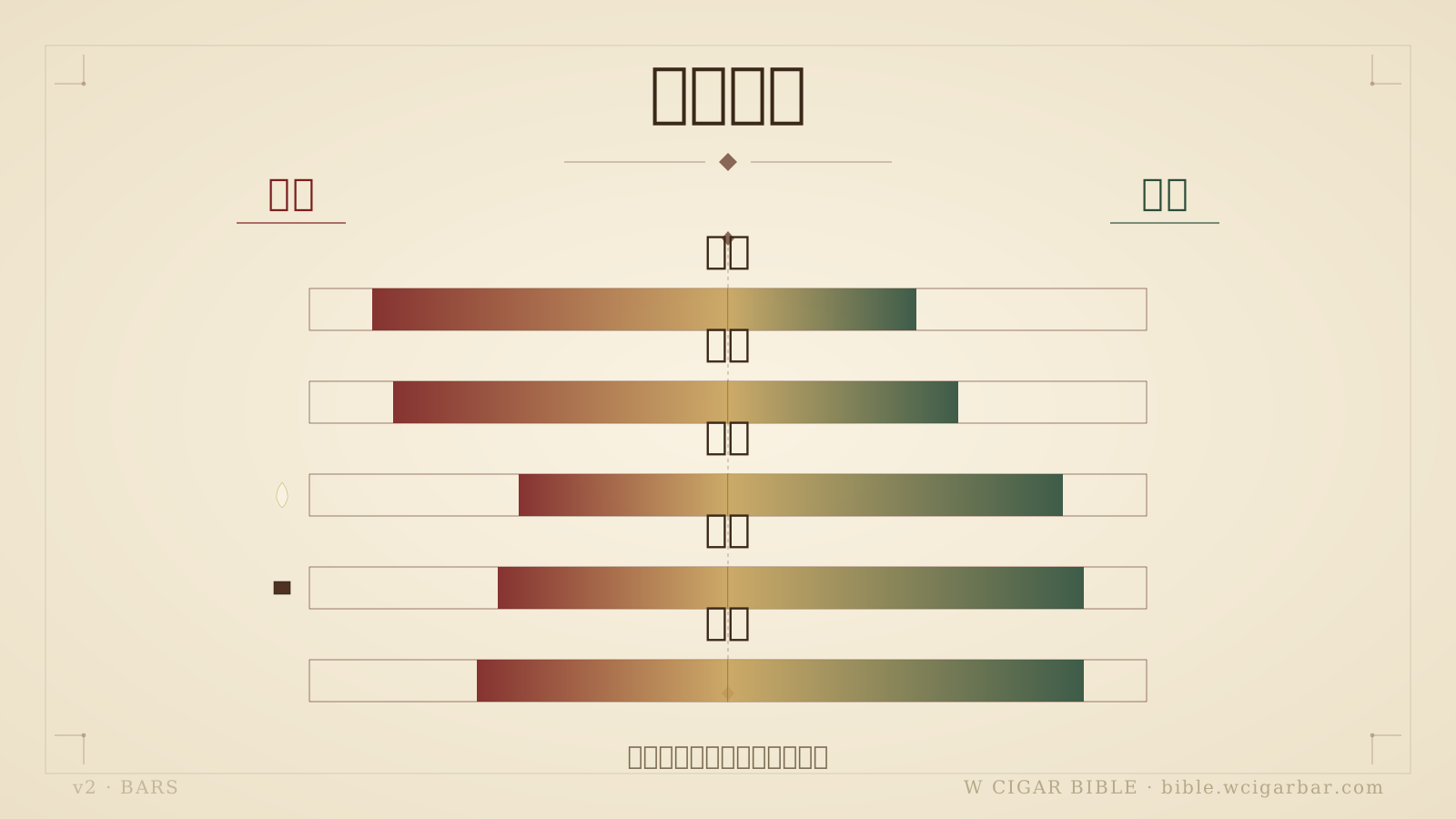
橫條圖比較古巴與非古在草本、木質、奶油等風味強度
Storage, Vintage, and Aging: Don't Let a Good Cigar Lose in Condition
The performance of a cigar often depends not on the brand itself but on the storage condition. It is generally recommended to maintain a relative humidity of about 65% to 70% and a temperature of about 18°C to 21°C; in Taiwan's humid climate, if it stays above 72% for a long time, burning can be stifled, smoke volume reduced, and bitterness increased. Conversely, if it stays below 60% for too long, the wrapper may crack, and the aroma becomes sharp, with an amplified dry mouthfeel.
Vintage should also be viewed rationally. Cuban box bottom codes like 2016, 2019, 2022 are not just collection topics but concern leaf fusion time. Many medium to rich Cuban cigars, after 3 to 5 years of aging, may see a reduction in spiciness, with woodiness and sweetness becoming rounder; but mild cigars may not necessarily improve with age, and poor storage can instead lose vitality. Collection and market prices are sometimes discussed, but they do not guarantee appreciation, still depending on source storage and market.
Storage is the foundation of flavor; without stable temperature and humidity, even the best brand may perform inaccurately. I suggest that beginners and advanced users at least prepare a reliable hygrometer and check it every two weeks; if using humidification packs, pay attention to the capacity and the number of cigars. To judge the condition, look at three points: lightly squeeze for elasticity, not too soft; the foot should smell of clear wood or fermented sweetness; after lighting, the burn line should be stable, and the draw should not be too tight. These are more practical than whether the outer box is luxurious.
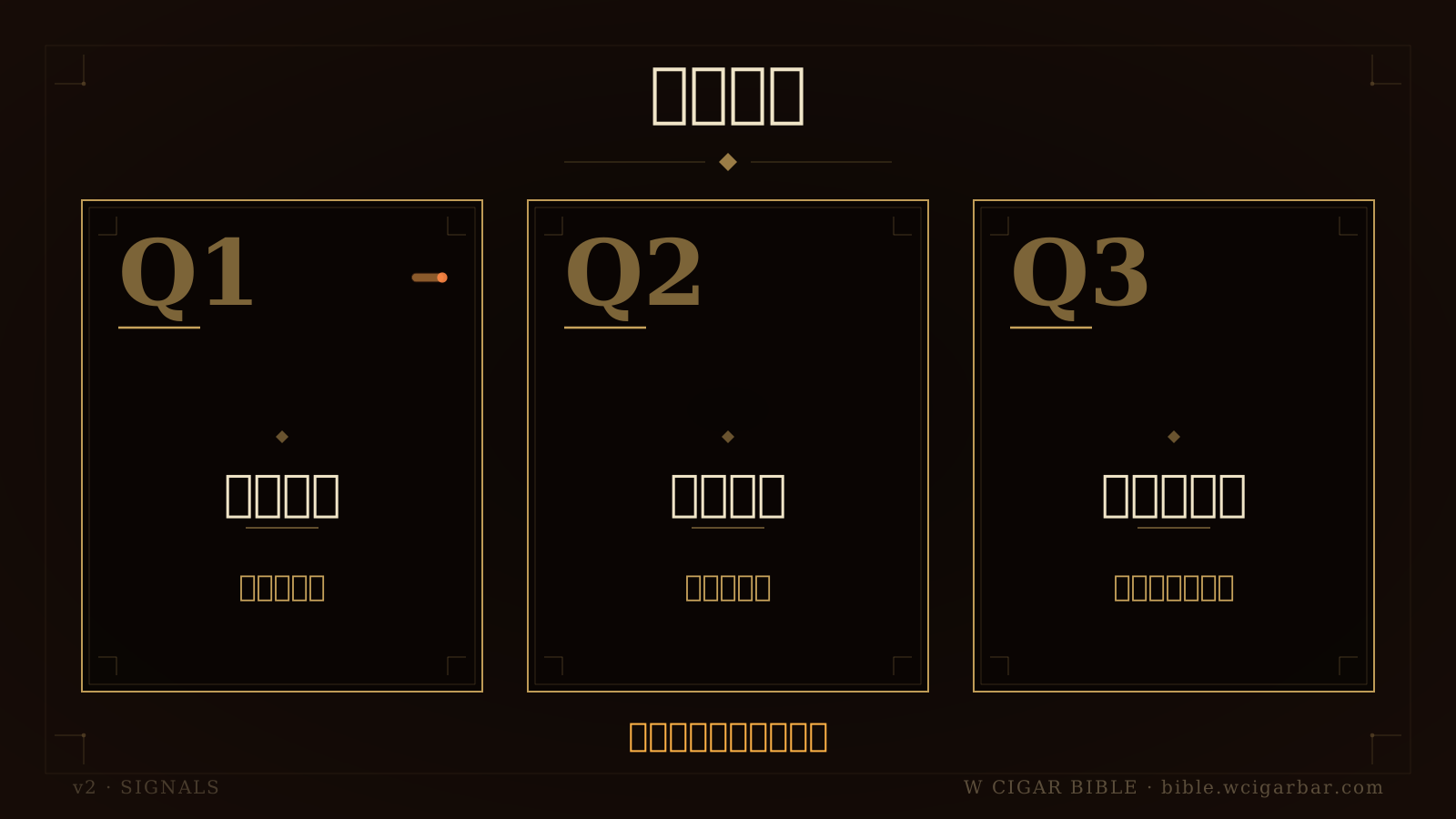
快問快答卡片整理產地選擇、濃度迷思與味道變化
Build Your Own Cigar Selection Record: Find Direction with 10 Cigars
I often suggest beginners and advanced users conduct a "10 Cigar Experiment," not to pursue rarity at once but to establish samples with comparable structures. You can choose 5 Cuban, 5 non-Cuban; or choose 3 light to medium, 4 medium, 3 medium to high strength. Record each brand, size, box bottom vintage or purchase year, storage humidity, pairing drink, front, middle, and back flavors, and burning and draw scores.
The recording method doesn't need to be complicated, the key is to be reviewable. I would use a 100-point system divided into four items: flavor 40, balance 25, burning 20, personal enjoyment 15. For example, a Montecristo No.4 might score flavor 32, balance 20, burning 16, enjoyment 12, total 80; another Padron 1964 Exclusivo might have a prominent cocoa sweetness, higher enjoyment score, but also more apparent strength.
- Compare only one variable at a time: brand, size, region, or vintage.
- Don't smoke too many in one day, as taste fatigue can lead to inaccurate judgments in the later stages.
- Fix the pairing drink first, such as water, black coffee, or unsweetened tea.
- Writing "would choose again" is more valuable than fancy descriptions.
The cigar truly suitable for you is not the one others rate 95 points, but the one you are willing to return to on different days. After completing the 10 cigar record, you will usually see a clear trend: preferring large or small ring gauges, leaning towards Cuban herbs or Nicaraguan cocoa, and how much pepper you can accept. From then on, choices will be more precise and less easily swayed by popular lists.
Frequently Asked Questions
1. Should beginners start with Cuban or non-Cuban cigars?
Both are worth knowing. Cuban is suitable for understanding traditional herbal, woody, mineral, and leather variations; non-Cuban often has stable burning, cocoa sweetness, and clear formula characteristics. If the budget is limited, I suggest choosing 2 to 3 of each at the same price point for comparison, not drawing conclusions based solely on origin.
2. Does a stronger cigar mean higher quality?
Not necessarily. Strength is just a sense of power, while delicacy, balance, transitions, and burning are equally important. Davidoff Signature does not win by intensity, yet still holds clean and elegant value; Bolívar has a distinct strength, but if in poor condition, it may only leave a sense of pressure.
3. Is a larger ring gauge more suitable for beginners?
Not necessarily. Larger ring gauges often burn cooler and rounder but also require longer time and more stable lighting. If you only have 45 minutes, a Petit Corona or Half Corona might be more suitable; if you have over 70 minutes, then consider sizes above Robusto.
4. Why does the same cigar taste different each time?
It could be due to batch, storage, humidity, lighting method, puffing speed, and the day's taste state. A 5% difference in relative humidity can make burning and taste different; before and after meals can also change your sensitivity to bitterness, sweetness, and spiciness.
5. Should I pursue older vintage cigars?
You can study them, but don't be superstitious. Aging for 3 to 5 years often makes some cigars more rounded, but the premise is reliable source and storage. Older vintage does not equal good condition; if the wrapper is cracked, aroma hollow, or burning abnormal, even the most beautiful box bottom vintage is just a number.
6. How to judge if a cigar is suitable for me?
Look at three things: whether you enjoy the front, middle, and back transitions, whether your body feels comfortable, and whether you want to savor it again after finishing. If you only endure a whole cigar because of its reputation but don't feel pleasure, then it's not the right choice for you at the moment.
Choosing cigars, the most fascinating part is not finding the only answer but gradually understanding your taste. Brand, vintage, size, and storage are clues, but the real core is your perception and record. I hope you gain more understanding and less blind following before lighting each time; cigars don't need to be pursued hastily, knowing how to choose slowly, the flavor will naturally take you further.
—Cigar Prince Wilson Tsai
Smoking is harmful to health. Under 20 years old is not allowed to smoke. Quitline: 0800-636363. This article is for reference by adults over 20 years old on cigar culture, storage, and regulations, not a tobacco advertisement, promotion, or purchase suggestion.
Like this article?Share with friends
Share this W Cigar Bible piece with friends who want to learn cigar culture, storage, and tasting.
想把這篇 化為實踐
雪茄聖經是知識;雪茄文化要在空間裡發生

W Cigar Bar 大安總店資訊
台北大安區 · 雪茄聖經總編輯 Wilson Tsai 主理的雪茄文化空間
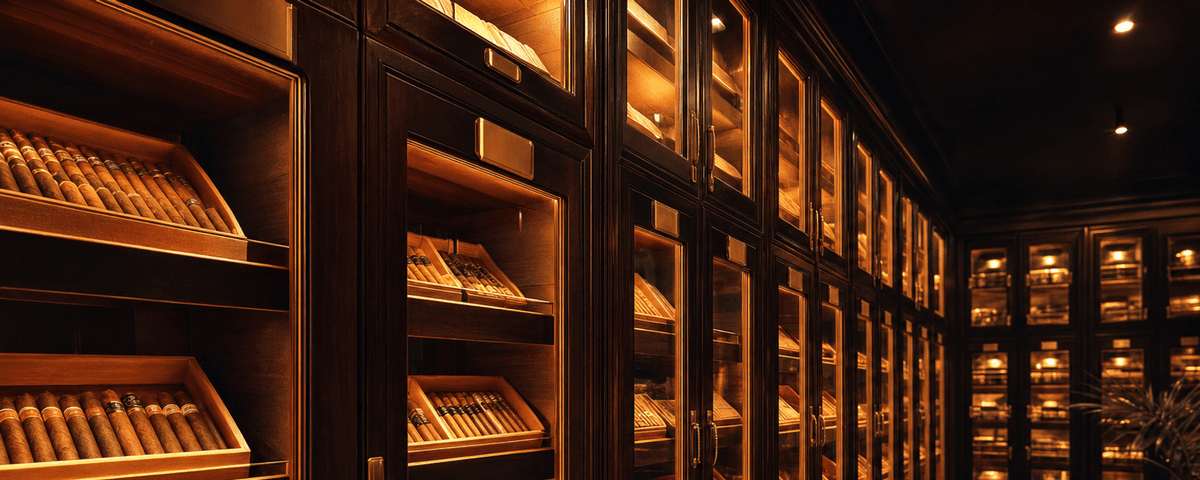
33 座 24 小時恆溫恆濕醇化室
W Cigar Bar 提供的會員醇化空間 · 場地資訊請洽編輯部
雪茄剪 / 打火機 / 雪茄盒 / Boveda
W Cigar 配件官網 · 專營雪茄配件正品
加 LINE 好友 · 文化諮詢
文化空間資訊 · 紳士沙龍 · 私人包場
本網站內容僅供雪茄文化、歷史、收藏與品吸知識研究參考。菸品有害健康、未滿法定年齡者請勿吸菸。實際規範請依所在地法律為準。
吸菸有害健康・戒菸專線 0800-636363・本站僅供 20 歲以上成年人閱覽。
讀到這裡,你不只是路過的人
留下 Email,加入 W 雪茄聖經內圈——總編輯 Wilson Tsai 親選的學院深文與國際新訊,先你一步送到信箱。
· 教育用途非銷售 · 隨時一鍵退訂 · Email 絕不對外公開 · 由勝茄股份有限公司營運
同分類延伸閱讀

資料來源:W Cigar Bible 編輯部整理 · 雪茄王子 Wilson Tsai 親自審稿
本文僅供雪茄文化、歷史、收藏與品鑑知識研究,不作為菸品促銷、銷售或購買建議。吸菸有害健康,未滿二十歲不得吸菸。