進階雪茄評鑒技巧:從感官分析到專業評估

進階雪茄評鑒不僅僅是華麗的形容詞,而是建立可重複、可比較的觀察方法。本文將指導讀者如何透過感官分析、結構判讀及紀錄方式,將個人感受轉化為專業評估的語言。從環境控制到香氣拆解,進而分析口感、強度與煙體,這些都是評鑒的關鍵要素。此外,結構判讀與三段式評估有助於觀察風味的變化,並透過盲評與校準來降低偏見,提升評鑒的準確性。這樣的訓練能讓雪茄愛好者更深入理解不同品牌與年份之間的差異。
- 評鑒雪茄前需控制環境變因,穩定的溫度與濕度有助於準確判斷風味。
- 香氣評鑒應分為冷聞、燃燒後三段,並記錄每階段的特徵。
- 口感、強度與煙體是三個不同概念,評估時需分開考量,尋求風味的平衡。
Advanced Cigar Evaluation Techniques: From Sensory Analysis to Professional Assessment
Advanced cigar evaluation is not about piling up fancy adjectives, but about establishing a repeatable, comparable, and adjustable observation method. As an editor of the "Cigar Bible," what I care more about is whether you can articulate the reasons for differences between different brands, vintages, and sizes.
Many beginners already understand basic tasting techniques but often get stuck between "enjoyable" and "not to my taste." In this article, I will use sensory analysis, structural interpretation, recording methods, and etiquette details to help you organize personal feelings into a language closer to professional evaluation.
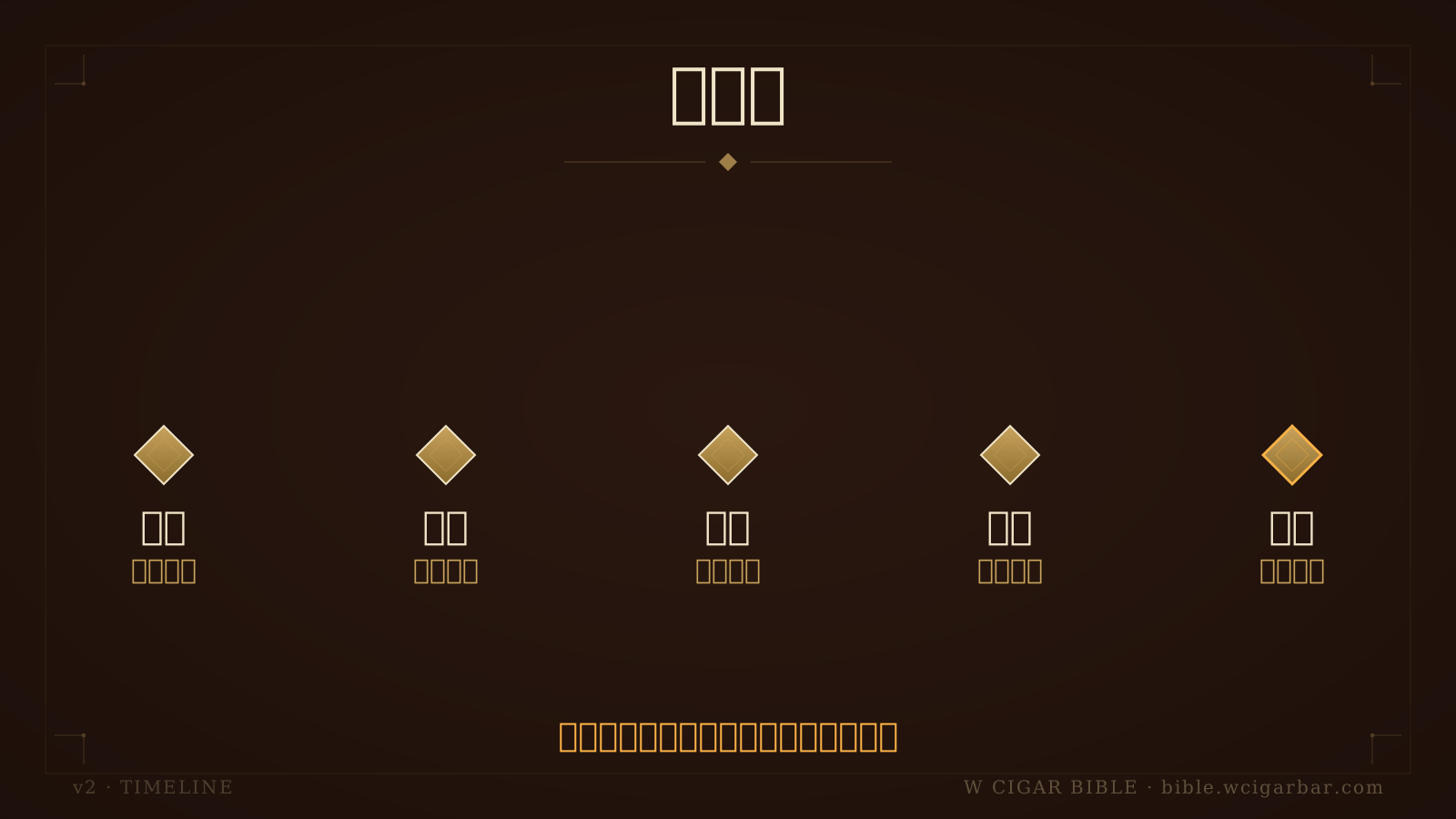
時間軸呈現準備冷聞點燃分段到複盤流程
Preparation for Evaluation: Environment, Rhythm, and Benchmark Samples
The first step in professional evaluation is not lighting up but controlling variables. Temperature, humidity, lighting, the beverage in your cup, and even whether you have eaten spicy food that day can alter your judgment. I usually keep the indoor temperature around 22 to 25°C, with cigar storage relative humidity mainly between 65% and 69%; if taken from an environment above 70%, let it rest for at least 20 to 30 minutes to allow the wrapper to return to a stable state. The more stable the environment, the better your tongue and nose can judge the cigar itself.
Benchmark samples are important. If you have only smoked a single brand, it's easy to mistake "personal familiarity" for "quality standard." For example, Montecristo No.2, Partagás Serie D No.4, and H. Upmann Magnum 46 are classic models often used to compare structure and flavor profiles; on the non-Cuban side, Padrón 1964 Anniversary, Arturo Fuente Hemingway, and Davidoff Grand Cru can also provide references from different regions and fermentation logic.
When preparing, I do three things: first, avoid coffee and spicy foods an hour before; second, use room temperature water to cleanse the palate; third, write down the brand, size, vintage, or box code information of the same cigar, but don't rush to conclusions. If comparing the same model from 2020 and 2023, also record storage conditions, as aging may present completely different proportions of wood, cream, nuts, or leather.
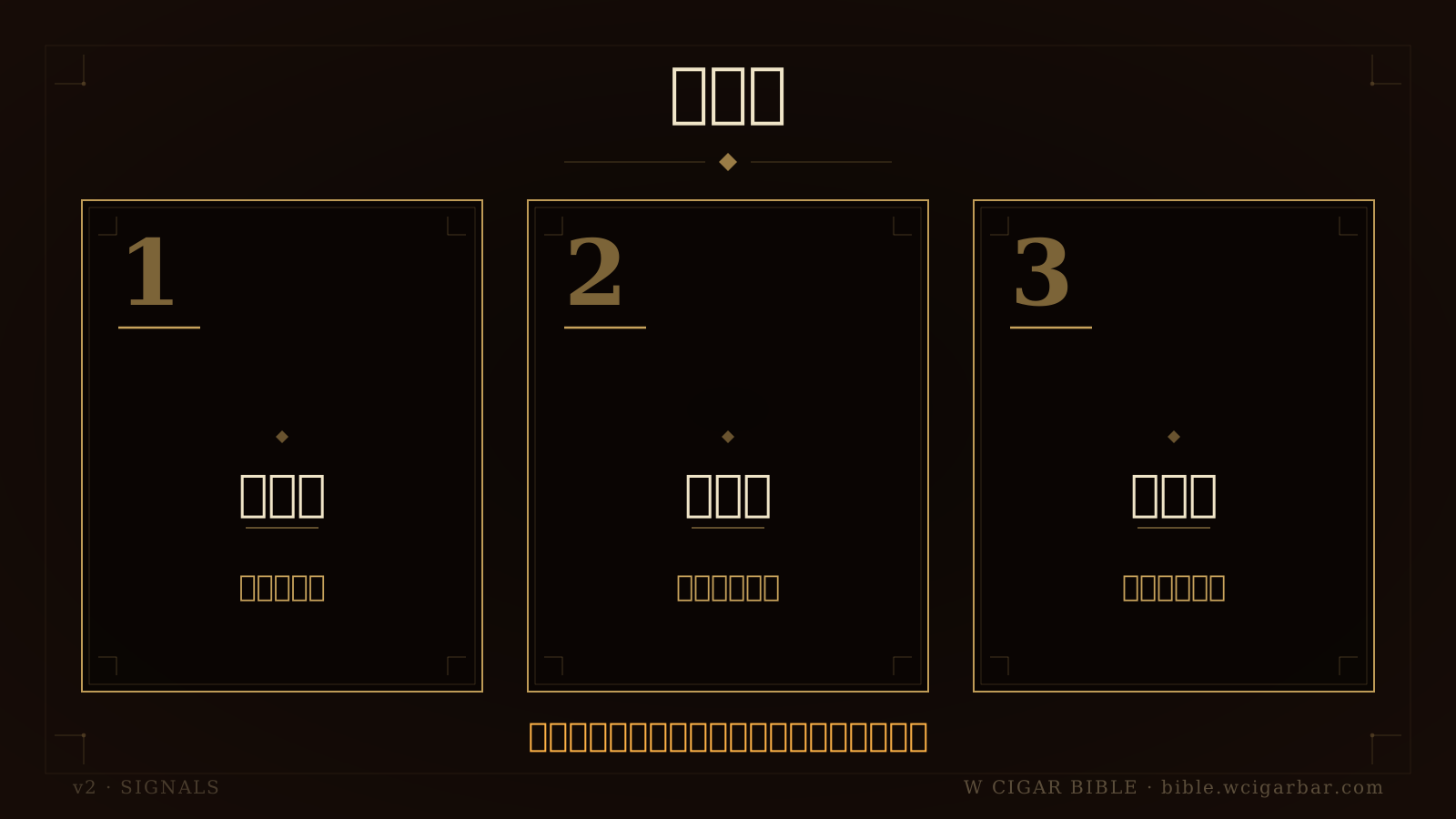
三張卡片列出控變因分階段與可比較紀錄
Aroma Breakdown: From Cold Scent to Three-Stage Burning Judgment
Aroma is not a single answer but a time sequence. The cold scent before lighting usually reflects the initial state of the wrapper, binder, and filler; the cold draw after cutting reveals sweetness, herbal, grain, cocoa, or mineral tones. For example, Cohiba Siglo VI, when in good condition, often shows honey, hay, cream, and light wood aromas; while Ramón Allones Specially Selected is more likely to exhibit red fruit, wet wood, spice, and soil notes.
After lighting, the aroma should be divided into at least three stages: entry, nasal retrohale, and finish. Entry is the sweet, salty, sour, bitter, umami first received by the tongue; nasal retrohale is the aroma emerging from the back of the nasal cavity after exhaling; the finish is the taste that lingers 30 seconds to 2 minutes after the smoke has left. Advanced evaluation should note "at which stage the aroma appears," rather than just writing "there is wood aroma."
I recommend building your own aroma vocabulary but avoid being overly romantic. You can use five categories as a framework: woody like cedar, oak; sweet like caramel, honey; nutty like almond, walnut; spicy like white pepper, cinnamon; fermentation and earthy like leather, soil, mushroom. Around 2016, many Cuban box-aged cigars showed a decrease in grassy notes and an increase in honey and dried fruit notes; however, this is not a guaranteed rule and still depends on the individual cigar's condition and storage record.
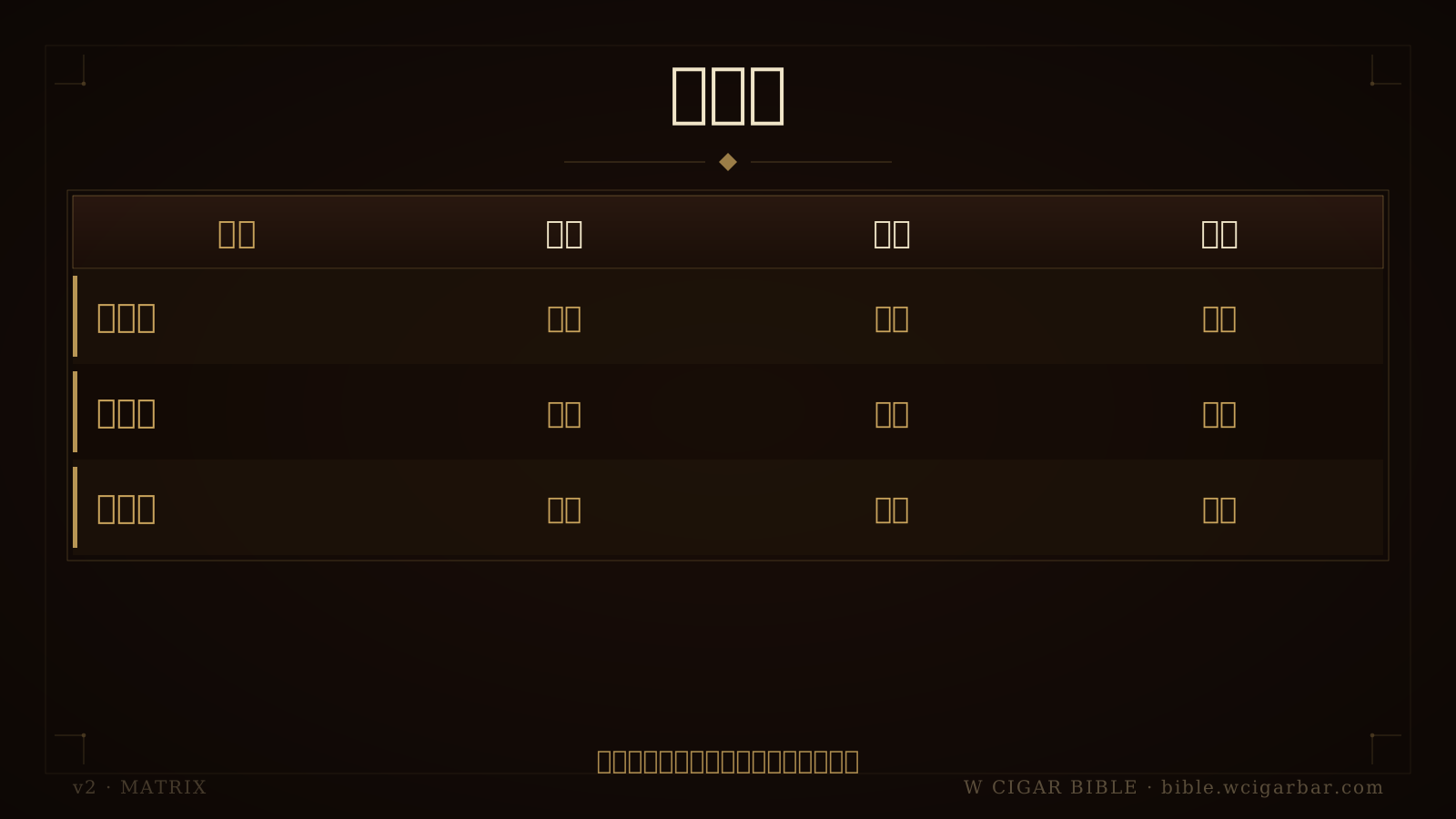
矩陣比較口感強度與煙體三個評鑒維度
Flavor, Strength, and Body: Do Not Confuse the Three
Many people consider "strength" as everything, but flavor, strength, and body are three different things. Flavor refers to the tactile sensation on the tongue, such as creamy, dry, oily, or granular; strength often refers to the body’s reaction to nicotine and stimulation; body is the weight and density of the smoke in the mouth. The Davidoff Signature series can have a lighter to medium body but delicate flavor; Padrón 1926 often has a more robust profile of cocoa, coffee, and black pepper.
When evaluating, you can use a 1 to 5 scale: 1 for light, 3 for medium, 5 for heavy or intense. But scores are not rankings; they are descriptive tools. For example, a cigar with medium body, low stimulation, and high oiliness may not be "worse" than a high-strength cigar; it may be more suitable for observing details. A truly mature evaluation does not pursue stronger as better but judges whether flavor, texture, and strength are balanced.
When taking a draw, do not rush to inhale smoke continuously. I let the smoke stay in the mouth for 3 to 5 seconds, gently rolling it to the tip, sides, and roof of the tongue, then slowly exhale. If the sides of the tongue show obvious sourness or astringency, it may be due to fermentation, humidity, or burning temperature; if throat irritation persists beyond the middle section, check if you are smoking too quickly. A typical Robusto size takes about 45 to 60 minutes to complete; if finished within 30 minutes, the temperature is likely too high, and details will be overwhelmed by bitterness.
Structural Interpretation: Burning, Draw, Ash Column, and Craftsmanship
The structure of a cigar is the framework on which flavor can unfold stably. The visual inspection first checks if the wrapper has major cracks, whether the sheen is natural, and if the veins are too coarse; then gently squeeze the entire length to feel for any voids or overly hard nodes. Too loose may lead to fast burning, hot and thin smoke; too tight may result in heavy draw resistance, stifling the aroma. Craftsmanship is not just about appearance but the foundation of burning, airflow, and flavor performance.
Here is a structural observation chart I often use, suitable for recording differences between the same brand in different years or boxings:
| Item | Ideal State | Possible Issues | Recording Method |
|---|---|---|---|
| Draw | Like sipping a thick milkshake through a straw | Too tight or too loose | 1 to 5 scale |
| Burn Line | Slow and mostly even | Canoeing, tunneling | Take a photo or note every 15 minutes |
| Ash Column | Stable formation of 2 to 4 cm | Loose, flaky drop | Describe color and density |
| Temperature | Warm and not hot in flavor | Bitter, spicy increase | Mark the time of occurrence |
For long sizes like Churchill or Double Corona, the burning changes from the front to the middle section can better reveal the filler configuration. If the first 20 minutes are smooth, but the middle suddenly extinguishes or draw resistance increases significantly, it may be due to uneven filler rolling density or high storage humidity. At this point, do not rush to dismiss the brand; it's best to compare with other sticks from the same box or different year samples for a more reliable judgment.
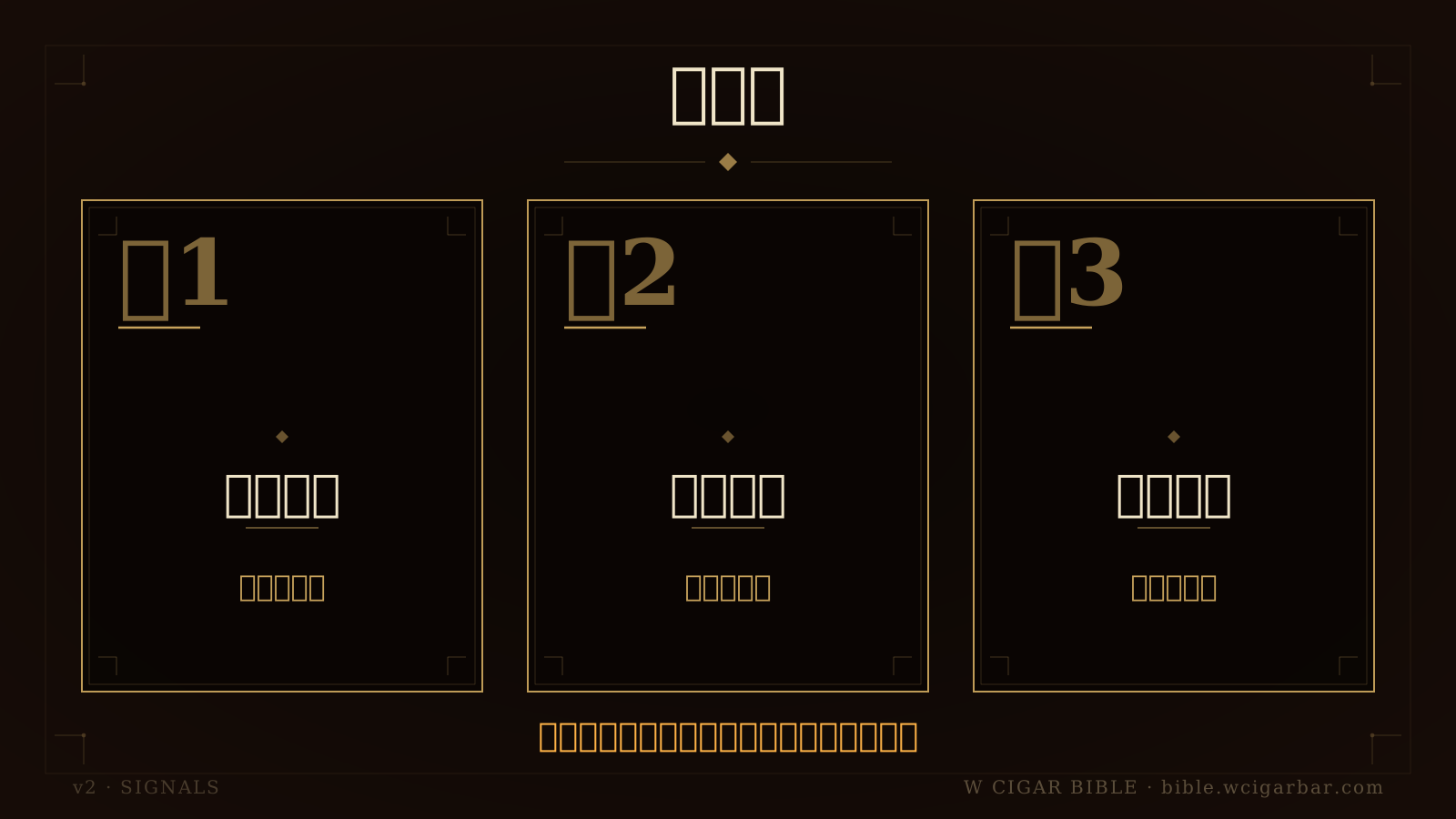
三張錯誤提醒卡列出強度斜燒與分數迷思
Three-Stage Evaluation: Flavor Evolution in the Front, Middle, and Back Sections
Advanced evaluation must emphasize "change." I usually divide a cigar into front, middle, and back sections, each about one-third, but do not rigidly adhere to length, instead observing flavor transitions. The front section is often the first impression given by the wrapper and lighting state; the middle section is the core of whether the structure is established; the back section examines whether the flavor collapses, stimulation becomes uncontrollable, and whether the finish continues.
Taking Partagás Serie P No.2 as an example, when in good condition, the front section may have wood, cream, and light pepper, the middle section shifts to toasted bread, leather, and nuts, and the back section presents deeper soil and spice. If stored too wet, the front section may be muffled and sour, only opening up in the middle; if smoked too quickly, the back section is prone to bitterness. Do not only record the first puff; the value of a cigar often lies in whether the middle section has layers and extension.
I suggest making a brief note every 15 minutes, including: primary aroma, secondary aroma, flavor, strength, burn status, and finish length. The finish can be estimated in seconds, for example, less than 20 seconds is short, 30 to 60 seconds is medium, and over 90 seconds can be considered long. This recording method allows you to look back six months later and know whether you like "sweetness" or "structure," "richness" or "cleanliness."
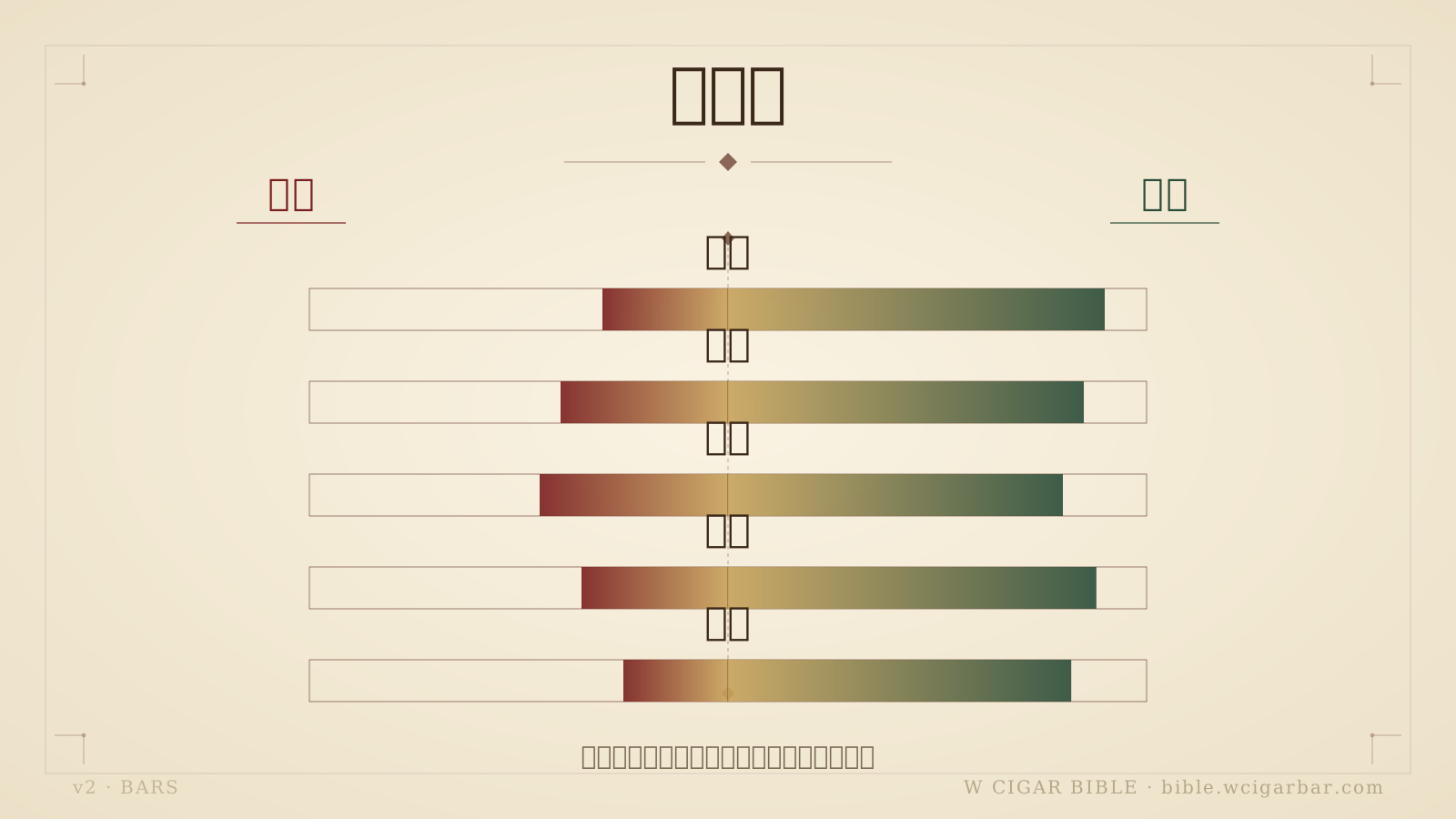
橫條圖比較直覺品飲與專業評估取向差異
Blind Tasting and Calibration: Separating Preference from Quality
Brand aura can influence judgment. Names like Cohiba, Trinidad, Davidoff, Arturo Fuente OpusX carry expectations, and knowing the label beforehand can easily mix price, rarity, and flavor performance. Therefore, I highly encourage small-scale blind tastings: have friends remove the bands, leaving only the size and tasting time, and reveal the brand after completing the record. The purpose of blind tasting is not to guess the brand but to reduce bias and train sensory honesty.
During blind tasting, prepare at least three comparisons: one classic Cuban, one Dominican or Nicaraguan work, and one familiar daily benchmark. For example, comparing Montecristo No.4, My Father Le Bijou 1922, and Davidoff Aniversario Special R in the same session allows you to observe Cuban wood and herbal notes, multi-country blend spices and sweetness, and the clean lines of the Dominican system.
Calibration involves repeatedly returning to the same benchmark cigar. For example, smoking Hoyo de Monterrey Epicure No.2 every three months, recording whether your sensitivity to cream, cedar, floral, and nutty notes changes. Human taste is affected by age, diet, sleep, colds, and stress. Writing "today's state" into the notes can make the scoring more humble and closer to reality.
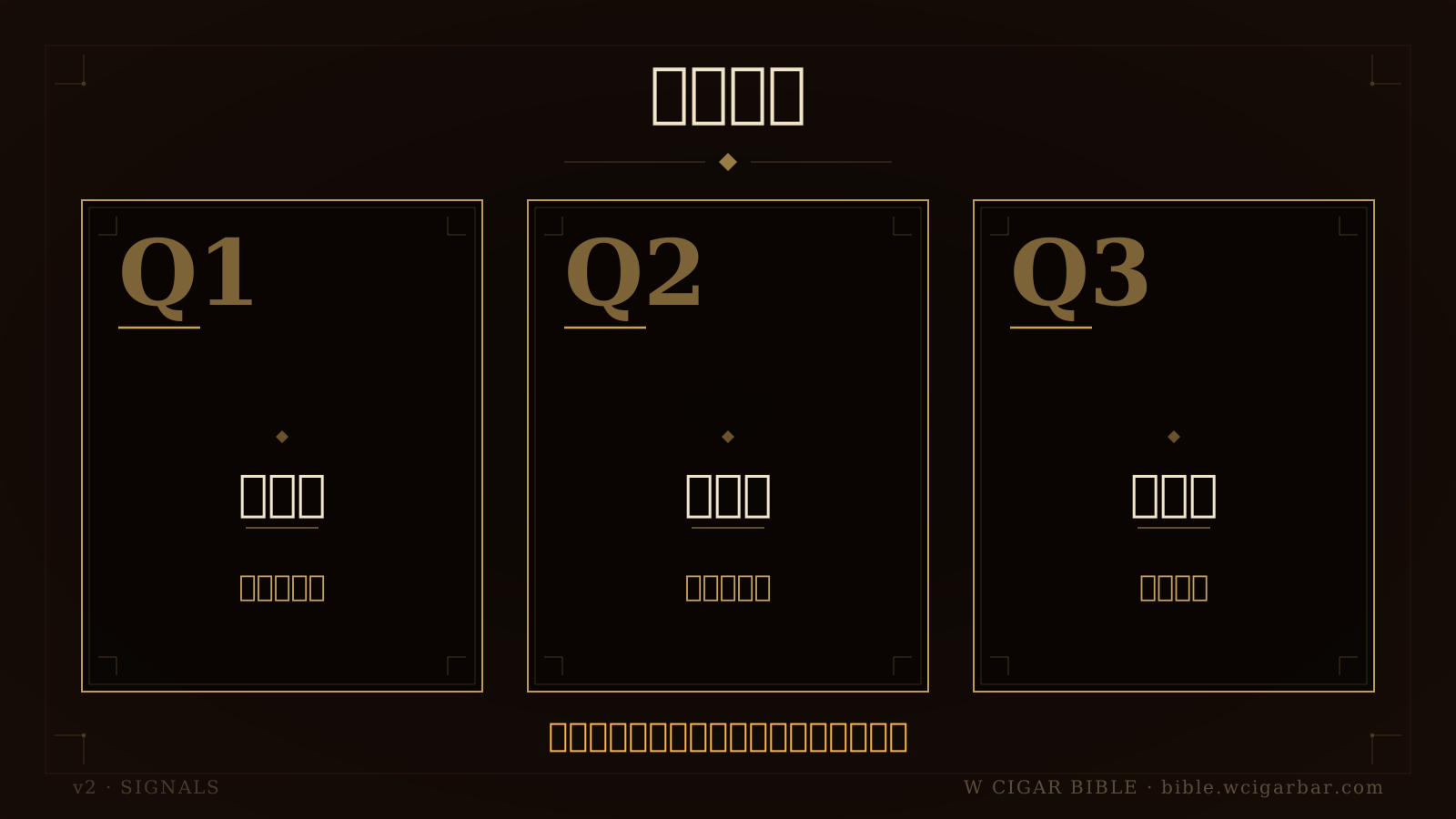
三張問答卡回答筆記同盒差異與醇化問題
Pairing, Storage, and Etiquette: Ensuring Details Do Not Interfere with Judgment
Pairing can amplify or obscure flavors. When starting advanced evaluation, I recommend using room temperature water or sparkling water; if pairing with alcohol, choose options that are not too sweet or overly oaky. Bourbon may enhance vanilla and caramel, cognac may add dried fruit and oak, and heavily peated single malt may overwhelm cigar details. Pay attention to the roast level of coffee as well; dark roast can lead to misjudging bitterness as a problem in the cigar's back section.
In terms of storage, 65% to 69% relative humidity suits most Cuban cigars, while non-Cuban large ring gauge works can be adjusted based on personal experience. If the same cigar has tight draw, heavy burn line, and thin smoke, consider balancing in a lower humidity environment temporarily; if the wrapper is brittle, and the front section is spicy and dry, it may be too dry. Storage is not about locking numbers but using burn and flavor to verify if the humidity is appropriate.
Etiquette is also part of the evaluation. Do not smoke cigars like cigarettes frequently; do not flick the ash forcefully, let the ash column fall naturally; do not hold cigars with heavily scented hands; when with others, avoid using your preference to negate others. When discussing collection and market prices, I remind: rare box codes, limited editions, and complete preservation do affect circulation observation, but do not guarantee appreciation, still depending on source preservation and market.
Frequently Asked Questions
1. How often should I take notes?
It is recommended to take notes every 15 minutes, at least dividing into front, middle, and back sections. Each time, just write 6 fields: aroma, flavor, strength, body, burn, finish. Notes do not need to be literary; stability and comparability are more important than fancy descriptions.
2. Why does the same box of cigars taste different?
Cigars are agricultural products, and even within the same box, there may be differences due to leaf position, rolling density, and storage location. In 2021, some products from the same box had sweeter front sections, while others had slightly tighter draw, which is not uncommon. Record 3 to 5 sticks consecutively, then judge the characteristics of the whole box.
3. Are high-strength cigars suitable for advanced beginners?
You can try, but it is not recommended to treat high strength as a symbol of progress. If the nicotine is too strong, attention will shift from aroma to physical discomfort. Medium-strength, clearly structured Robusto or Corona Gorda are often more suitable for practicing details.
4. Does uneven burning always mean a bad cigar?
Not necessarily. Slight uneven burning may be affected by lighting, wind direction, or humidity; if it persists beyond 1 cm and worsens after correction, then consider rolling or storage issues. Slow down first, then make corrections as needed, do not overcorrect at the start.
5. How should scores be reasonably assigned?
I break down the total score into appearance 10, structure 20, aroma 25, flavor 20, change 15, finish 10. This is not an absolute standard but avoids relying solely on first impressions. A good scoring system should help you explain reasons, not create a sense of authority.
6. How long should aging be for improvement?
There is no fixed answer. Some Cuban cigars show decreased herbal notes and rounder sweetness after 3 to 5 years; some non-Cuban works are quite mature upon release, and aging too long may lose distinct spicy notes. The key is regular tasting and recording storage conditions, not just believing in vintages.
I have always believed that the most fascinating part of cigar evaluation is not judging each one as high or low but finding your own order among smoke, time, and memory. When you can clearly articulate why a cigar is balanced, why it is off, and why you want to compare it again, you have already moved beyond the beginner stage and towards true taste ability.
—Cigar Prince Wilson Tsai
Smoking is harmful to health. Under 20 years old is not allowed to smoke. Quit smoking hotline: 0800-636363. This article is for adults over 20 years old as a reference for cigar culture, storage, and legal knowledge, not a tobacco advertisement, promotion, or purchase suggestion.
Like this article?Share with friends
Share this W Cigar Bible piece with friends who want to learn cigar culture, storage, and tasting.
想把這篇 化為實踐
雪茄聖經是知識;雪茄文化要在空間裡發生

W Cigar Bar 大安總店資訊
台北大安區 · 雪茄聖經總編輯 Wilson Tsai 主理的雪茄文化空間
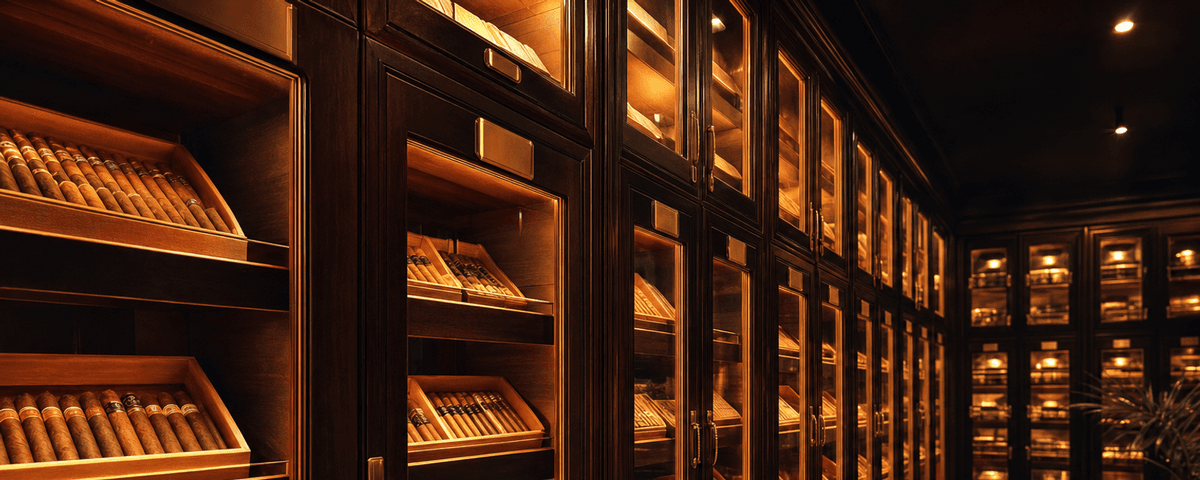
33 座 24 小時恆溫恆濕醇化室
W Cigar Bar 提供的會員醇化空間 · 場地資訊請洽編輯部
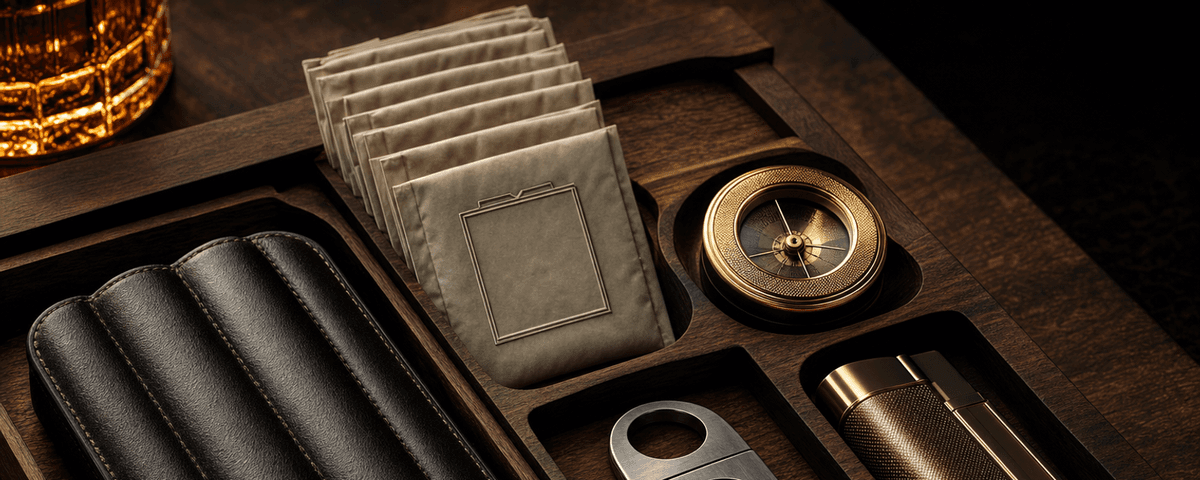
雪茄剪 / 打火機 / 雪茄盒 / Boveda
W Cigar 配件官網 · 專營雪茄配件正品
加 LINE 好友 · 文化諮詢
文化空間資訊 · 紳士沙龍 · 私人包場
本網站內容僅供雪茄文化、歷史、收藏與品吸知識研究參考。菸品有害健康、未滿法定年齡者請勿吸菸。實際規範請依所在地法律為準。
吸菸有害健康・戒菸專線 0800-636363・本站僅供 20 歲以上成年人閱覽。
讀到這裡,你不只是路過的人
留下 Email,加入 W 雪茄聖經內圈——總編輯 Wilson Tsai 親選的學院深文與國際新訊,先你一步送到信箱。
· 教育用途非銷售 · 隨時一鍵退訂 · Email 絕不對外公開 · 由勝茄股份有限公司營運
同分類延伸閱讀

資料來源:W Cigar Bible 編輯部整理 · 雪茄王子 Wilson Tsai 親自審稿
本文僅供雪茄文化、歷史、收藏與品鑑知識研究,不作為菸品促銷、銷售或購買建議。吸菸有害健康,未滿二十歲不得吸菸。