Schwarzenegger 與雪茄的帝國:議會草坪上的煙帳、Punch Punch 加州執政術
從 Pumping Iron 奪冠慶典到 Sacramento 州長煙帳的 40 年雪茄哲學

Arnold Schwarzenegger 是 20 世紀最具代表性的雪茄愛好者形象之一——從 1977 年《全力泵鐵》的奪冠慶典,到薩克拉門托議會大廈的煙帳執政術(2003–2011),他以雪茄作為個人自由宣言、政治工具與紳士品格的可見符號。日常首選 Punch Punch(古巴),每天 2 支的習慣維持超過 40 年。本文完整記錄這段跨越健美、好萊塢、政界的雪茄傳奇。
- Schwarzenegger 將雪茄視為政治聲明,透過煙霧傳遞個人品牌與外交意義。
- 他的雪茄習慣包括每天抽兩支,並在拍攝期間可能增加。
- 在禁菸環境中,他的煙帳成為捍衛個人選擇的象徵,展現紳士文化的優雅。
Schwarzenegger and the Empire of Cigars: The Smoking Tent on the Capitol Lawn, Punch Punch, and the Art of Governing California
Arnold Schwarzenegger is one of the most recognizable cigar-loving figures of the 20th century--not because he was the most erudite, nor because he smoked the most elite cigars (although he was indeed devoted to Cuban cigars), but because, with an almost performative public declaration, he turned cigars into a political statement, a personal brand, and even a diplomatic tool at the height of the anti-smoking wave in the early 21st century.
From the bodybuilding stage of the 1970s, to the tents on Hollywood film sets, and then to the famous "Smoking Tent" in the courtyard of the California State Capitol--Schwarzenegger's 40-year story with cigars is an American Dream legend written in smoke.
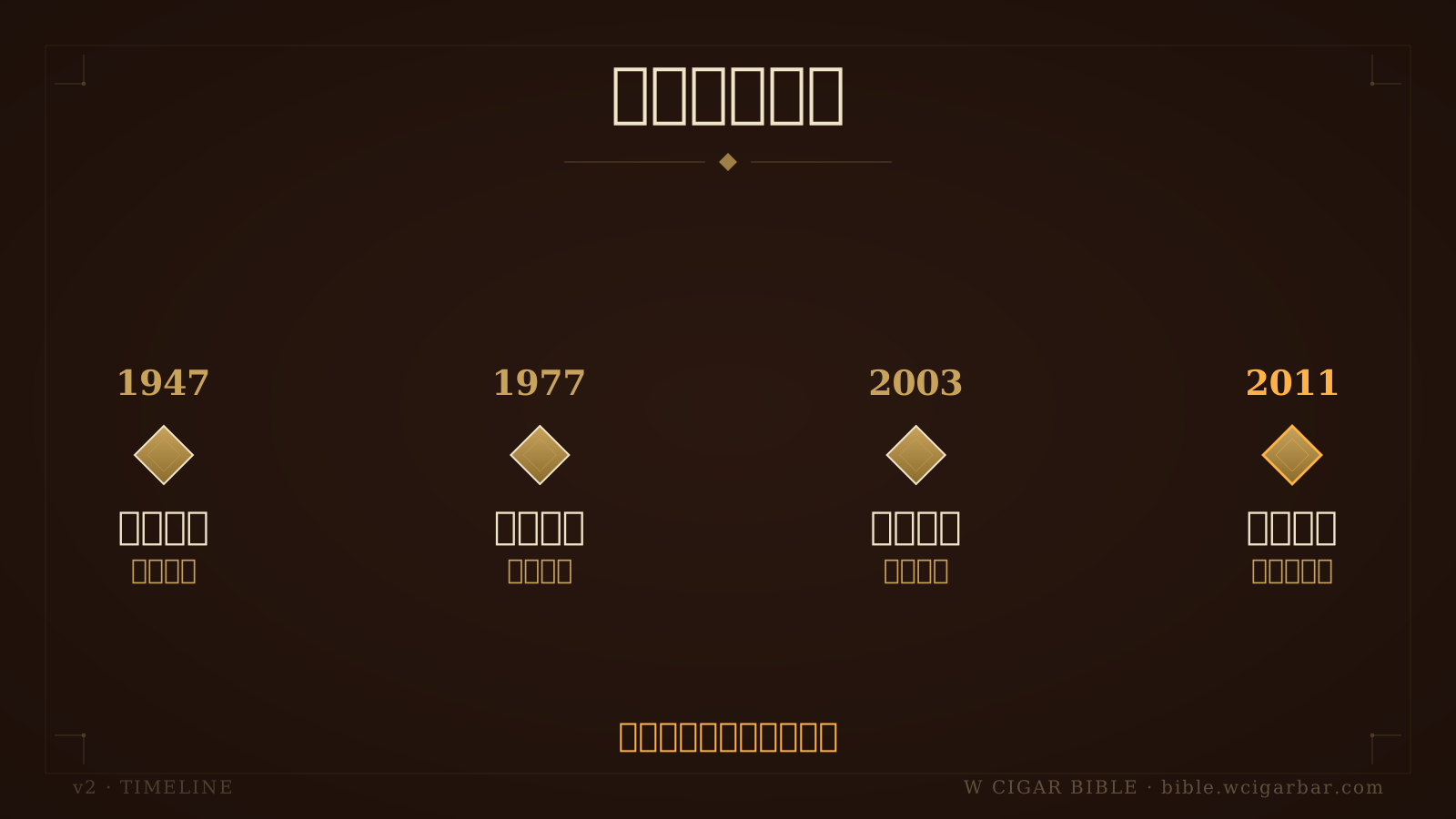
以時間線呈現一九四七出生到二零一一卸任四個關鍵年代節點的人物故事發展圖
Origins: Pumping Iron and the Viennese Boy's First Cigar
Arnold Alois Schwarzenegger was born on July 30, 1947, in the small town of Thal in Styria, Austria. In Europe of that era, cigars were part of the male rite of passage--the father's study, country taverns, celebratory occasions; cigars were everywhere.
However, what truly bound cigars permanently to Schwarzenegger's image was the 1977 documentary Pumping Iron. In that visual record of his preparation for the 1975 Mr. Olympia competition, the young Arnold openly lights a cigar after winning the title--that shot became one of the most cited images in bodybuilding history: muscle, sweat, and the smoke of victory, a declaration in which all three merged as one.
From that moment on, cigars became an inseparable part of the Schwarzenegger personal myth.
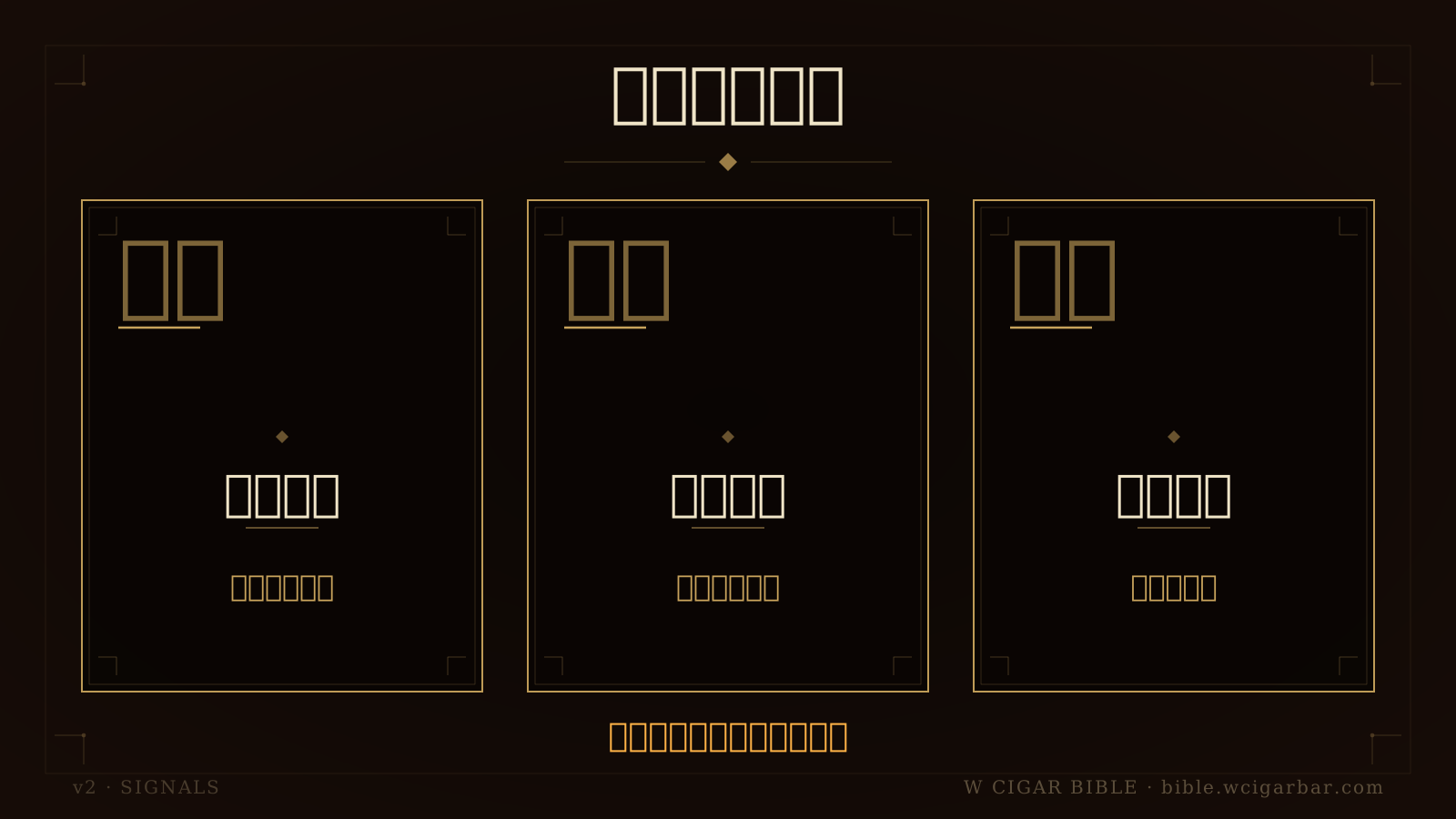
以三張卡片呈現公開宣示、議會庭院煙帳與雪茄成政治符號的人物故事核心結論圖
From Man of Steel to Gentleman of Smoke: Hollywood's Cigar Culture
After entering Hollywood, Schwarzenegger's cigar habit grew along with his fame. On the sets of The Terminator (1984), Predator (1987), True Lies (1994), and other films, his cigar was almost never out of his hand.
His preference for Cuban cigars was no secret in the industry. According to interview records from Cigar Aficionado, Schwarzenegger was especially fond of the following Cuban brands:
- Punch Punch (Cuba, 48 ring gauge, Toro size): his widely acknowledged everyday first choice; its medium-full flavor made it the perfect choice for the first cigar at midday
- Cohiba Cuban series: a choice during filming or on special occasions; he had a habit of having Cuban cigars air-shipped from overseas
- Hoyo de Monterrey Double Coronas: comedian Milton Berle gave him an entire box for Arnold's 40th birthday in 1987, and from then on this brand held a special place in his humidor
- Romeo y Julieta: an occasional alternative option
His daily routine was: 2 cigars a day, usually lighting the first after lunch and the second in the evening. If he was filming on set, that number could increase significantly.
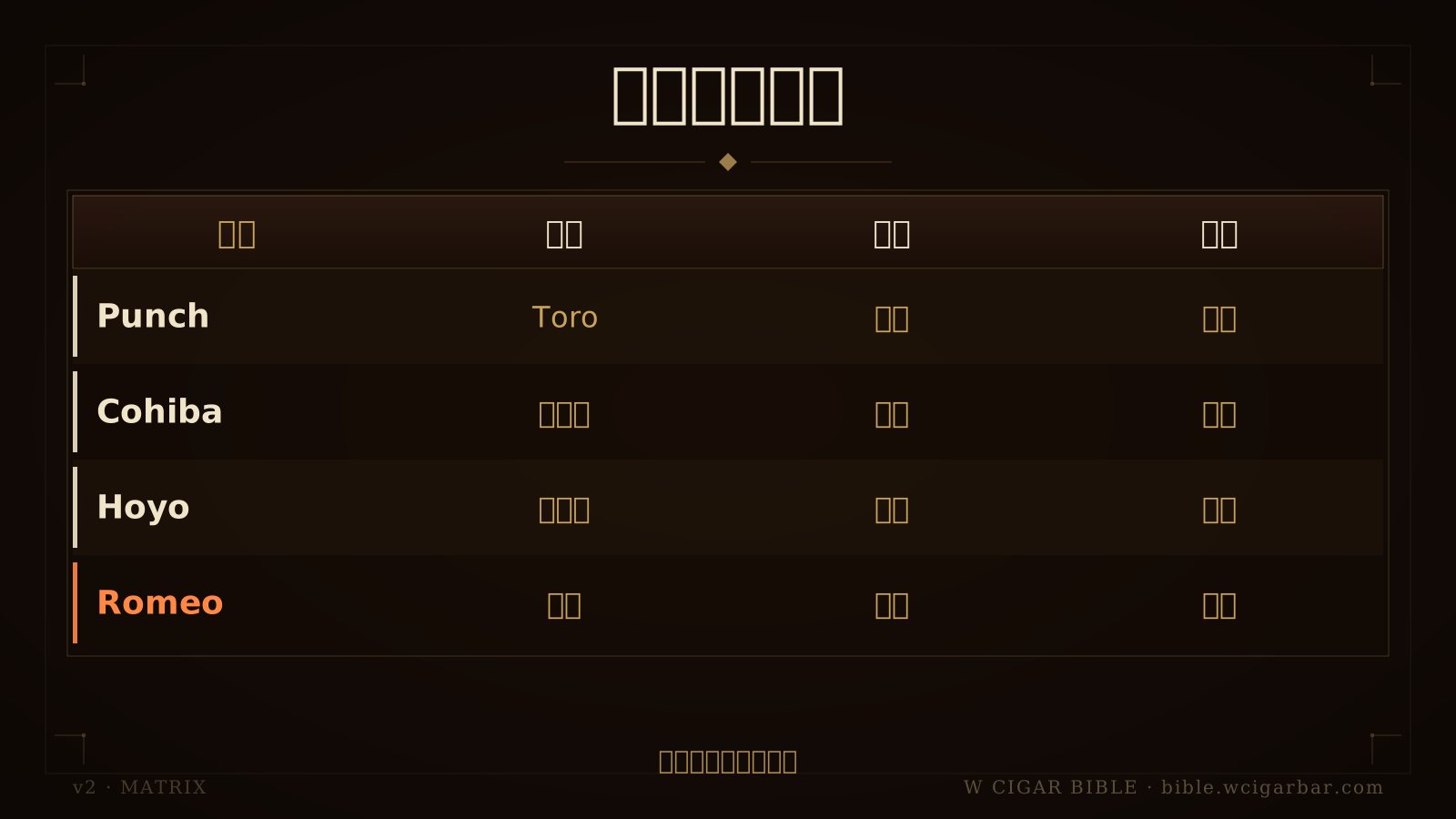
比較阿諾偏好的四個古巴品牌在規格定位與出現場合差異的資訊表
The Most Famous Cigar Story: Sacramento's "Smoking Tent"
On October 7, 2003, Arnold Schwarzenegger won the California recall election, succeeding Gray Davis as the new Governor of California. That historic victory was dramatic enough in itself--but what truly set the American media buzzing was the tent outside the Governor's Office in Sacramento after he took office.
The California State Capitol is a completely smoke-free venue. Faced with this rule, most people would either comply or protest. Schwarzenegger chose a third path: he set up a tent in the courtyard of the Capitol and continued to work and smoke cigars inside it.
This "Smoking Tent" was quite fully equipped:
- humidor: storing his personal Cuban collection
- peanut bowl: Arnold's famous snacking habit
- unlabeled mineral water
- office space large enough to hold meetings with staff
Kevin Starr, California State Librarian Emeritus, told the Los Angeles Times: "Never in California history has any governor handled such important affairs of state in a tent."
This tent remained throughout his entire term (2003-2011). After he left office in 2011, it was dismantled, becoming one of the most distinctive personal legends in California political history.
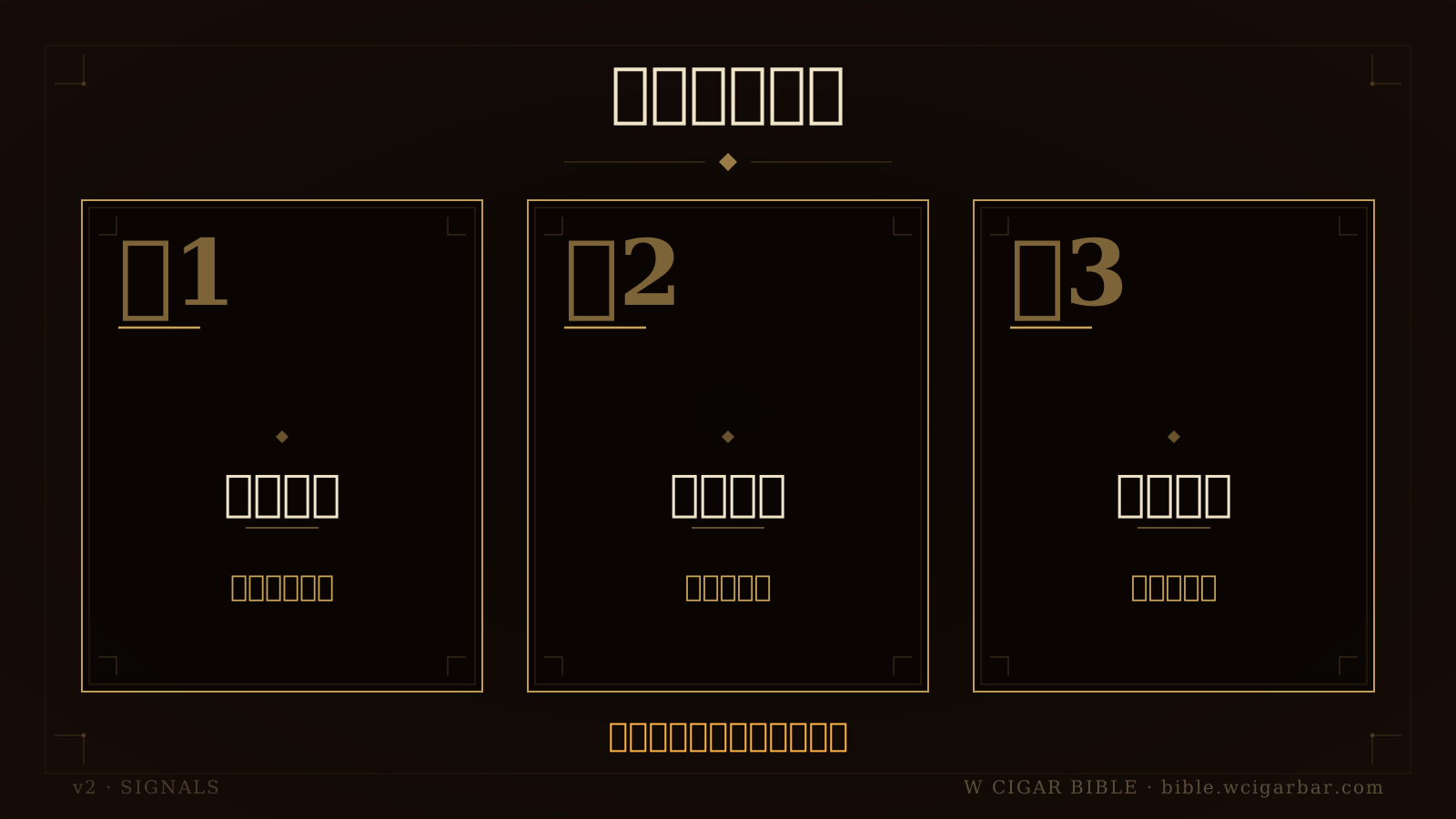
整理阿諾雪茄故事三個常見誤解與對應正確觀念的提醒圖
Cigars as a Political Tool: The Diplomatic Art of "Offering" and "Refusing"
Schwarzenegger's cigars were not merely a personal pleasure--he developed them into a subtle political language.
According to the recollections of several former California legislators, one of the atmospheric signals in informal meetings with the Governor was whether he offered the other person a cigar--not whether he shook hands or smiled. Accepting his cigar invitation meant the conversation was on a warm track; being refused or not being invited into the tent usually meant the atmosphere of that meeting was not optimistic.
This kind of "Cigar Diplomacy" was not Arnold's invention--Churchill and Kennedy both have similar legends--but Schwarzenegger's version was especially media-oriented and visual. In a political environment where every camera might capture an image, his cigar imagery was greatly amplified, becoming a silent form of political semiotics.
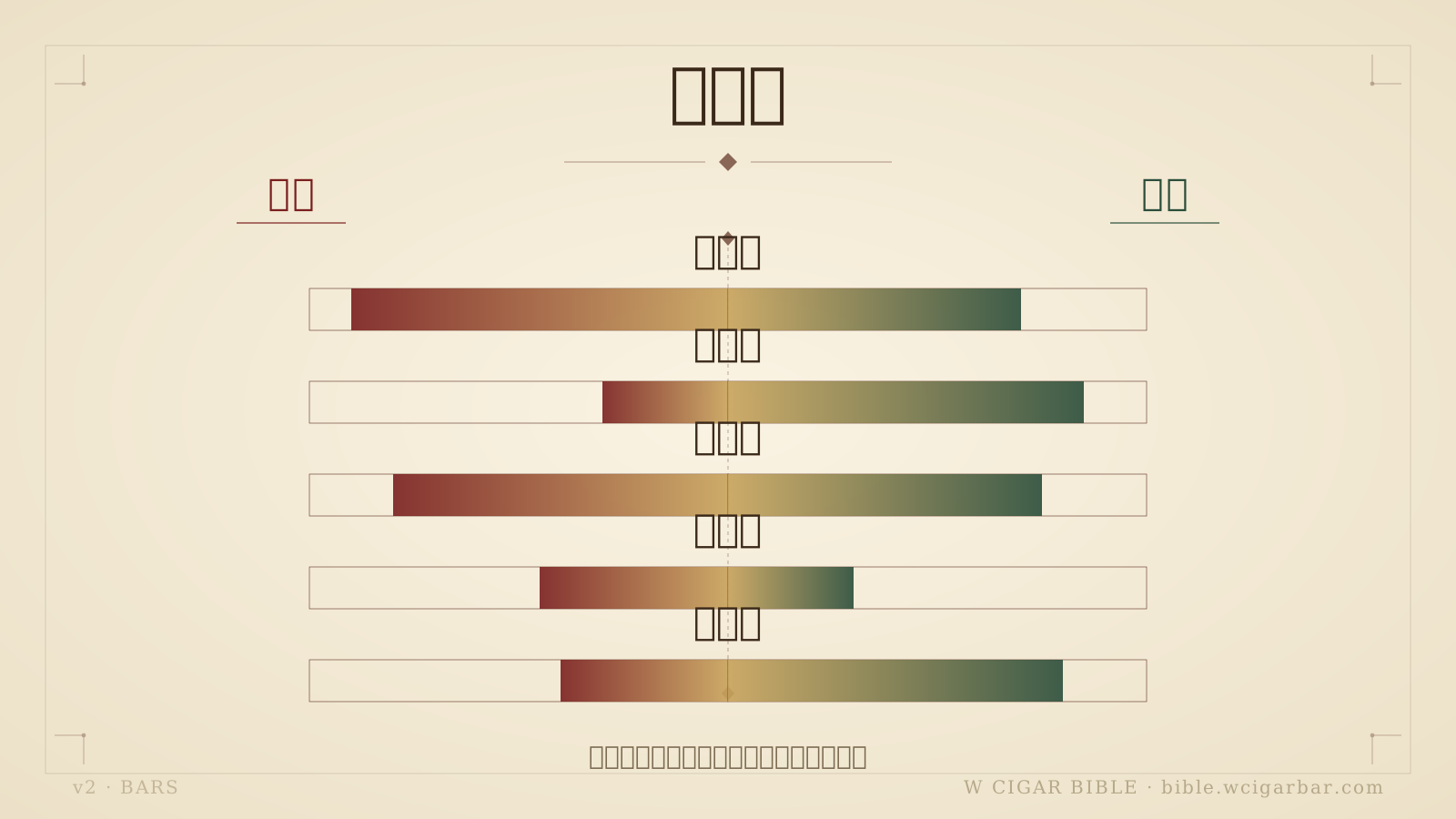
長條圖對比銀幕形象與州府煙帳的不同取向
Cigars and the Philosophy of Personal Freedom
From 2003 to 2011, during Arnold's tenure as Governor of California, smoke-free regulations in public places across the United States were rapidly expanding. California was one of the strictest pioneering smoke-free states in the country.
Against this background, Schwarzenegger's smoking tent carried a clear philosophical statement. He was not smoking illegally, nor was he showing contempt for the law--he was using an outdoor space permitted by the rules, in the most public way, to declare the legitimacy of personal choice.
In multiple interviews, he expressed similar positions: he loved cigars; that was his choice; he smoked where the law allowed; and he did not need to apologize for it.
Within the framework of gentlemanly culture, this attitude was a rather elegant way of handling the matter--neither compromising personal taste nor confronting existing norms, but finding one's own space in the gaps within those norms. This is precisely a life philosophy worth learning from for Eastern gentlemen's club culture as it faces the contemporary smoke-free environment.
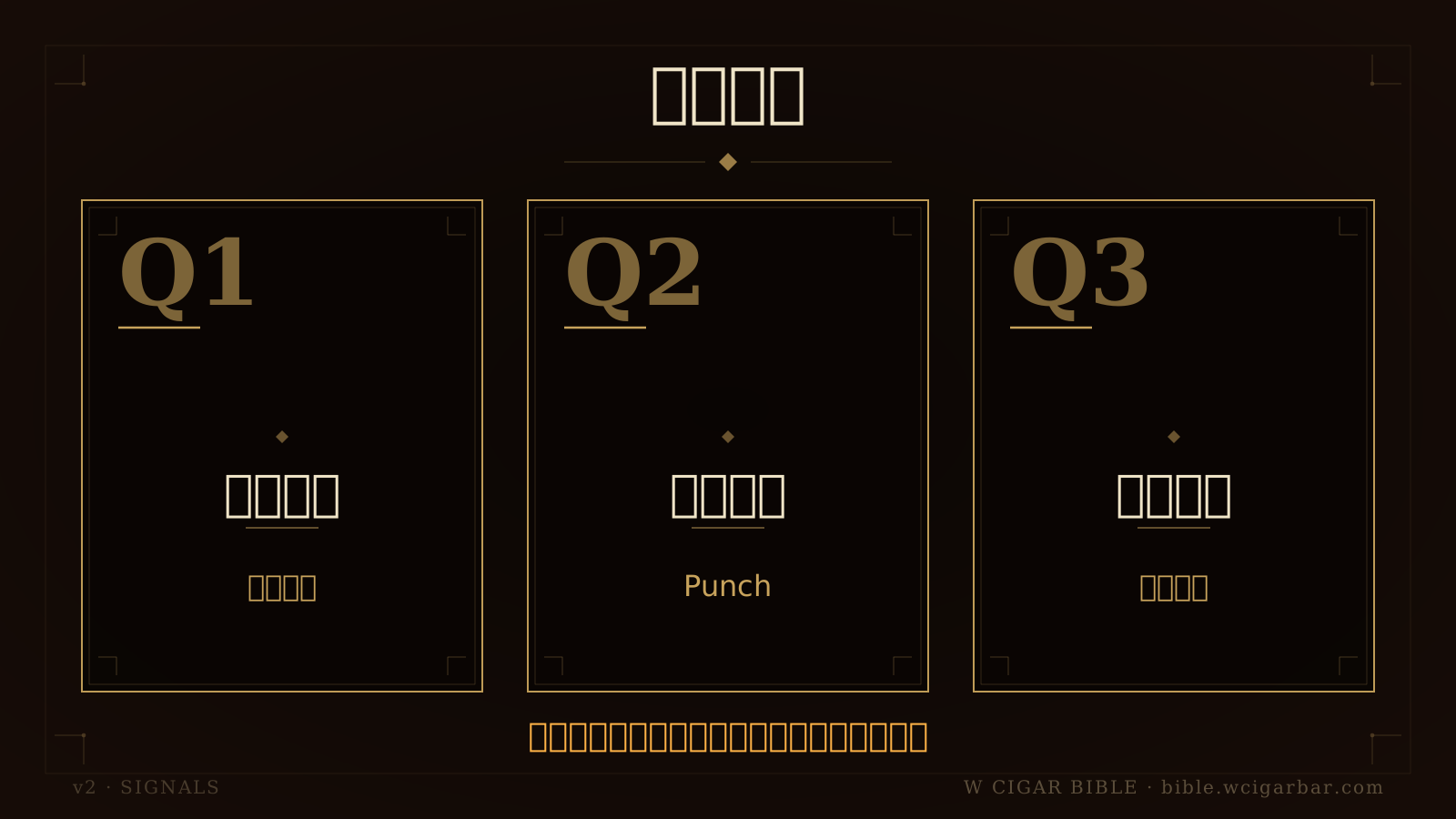
三張問答卡回答煙帳位置首選雪茄與日常頻率
The 2026 Perspective: A Contrast of Eras
At a time when Taiwan's Tobacco Hazards Prevention Act was amended in 2023 (electronic cigarettes fully prohibited, heated tobacco products requiring health risk assessment), and smoke-free regulations in public places are becoming increasingly strict in many countries, looking back at Schwarzenegger's most public defense of his personal cigar space from 2003 to 2011 creates a particularly clear contrast of eras.
The legacy he left to cigar culture is not only those widely circulated images, but also a demonstration of attitude: how, within a gradually tightening public space, to uphold the dignity of personal choice in a gentlemanly way.
For members of W Cigar Bar, appreciating cigars in a legal and compliant membership-based space is both an inheritance of this spirit and the most dignified response to contemporary regulations.
Conclusion
The story of Arnold Schwarzenegger and cigars is a vivid cultural slice from the second half of the 20th century to the early 21st century--about how an immigrant boy used physique, cinema, politics, and cigars he never gave up to write his own version of the American Dream.
From the Viennese boy's first cigar, to the smoking tent in Sacramento, and then to his continued appearances in public after leaving office with a cigar in hand--Arnold never allowed any external pressure to change his relationship with cigars.
That consistency, in a certain sense, is one of the rarest qualities in gentlemanly culture.
--
Source of stock: Cuban cigars through four major official channels (PCC authorized dealers, official Cuban state-owned stores, Swiss general agent, Spanish general agent).
LUBINSKI accessories official website: https://cigarclub.tw/
Appreciation appointment: https://share.google/d9NIeFEetij9qWKj0
This site is for adults aged 20 and above only. Smoking is harmful to health. Smoking cessation hotline: 0800-636363.
W Cigar Bar Gentlemen's Cigar Lounge, written and planned by Cigar Prince Wilson Tsai.
Like this article?Share with friends
Share this W Cigar Bible piece with friends who want to learn cigar culture, storage, and tasting.
想把這篇 化為實踐
雪茄聖經是知識;雪茄文化要在空間裡發生
W Cigar Bar 大安總店資訊
台北大安區 · 雪茄聖經總編輯 Wilson Tsai 主理的雪茄文化空間
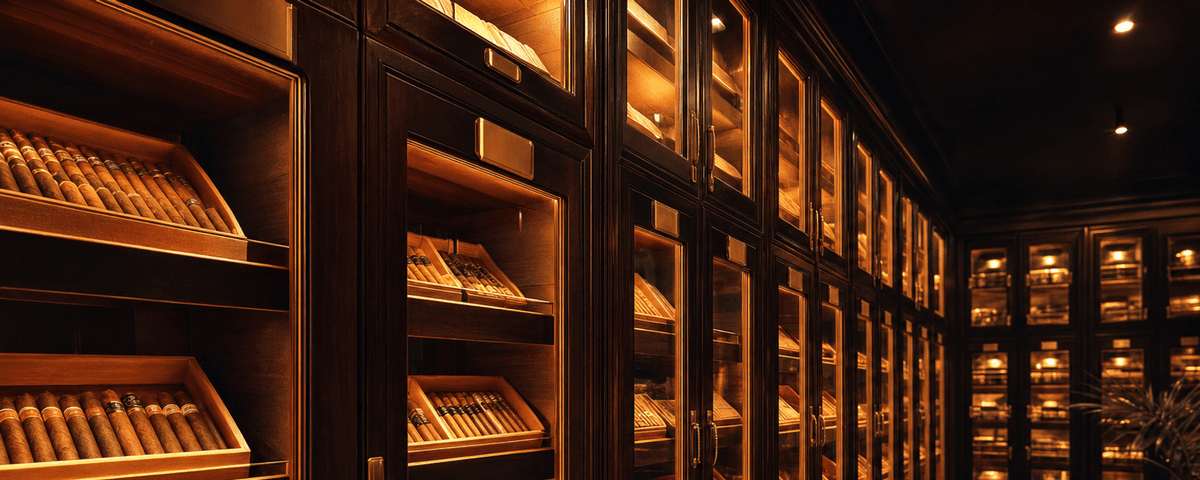
33 座 24 小時恆溫恆濕醇化室
W Cigar Bar 提供的會員醇化空間 · 場地資訊請洽編輯部
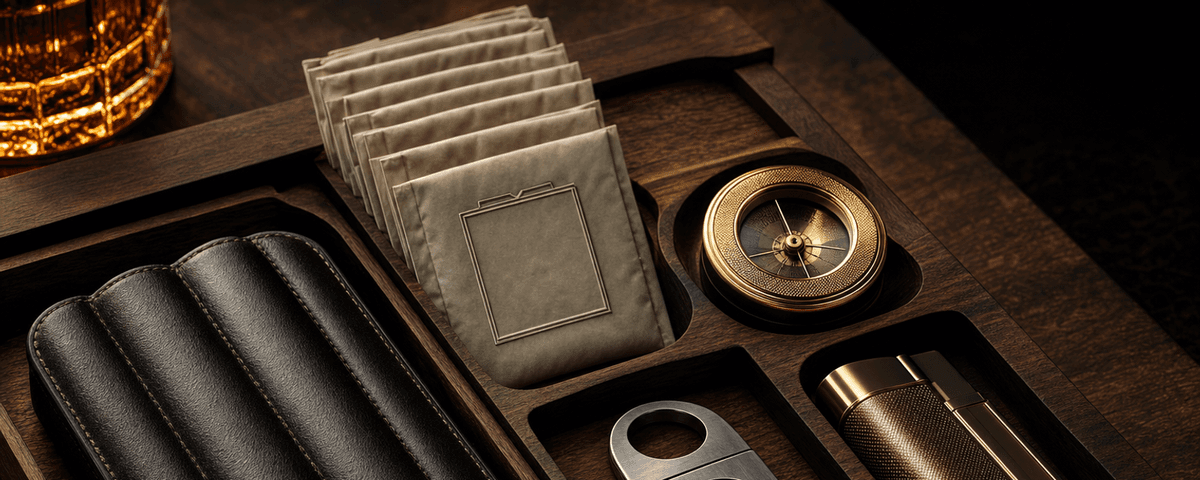
雪茄剪 / 打火機 / 雪茄盒 / Boveda
W Cigar 配件官網 · 專營雪茄配件正品
加 LINE 好友 · 文化諮詢
文化空間資訊 · 紳士沙龍 · 私人包場
本網站內容僅供雪茄文化、歷史、收藏與品吸知識研究參考。菸品有害健康、未滿法定年齡者請勿吸菸。實際規範請依所在地法律為準。
吸菸有害健康・戒菸專線 0800-636363・本站僅供 20 歲以上成年人閱覽。
影片來源:Habanos S.A. 官方 YouTube 頻道 · 教育性內容引用 · AI 智能配對
讀到這裡,你不只是路過的人
留下 Email,加入 W 雪茄聖經內圈——總編輯 Wilson Tsai 親選的學院深文與國際新訊,先你一步送到信箱。
· 教育用途非銷售 · 隨時一鍵退訂 · Email 絕不對外公開 · 由勝茄股份有限公司營運
同分類延伸閱讀



資料來源:W Cigar Bible 編輯部整理 · 雪茄王子 Wilson Tsai 親自審稿
本文僅供雪茄文化、歷史、收藏與品鑑知識研究,不作為菸品促銷、銷售或購買建議。吸菸有害健康,未滿二十歲不得吸菸。