從土壤到煙葉:雪茄的環境影響因素
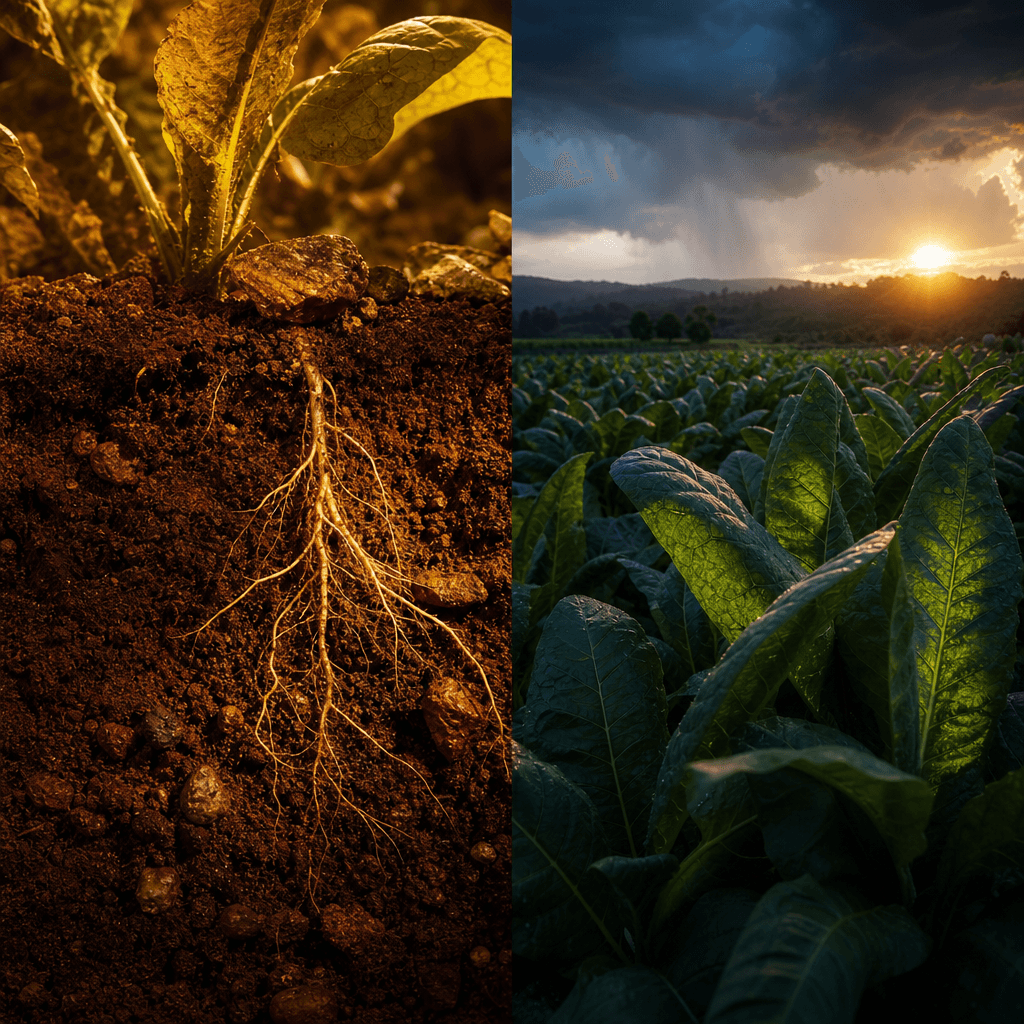
雪茄的風味源自於其生長環境,包括土壤和氣候。不同產區如古巴、尼加拉瓜、多明尼加和宏都拉斯,各自擁有獨特的土壤結構與氣候條件,影響煙葉的風味特徵。古巴的Vuelta Abajo以雪松和皮革香氣著稱,而尼加拉瓜的Estelí則常帶有可可和黑胡椒的風味。氣候因素如日照、雨量和溫差,對葉片的成熟和油脂積累至關重要。此外,煙葉的不同部位也影響最終的風味,調配師需巧妙組合,以達到穩定的口感。了解這些因素,有助
- 雪茄的風味源於土壤與氣候,入門者需理解這些環境因素以判斷雪茄個性。
- 不同產區的土壤與氣候影響雪茄風味,古巴、尼加拉瓜、多明尼加各具特色。
- 雪茄的強度與葉片部位比例有關,調配師需平衡不同部位的特性以達到穩定風味。
From Soil to Tobacco Leaf: Environmental Influences on Cigars
The flavor of a cigar doesn't begin at the moment of ignition; it is inscribed in the fibers long before, when the seed falls into the soil, the roots absorb minerals, and the leaves endure sunlight and night dew. Beginners often ask me: Why do some Cuban cigars taste like leather and coffee, while others have floral and honey notes? The answer often lies in the environment.
As the editor of the "Cigar Bible," I don't just look at the brand and size of a cigar; I also consider the field it comes from, the harvest year, and how it was fermented and aged. Understanding soil and climate helps you better judge a cigar's character and articulate the "why" in everyday evaluations.
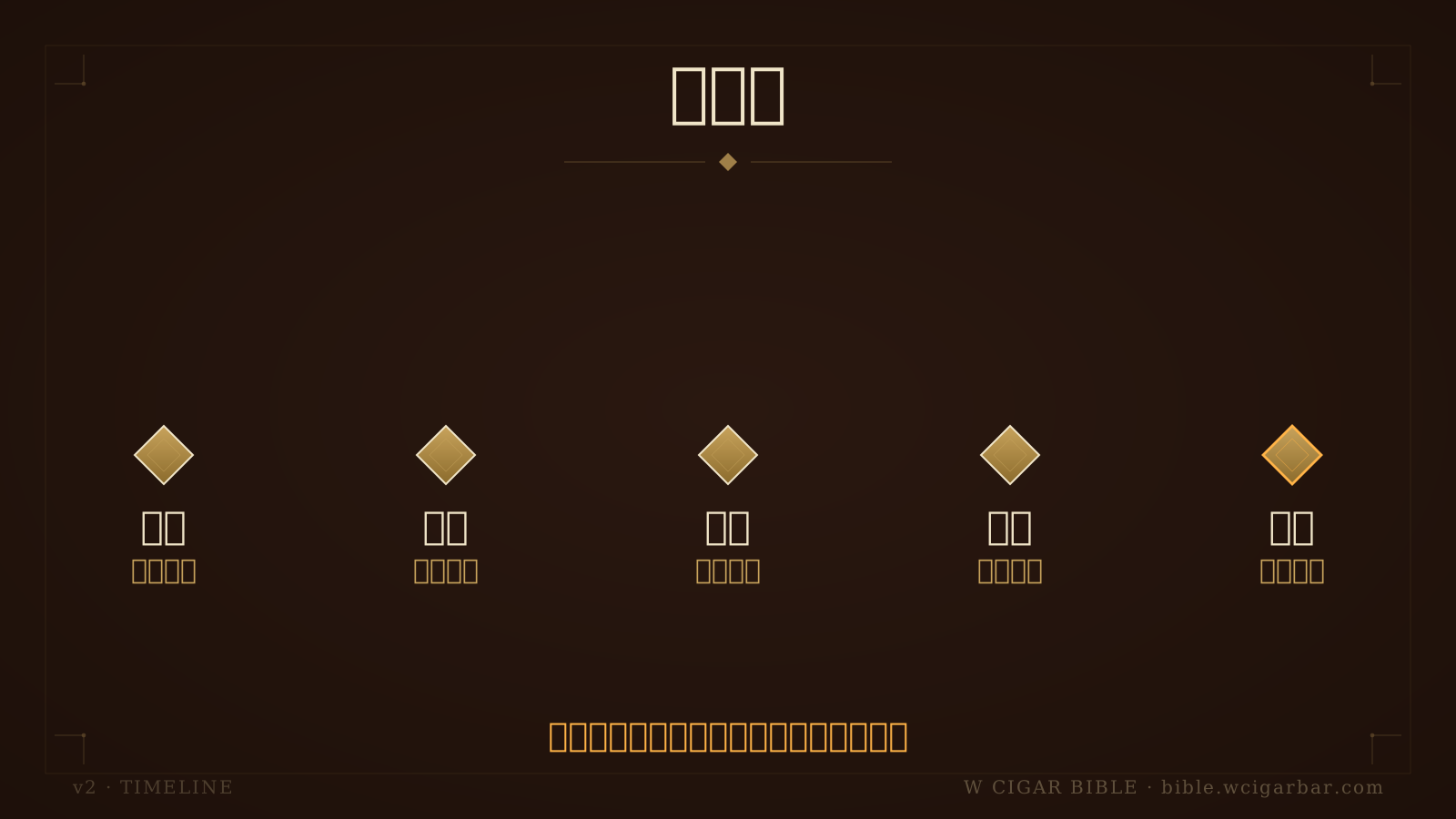
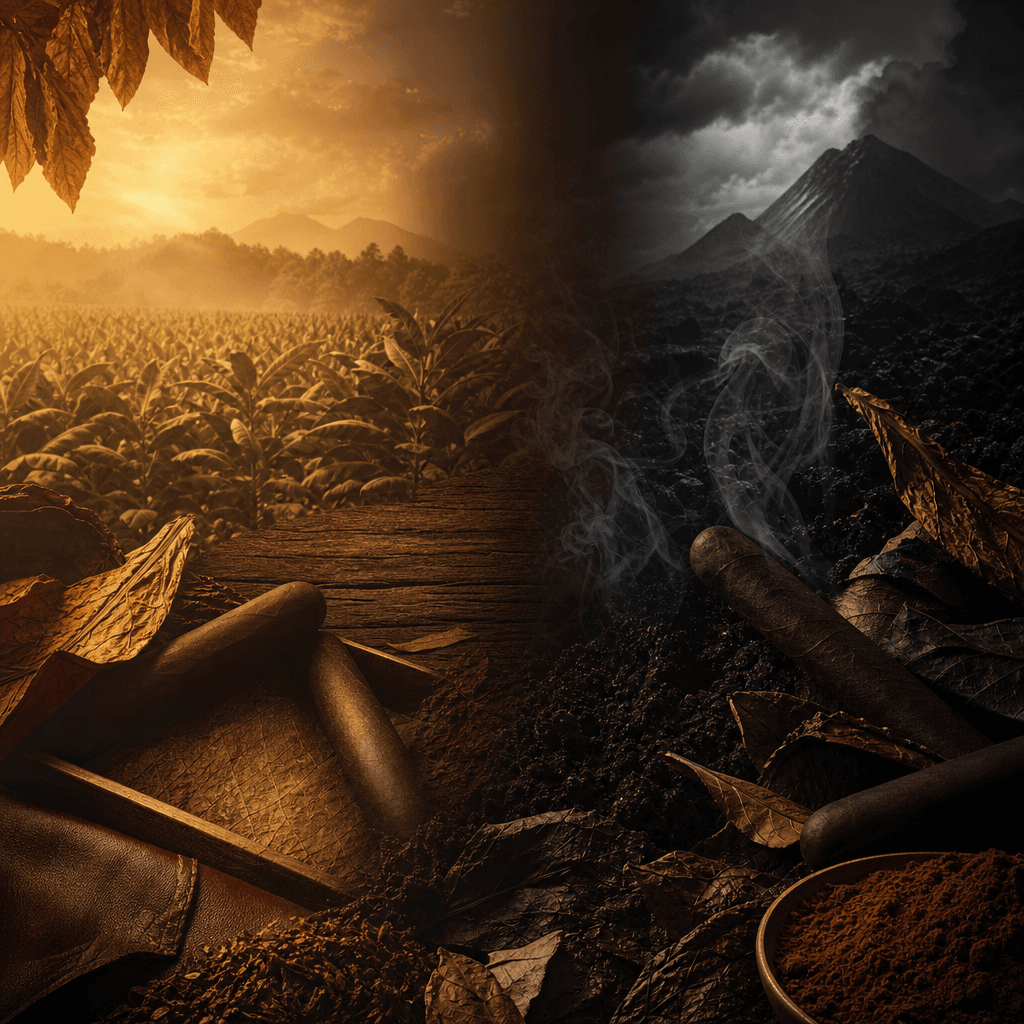
時間軸呈現煙葉從落種到醇化的風味生成流程
Soil is Not the Background, But the Starting Point of Flavor
When discussing cigar regions, the first thing to look at is not the factory, but the field. Cuban Vuelta Abajo, Nicaraguan Estelí, Honduran Jamastrán, and Dominican Cibao are not established solely by reputation but by long-term soil structure, drainage capacity, and trace elements that shape a stable character. Take Pinar del Río in Cuba as an example: the reddish-brown soil contains clay, sand, and organic matter, which retains water without waterlogging, allowing tobacco roots to extend downward for more complete mineral absorption.
Soil determines the "skeleton," while climate determines the "expression." Differences in the same brand across different years are often not due to a sudden change in formula but due to changes in rainfall, temperature differences, and harvest timing, which affect leaf thickness, oils, and sugars. For example, the classic Robusto Partagás Serie D No.4 is known for its robust woody, earthy, and peppery notes, but in wetter years, the initial stage may be rounder, and the burning speed might be slightly slower.
Beginners can think of soil as the terroir in wine. Volcanic soil often evokes dark minerals and cocoa, while sandy soil drains quickly, allowing plants to accumulate aroma under moderate stress. This is why Padrón 1964 Anniversary in Nicaraguan tobacco often presents rich coffee, dark chocolate, and nutty notes, while the Davidoff Dominican line is often described as clean, creamy, cedar, and gentle spices.
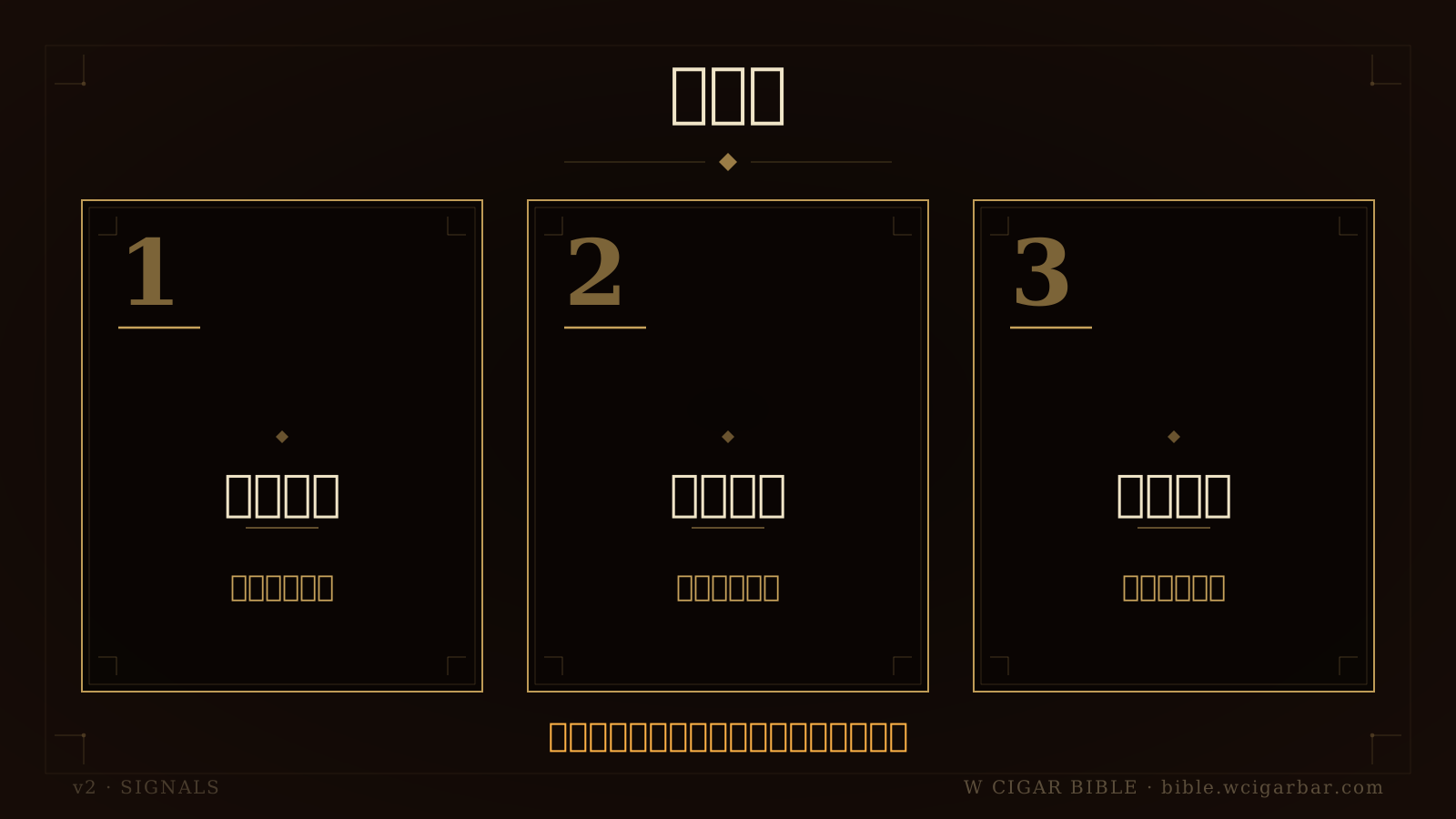
三張重點卡說明土壤氣候年份如何影響風味
Three Climate Factors: Sunlight, Rainfall, and Temperature Difference
Tobacco is a very sensitive crop. Too little sunlight results in insufficient leaf maturity; too much sunlight can thicken the leaves and intensify spicy notes; excessive rainfall can cause root oxygen deficiency and increase disease; insufficient rainfall can prematurely stress the plant. The traditional Cuban growing season is mostly from October to March, avoiding the hottest and hurricane peaks, aiming for leaf maturity in a relatively stable cool and dry season.
A good year is not simply "good weather," but a balance of sunlight, rain, and nighttime cooling. For instance, in 2015, Cuba experienced drier conditions, requiring more meticulous irrigation management in some fields; in 2017, Hurricane Irma affected the Caribbean region, and although the core production areas were resilient, farmhouses, drying barns, and inventory management faced pressure. For consumers, vintage differences may not be directly visible on the box label but can be clues in the stability of burning and concentration of aroma.
Nicaragua's Estelí is hot during the day and cooler at night, with temperature differences allowing leaves to accumulate sugars and oils, often bringing rich cocoa, coffee, black pepper, and leather notes. In contrast, the Dominican Cibao Valley has a milder environment, with many brands like Arturo Fuente and Davidoff using local or mixed-source tobacco to showcase more delicate woody, creamy, and vanilla tones. Climate does not exist in isolation; it interacts with soil, seeds, and farming methods.
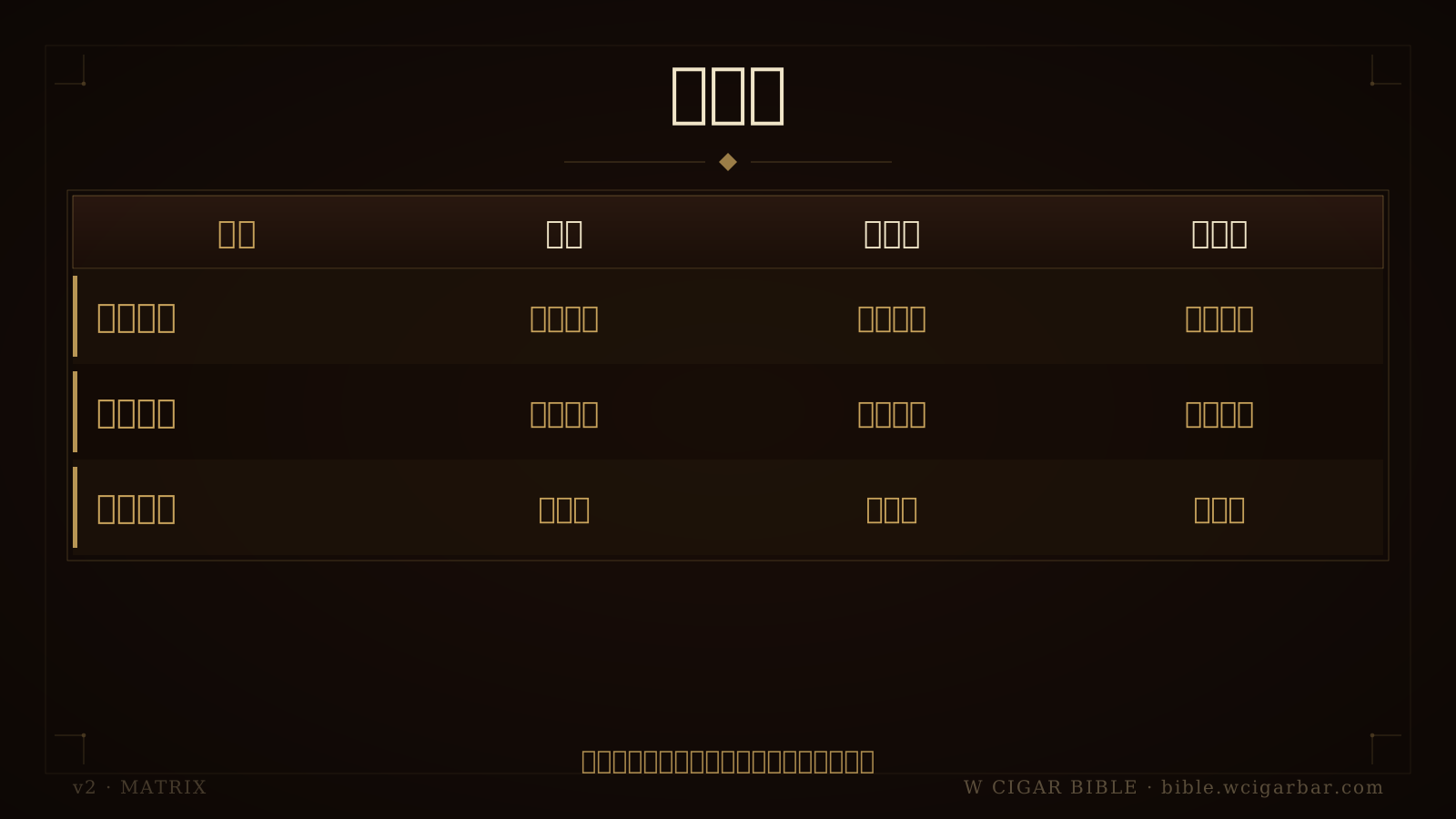
比較表列出古巴尼加拉與多明尼的環境風味差異
Flavor Map of Different Regions
To establish a beginner's concept of regions, I would first compare Cuba, Nicaragua, the Dominican Republic, and Honduras on the same flavor map. Cuban Vuelta Abajo is often regarded as a reference point for classic cigar flavors, like Cohiba Siglo VI, Montecristo No.2, and H. Upmann Magnum 46, with common features of cedar, soil, honey, leather, and intricate spice interweaving, not just intensity but multiple layers of transitions.
| Region | Common Soil and Climate | Typical Flavor Associations | Brand Examples |
|---|---|---|---|
| Cuban Vuelta Abajo | Reddish-brown soil, cool and dry growing season | Cedar, leather, honey, soil | Cohiba, Montecristo, Partagás |
| Nicaraguan Estelí | Volcanic soil, significant day-night temperature difference | Cocoa, coffee, black pepper, minerals | Padrón, Oliva, My Father |
| Dominican Cibao | Fertile valley, milder climate | Creamy, woody, vanilla, floral | Davidoff, Arturo Fuente |
| Honduran Jamastrán | Valley terrain, good drainage | Nuts, leather, spices, hay | Camacho, Alec Bradley |
The purpose of comparing regions is not to simplify flavors into formulas but to establish a direction for judgment. Even within Nicaraguan tobacco, Estelí, Condega, and Jalapa differ: Estelí is often more robust, Condega has higher balance, and Jalapa may have sweetness and gentle floral notes. Oliva Serie V is often used to understand Nicaragua's rich yet sweet side, as it retains roasted nuts and cocoa smoothness beyond its strength.
After Hurricane Mitch in 1998, many Honduran production areas suffered severe damage to agriculture and infrastructure, but through reconstruction and technological improvements, stable quality was gradually restored. This reminds us that regions are not unchanging labels but are affected by natural disasters, agricultural evolution, and market demand. Those who truly understand regions will not just memorize "which country is strong, which is mild," but will observe the interplay of brand, vintage, size, and storage conditions.
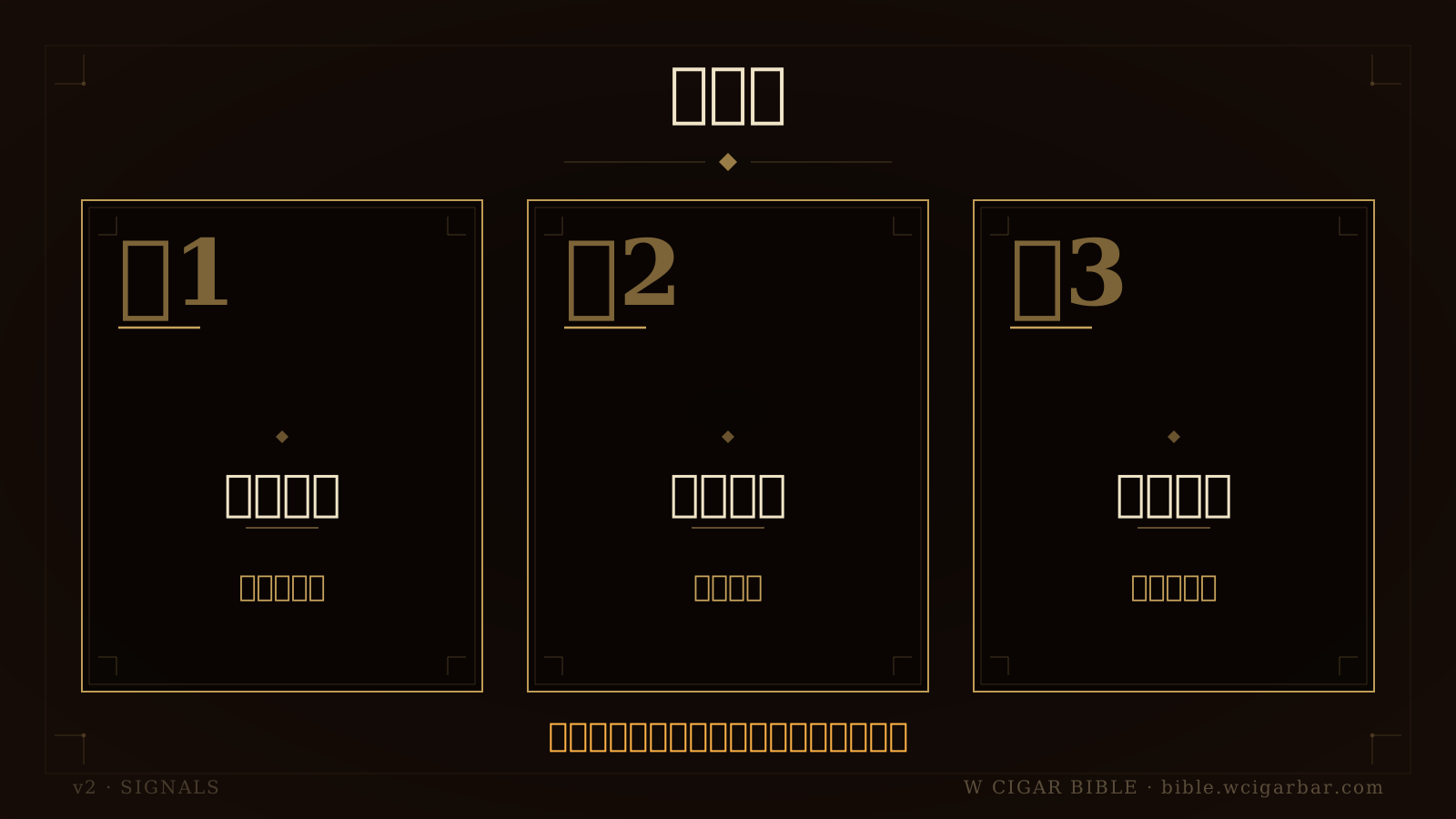
三張誤區卡提醒濕度濃度與年份判斷不可單一化
Tobacco Leaf Parts: Different Characters in the Same Plant
In the same tobacco plant, the leaves from the bottom to the top are not the same. The bottom Volado receives less sunlight, has good combustibility, and is lighter in strength; the middle Seco has delicate aromas, often providing floral, woody, and sweet notes; the upper Ligero receives the most sunlight, with thick leaves, high oils, and stronger nicotine and spicy notes. The blender's job is to combine these parts into a stable and rhythmic flavor.
Cigar strength is not just about the brand but about the ratio and source of Ligero, Seco, and Volado. For example, the robust feel of Bolivar Royal Corona is often related to a high proportion of rich leaves; while Hoyo de Monterrey Epicure No.2 is often considered softer, suitable for observing woody, creamy, and light sweetness. Both are classic Cuban Robustos, about 124 mm in length and 50 ring gauge, but their personalities are very distinct.
When practicing, beginners can use a "three-stage" record: observe the opening aroma in the first stage, balance and sweetness in the middle stage, and whether strength, bitterness, and spiciness rise in the final stage. If a cigar is very aromatic in the first stage but suddenly becomes rough in the middle and final stages, it may be related to leaf maturity, fermentation control, or storage humidity; if it is stable from start to finish, it indicates a certain stability in blending and production. This observation is closer to professional language than simply saying "good smoke."
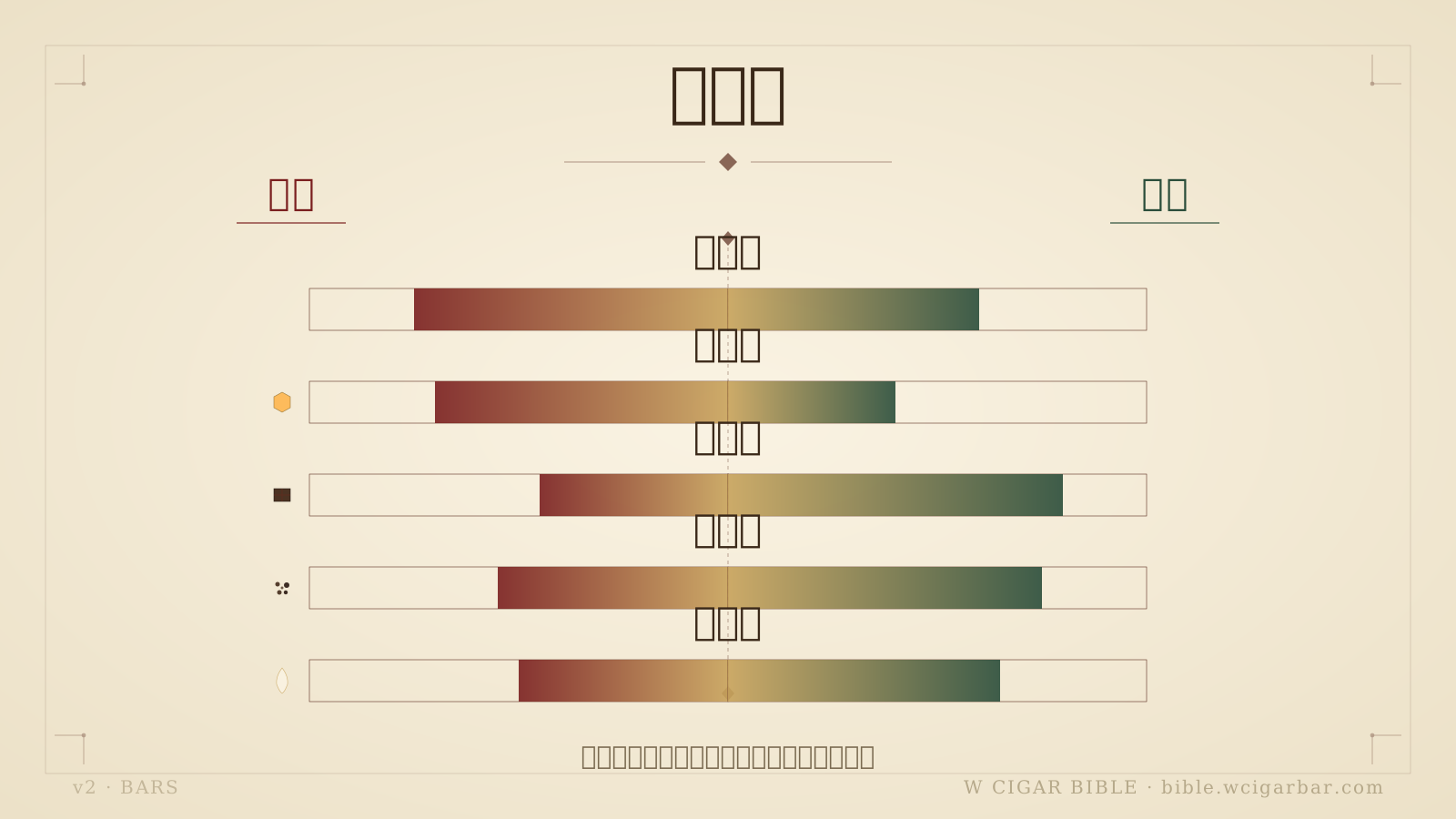
橫向長條比較古巴與非古產區在五種風味軸的強弱
Fermentation, Drying, and Aging: The Second Life of Environmental Influence
After tobacco is harvested, the environmental influence does not end. The temperature, ventilation, and humidity in the drying barn determine whether the leaves can slowly lose water, change color, and stabilize aroma. The traditional Cuban curing barn often uses wooden racks to hang leaves, allowing green leaves to gradually turn yellow-brown and brown over several weeks. If drying is too fast, the leaves may retain a green taste; if humidity is too high, the risk of mold increases, affecting future burning and flavor.
Fermentation is another key. After stacking, tobacco leaves naturally heat up, and workers need to regularly turn the piles to slowly reduce ammonia, irritation, and excess moisture. Many factories in Nicaragua, Honduras, and the Dominican Republic arrange different cycles according to leaf thickness, with some Ligero requiring longer fermentation than Seco due to thicker leaves. Good fermentation does not dilute the flavor but makes the strength clean and the aroma recognizable.
Aging is the time management after the product is finished. For example, the Cohiba Behike BHK series launched in 2006 received high attention due to the Medio Tiempo leaves and rarity, but any collection discussion should be rational: it does not guarantee appreciation and still depends on source preservation and market. For daily appreciators, a reasonable humidity of about 65% to 69% and a temperature of about 18°C to 21°C are usually more important than chasing vintages, as imbalanced storage can cause even the best tobacco leaves to lose their expected performance.
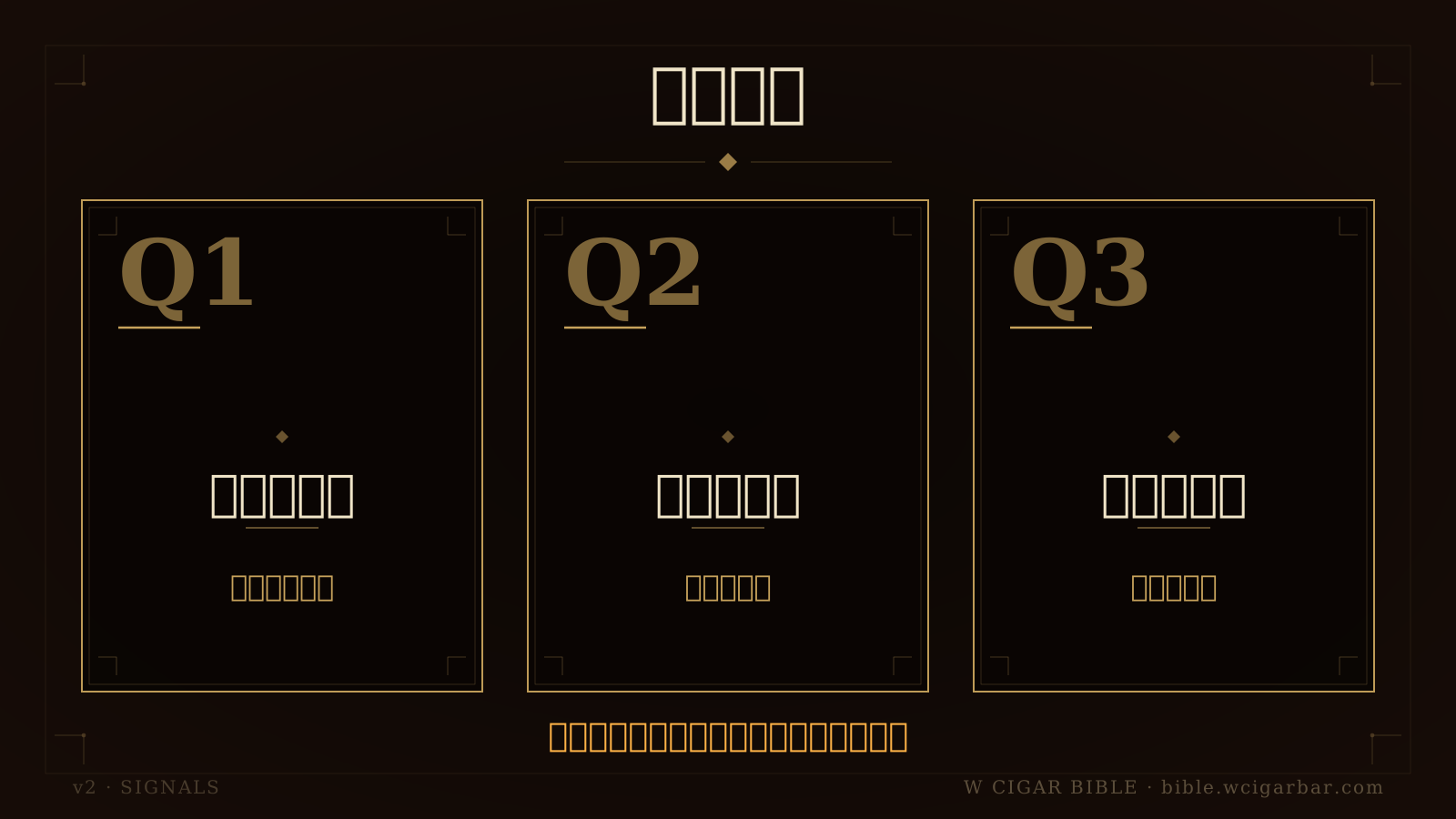
三張問答卡解釋同盒差異土壤感與濕度設定
Beginner Tasting Techniques: Understand the Terroir Without Memorization
To identify differences caused by the environment, the most effective method is to establish a fixed record, not relying on impressions each time. You can choose three cigars of the same size but different regions, such as Montecristo No.4, Oliva Serie G, and Davidoff Grand Cru, and compare them under similar humidity and the same cutting method. The closer the size, the easier it is to control the burning speed and smoke volume, making regional differences clearer.
The most important practice for beginners is not piling up adjectives but maintaining a stable observation process. I suggest recording the following five fields, writing once every 10 minutes for each cigar, three times in total:
- Appearance: wrapper oils, leaf veins, color uniformity
- Cold smell: wood, hay, cocoa, floral or spicy
- First stage: sweetness, acidity, saltiness, and spicy opening
- Middle stage: whether concentration rises, whether nuts or coffee appear
- Final stage: bitterness, heat, balance, and length of aftertaste
In terms of etiquette, environmental observation also includes spatial respect. Cigar aroma is complex, but not everyone likes smoke; being in the right place, paying attention to wind direction and distance, is basic courtesy. During tasting, there is no need for frequent relighting corrections; first, judge whether it is due to excessive humidity, too fast smoking rhythm, or poor cutting. Many people think the cigar is bad, but it is actually the fast pace that raises the burning temperature, making the wood bitter and the pepper sharp, covering the terroir signals with heat.
Common Questions
Why can the taste of each cigar in the same box still differ?
Because cigars are agricultural products made by hand, even within the same batch, there may be slight differences in leaf thickness, rolling density, and humidity. If the differences are small, it is normal; if there is severe burning deviation, blockage, or pungent taste, check storage conditions and source.
Does soil flavor mean earthy taste?
No. The soil feeling in cigars is mostly a dry, low, mineral, and woody sensation, not really like eating dirt. Cuban Partagás and Bolivar are often described as having soil and leather tones, which is flavor language, not a hygiene issue.
Is 70% humidity the standard?
70% is often used as a reference value but may not suit all environments. In tropical cities with higher temperatures, 65% to 68% can better avoid excessive moisture and burning difficulties. Humidity should be considered with temperature, not just focusing on a single number.
Are New World cigars all stronger than Cuban cigars?
Not necessarily. Nicaraguan Estelí does often have a strong style, but the Dominican Republic also has gentle lines, and Cuba also has robust brands. It depends on leaf parts, blending ratios, and size, not a blanket statement by country.
Is older vintage always better?
Not necessarily. Aging can reduce irritation and blend aromas, but only if storage is stable. If too dry for a long time, oils are lost; if too humid, it may become musty or moldy. Vintage is just a clue, not a quality guarantee.
Should beginners remember brands or regions first?
I suggest remembering both, but start with regions to establish a big picture. Brands are like language, regions like accents; once you can distinguish the general differences between Cuba, the Dominican Republic, and Nicaragua, you can better understand the individual styles of Cohiba, Davidoff, and Padrón, and progress faster.
I have always believed that the most fascinating thing about cigars is that they blend land, climate, human hands, and time into a work of art. Understanding soil means not just chasing names; understanding vintage means not being led by stories. May you always think of that field, that rain, and those months of drying and fermentation before lighting up, as this understanding will make the flavor more three-dimensional and naturally mature etiquette and taste. —Cigar Prince Wilson Tsai
Smoking is harmful to health. Smoking is prohibited for those under twenty. Quitline: 0800-636363. This article is for reference only for adults over twenty years old regarding cigar culture, storage, and regulations, not a tobacco advertisement, promotion, or purchase suggestion.
Like this article?Share with friends
Share this W Cigar Bible piece with friends who want to learn cigar culture, storage, and tasting.
想把這篇 化為實踐
雪茄聖經是知識;雪茄文化要在空間裡發生
W Cigar Bar 大安總店資訊
台北大安區 · 雪茄聖經總編輯 Wilson Tsai 主理的雪茄文化空間
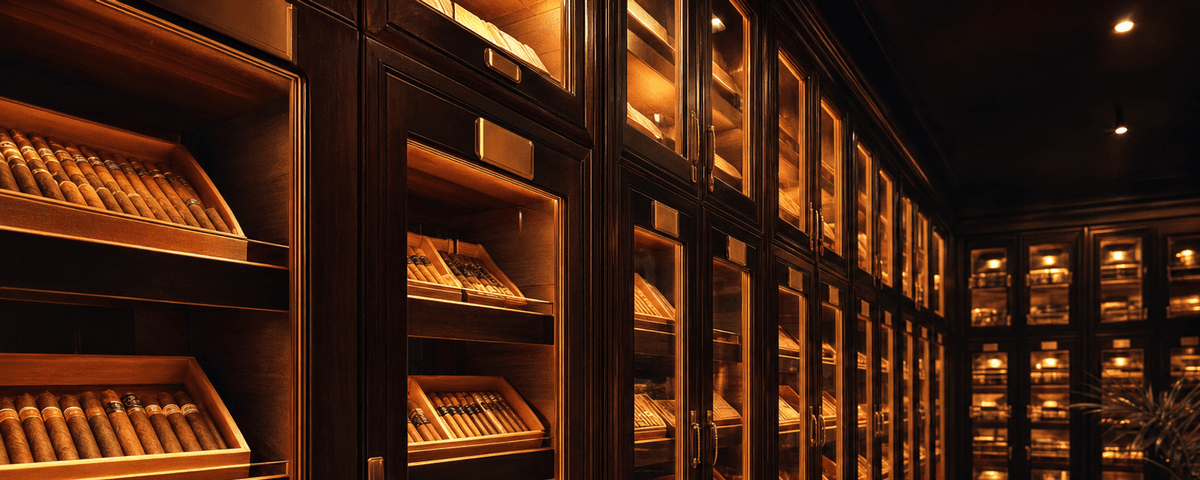
33 座 24 小時恆溫恆濕醇化室
W Cigar Bar 提供的會員醇化空間 · 場地資訊請洽編輯部
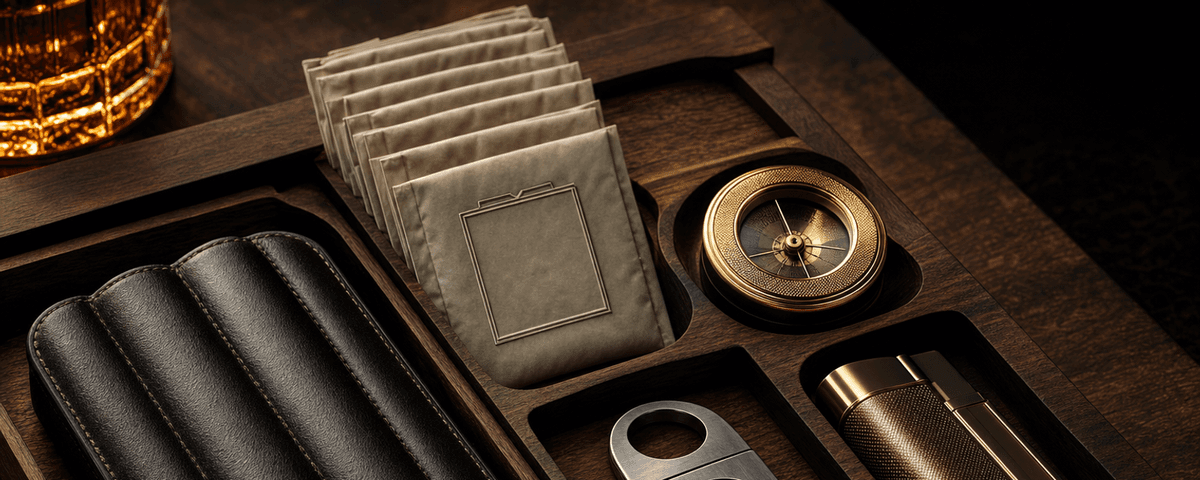
雪茄剪 / 打火機 / 雪茄盒 / Boveda
W Cigar 配件官網 · 專營雪茄配件正品
加 LINE 好友 · 文化諮詢
文化空間資訊 · 紳士沙龍 · 私人包場
本網站內容僅供雪茄文化、歷史、收藏與品吸知識研究參考。菸品有害健康、未滿法定年齡者請勿吸菸。實際規範請依所在地法律為準。
吸菸有害健康・戒菸專線 0800-636363・本站僅供 20 歲以上成年人閱覽。
讀到這裡,你不只是路過的人
留下 Email,加入 W 雪茄聖經內圈——總編輯 Wilson Tsai 親選的學院深文與國際新訊,先你一步送到信箱。
· 教育用途非銷售 · 隨時一鍵退訂 · Email 絕不對外公開 · 由勝茄股份有限公司營運
同分類延伸閱讀
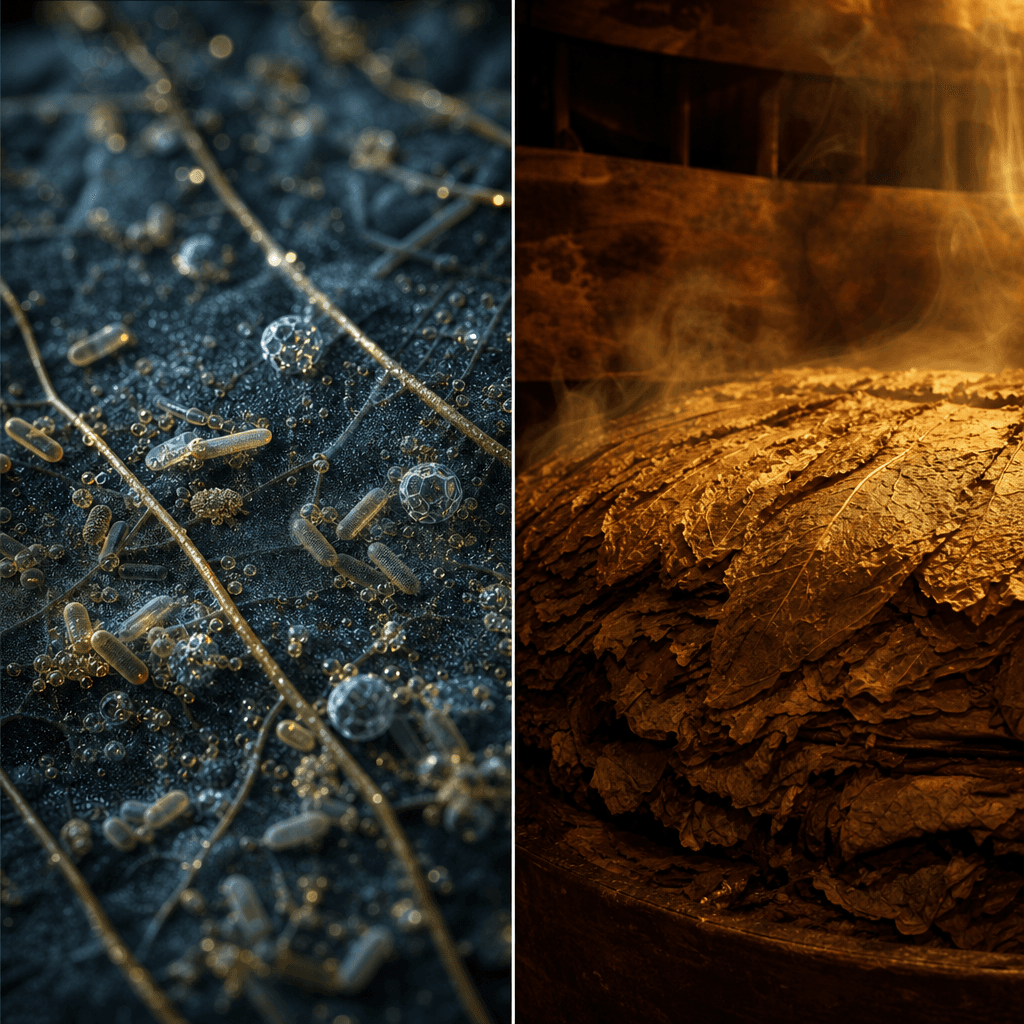
資料來源:W Cigar Bible 編輯部整理 · 雪茄王子 Wilson Tsai 親自審稿
本文僅供雪茄文化、歷史、收藏與品鑑知識研究,不作為菸品促銷、銷售或購買建議。吸菸有害健康,未滿二十歲不得吸菸。