雪茄調香藝術:如何透過香氣提升品味體驗
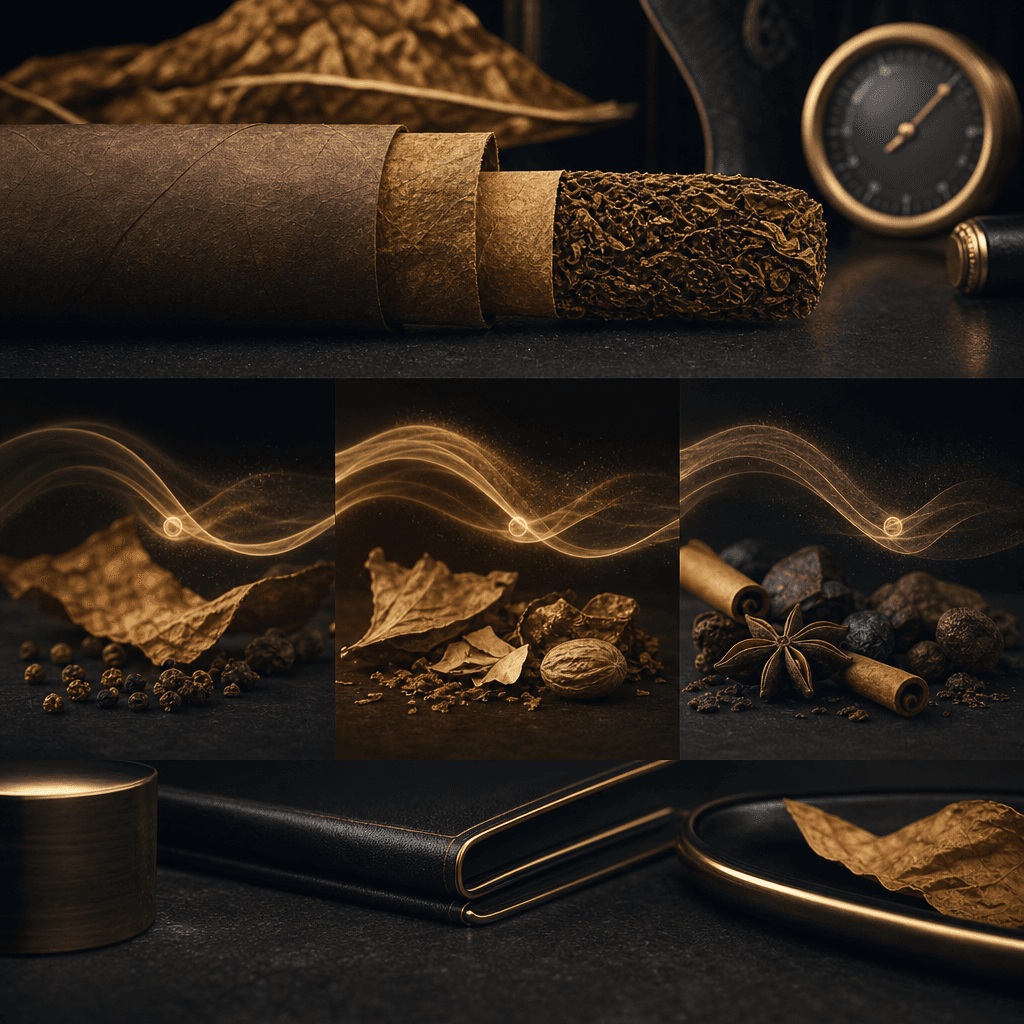
雪茄的香氣體驗如同一場音樂會,前調、中調和尾韻各具特色。前調如Hoyo de Monterrey Epicure No.2的奶油與乾草,吸引著品吸者;中調則展現品牌個性,如Partagás Serie D No.4的皮革與黑咖啡,深具層次感。尾韻的平衡尤為關鍵,影響整體結構。調香的藝術在於煙葉的選擇與比例,讓不同香氣在燃燒中交織,形成和諧的味覺旋律。透過適當的保存與品吸技巧,雪茄能展現出更圓潤的香
- 雪茄香氣的結構類似香水,前調、中調和尾韻各有其獨特角色,影響整體品味體驗。
- 調香技藝在於不同煙葉的比例與搭配,讓香氣在燃燒中層次分明,而非同時釋放。
- 香氣與口感的平衡至關重要,甜、酸、苦、鹹、鮮的協調能提升雪茄的整體表現。
The Art of Cigar Blending: Enhancing the Tasting Experience Through Aroma
The aroma of a cigar is not about piling up flavors, but about allowing the nose, tongue, and throat to converse in the same rhythm. Experienced smokers often have preferred regions and brands, but to elevate further, the key is not just "what flavor you get," but understanding how to design a complete aromatic journey.
As the editor of the "Cigar Bible," I often view cigars as a combustible blending work: the wrapper is like the top note, the binder and filler like the middle and base structure, while time, humidity, and cutting point determine whether the aroma opens up. The "blending" discussed here is not about adding flavors, but understanding how tobacco itself can be combined, transitioned, and amplified.
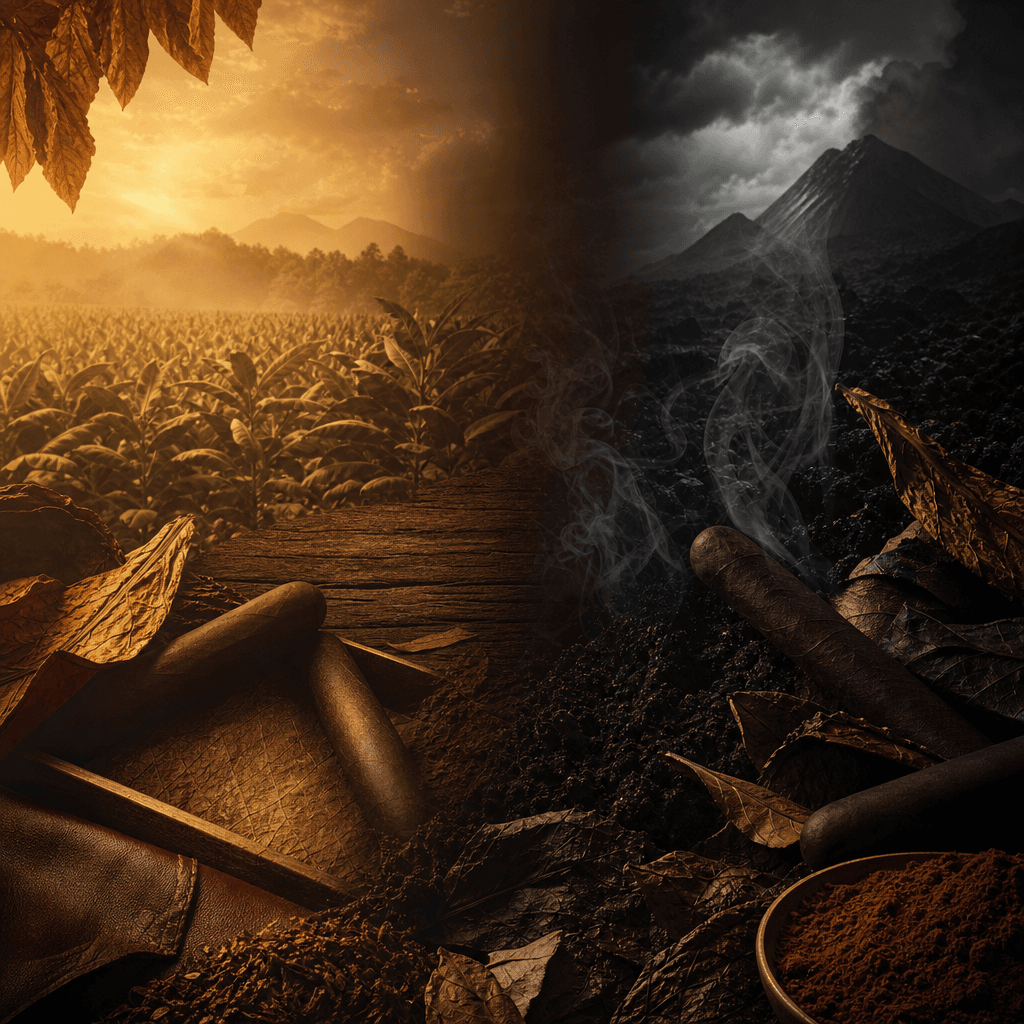
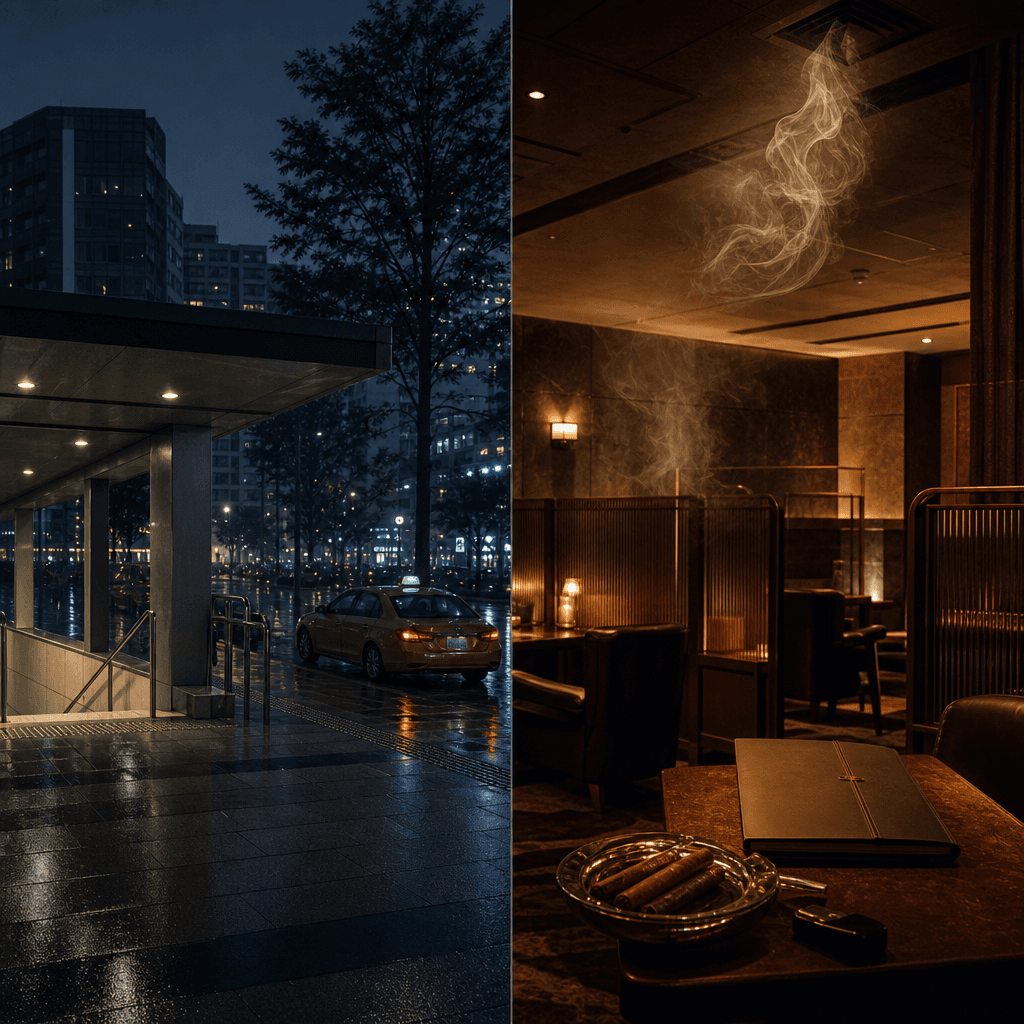
時間軸呈現剪點濕度前段中段到尾韻流程
Understanding Cigar Aroma Through the Three Notes of Perfume: Top, Middle, and Base Notes
Perfume has top, middle, and base notes, and cigars have a similar structure. After lighting, the first third is often the most recognizable aroma, such as the cream, hay, and almond commonly found in Hoyo de Monterrey Epicure No.2; Montecristo No.2 often brings out cocoa, toasted bread, and light pepper at the start. This section should not be rushed, as a high burning temperature can quickly turn the top note into bitterness.
The middle section is the core of the brand's personality. The leather, soil, and black coffee of Partagás Serie D No.4 become clearer after about 25 to 35 minutes of burning; since its debut in 2002, Cohiba Siglo VI has been discussed by veterans for its middle section display of grass, honey, wood, and cream. The top note attracts, the middle note determines depth, and the base note truly tests a cigar's structure.
The base note is about balance, not just strength. Classic sizes like Romeo y Julieta Churchill, if well-preserved, won't have their floral and sweet wood completely overwhelmed by nicotine; conversely, if too dry or smoked too quickly, the base note can end up just spicy and bitter. My approach is to record each cigar in three sections, rather than just writing "good smoke" or "strong." Advanced smokers don't use more adjectives, but can articulate when aromas appear, how they transition, and why they disappear.
三張重點卡說明香氣段落比例與味覺平衡
Blending is Not Adding Flavor: The Art of Wrapper, Binder, and Filler Ratios
When discussing cigar blending, it's important to dispel a misconception: the aroma of premium cigars doesn't come from added flavors, but from tobacco varieties, fermentation, grading, and rolling ratios. The wrapper usually accounts for only about 8% to 12% of a cigar's weight, yet it profoundly influences the first impression. Connecticut Shade often brings cream, nuts, and hay; Cameroon wrappers lean towards cinnamon, cedar, and slight sweetness; Maduro wrappers often remind people of molasses, coffee, and cocoa.
The binder acts as a bridge, determining whether the burn and feel are consistent; the filler is the main body of the aroma. Take Padrón 1964 Anniversary, for example, Nicaraguan tobacco brings concentrated coffee, dark chocolate, and earthiness, but if the ratio is off, it might have strength without layers. Arturo Fuente OpusX, since its launch in 1995, has been valued for its rare combination of Dominican wrapper and filler showcasing spices, leather, sweet wood, and floral notes.
The real art of blending is allowing different tobaccos to relay during burning, rather than shouting simultaneously. Cuban classics like H. Upmann Magnum 46 often win with soft wood, nuts, coffee, and a slight salty taste; it's not the most flamboyant cigar, but it demonstrates how proportions create a harmonious melody. A good cigar's aroma is like a quartet: the wrapper opens, the binder stabilizes the beat, the filler advances the main melody, and the burning speed determines the overall pitch.
矩陣比較茄衣茄套茄芯的角色香氣與失衡感
How Aroma and Taste Amplify Each Other: The Balance of Sweet, Sour, Bitter, Salty, and Umami
Cigar aroma without taste support can easily become hollow descriptions. Sweetness amplifies cream, honey, caramel, and ripe fruit; slight acidity can brighten wood and floral notes; moderate bitterness gives coffee, cocoa, and leather more contour. Looking at Davidoff Nicaragua's style since its launch in 2013, its spicy, nutty, and cocoa notes are intriguing because there is a clear sweet-bitter balance in the mouth.
Saltiness is often overlooked, yet it's an important clue for veterans to judge depth. Many well-preserved Cuban cigars will show a salty umami similar to sea salt, minerals, or roasted nuts in the middle to late stages, which is not a flaw but can make wood and herbal aromas more three-dimensional. When paired with unsweetened sparkling water, the saltiness becomes clearer; when paired with overly sweet wines, it may suppress delicate floral notes.
Bitterness is not entirely bad; the key is whether the bitterness is clean. The bitterness of black coffee, orange peel, and burnt paper are completely different. The first two can extend the base note, while the latter is often related to overheating, unbalanced preservation, or uneven burning. Aroma is the direction, taste is the foundation; without the balance of sweet, sour, bitter, salty, and umami, even the most beautiful aroma descriptions can't stand firm. I suggest veterans separate "smelled aroma" and "tasted flavor" in their notes, as the differences can be very enlightening.
三張錯誤觀念卡指出香多馬杜與烈酒迷思
Aging, Humidity, and Time: Making Aroma Rounder, Not Older
Many veterans store cigars in humidors for years, but time itself is not magic. Based on a temperature of 18 to 21 degrees Celsius and relative humidity of 65% to 69%, most handmade cigars become more stable after a few months; if consistently over 72%, the burn may become dull, and the aroma may seem covered by a wet cloth; if below 62%, the top note tends to be sharp, and the base note bitterness increases. The goal of aging is not to keep a cigar as old as possible, but to reduce irritation, round the edges of aroma, and make the burning rhythm more consistent.
Specific cases are important. Cohiba Behike, launched in 2010, was often discussed for its concentrated aroma and delicate strength in early versions; but if the same box is stored under different conditions, it may present honey, cedar, and cream ten years later, or only dry wood and paper taste. This shows that vintage is not a standalone value, and the source, temperature and humidity records, and box condition are equally crucial. When discussing collection appreciation, it doesn't guarantee appreciation, still depending on source preservation and market.
My approach is to check the box's internal aroma every six months; the normal state should be cedar, sweet tobacco, and a slight fermentation feel; if there is an ammonia smell, mold, or wet paper smell, the environment must be adjusted immediately. Different brands also have different curves: Partagás may become rounder and thicker over time, Hoyo may become smoother, and young Nicaraguan rich cigars often decrease in sharpness within 1 to 3 years. Time is a tool, not a belief.
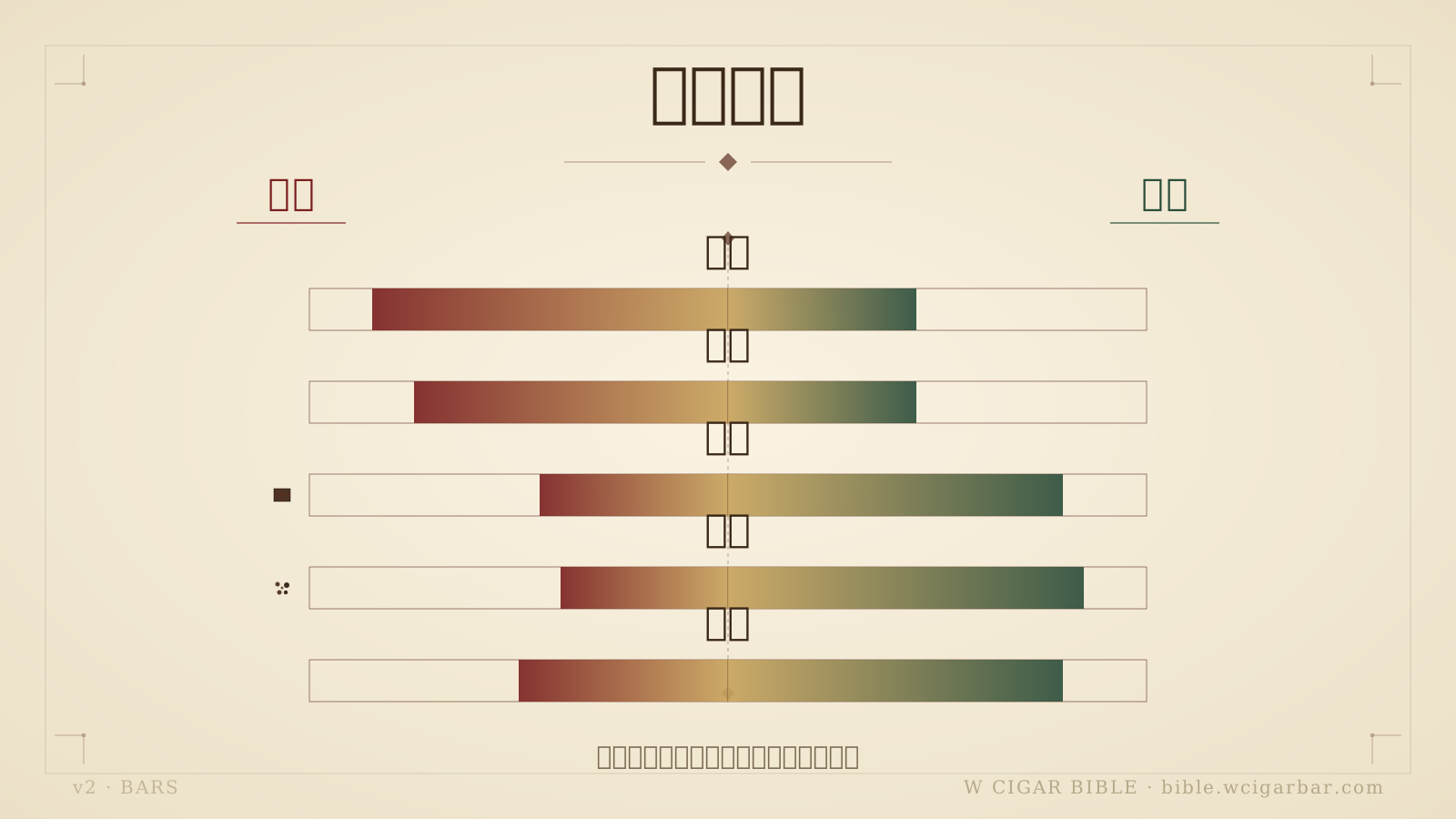
長條圖對比古巴與非古取向的草本礦物可可胡椒濃郁
Choosing the Right Aroma: Judging by Scene, Rhythm, and Sensory Load
Veterans choosing cigars shouldn't just ask "is it strong," but whether the body and scene can accommodate it at the moment. 90 minutes after dinner, a rich Padrón 1926 or Bolivar Belicosos Finos might be just right; at 4 PM, after coffee, the wood, cream, and floral notes of H. Upmann Connoisseur No.1 or Quai d’Orsay No.50 are more easily seen. The right aroma is not the rarest or strongest, but one that matches the time, palate fatigue, drink, and mood.
Below is the aroma selection matrix I often use, not to fixate brands, but to help judge direction. The same brand can vary by vintage, batch, and preservation, so the table serves only as a thinking framework.
| Scene | Suggested Aroma Direction | Representative Style Case | Suitable Pairing |
|---|---|---|---|
| Afternoon Break | Cream, Hay, Nuts | Hoyo Epicure No.2, Davidoff Signature | Unsweetened Tea, Sparkling Water |
| After Dinner | Cocoa, Leather, Coffee | Partagás Serie D No.4, Padrón 1964 | Black Coffee, Aged Rum |
| Late Night Reading | Cedar, Honey, Floral | Cohiba Siglo VI, Romeo y Julieta Churchill | Warm Water, Light Peaty Whiskey |
| After Heavy Meal | Black Pepper, Earth, Roasted Wood | Bolivar, Oliva Serie V | Espresso |
I avoid immediately entering a delicate cigar after spicy hotpot, heavy garlic dishes, or high-sweet desserts, as the palate will be obscured. If you've already eaten heavily, you can reset the mouth with room temperature water and unsweetened crackers for 10 to 15 minutes. This small action may seem ordinary, but it can bring floral, herbal, and mineral notes back to the surface.
快問快答卡整理香氣數量甜感與逆向呼氣建議
Advanced Tasting Techniques: Cold Smell, Slow Draw, Retrohale, and Note System
Advanced techniques start before lighting. Smell the foot, then the wrapper; the foot often reveals the filler’s hay, cocoa, and spice, while the wrapper provides leather, wood, or sweet clues. During a cold draw, just lightly inhale to observe resistance and initial flavor, without pulling hard. If the cut is too large, smoke volume increases but aroma becomes coarse; if too small, burning pressure rises, and the base note may turn bitter. For Robusto size, I often cut about a 6 to 8 mm opening, adjusting for Torpedo based on the tip angle.
The draw rhythm is the volume knob for aroma. I suggest one puff every 45 to 70 seconds to maintain a stable burn line; if you draw quickly in succession, smoke temperature rises, cream turns to tar, and sweet wood turns to bitter wood. Retrohale is not a stunt, but a small amount of smoke through the nasal cavity brings out pepper, floral, and spice layers. For initial practice, only use 5% to 10% of the smoke volume, or nasal irritation will obscure details.
The note system should be concise yet trackable. I often use four columns: time, aroma, taste, burn. Example: 20th minute, cedar, almond, white pepper; medium sweet taste, low acidity, clean bitterness; burn slightly off, needs correction. Three months later, comparing different batches of the same brand, the differences will be very clear. Truly effective tasting notes are not a literary contest, but allow you to choose more accurately next time and consistently recreate a good experience.
Common Questions
Does more cigar aroma mean better quality?
Not necessarily. More aroma but chaotic is like an orchestra out of tune. A good cigar should have a main theme, such as cedar, coffee, or cream, supplemented by pepper, floral, and nut layers. The core of quality is clarity, balance, and transition, not just the number of adjectives.
Is Maduro wrapper always sweeter?
Maduro often has impressions of molasses, cocoa, and coffee, but it doesn't necessarily mean sweet. Fermentation level, filler ratio, and burning state all affect the result. Some Maduro may lean towards earthiness and bitter chocolate, with sweetness being just one possibility.
How to understand the aroma differences between Cuban and non-Cuban cigars?
Cuban cigars often have subtle changes in herbal, mineral, cedar, honey, and leather; Nicaraguan cigars often have cocoa, coffee, pepper, and rich earthiness; Dominican cigars often show floral, cream, spice, and elegant wood. But brand and batch are more important than regional labels.
Why do cigars from the same box taste different?
Handmade cigars are a combination of agricultural products and craftsmanship, with leaf position, rolling density, and humidity absorption causing differences. Differences within the same box, if within a reasonable range, are natural; if many have mold, blockage, or severe burn deviation, check preservation.
Does pairing with whiskey always enhance aroma?
Not necessarily. High alcohol and heavy peat may suppress delicate floral and cream notes. If the cigar is mild, I choose low alcohol, less sweet, or diluted with water; if the cigar leans towards coffee, leather, cocoa, then consider sherry cask or rum styles.
What if beginners feel uncomfortable with retrohale?
Start with a very small amount, don't push the entire smoke into the nasal cavity. Practice during the stable middle section, avoiding high-temperature stimulation in the base section. If the nasal cavity is sensitive, simply use the mouth to slowly distinguish sweet, bitter, salty, and dry-wet sensations, which can also build a good tasting ability.
I always believe that the advanced enjoyment of cigars is not about flaunting rarity, but about reading a tobacco work more finely. Aroma speaks, but it requires time, quiet, and method. When you can discern why cedar turns sweet, coffee turns bitter, and floral notes disappear, you're not just consuming a cigar, but understanding the language left by land, craftsmanship, and time.
—Cigar Prince Wilson Tsai
Smoking is harmful to health. Under twenty years old is prohibited from smoking. Quitline: 0800-636363. This article is for reference by adults over the age of twenty for cigar culture, preservation, and regulations, not a tobacco advertisement, promotion, or purchase suggestion.
Like this article?Share with friends
Share this W Cigar Bible piece with friends who want to learn cigar culture, storage, and tasting.
想把這篇 化為實踐
雪茄聖經是知識;雪茄文化要在空間裡發生
W Cigar Bar 大安總店資訊
台北大安區 · 雪茄聖經總編輯 Wilson Tsai 主理的雪茄文化空間
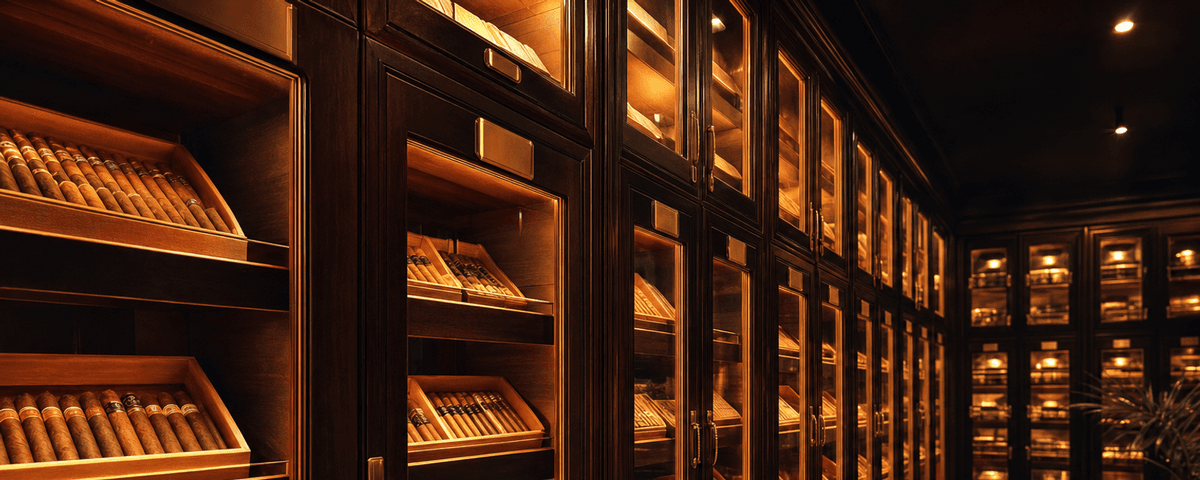
33 座 24 小時恆溫恆濕醇化室
W Cigar Bar 提供的會員醇化空間 · 場地資訊請洽編輯部
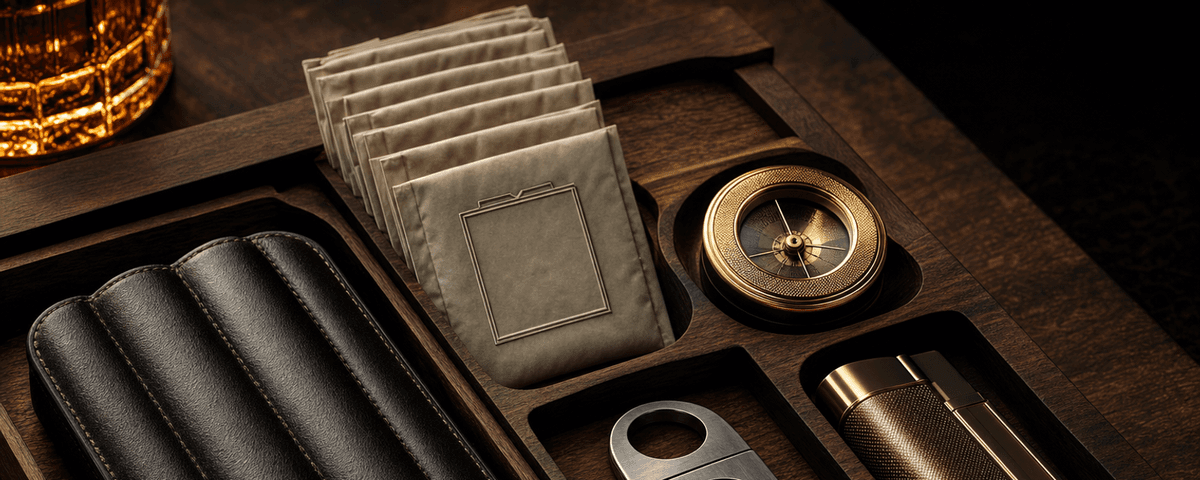
雪茄剪 / 打火機 / 雪茄盒 / Boveda
W Cigar 配件官網 · 專營雪茄配件正品
加 LINE 好友 · 文化諮詢
文化空間資訊 · 紳士沙龍 · 私人包場
本網站內容僅供雪茄文化、歷史、收藏與品吸知識研究參考。菸品有害健康、未滿法定年齡者請勿吸菸。實際規範請依所在地法律為準。
吸菸有害健康・戒菸專線 0800-636363・本站僅供 20 歲以上成年人閱覽。
讀到這裡,你不只是路過的人
留下 Email,加入 W 雪茄聖經內圈——總編輯 Wilson Tsai 親選的學院深文與國際新訊,先你一步送到信箱。
· 教育用途非銷售 · 隨時一鍵退訂 · Email 絕不對外公開 · 由勝茄股份有限公司營運
同分類延伸閱讀
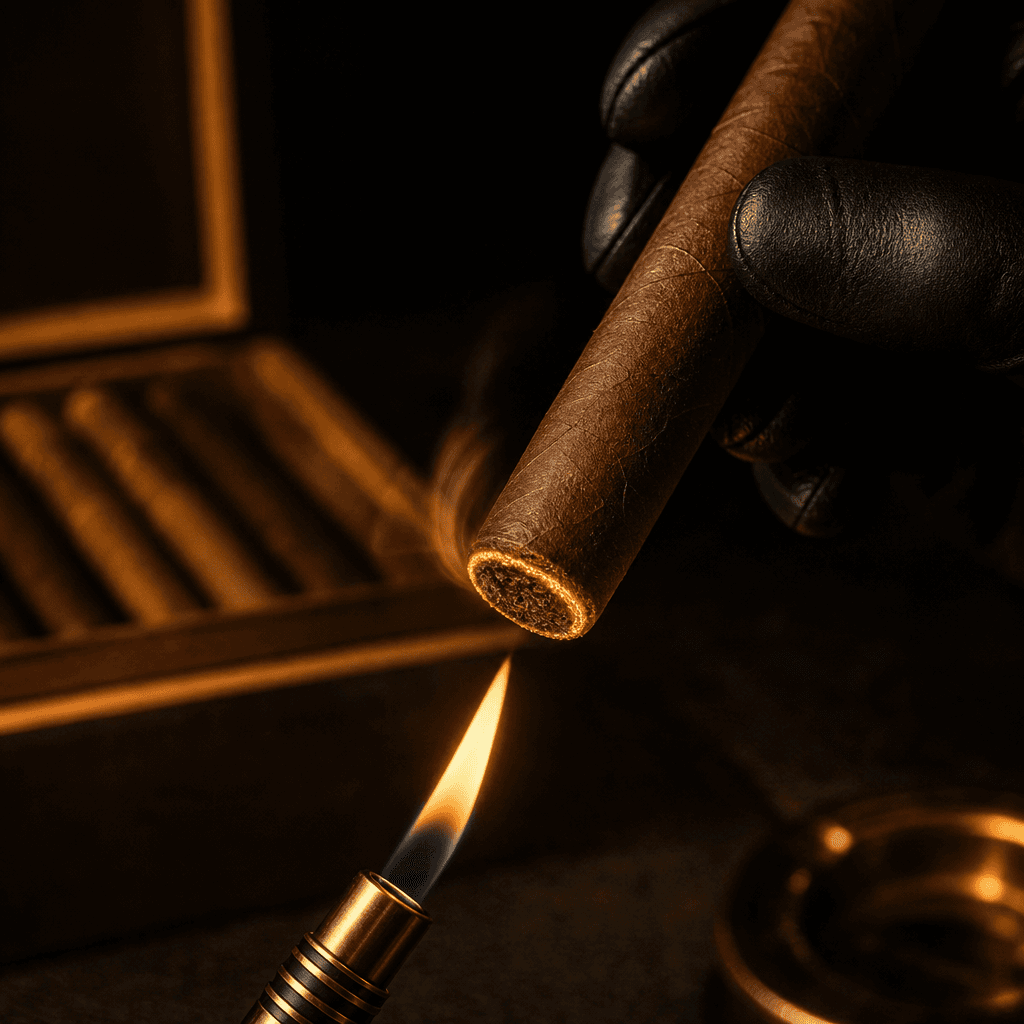
資料來源:W Cigar Bible 編輯部整理 · 雪茄王子 Wilson Tsai 親自審稿
本文僅供雪茄文化、歷史、收藏與品鑑知識研究,不作為菸品促銷、銷售或購買建議。吸菸有害健康,未滿二十歲不得吸菸。