雪茄的風味輪廓與產區特色深度分析

老手談雪茄時,應深入探討其風味輪廓背後的產區、葉位與工藝。古巴雪茄以Vuelta Abajo的細緻礦物感著稱,展現出中等至中高強度的細節;尼加拉瓜則因火山土壤而形成多樣風格,強調層次與平衡;多明尼加以精密發酵和乾淨結構見長,展現優雅的力量。不同產區的茄衣來源也影響初段風味,Ecuador Connecticut與Ecuador Habano各具特色。了解這些細節,能讓雪茄愛好者更全面地欣賞每一支雪
- 雪茄的風味輪廓由茄衣、茄套、茄芯三個層次組成,影響其香氣與口感的變化。
- 古巴雪茄的細緻風味來自於特定產區的土壤與氣候條件,影響香氣的層次感。
- 尼加拉瓜雪茄的多樣性源於不同產區的葉料交錯,形成獨特的風味結構與層次。
Flavor Profiles and Regional Characteristics of Cigars: An In-Depth Analysis
I often say that when seasoned cigar enthusiasts talk about cigars, they shouldn't stop at just "strong, mild, smooth, spicy." The real differences often lie in the drainage of the soil, fermentation temperature, leaf position ratio, rolling tension, and the changes in a cigar from the second centimeter to the last three centimeters.
As the editor of the "Cigar Bible," what concerns me more is: why do the same flavors of cocoa, leather, and pepper appear delicate in Cuba, three-dimensional in Nicaragua, and creamy and floral in the Dominican Republic? Below, I will dissect the true sources behind flavor profiles using regions, craftsmanship, and case studies.
流程圖呈現土壤葉位發酵捲製到燃燒的風味成形
Flavor Profiles Are Not Just Adjectives, But a Synthesis of Region, Leaf Position, and Craftsmanship
The most common bottleneck for seasoned enthusiasts is treating flavor profiles as a single aroma table. In fact, a cigar is composed of at least three layers: wrapper, binder, and filler, with the filler often mixing 3 to 5 different leaf positions and origins. For a Robusto size, approximately 50 ring gauge and 124 mm in structure, the burning area, temperature, and airflow will affect the order in which sweetness, spiciness, and woody notes appear.
The core of a flavor profile is not what you taste, but why those flavors appear at that particular time. For example, the ligero leaf position is near the top of the plant, with strong sunlight, high nicotine, and oil content, often bringing out black pepper, concentrated coffee, and mineral notes; the seco leaf position has a subtle aroma, easily presenting hay, floral, and nutty notes; the volado leaf position has good combustibility and is often used to maintain ash stability.
Looking at the trend of many new world cigar blends after 2008, brands have begun to more precisely label sources like Estelí, Jalapa, Condega, San Andrés, and Ecuador Habano. This is not just marketing language but the publicization of blending language. The cocoa and coffee thickness of Padrón 1964 Anniversary and the spicy sweetness of Oliva Serie V are typical expressions of Nicaraguan leaf materials in blends.
When judging profiles, I usually divide a cigar into three sections: the front section looks at the wrapper and initial sweetness, the middle section looks at whether the filler body unfolds, and the back section looks at whether the strength and balance are out of control. What seasoned enthusiasts truly need to practice is reading flavor, combustion, tension, and aftertaste on the same map.
圖卡列出產區葉位工藝與保存對風味的影響
Cuba: The Delicate Mineral Notes and "Linear Complexity" of Vuelta Abajo
When talking about Cuba, one cannot just say "classic." The Vuelta Abajo region in the Pinar del Río province, especially around San Juan y Martínez and San Luis, has long been regarded as a core region due to its red soil, limestone, trace minerals, and drainage conditions. These elements allow the common Cuban cigar flavors of hay, cedar, honey, leather, and mineral saltiness to present a fine and long linear change.
Take the Cohiba Behike BHK 52 as an example. After its official launch in 2010, many seasoned enthusiasts focused not just on its pure strength but on the deep oil and aroma density brought by the medio tiempo leaf position. In contrast, the Partagás Serie D No.4 has a more direct earthy, peppery, and roasted feel; the H. Upmann Magnum 46 often shows cream, nuts, hay, and a hint of honey, showcasing another kind of Cuban elegance.
Cuba's strength lies in maintaining details within medium to medium-high strength, rather than winning with overwhelming concentration. A good Cuban cigar often doesn't rush to express itself in the front section, with cedar, hay, and subtle sweetness gradually opening up around 2 to 3 centimeters; the middle section begins to show leather, minerals, coffee, or floral notes, while the back section tests aging and preservation status.
When I look at Cuban cigars, I pay special attention to box codes, years, and preservation consistency. Between 2014 and 2019, different brands showed significant differences in draw resistance and combustion stability; the same Montecristo No.2, if stored at a humidity level above 72% for a long time, may appear stuffy and sour; if stably aged between 65% and 68%, the profile becomes clearer. When discussing collections and mentioning price performance, it must be remembered: it does not guarantee appreciation, and still depends on preservation and market.
矩陣比較古巴尼加拉瓜與多明尼加的風味線索
Nicaragua: Volcanic Soil, Strong Structure, and the Explosive Power of Modern Blends
The charm of Nicaragua lies in its non-singular style. Estelí often features black pepper, concentrated coffee, dark cocoa, and a sense of power; Jalapa, with its sweeter soil and rounder aroma, often brings red pepper, dried fruit, and honey notes; Condega lies between the two, offering woodiness, spiciness, and balance. The interweaving of leaves from these three places forms the three-dimensional framework of modern Nicaraguan cigars.
Padrón 1964 Anniversary, Padrón 1926 Serie, My Father Le Bijou 1922, Oliva Serie V Melanio are all cases seasoned enthusiasts can use for comparison. Padrón's natural sweetness, coffee, and cocoa thickness come from long-term aging and family-style leaf management; the My Father series often places a pepper blast in the front section, then transitions into leather, roasted nuts, and brown sugar, forming a high degree of recognition.
The essence of Nicaraguan cigars is to create layers with soil energy and blend rhythm, not just "heavier." Some cigars with a high proportion of Estelí ligero can give a strong black pepper in the first centimeter; but a mature blend will pull back sweetness in the middle section, allowing concentration and balance to coexist. This is also why, after 2010, Nicaraguan brands have been able to maintain an important position in many international rating lists.
In terms of production technology, Nicaraguan factories are often bolder in using dark wrappers, such as Mexican San Andrés or Ecuador Habano Maduro, making chocolate, coffee, and molasses more prominent. But seasoned enthusiasts should note that dark does not equal heavy, and Maduro does not equal sweet. The real judgment point is whether the fermentation is clean: if ammonia, tongue-piercing, and bitter burnt notes appear in the back section, it usually means the leaf treatment or preservation rhythm is not yet in place.
圖卡提醒盲抽濃度與只看國名的三個常見誤解
Dominican Republic: The Soft Aroma, Precise Fermentation, and Elegant Power of Cibao
The Dominican Republic is often misunderstood as "mild." In fact, its strength is not low intensity, but in refining aromas to be clean. The Cibao Valley, Villa González, Bonao, and other regions have long grown Piloto Cubano, Olor Dominicano, and various hybrid tobacco leaves. These leaves often carry cream, almonds, hay, floral notes, white pepper, and a hint of citrus peel, presenting very delicate aroma lines.
Davidoff is an important entry point for understanding Dominican style. Take the Davidoff Aniversario No.3 or Grand Cru series as examples; they do not rely on dramatic impact but win with stable combustion, clean draw, and long aftertaste. Arturo Fuente Fuente Fuente OpusX is another milestone, proving since its launch in 1995 that the Dominican Republic can also produce high-strength, high-aroma density puro works.
The core value of the Dominican Republic is precise fermentation and clean structure; it can be gentle, but it can also be very powerful. OpusX often features red pepper, leather, toasted bread, raisins, and floral notes, with a distinct strength when young, and after several years of aging, the spiciness rounds out, and the sweetness and woodiness become more integrated. La Flor Dominicana Andalusian Bull received high attention in 2016, also demonstrating that the Dominican Republic is not just about traditional elegance.
From a craftsmanship perspective, many Dominican factories are extremely meticulous in grading, fermentation, and rolling consistency. Seasoned enthusiasts wanting to train their palate can simultaneously compare Davidoff Millennium Blend, Fuente Hemingway Short Story, and La Flor Dominicana Double Ligero. All three come from the Dominican context, yet each points to creamy woodiness, sweet aromatic combustion, and intense spicy power.
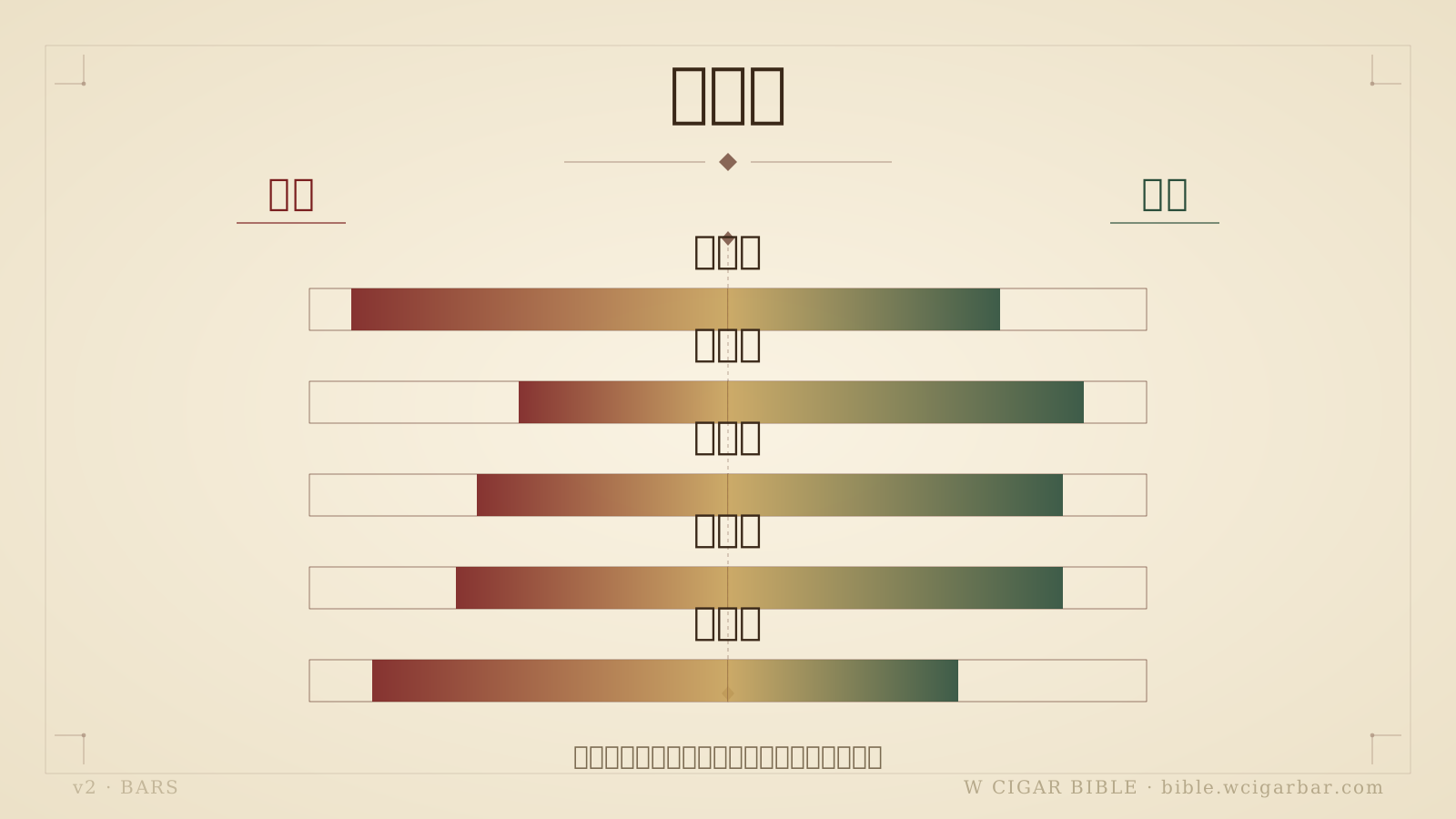
橫條圖比較古巴與新世界雪茄在五個風格軸的傾向
Wrapper Region Comparison: The Surface Language of Ecuador, Mexico, Brazil, and Cameroon
Wrappers are often called the face of a cigar, but I prefer to say it's the first sentence. It doesn't necessarily determine the entire flavor but often decides the sweetness, spice, and texture of the front section. Ecuador Connecticut, due to natural cloud cover, has thinner and smoother leaves, often presenting cream, cereal, and light woodiness; Ecuador Habano has more red pepper, nut, and leather tension.
| Wrapper Source | Common Flavors | Representative Cases | Seasoned Enthusiast Observation Points |
|---|---|---|---|
| Ecuador Connecticut | Cream, cereal, light wood | Davidoff Signature | Whether the front section is clean, whether the sweetness is thin |
| Mexican San Andrés | Cocoa, earth, molasses | Liga Privada No.9 | Sweet-bitter balance and back section bitterness |
| Cameroon | Cinnamon, nuts, dry wood | Fuente Hemingway | Fragile leaves and combustion stability |
| Brazil Mata Fina | Brown sugar, coffee, ripe fruit | CAO Brazilia | Thickness and sweet-sour control |
Wrappers are not decorations but key tools used by blenders to set the entry tone and aroma direction. For example, Mexican San Andrés, due to volcanic soil and thick leaf characteristics, often has black chocolate, wet earth, and molasses after deep fermentation; but if over-fermented, it becomes stuffy and bitter. Cameroon wrappers are thin and sensitive, with cinnamon, roasted nuts, and dry wood aromas, particularly picky about humidity changes.
When comparing wrappers, seasoned enthusiasts are advised to fix size and strength levels, not to compare a Connecticut Shade Toro with a short, fat San Andrés Maduro, as combustion temperature will interfere with judgment. Use a 50 to 54 ring gauge as a baseline, recording the first 10 minutes of aroma, ash line, tongue surface texture, and nasal spiciness. This way, you can distinguish "wrapper style" from "overall blend weight."
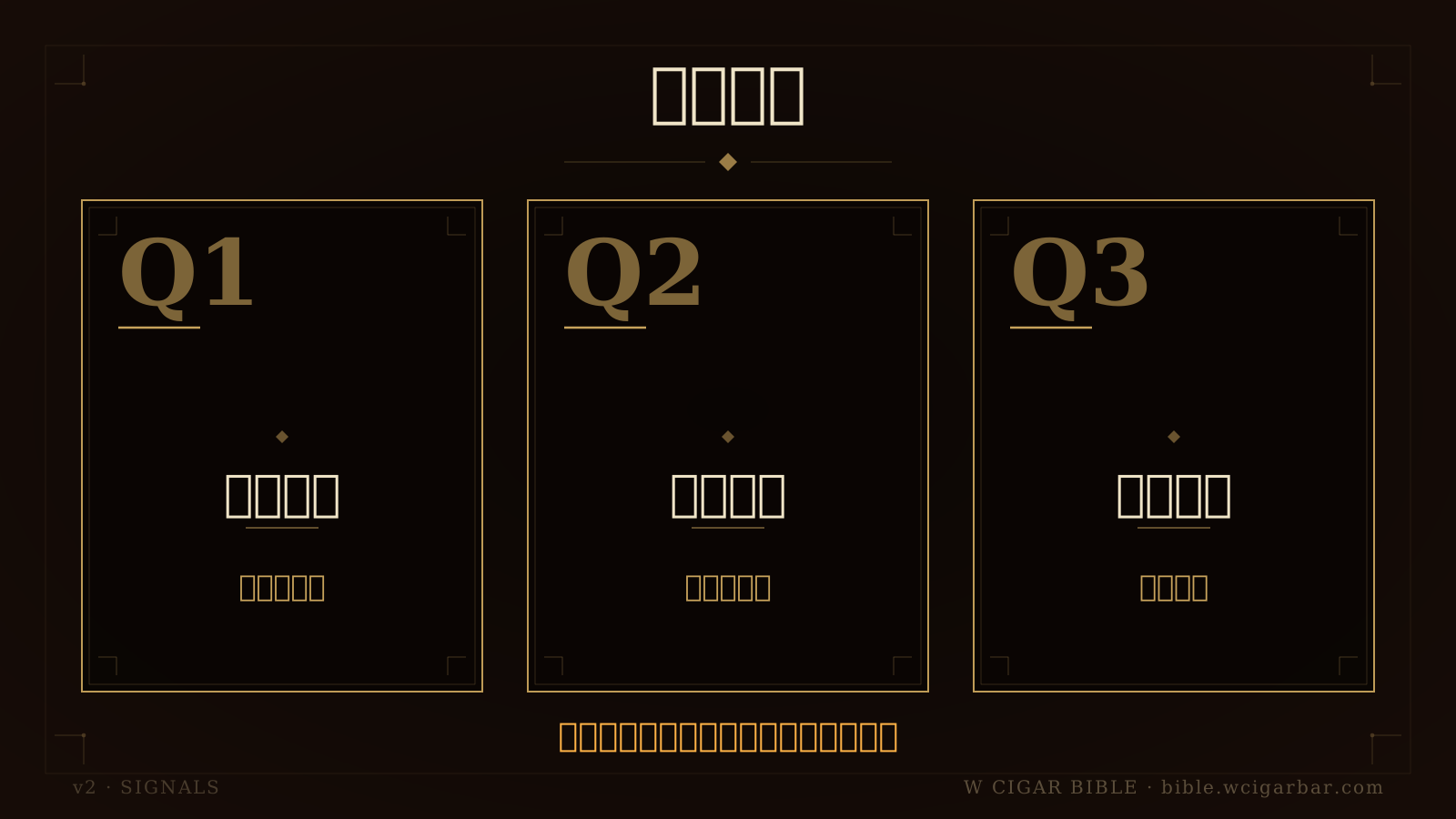
快問快答圖卡整理盲抽同盒差異與研究順序
Craftsmanship and Preservation: How Fermentation, Aging, and Humidity Rewrite Regional Personality
Tobacco leaves from the same region, if fermented at different temperatures and stack management, will lead to completely different profiles. During fermentation, the temperature inside the tobacco leaf stack can reach 40 to 50°C, and factories will turn the stack to release ammonia, reduce irritation, and develop sweetness. If the time is short, the aroma tends to be green; if too long or the temperature is out of control, it may lose details, leaving a dull woody taste.
Aging is another level. In a stable environment, Cuban Cohiba, Montecristo, or Partagás can often turn grassy, sharp spiciness into honey, leather, and roasted notes over 3 to 8 years; high ligero blends in Nicaragua may shift from black pepper explosions to cocoa, coffee, and brown sugar over 2 to 5 years. High-end Dominican works often become smoother between floral, cream, and woodiness.
Preservation is not a magic button to make cigars better, but an environmental management to maintain leaf material integration. I recommend seasoned enthusiasts use 65% to 69% relative humidity and 18 to 21°C as a long-term baseline, then adjust according to region. If Cuban cigars are too moist, draw resistance and stuffy sourness will rise; if Nicaraguan dark wrappers are too dry, oiliness and sweetness will thin.
Practical records can use a simple list:
- Box code, year of acquisition, box opening date.
- Weekly average humidity and temperature.
- Three main flavors for front, middle, and back sections.
- Number of burn corrections and draw resistance.
- Whether ammonia, bitter burnt, cracked wrappers, or tunneling combustion occur.
These numbers are more reliable than single impressions and can also help you see changes in regional personality over time.
Frequently Asked Questions
Can regional flavors be judged solely by blind tasting?
It can be trained, but don't mythologize it. The value of blind tasting lies in correcting biases, not in boasting about guessing the brand. Cuban hay minerals, Dominican cream floral, and Nicaraguan pepper cocoa all have clues, but size, preservation, and wrapper will interfere with judgment.
Why do cigars from the same box have flavor differences?
Handmade cigars are a combination of agricultural and craft products, even if from the same box and code, leaf oil, rolling tension, and placement position will still differ. If the differences are only in strength and burning speed, it is within the normal range; if there is severe mold, ammonia, or draw issues, check preservation and source.
Should seasoned enthusiasts study regions or brands first?
I would first use brands to establish coordinates, then go back to dissect regions. For example, use Cohiba, Partagás to see Cuban differences, use Padrón, My Father to see Nicaraguan language, use Davidoff, Fuente to see Dominican craftsmanship, and finally compare wrapper sources and leaf position ratios.
Does higher concentration mean a cigar has more depth?
Not necessarily. Concentration is volume, depth is arrangement. High ligero blends can bring power, but if lacking sweetness, acidity, and aroma transitions, they will only appear coarse. Truly good full-bodied cigars should still have a clear profile and clean aftertaste in the back section.
How long does aging need to be to see regional characteristics?
Cuba often shows more obvious integration in 3 to 8 years; Nicaraguan strong blends can observe spicy rounding in about 2 to 5 years; the Dominican Republic often shows the fusion of floral and creaminess in 2 to 6 years. The premise is stable humidity, temperature, and source.
Have new world cigars surpassed Cuba?
I don't like to talk about surpassing. Cuba is like a string quartet, focusing on detail, airiness, and aftertaste; Nicaragua is like a jazz big band, strong rhythm, thick layers; the Dominican Republic is like a studio-polished human voice, clean, stable, and focused on lines. What seasoned enthusiasts should pursue is understanding, not taking sides.
Finally, when I look at cigar regions, I don't see the country names on the map, but how a leaf is shaped into a flavor language by land, sunlight, rain, fermentation, and hands. Cuba gives me a sense of time, Nicaragua gives me energy, the Dominican Republic gives me order; what is truly fascinating is that all three can leave clues in a good cigar. Read slowly, remember slowly, and the flavors will naturally speak.
—Cigar Prince Wilson Tsai
Smoking is harmful to health. Under twenty years old is prohibited from smoking. Quitline: 0800-636363. This article is for reference only for adults over twenty years old regarding cigar culture, preservation, and legal knowledge, not tobacco advertising, promotion, or purchase advice.
Like this article?Share with friends
Share this W Cigar Bible piece with friends who want to learn cigar culture, storage, and tasting.
想把這篇 化為實踐
雪茄聖經是知識;雪茄文化要在空間裡發生
W Cigar Bar 大安總店資訊
台北大安區 · 雪茄聖經總編輯 Wilson Tsai 主理的雪茄文化空間
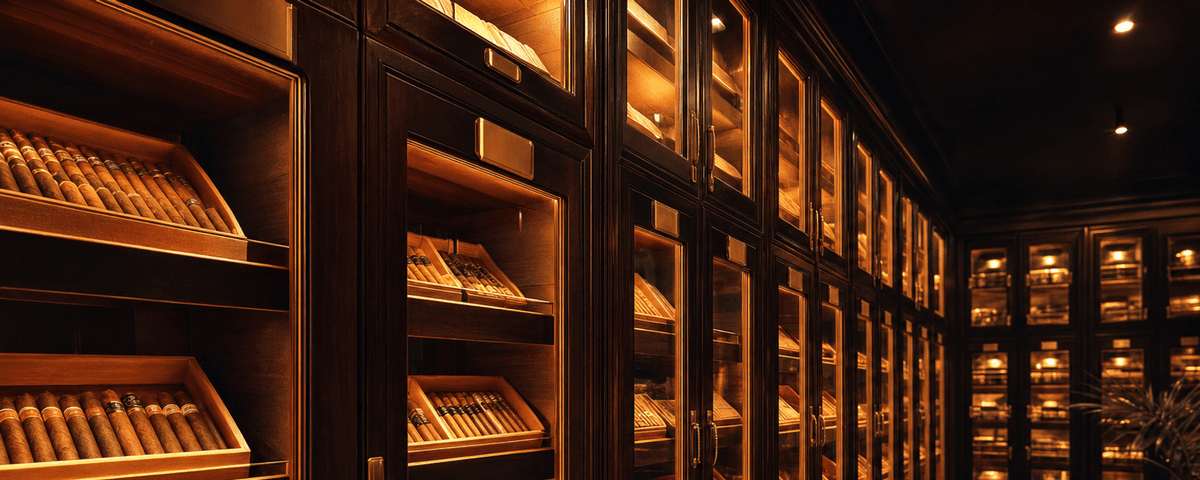
33 座 24 小時恆溫恆濕醇化室
W Cigar Bar 提供的會員醇化空間 · 場地資訊請洽編輯部
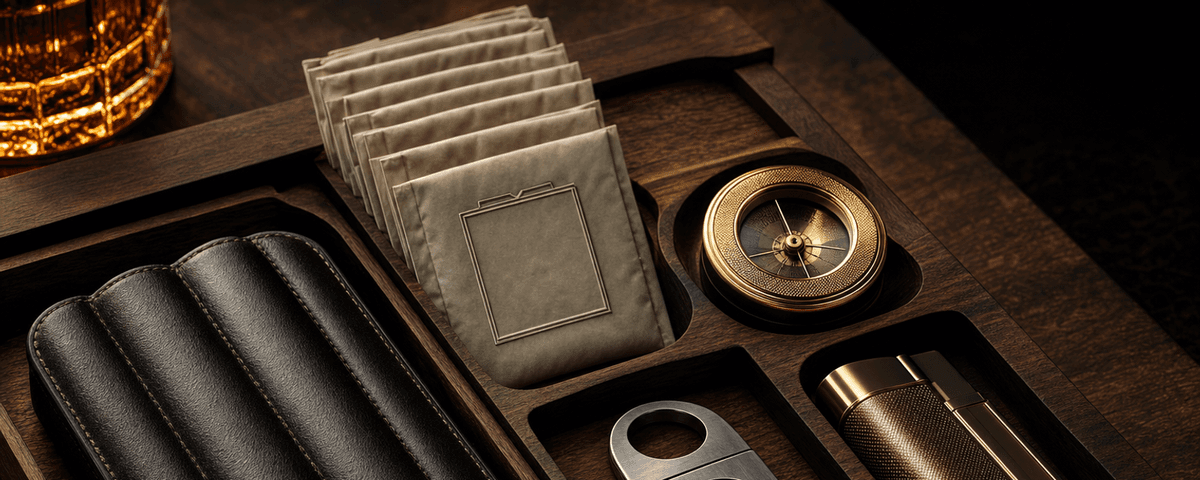
雪茄剪 / 打火機 / 雪茄盒 / Boveda
W Cigar 配件官網 · 專營雪茄配件正品
加 LINE 好友 · 文化諮詢
文化空間資訊 · 紳士沙龍 · 私人包場
本網站內容僅供雪茄文化、歷史、收藏與品吸知識研究參考。菸品有害健康、未滿法定年齡者請勿吸菸。實際規範請依所在地法律為準。
吸菸有害健康・戒菸專線 0800-636363・本站僅供 20 歲以上成年人閱覽。
讀到這裡,你不只是路過的人
留下 Email,加入 W 雪茄聖經內圈——總編輯 Wilson Tsai 親選的學院深文與國際新訊,先你一步送到信箱。
· 教育用途非銷售 · 隨時一鍵退訂 · Email 絕不對外公開 · 由勝茄股份有限公司營運
同分類延伸閱讀
資料來源:W Cigar Bible 編輯部整理 · 雪茄王子 Wilson Tsai 親自審稿
本文僅供雪茄文化、歷史、收藏與品鑑知識研究,不作為菸品促銷、銷售或購買建議。吸菸有害健康,未滿二十歲不得吸菸。