雪茄的口感變化與陳年藝術:探索時間的影響
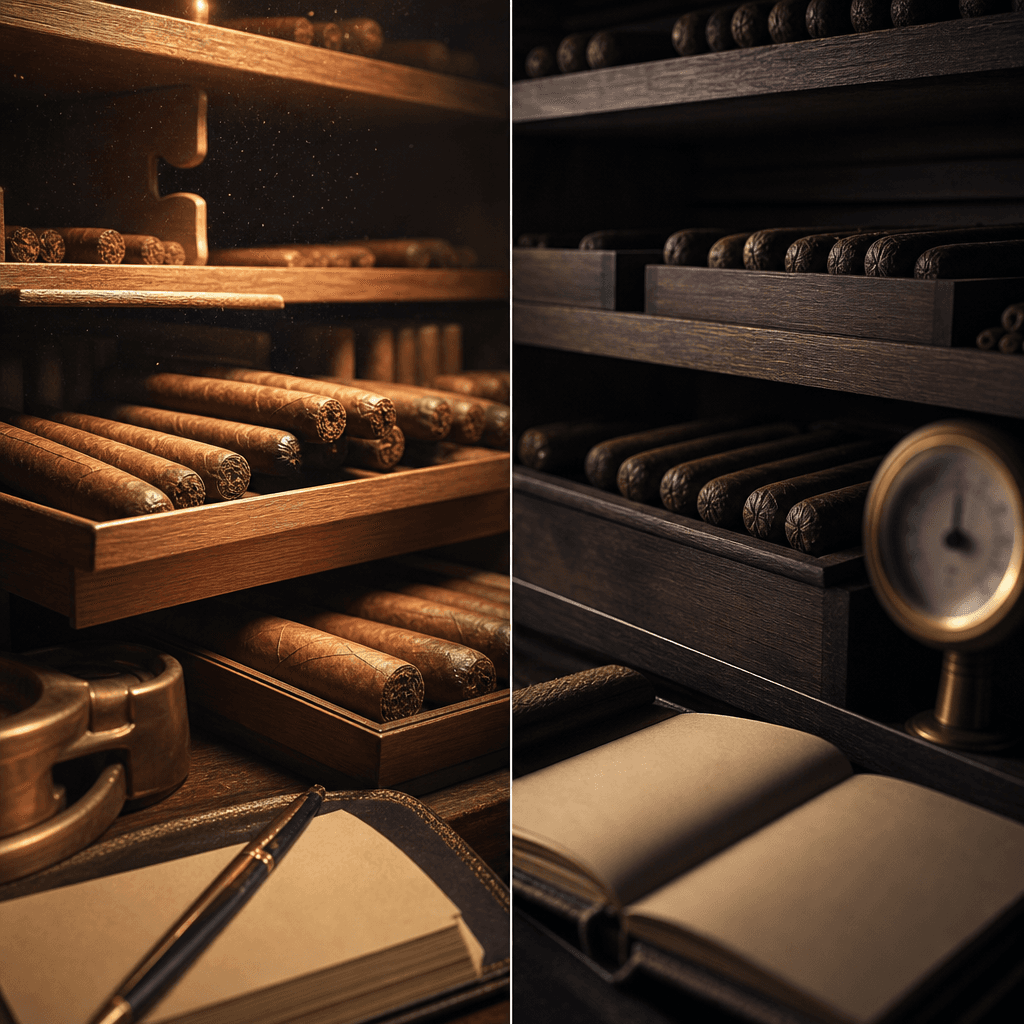
雪茄的魅力在於時間的變化,從初啖的木質與辛辣,到隨著陳年的成熟而變得圓潤。陳年並非單純的時間累積,而是對濕度、溫度和通風的精細管理。適當的保存環境能讓雪茄的風味更協調,反之則可能導致口感劣化。入門者可以透過紀錄同盒雪茄在不同年份的變化,深入理解時間對雪茄的影響。此外,選擇合適的保存設定與環境,對於雪茄的風味發展至關重要。品牌與年份固然重要,但單支雪茄的結構與狀態更是關鍵。
- 雪茄的陳年過程需注意溫度、濕度與通風的平衡,穩定性比數字更重要。
- 觀察雪茄的口感變化可分為前段、中段與後段,隨著時間會出現不同的風味層次。
- 入門者應建立紀錄表,記錄雪茄的品牌、尺寸、品飲狀態,以便比較與學習。
The Evolution of Cigar Flavor and the Art of Aging: Exploring the Impact of Time
The allure of cigars lies not just in the initial taste of wood, leather, cream, or pepper, but in how time rearranges these elements. As the editor of the "Cigar Bible," I often remind beginners: being able to taste is just the starting point. The real advancement is learning to understand a cigar's expression in different years and environments.
"Aging" is not about leaving the box unattended, nor is it about the longer, the better. It is a comprehensive management of temperature, humidity, ventilation, origin, and records. Done correctly, sharpness becomes round, aromas deepen, and layers become more orderly. Done incorrectly, time might just slowly consume a good cigar.
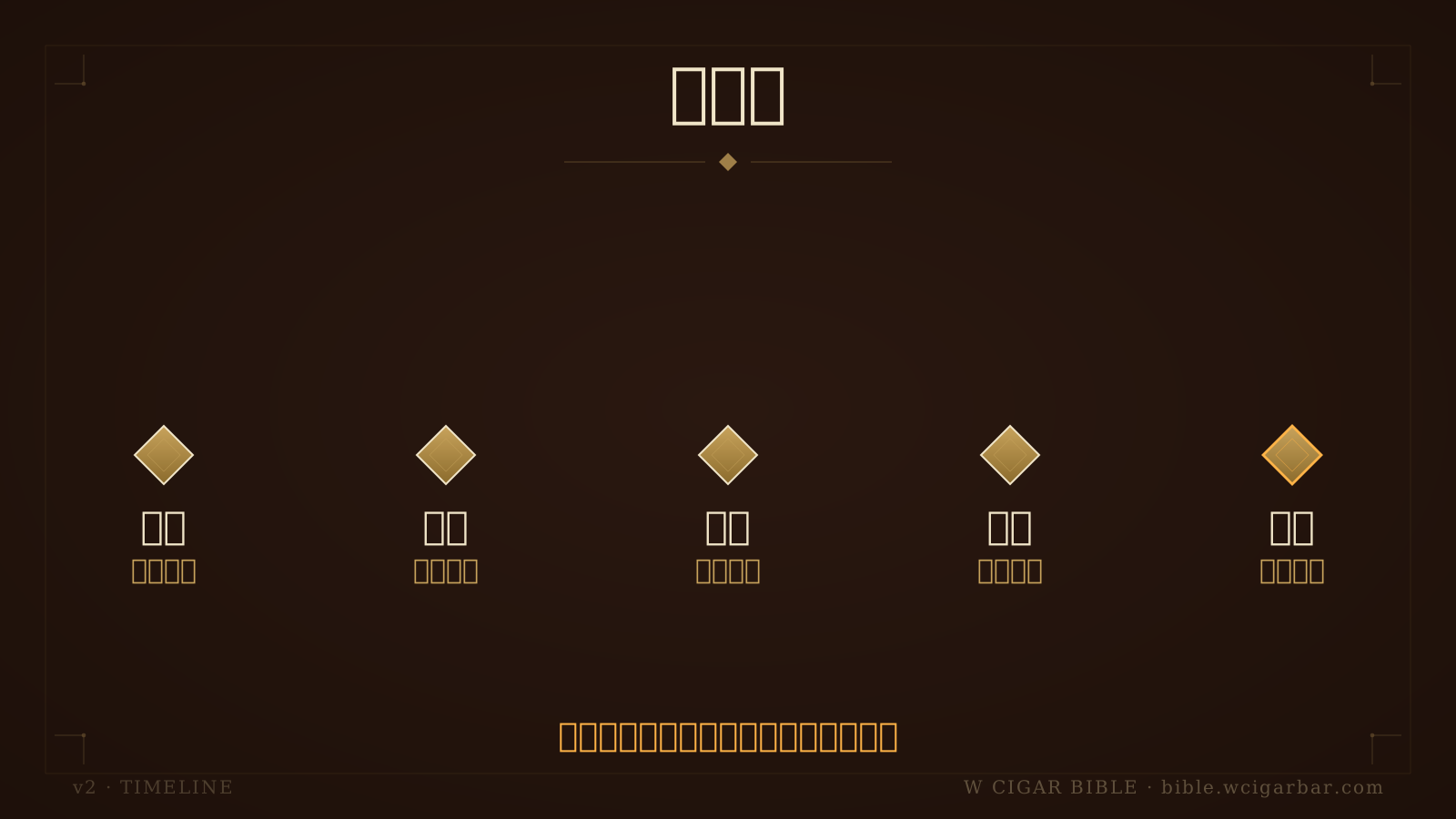
時間軸展示入櫃校表少動分段與判峰
How Time Changes Cigars: The Transition from Stimulating to Mellow
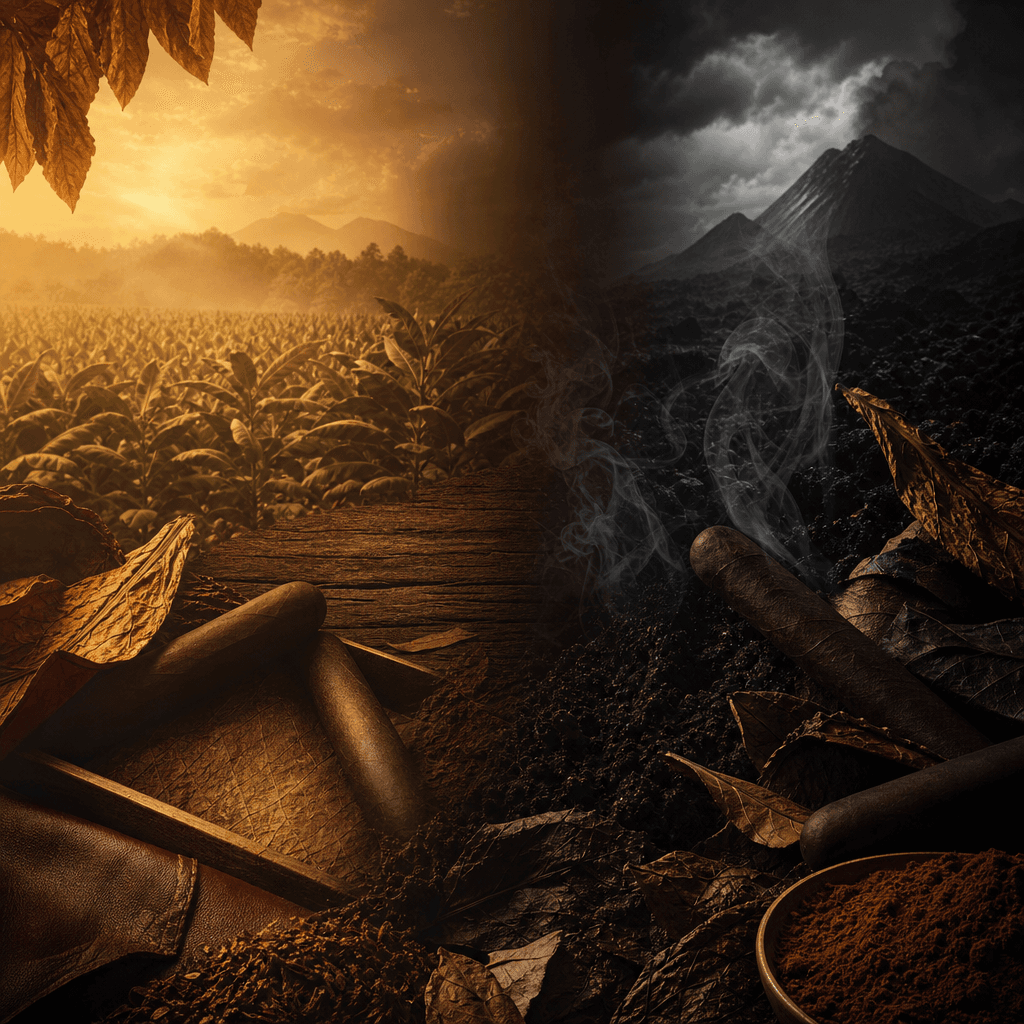
Freshly manufactured cigars often have noticeable ammonia, green grass, and spicy edges, especially in rich blends. For example, Partagás Serie D No.4, in the first couple of years after boxing, often shows prominent black pepper, charred wood, and earthy notes. By three to five years, if stored well, the flavor can resemble roasted wood, cocoa, and mature leather. The first effect of time is not to add flavor, but to harmonize the originally scattered flavors.
I understand aging as "slow integration." The moisture, oils, and volatile aromas in the tobacco gradually balance in a sealed box and humid environment. Like Montecristo No.2, which when young often has coffee, nuts, and spices, some batches after six to eight years may exhibit more refined cream, cedar, and a slight sweetness, with a cleaner finish.
But time also has its limits. Not every cigar is suitable for twenty years of aging. Smaller sizes, thinner wrappers, and lighter structures may peak at five to seven years and then decline. Judging aging potential requires looking at leaf thickness, blend strength, oiliness, and original structure, not just brand reputation.
Beginners can start by recording cigars from the same box: open one at six months, one year, and three years for comparison. Note the cold draw, first third, middle third, final third, burn, finish length, and mouthfeel cleanliness. This longitudinal comparison is more reliable than a single impression and will truly help you understand the role "time" plays in cigars.
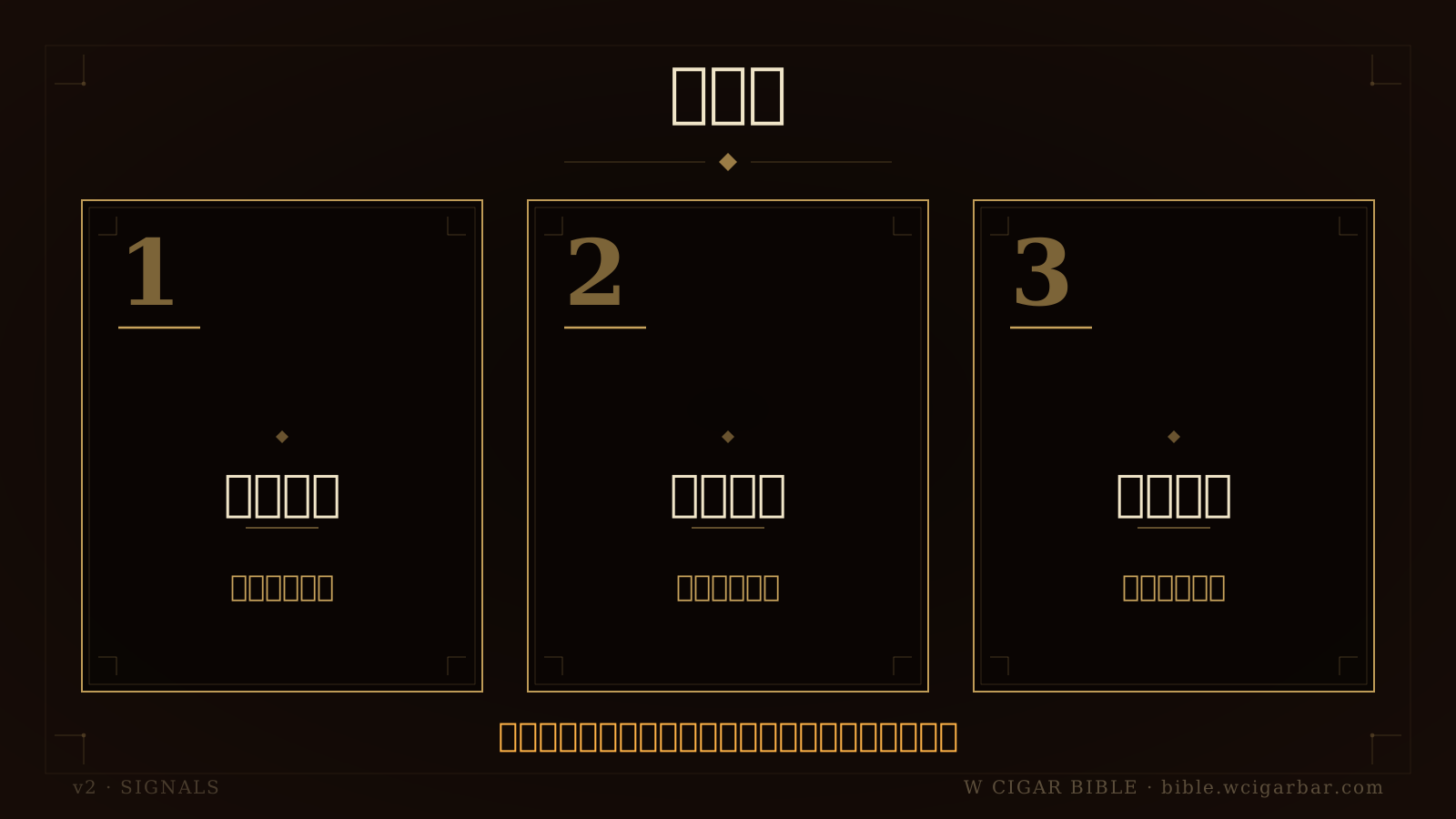
三張卡片呈現穩定環境與分段紀錄重點
Humidity, Temperature, and Ventilation: The Triangular Balance of Aging
In cigar storage, "relative humidity" is often mentioned, but I care more about the combination of humidity and temperature. Generally, long-term storage can be maintained at 16 to 18 degrees Celsius, with relative humidity at 65% to 69%. If the environment is often above 22 degrees, humidity should not be too high, otherwise, the risk of mold and pests increases. Stability is more important than perfect numbers; drastic fluctuations are the biggest enemy of cigar flavor.
Take the humid climates of Hong Kong and Taipei as examples. In summer, if there is no temperature control indoors, even if the cabinet shows 70% humidity, the actual cigars may feel soft and burn poorly due to high temperatures. Conversely, in the drier, colder winter, if humidity drops below 60% for a long time, cigars become brittle, hot, and spicy, with the expected sweetness overshadowed by dryness.
Ventilation is often overlooked. Traditional wooden boxes allow for slight air exchange, while completely sealed electronic cabinets require attention to fan circulation and box placement. Daily storage experience from PCC authorized dealers also tells me that the same box of H. Upmann Sir Winston stored in a stable humidity but stuffy location versus a more evenly circulated location will have different aroma developments after two to three years.
For beginners, I suggest focusing on three things: calibrate the hygrometer monthly, avoid direct sunlight, and do not frequently open the cabinet. If moving cigars, allow one to two weeks for them to readjust to the environment. Aging is not a potted plant to be turned daily but like an old wine needing quiet breathing; the more you rush to check, the more likely you are to disrupt its rhythm.
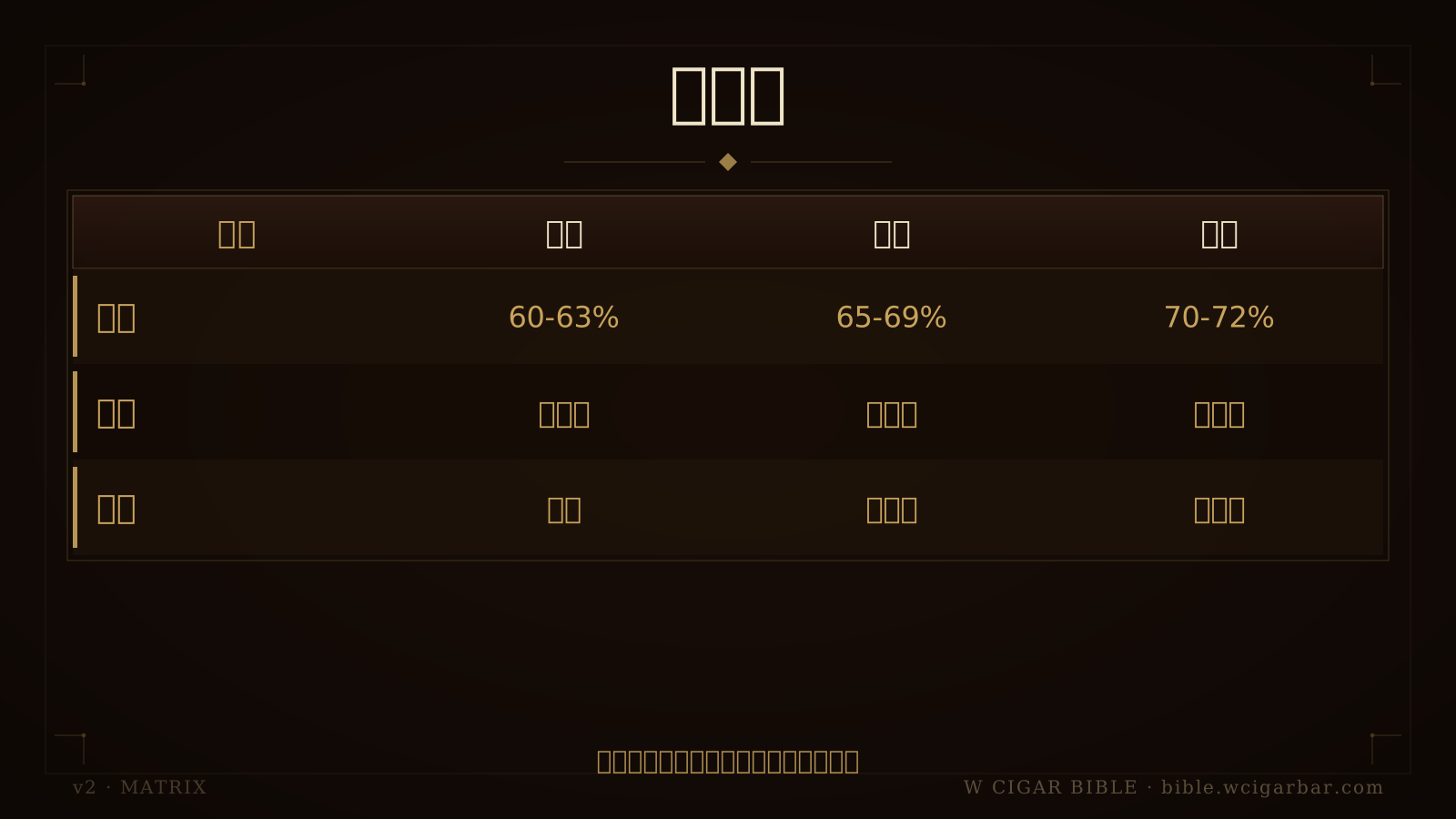
矩陣比較偏乾平衡偏濕的口感與風險
Flavor Results from Different Storage Settings
Below are common storage settings I encounter in teaching and practice. The numbers are not absolute standards but help you understand how "environment" changes flavor. For cigars with a more complete structure like Cohiba Siglo VI, Ramón Allones Specially Selected, and Trinidad Fundadores, environmental differences become very apparent after three years. The same brand, same year, but different storage methods can taste like two completely different cigars.
| Storage Scenario | Common Settings | Possible Flavor Results | Risks |
|---|---|---|---|
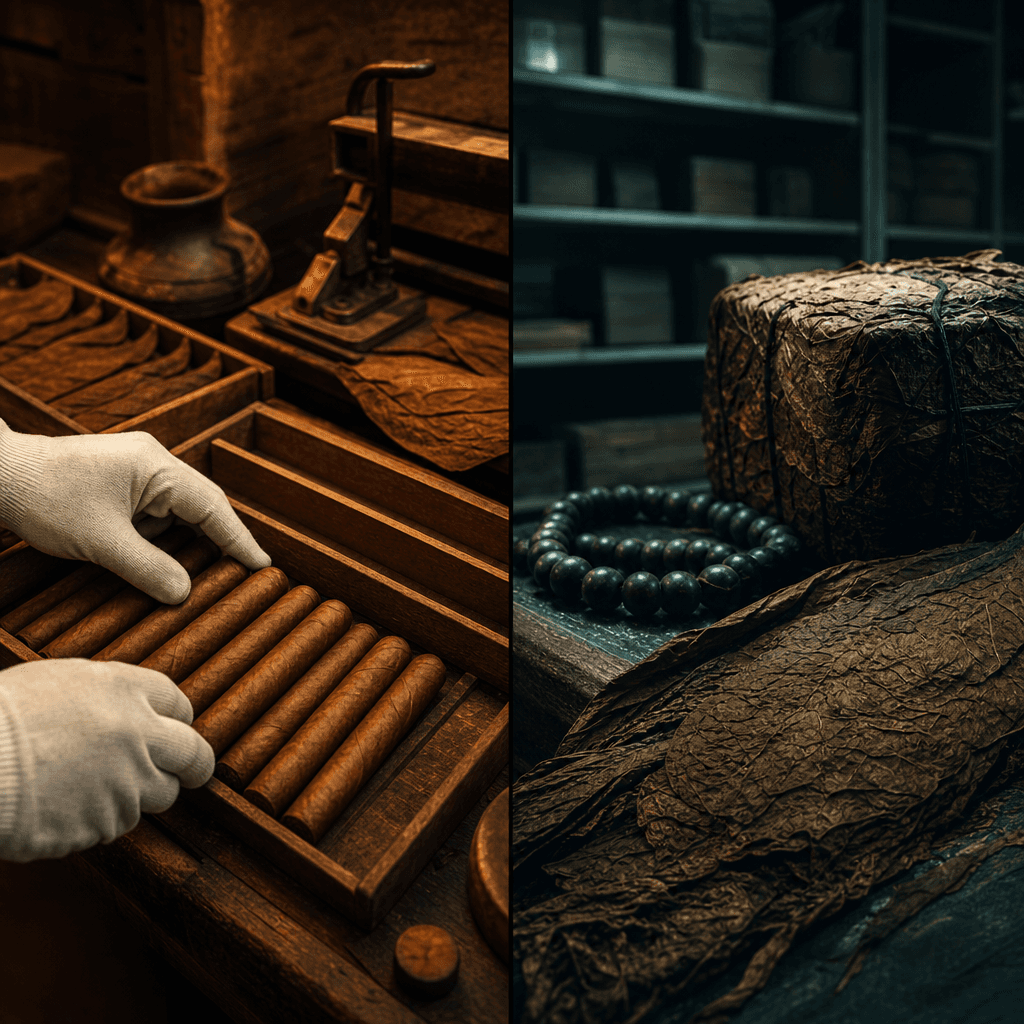
| Dry Storage | 60% to 63%, 18 to 20 degrees | Clean burn, pronounced woodiness, sharper spice | Loss of oils, thinner taste |
| Balanced Storage | 65% to 69%, 16 to 18 degrees | Stable aroma, more complete sweetness and finish | Requires long-term temperature control |
| Humid Storage | 70% to 72%, over 20 degrees | Soft initial, large smoke volume | Poor burn, stuffy acidity, mold |
| Fluctuating Storage | Frequent temp/humidity changes | Unstable performance, large box variance | Cracked wrappers, expansion/contraction |
I compared two boxes of Hoyo de Monterrey Epicure No.2 from around 2014, one stored long-term at 66% and 18 degrees, the other having experienced multiple relocations and humidity fluctuations. The former showed cream, almond, hay, and soft floral notes; the latter, though still recognizable for its brand character, had a hollow middle and shorter finish.
Beginners often ask, "Can I age cigars with only a small humidor?" The answer is yes, but with tempered expectations. Desktop humidors are suitable for stable storage of one to three years; for five years or more, I recommend using equipment with better airtightness and temperature control. Aging is not a competition of space size but a test of long-term stability.
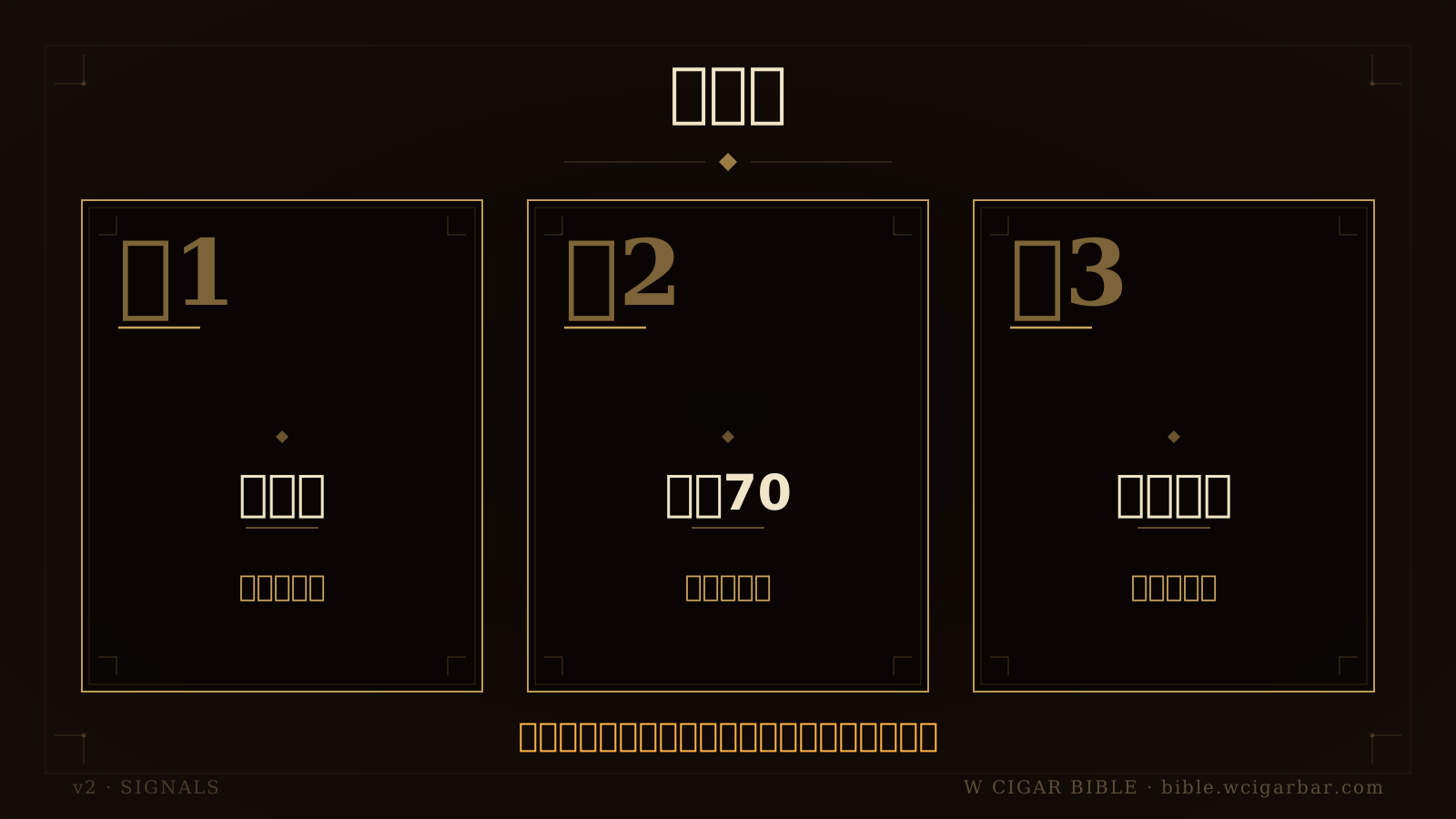
三張卡列出年份濕度與白霜判讀誤解
Flavor Stages: How the First, Middle, and Final Thirds Mature
The flavor evolution of a cigar can be observed in the first, middle, and final thirds. Young cigars often have a more direct first third, with pepper, hay, and wood rushing out. After three to five years, the first third may become more inviting, like toasted bread, honey, nuts, or a faint floral aroma. This change is most easily detected in medium to small sizes like Trinidad Reyes or Cohiba Siglo II.
The middle third is usually where the value of aging is most evident. Take Padrón 1964 Anniversary Maduro as an example. When young, it is heavy with cocoa, coffee, and sweet aromas. After three years, it often becomes more like dark chocolate, molasses, and roasted nuts, with the strength still present but the edges more rounded. A mature cigar doesn't necessarily become milder, but its strength becomes more orderly.
The final third is key to judging storage quality. Well-stored aged cigars should still have clean wood, leather, or spice notes even in the last third. If tongue-tingling, bitter char, or ammonia returns, it may indicate that the original tobacco was not balanced or that the storage process was too humid, too dry, or too hot.
When practicing, you can cut a cigar into three time points for recording: 10 minutes after lighting, entering the middle third, and approaching the final third. Write only five words each time, without rushing to use fancy descriptions. Looking back after six months, you'll find you can start distinguishing "formula changes" from "storage-induced changes," a crucial skill on the path to advancement.
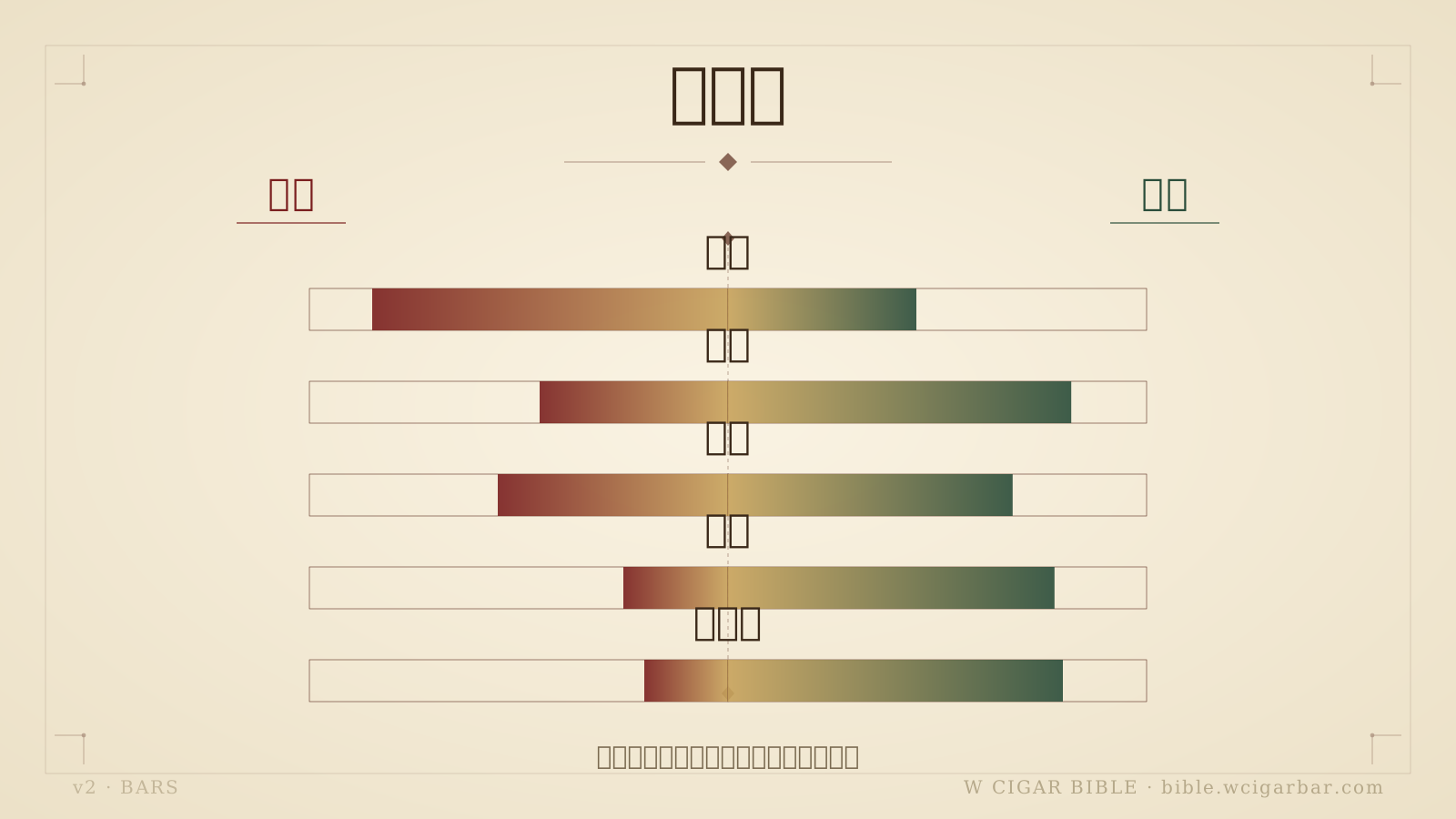
長條圖對比偏乾與偏濕保存的表現差異
Brand and Vintage Cases: Not Always More Charming with Age
Among Cuban cigars, Cohiba, Partagás, Bolívar, H. Upmann, and Punch have styles suitable for long-term observation, but their personalities differ. Cohiba is often known for its delicate aroma and fermentation depth; Bolívar Royal Corona is stronger when young, but six to ten years later may show earth, coffee, and dark fruit; H. Upmann often displays elegance in soft wood and creaminess. Look at the structure and batch condition of a single cigar before the brand.
Non-Cuban cigars are also worth comparing. Arturo Fuente OpusX, around 2015, in some batches, had bold spice and red earth when young, but after four to six years, sweet pepper, cedar, and creamy texture became more apparent. Davidoff Nicaragua usually doesn't require too long of an aging period, with two to four years showing the effect of spices turning soft and wood becoming clean.
Don't be superstitious about vintages. Years like 2008, 2010, 2014, and 2019 are often discussed by enthusiasts, but the same year can have different factory codes, box conditions, and distribution paths. Collectors interested in appreciation must remember: it doesn't guarantee appreciation, still depending on source storage and market. Flavor judgment should return to the actual state, not just the box label.
My own approach is to keep both "classic" and "experimental" cigars. Classics like Montecristo No.2, Partagás Lusitanias, and H. Upmann Magnum 46 are used to establish taste coordinates. Experimental ones like limited editions or regional editions are used to observe different formula aging curves. This way, the collection is not only beautiful but also accumulates genuine taste data.
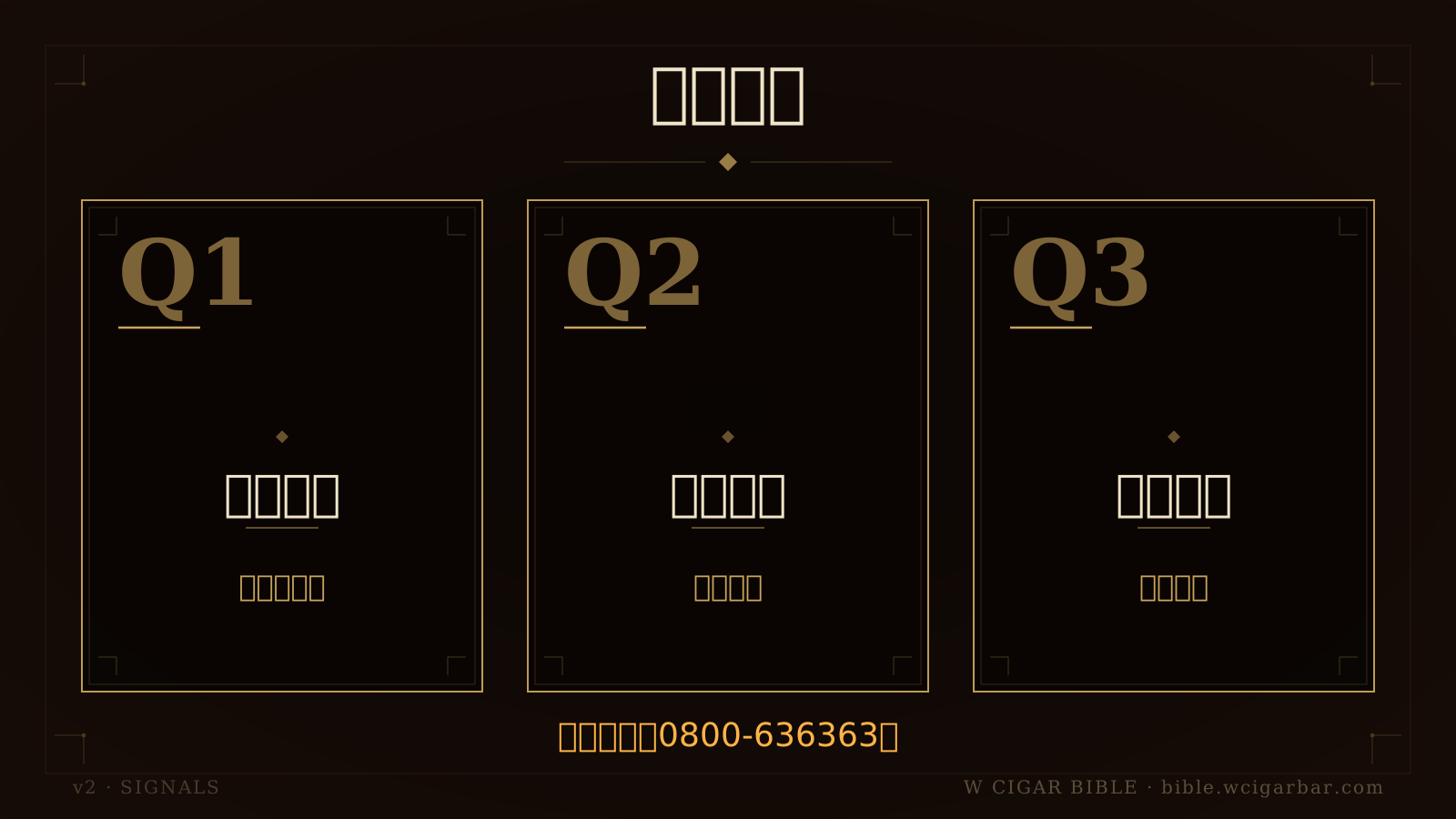
快問快答卡片整理陳年濕度與白霜問題
Aging Operations for Beginners: Recording, Rotation, and Etiquette
If you're just starting to build your cigar inventory, there's no need to pursue large quantities initially. A more practical approach is to select three to five cigars with stable supply, keep three to six of each, and open them at six months, one year, two years, and three years for observation. Small quantities, multiple times, and same-brand comparison train your palate better than stocking up all at once.
It's recommended to establish a simple record sheet, with fields including brand, size, box code or purchase year, storage date, temperature, humidity, tasting date, flavor keywords, and burn status. Avoid just writing "tasty" or "ordinary." Instead, write "cedar in the first third, cocoa in the second, slightly bitter in the final, one burn correction." These records will be very useful a year later.
- Let new cigars rest for 2 to 4 weeks before judging.
- Avoid frequently unsealing the same box; return it to a stable environment promptly after use.
- Separate cigars of different strengths to avoid aroma interference.
- Check the corners and bottom of the cabinet every 3 months to ensure no signs of excess moisture.
- If you find small cracks in the wrapper, observe humidity changes before rushing to rehydrate.
In terms of etiquette, aged cigars require gentler handling. Ensure the cutter is sharp to avoid crushing the more fragile cap end. When lighting, focus on even heating rather than rushing to burn with a large flame. The smoke of old cigars is often more delicate, so slow the pace, taking a puff every 45 to 60 seconds, keeping the temperature lower so the flavor isn't destroyed by heat.
Common Questions
How long does a cigar need to be aged?
Generally, you can see clearer aging effects after three years from production, with five to ten years often considered a mature observation period. But this isn't a hard rule; smaller sizes and lighter blends may be complete in two to three years, while larger sizes and richer blends may need longer. Aging depends on condition, not just years.
Is 70% humidity the safest?
70% is a commonly cited number, but may not be ideal in hot areas. If the temperature is consistently above 20 degrees, I prefer 65% to 68% to reduce the risk of over-humidity and mold. The key is stability, not chasing a perfect number; the higher the temperature, the more conservative the humidity should be.
Is the white stuff on the cigar surface a sign of spoilage?
You need to distinguish between oil crystallization and mold. Oil crystallization usually looks like a fine white frost, evenly distributed, and can be gently wiped away. Mold often appears fuzzy, possibly with blue-green or gray colors, and has an odor. If multiple cigars in the box are affected, isolate and inspect them, and adjust the humidity.
Are Cuban cigars always better suited for aging than non-Cuban ones?
Not necessarily. Cuban cigars have many classic aging cases, but there are also many solid non-Cuban works from the Dominican Republic, Nicaragua, and Honduras. The key lies in tobacco quality, blend strength, production stability, and storage conditions, not the myth of origin.
How do you know when a cigar has passed its peak?
If the aroma significantly thins, the finish shortens, and the taste resembles dry cardboard or only has wood and faint bitterness, it may have declined. It's recommended not to save all the same cigars until the end before opening; observing in stages allows you to catch its most charming year window.
I like to see cigar aging as a quiet conversation: people provide a stable environment, time organizes the flavors, and the cigar delivers the answer on a certain afternoon. A truly mature player doesn't just chase old vintages but knows when to wait, when to enjoy, and when to admit a cigar has peaked. May each box you open teach you more about the taste of time than the last.
—Cigar Prince Wilson Tsai
Smoking is harmful to health. No smoking under the age of twenty. Quitline: 0800-636363. This article is for reference by adults over the age of twenty regarding cigar culture, storage, and regulations, and is not a tobacco advertisement, promotion, or purchase suggestion.
Like this article?Share with friends
Share this W Cigar Bible piece with friends who want to learn cigar culture, storage, and tasting.
想把這篇 化為實踐
雪茄聖經是知識;雪茄文化要在空間裡發生

W Cigar Bar 大安總店資訊
台北大安區 · 雪茄聖經總編輯 Wilson Tsai 主理的雪茄文化空間
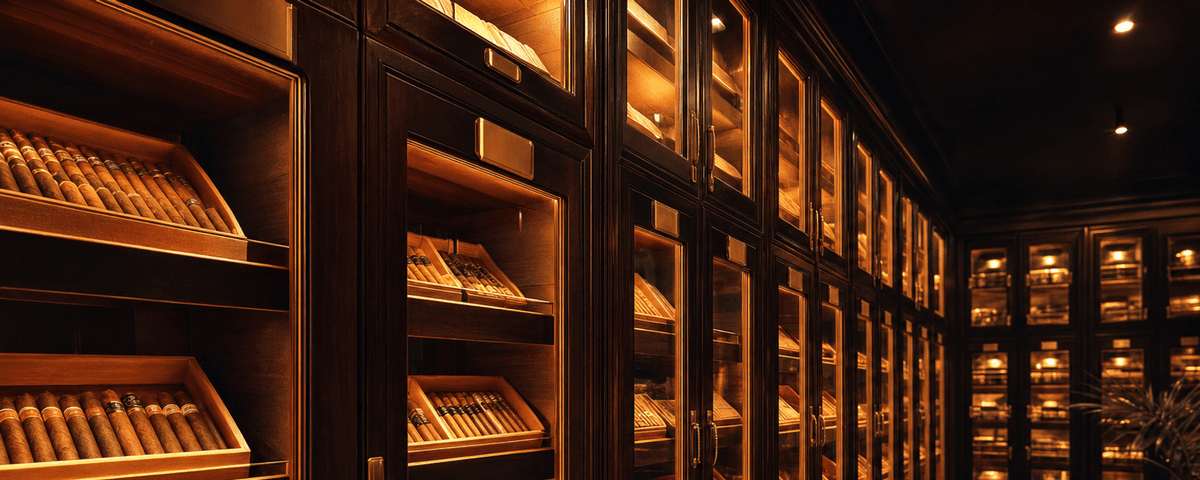
33 座 24 小時恆溫恆濕醇化室
W Cigar Bar 提供的會員醇化空間 · 場地資訊請洽編輯部
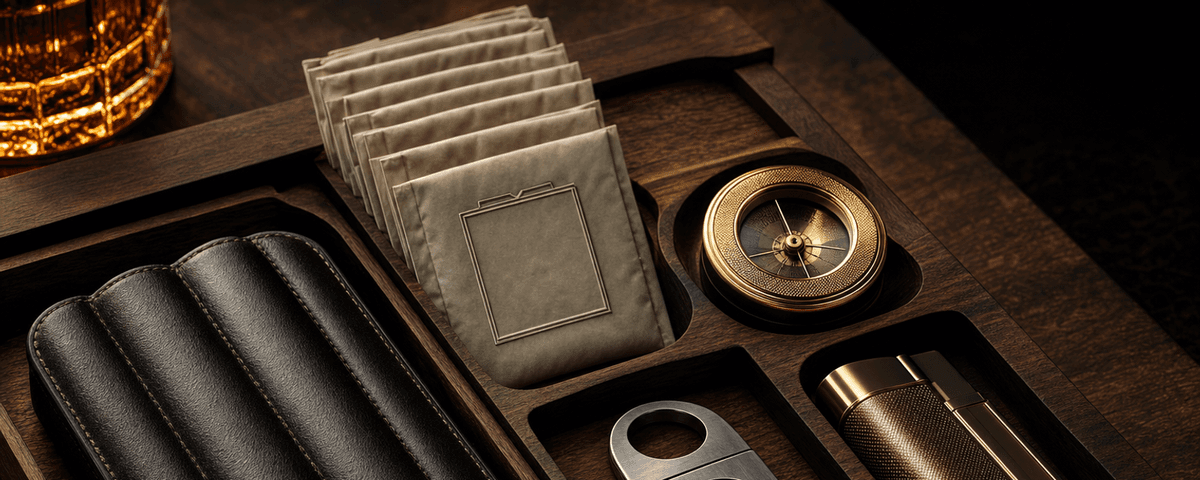
雪茄剪 / 打火機 / 雪茄盒 / Boveda
W Cigar 配件官網 · 專營雪茄配件正品
加 LINE 好友 · 文化諮詢
文化空間資訊 · 紳士沙龍 · 私人包場
本網站內容僅供雪茄文化、歷史、收藏與品吸知識研究參考。菸品有害健康、未滿法定年齡者請勿吸菸。實際規範請依所在地法律為準。
吸菸有害健康・戒菸專線 0800-636363・本站僅供 20 歲以上成年人閱覽。
讀到這裡,你不只是路過的人
留下 Email,加入 W 雪茄聖經內圈——總編輯 Wilson Tsai 親選的學院深文與國際新訊,先你一步送到信箱。
· 教育用途非銷售 · 隨時一鍵退訂 · Email 絕不對外公開 · 由勝茄股份有限公司營運
同分類延伸閱讀
資料來源:W Cigar Bible 編輯部整理 · 雪茄王子 Wilson Tsai 親自審稿
本文僅供雪茄文化、歷史、收藏與品鑑知識研究,不作為菸品促銷、銷售或購買建議。吸菸有害健康,未滿二十歲不得吸菸。